



Why Won’t This Work?
Affordable Workforce Housing Within Walking Distance of Downtown Fernandina Beach for Teachers, Public Safety Personnel, and Local Workers
For years, local leaders, residents, employers, and business owners have discussed the need for workforce housing in Fernandina Beach. We hear the same concerns repeatedly:
- Teachers cannot afford to live in the city where they teach.
- Police officers and firefighters often live outside the community they serve.
- Hospitality workers, retail employees, healthcare workers, and service personnel face increasingly long commutes.
- Downtown businesses struggle to attract and retain employees due to housing costs.
Everyone agrees there is a problem.
What is less clear is why obvious solutions rarely move beyond discussion.
One potential site deserves consideration.

A City-Owned Property Already Exists
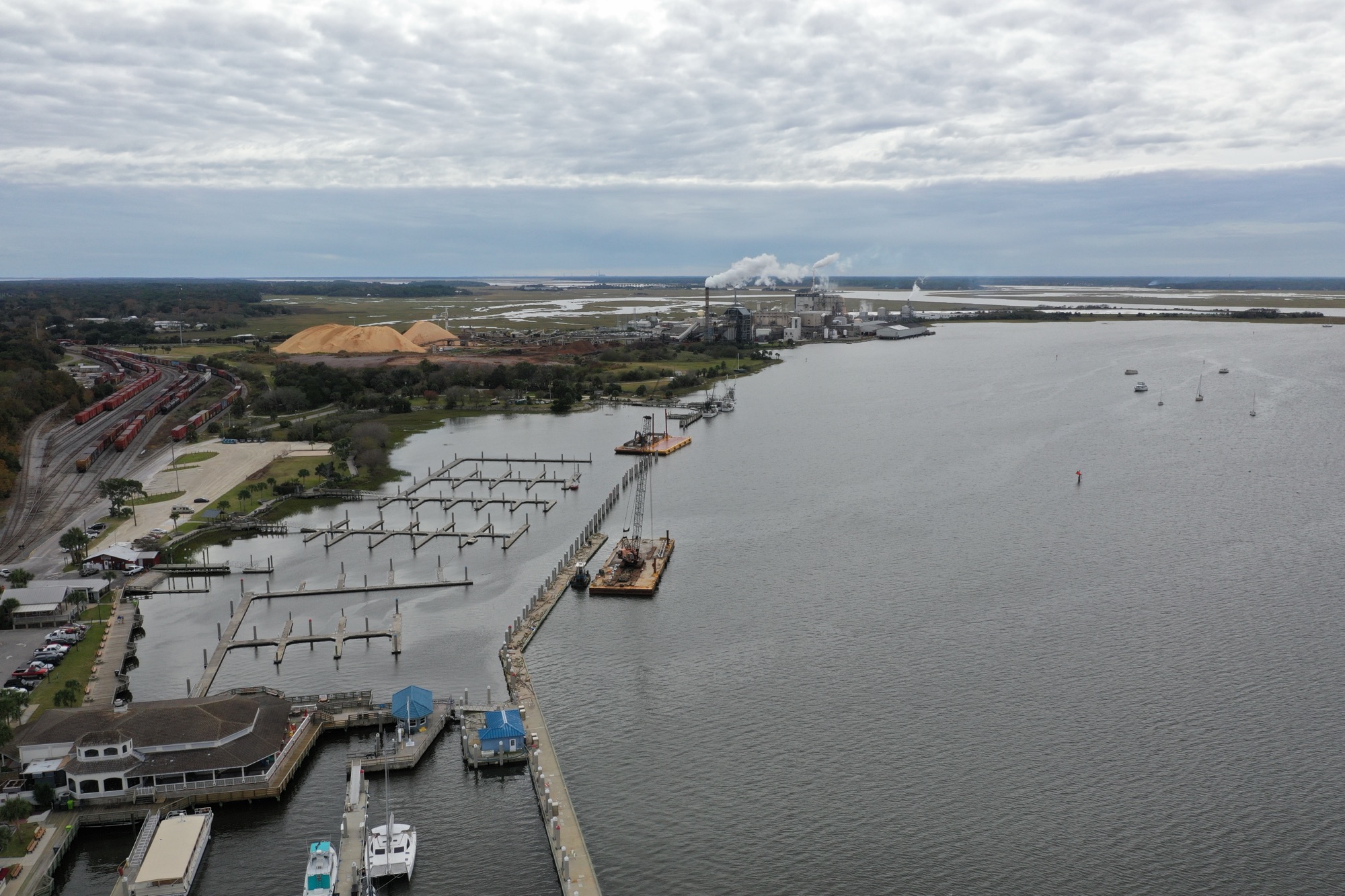
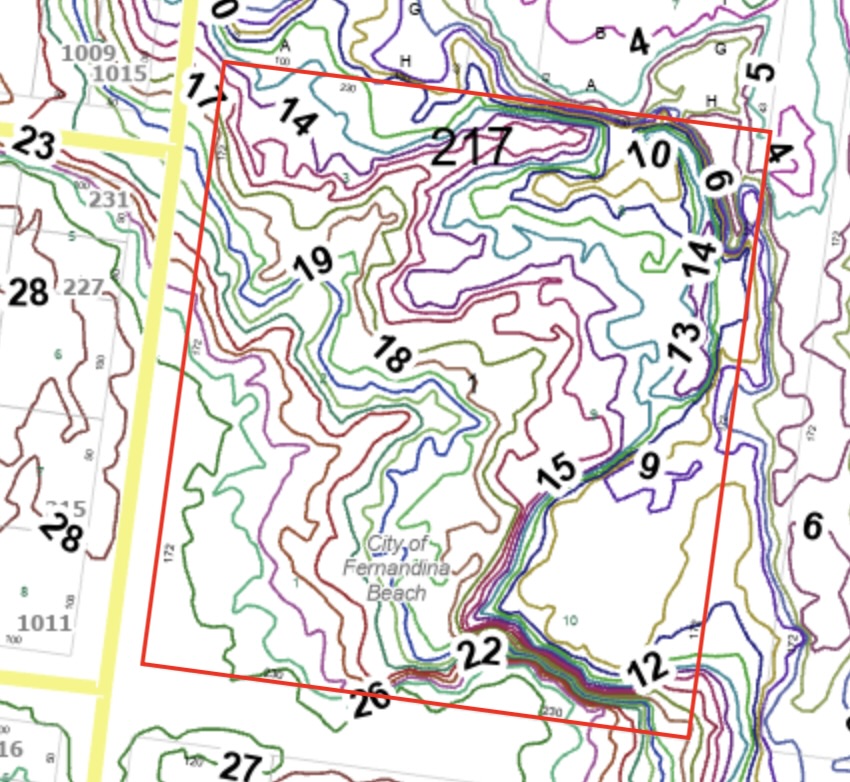
The City of Fernandina Beach owns a parcel immediately north of the Nassau County School District offices, within walking distance of downtown, schools, government offices, restaurants, and many employment centers.
Part of the property contains environmentally sensitive areas that should remain protected. However, a substantial portion of the site appears to be previously disturbed land that was reportedly filled with spoil material decades ago.
Rather than developing the entire property, a proposal could preserve the environmentally sensitive areas permanently while utilizing only the less sensitive portion closest to the school board property for workforce housing.
The result would be a project that balances conservation with housing needs.
What Could Be Built?
The site is not large enough for a traditional apartment complex, but it may be large enough for a compact workforce housing project.
Imagine:
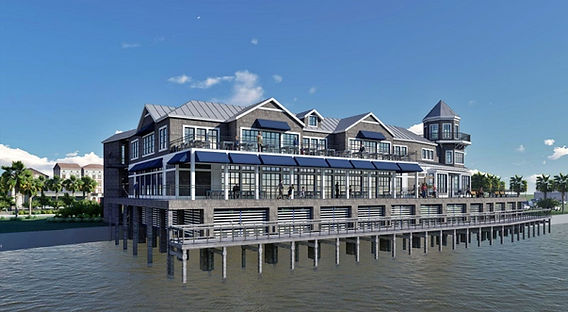
- A three-story modular building
- Approximately 24 to 32 units
- Studio apartments around 300 square feet
- Compact two-bedroom units around 500 square feet
- Shared laundry facilities
- Community gathering space
- Bicycle storage
- Limited parking
- Permanent affordability restrictions
This would not be luxury housing.
It would be practical housing for people who work in our community.
Who Could Live There?
Priority could be given to:
- Teachers
- School district employees
- Police officers
- Firefighters
- EMS personnel
- City employees
- Healthcare workers
- Hospitality employees
- Retail workers
- Other qualifying local workforce members
The goal would not be to create subsidized housing for everyone.
The goal would be to provide housing opportunities for people who contribute to the daily operation of our community but are increasingly priced out of the local housing market.
Keeping Costs Low
The largest cost in many housing projects is land acquisition.
In this case, the city already owns the land.
Rather than selling the property, the city could retain ownership and lease the development portion to a nonprofit or housing developer for a nominal amount such as $1 per year through a long-term ground lease.
Because the city would retain ownership:
- Public control remains in place.
- Affordability requirements can be enforced.
- Future speculation is prevented.
- The land remains a public asset.
Modular construction could further reduce costs and construction time.
The project could potentially be supplemented with state workforce housing programs, affordable housing grants, fee reductions, and other public-private partnerships.
Why Not Preserve Everything?
Some will argue that every square foot should remain untouched.
That is a valid perspective.
However, there is also a legitimate public interest in housing teachers, police officers, firefighters, and other essential workers within the community they serve.
If only the previously disturbed portion of the property is utilized and the environmentally sensitive portion is permanently protected through conservation easements or deed restrictions, both objectives may be achievable.
Why Not Let Voters Decide?
Fernandina Beach voters have consistently demonstrated a willingness to participate in important land-use decisions.
If city leaders believe this concept has merit, why not place it before voters?
A referendum could ask whether a limited portion of the disturbed area should be leased for workforce housing while permanently preserving the environmentally sensitive portions of the property.
If voters reject it, the answer is clear.
If voters approve it, the community gains an opportunity to address a growing workforce housing challenge without purchasing additional land.
So Why Won’t This Work?
That may be the wrong question.
The better question may be:
What specific reason prevents this from being explored?
The city owns the property.
Infrastructure already exists nearby.
The site is within walking distance of downtown jobs, schools, and government offices.
The environmentally sensitive areas can remain protected.
Teachers, first responders, and local workers need housing.
If the answer is “no,” the public deserves to understand exactly why.
And if there is no compelling reason it cannot work, perhaps the discussion should begin.
What I Would Propose for Fernandina
If I were designing the project concept for that parcel:
- City retains ownership
- 40-year ground lease at $1/year
- 30–36 modular units
- Mix of 300 sf studios and 500 sf one-bedroom/flex units
- Priority for teachers, police, firefighters, EMS, and local workforce
- Affordability covenant for 30–40 years
- Environmental portion permanently preserved
- Nonprofit or housing authority ownership of improvements
The developers I would contact first would be:
Of those, Southern Structures is probably the most interesting from a construction standpoint, while Affiliated Development is probably the most likely to know how to assemble the financing stack, grants, tax credits, and public-private structure needed to make rents genuinely affordable.
AI Disclosure: This article was prepared with the assistance of artificial intelligence based on publicly available information, local parcel mapping, and conceptual planning assumptions. It is intended solely as commentary and discussion. Property conditions, environmental status, legal restrictions, zoning requirements, development feasibility, construction costs, and voter approval requirements should be independently verified through professional engineering, environmental, legal, planning, and governmental review before any action is considered.