



More Parking Supply and Paid Parking Both Feed the Same Imbalance in Downtown Fernandina

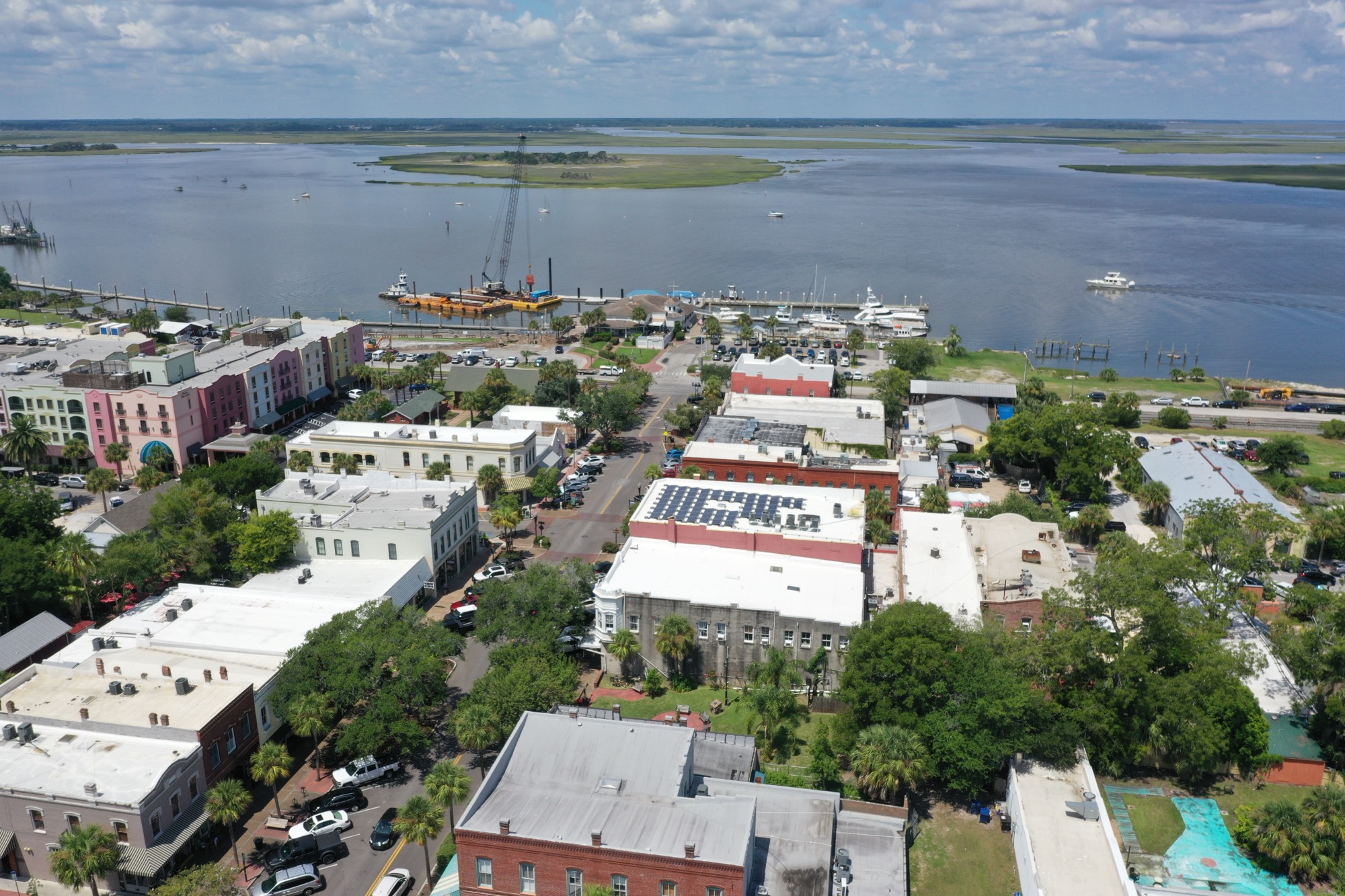
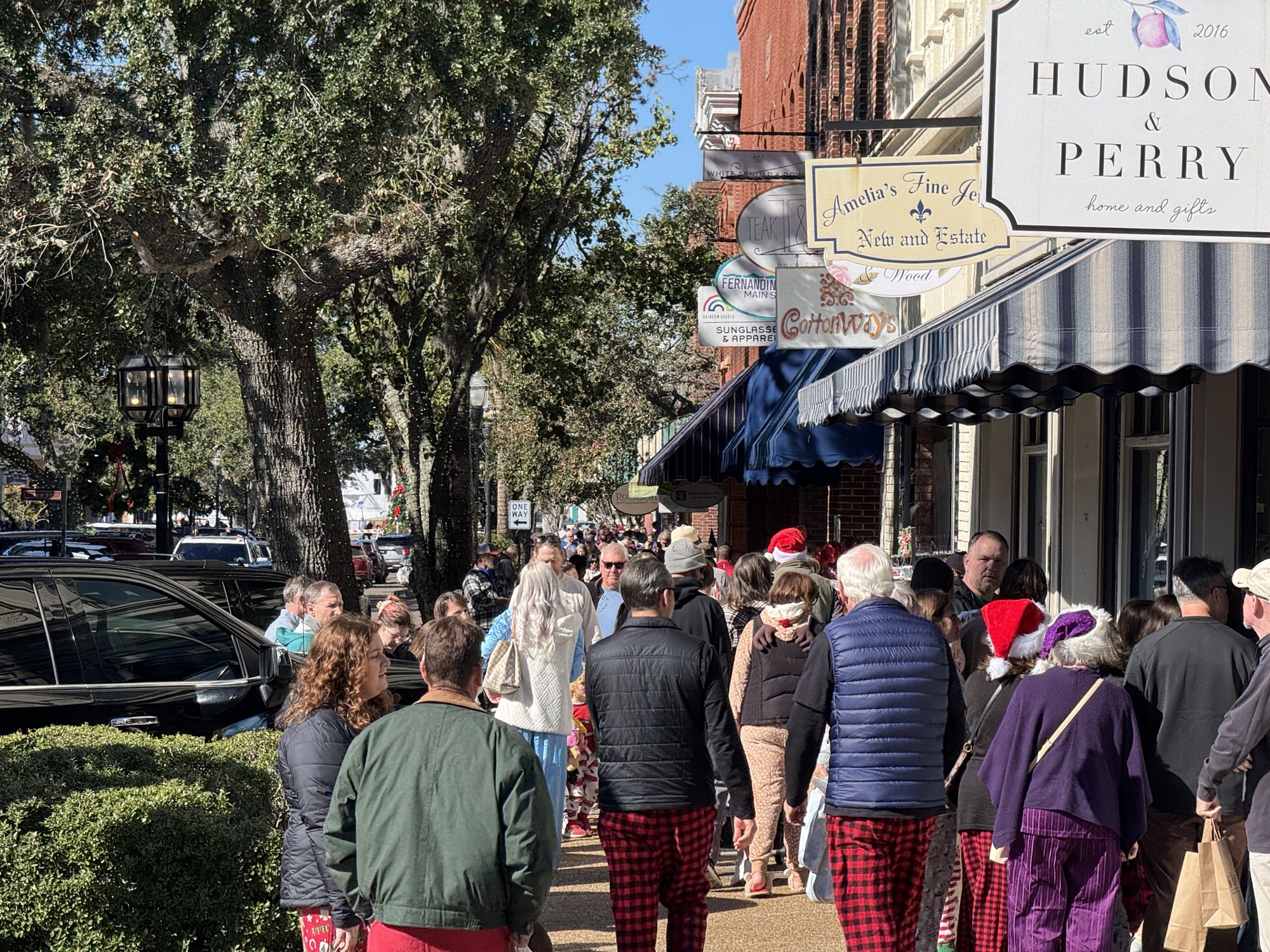
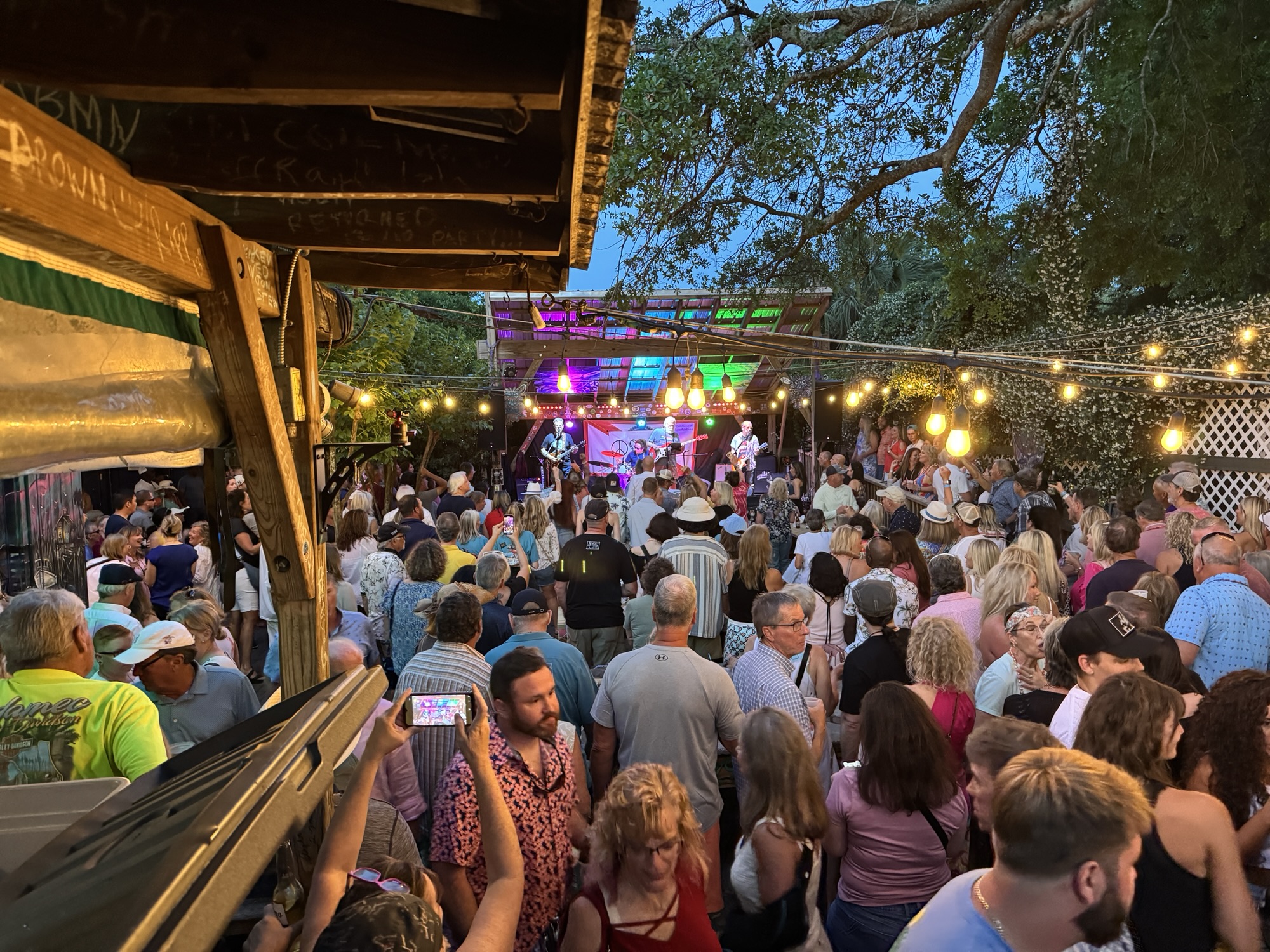
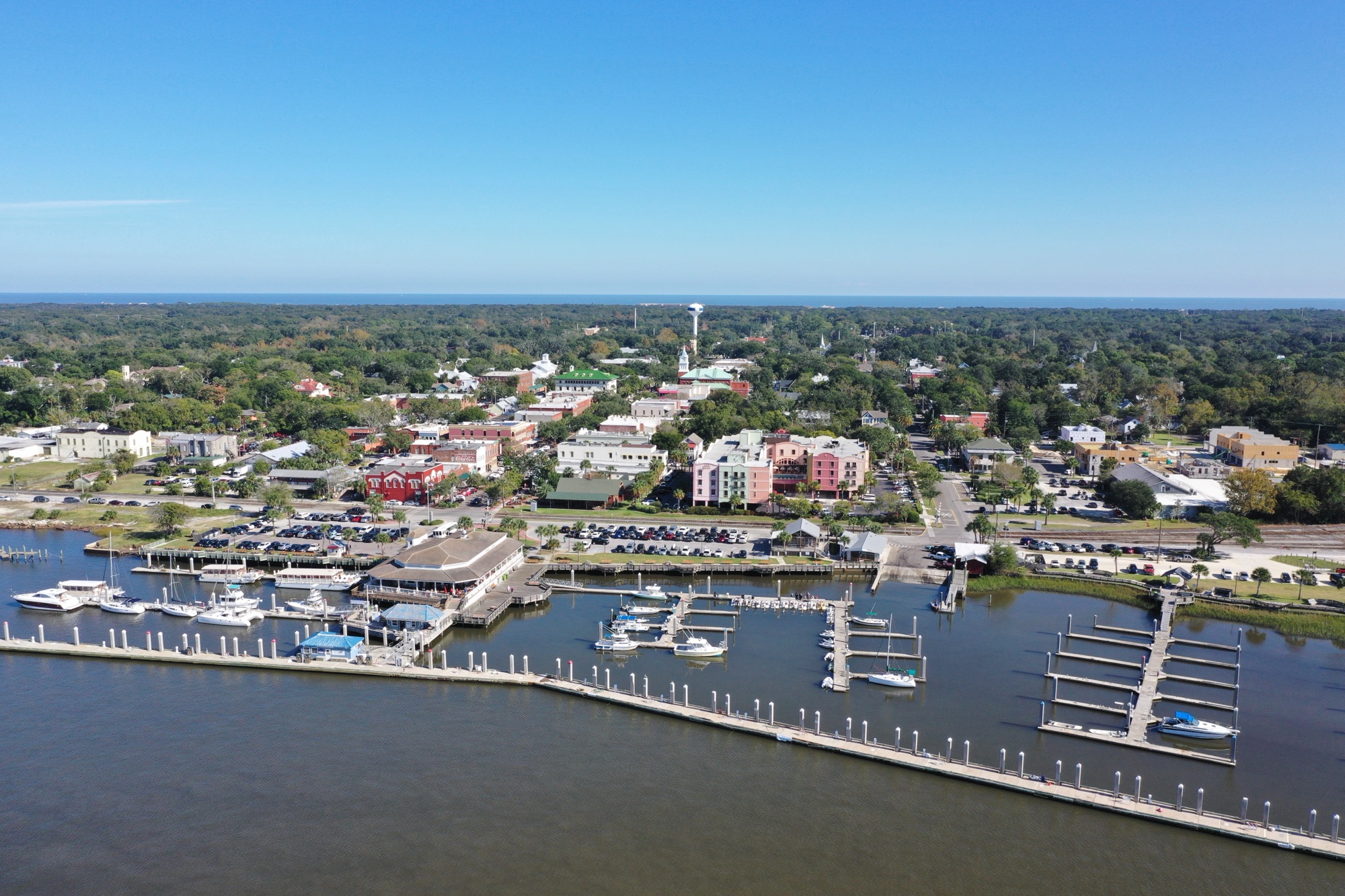
Downtown Fernandina already has strong potential for restaurants, bars, and events. The historic core along Centre Street and the blocks around it is compact, attractive, and limited by the waterfront and available land. The real issue is not simply a shortage of parking spaces. It is the concentration of similar uses that all hit their peak demand in the same narrow windows—evenings, weekends, and festival periods.
Adding more parking capacity does not fix that concentration. It enlarges it. Paid parking, while different in form, can produce a parallel effect by increasing turnover in ways that favor the same high-intensity uses and tilt the mix further toward tourism and away from everyday local use. Several projects already in the works make this clearer.
Restaurants, bars, and events share the same peak hours. They do not spread demand across the day the way offices, everyday retail, or residential uses would. When new spaces are created—whether surface lots, reconfigured streets, or a garage—the market responds. Property owners and operators see the added capacity and open or expand more of the same hospitality businesses. Peak demand rises with the supply. The “shortage” returns, only larger, because more people arrive at the same times for the same purposes.
This is induced demand applied to land use. Extra parking does not create balance. It enables further stacking of uses that compete for the same limited time slots. Daytime and mid-week local activity becomes less convenient or less appealing. Land that could support a broader mix of businesses gets locked into higher-turnover evening destinations. Over time the downtown functions less as a daily commercial center for residents and more as a specialized
entertainment and visitor district. Locals adjust by coming less often for routine needs or avoiding the heaviest periods. The character shifts, and the place grows more dependent on tourist volume.
In our tight historic fabric, with limited remaining public land and strong visitor interest, each round of added capacity tends to justify the next. The underlying imbalance grows while the downtown becomes harder to manage and less resilient.
Paid parking does not add physical spaces, yet it can act in a similar direction by raising the effective capacity for the uses that turn over fastest. When drivers pay by the hour, they have a clearer incentive to leave once their purpose is finished. Spaces recycle more quickly. That higher turnover multiplies the number of vehicles that can use the same limited inventory during peak periods.
Restaurants and bars benefit most. A party finishes dinner, pays, and departs; the next party arrives shortly after. The same physical spaces now support more covers in an evening than they would under free parking with longer average stays. In practice this functions like adding parking capacity specifically suited to hospitality demand. The system becomes more efficient for the very uses that already dominate the peaks.
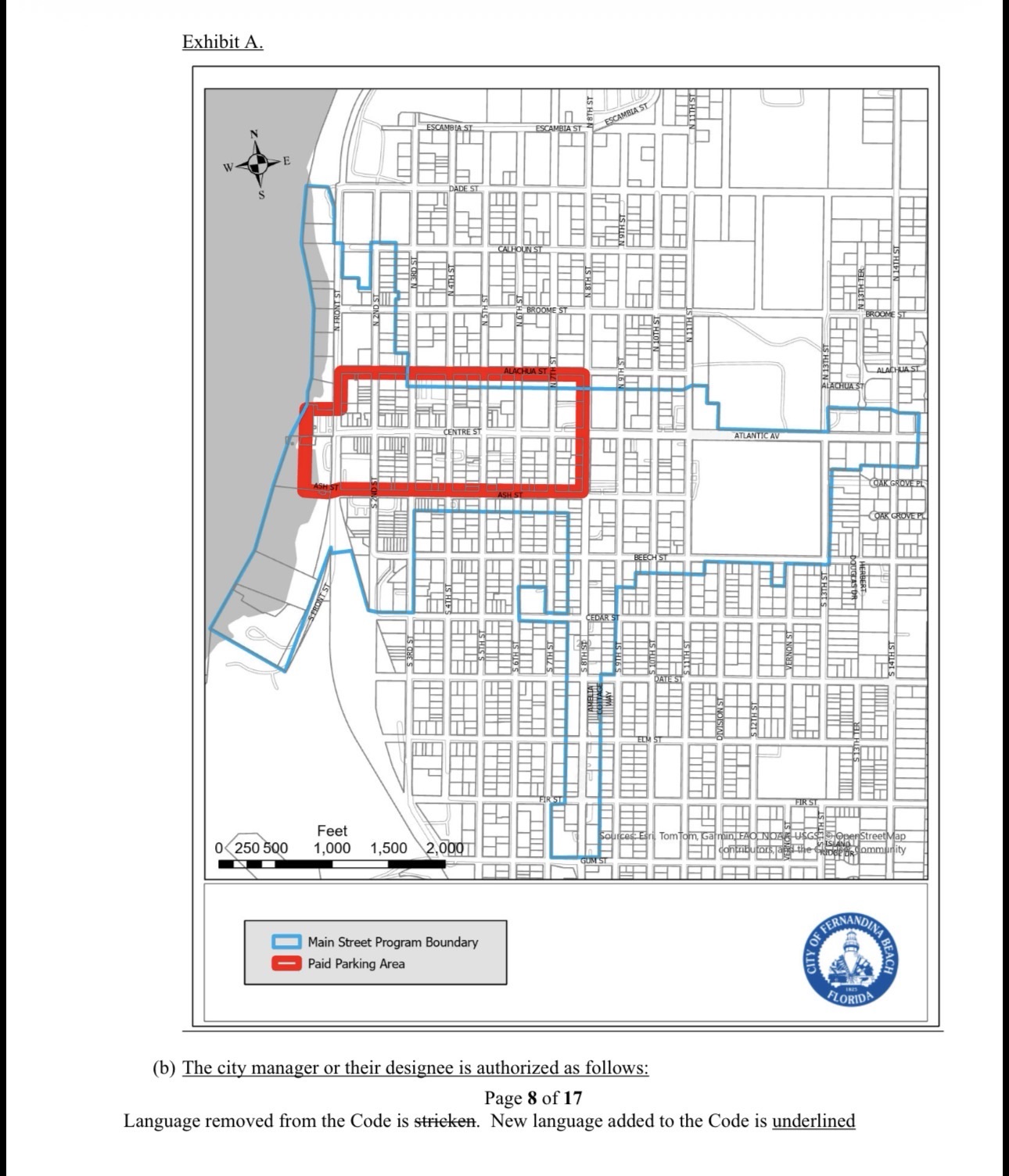
At the same time, the pricing structure can shift the user mix. City residents receive free or low-cost permits that soften the impact for locals. Non-residents and many visitors pay the hourly rate or purchase permits. Tourists who have already committed to a dining or event experience are generally more willing to absorb the cost as part of the outing. Some locals, even with permits available, may find the process or the overall atmosphere less inviting for casual or mid-week visits and reduce their frequency. Everyday errands and
lower-intensity local use face higher friction relative to destination dining and nightlife.
The combined result is a downtown whose parking system works more smoothly for high-turnover, tourism-oriented activity while the relative share of ordinary local use declines. The imbalance that extra supply would create through new development is partially replicated through more intensive use of the existing supply. The peaks grow taller in effective capacity for restaurants and bars; the broader mix of uses that would keep the place balanced and locally useful does not expand at the same rate.
Several specific sites and proposals show how this potential is already converting into additional restaurants, bars, lodging, and event space in the next few years—all of which will draw traffic into the same peak windows.
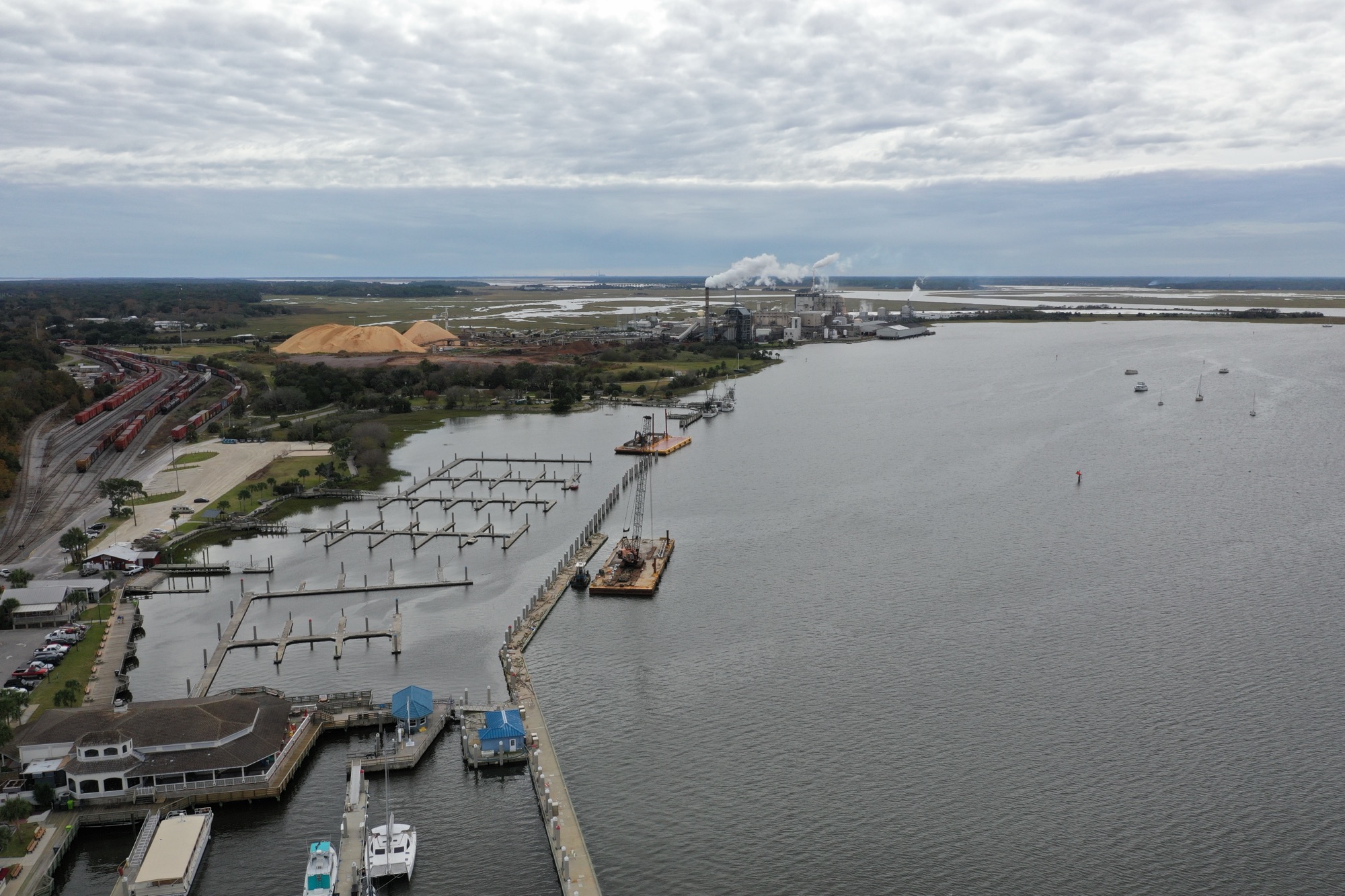
The Steve Simmons waterfront proposal (Amelia River Wharf / Riverside concept) targets the long-vacant parcel at roughly 0 North Front Street, immediately north of the former Brett’s site. Plans call for roughly 28,000 square feet of commercial space, including multiple restaurants, specialty retail, marina-related businesses, outdoor dining, and the possibility of 30–40 marina slips. The Historic District Council has already sent the initial design back for revisions over height and view-corridor issues, but the project remains active. When realized, it will add substantial new evening and weekend seating and activity right on the riverfront.
The old Standard Marine building at North Second and Alachua is under restoration with plans for a boutique hotel (at least 10 rooms), a restaurant, a coffee shop, and a rooftop venue offering water views. Once construction moves forward, the mix of overnight lodging plus food and drink will generate both daytime and peak-period parking demand in a location tightly connected to the historic core.
The pocket park site on Centre Street has seen conceptual plans for a new building approved by the Historic District Council. Redevelopment of that small but prominent parcel into active commercial use will further intensify activity along the main pedestrian spine.
The Amelia Tavern location (the former Amelia Island Brewing Company / The Tavern by AIBC at Fourth and Centre) closed in late 2025 and is being reimagined. A return of restaurant or bar use in that
high-visibility corner will restore and potentially expand a major evening draw.
The old Marina Restaurant location and the broader marina
redevelopment add another layer. Brett’s Waterway Café is being demolished as part of the city’s large marina reconstruction project (demolition expected later in 2026, with major work continuing into 2027). While the immediate footprint is shifting toward improved public waterfront access, pier, and marina operations rather than a direct restaurant replacement, the upgraded waterfront will support higher overall activity and visitor volume. Separately, the second part of the Tigre Island Room (the historic building at 10–12 North Second Street) is being converted into a bar and live-music / concert venue. That entertainment use will concentrate evening and weekend crowds in the same compact district.
Taken together, these projects—multiple new or returning restaurants, a boutique hotel with rooftop dining, a music venue, additional retail and marina-related activity, and intensified waterfront
access—represent a significant increase in peak-period parking demand. Even conservative estimates for seating, hotel occupancy, event capacity, and associated staff and visitor traffic point to dozens to well over a hundred additional vehicles competing for spaces during the same Friday–Sunday evenings and festival windows that already strain the core. None of these uses spread demand evenly across the week; they reinforce the existing stack.
Whether through physical expansion of parking or through pricing that accelerates turnover, the pressure runs in the same direction: more capacity and efficiency for the concentrated evening uses, greater tourism intensity, and a gradual reduction in the everyday local character of the core. The projects already advancing simply accelerate that trajectory. Rents and business models adapt. The downtown becomes more of a destination product and less of a shared community asset. Calls for still more capacity or further management adjustments return whenever the new peaks feel strained.
Fernandina’s historic downtown has always balanced visitor appeal with local life. Protecting that balance requires recognizing that both more parking supply and higher-turnover pricing can feed the same concentration of restaurants, bars, and events—especially when multiple new hospitality and entertainment projects are already moving forward. Managing existing spaces thoughtfully, preserving a genuine mix of uses, and accepting some peak friction are often healthier long-term choices than continually expanding the capacity that the peaks can absorb. The alternative is a downtown that works better for the busiest evenings and the visitors who fill them, while serving local residents less well on ordinary days.
Parking is often treated as the limiting factor, the bottleneck that must be removed so businesses can thrive. In reality, for a compact historic downtown already weighted toward restaurants, bars, and events, parking functions more as a natural governor than as a pure constraint. It is one of the few remaining forces that still imposes some limit on how much simultaneous peak demand can stack in the same place at the same times.
If we stopped interfering—neither expanding supply through new lots or garages nor optimizing turnover through aggressive paid systems that primarily serve the highest-intensity users—the market and the physical limits of the place would continue to sort themselves. Some proposed restaurants or venues might scale back, delay, or choose different concepts when the parking reality becomes clear. Existing operators would feel the friction of crowded peaks and adjust hours, capacity, or marketing accordingly. Locals who value easier access for everyday use would continue to show up in the quieter windows, reinforcing a broader mix of businesses rather than pure destination dining and nightlife. Visitors would still come, but the volume at the absolute peaks would be tempered by the difficulty of finding a convenient spot.
That is not a call for neglect or for ignoring genuine safety and access issues. It is an argument that deliberate efforts to “solve” parking often remove the very feedback that keeps the downtown from tipping further into monoculture. The best case for restraint is simply this: the current level of friction already contains useful information. Interfering to eliminate that friction does not create balance; it removes one of the last practical checks on the
concentration of similar uses. Allowing the place to feel its own limits, rather than continually engineering around them, remains the stronger path toward a downtown that stays useful to residents while still welcoming visitors.
This post was prepared with AI assistance for research, fact-checking, and initial drafting.

