

Fernandina Beach’s Paid Parking Gamble: When “Progress” Threatens the Charm That Pays the Bills
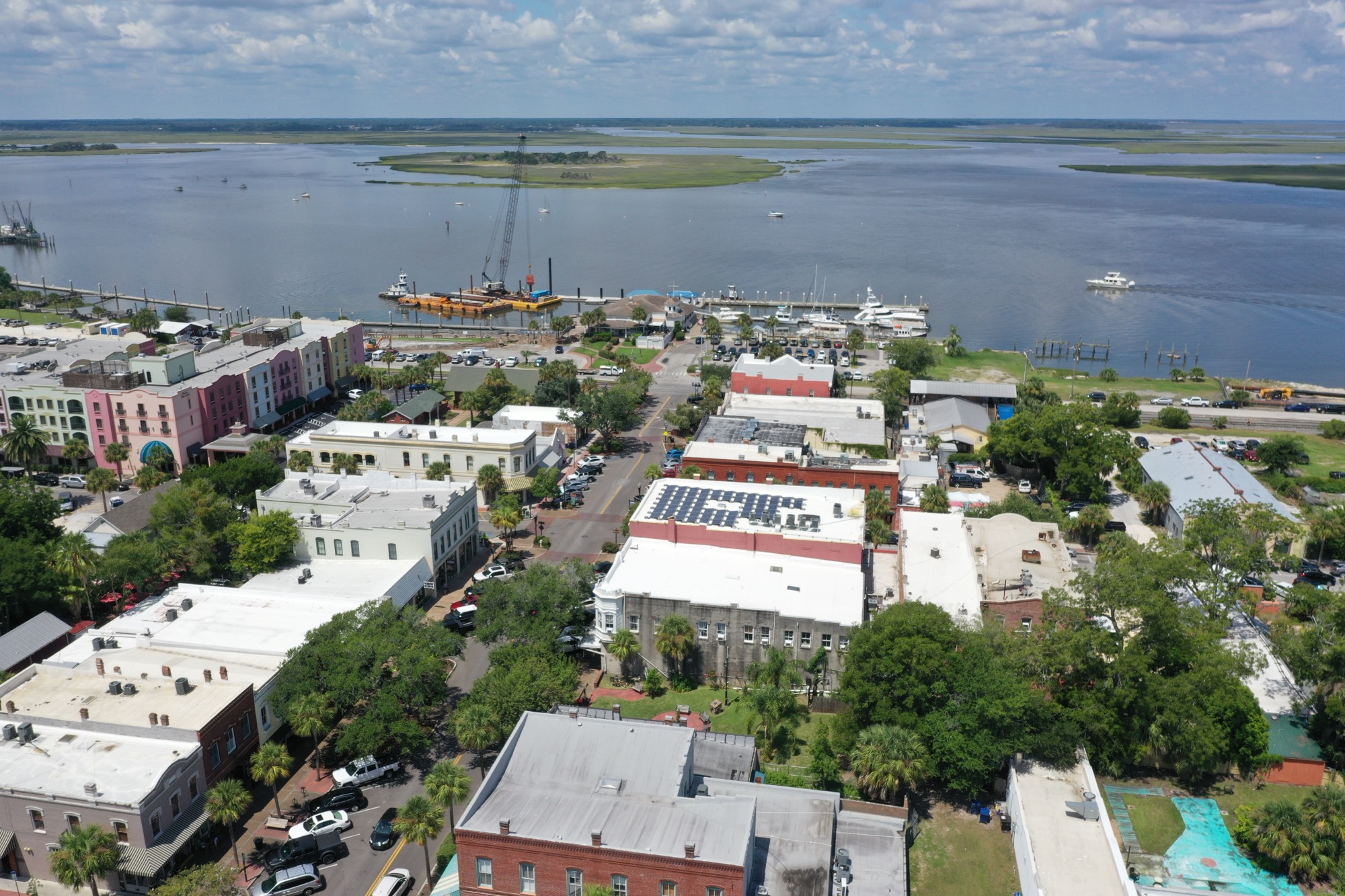
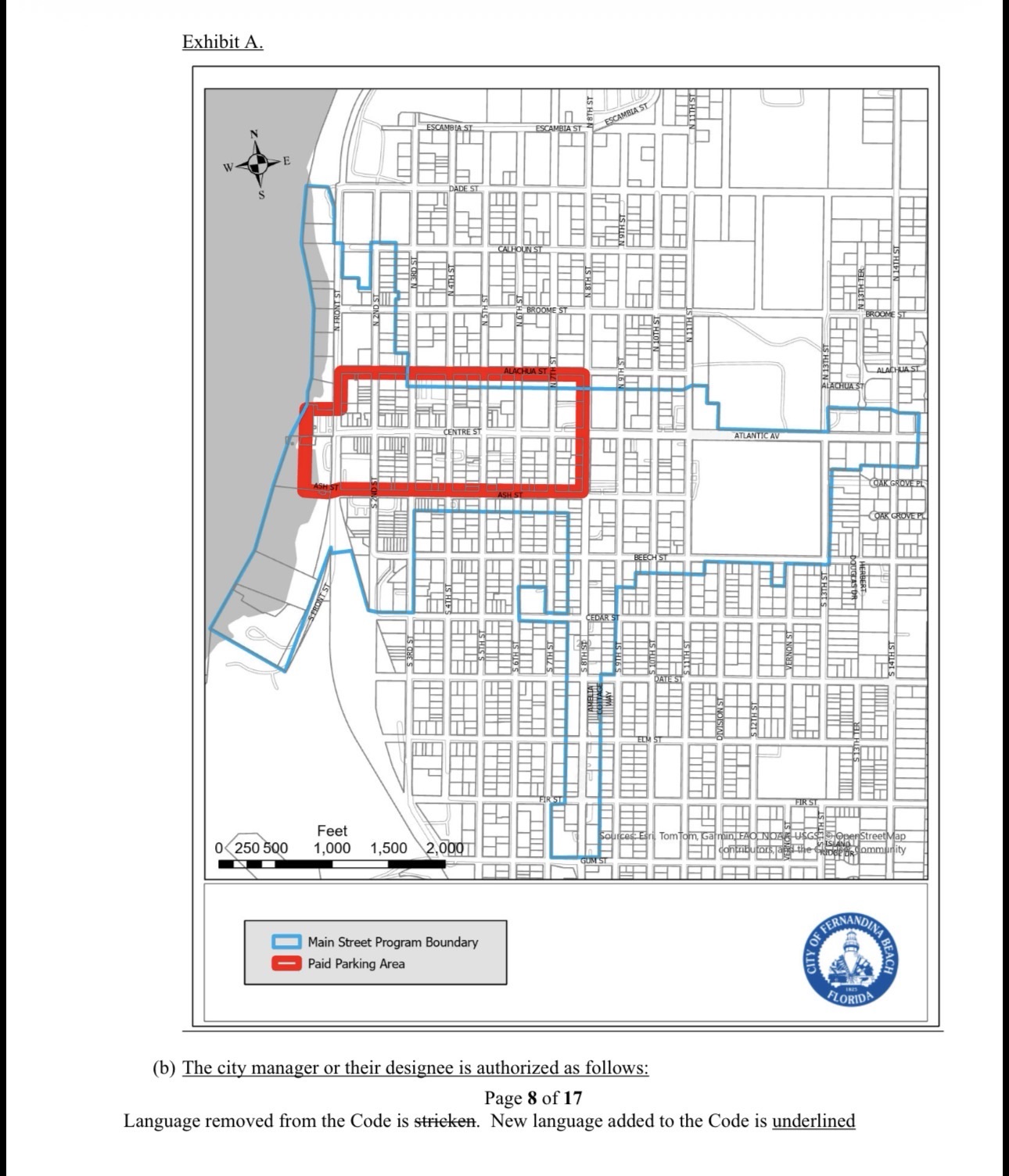
In the heart of Fernandina Beach’s historic district, something fundamental shifted on February 16, 2026. For the first time, visitors and locals alike had to pull out their wallets just to park along Centre Street or in the surrounding lots. City leaders sold it as a necessary step—generating revenue for seawalls, sidewalks, and infrastructure upgrades in a town bursting at its charming seams. But nearly four months later, the early returns tell a different story: one of frustrated business owners, deterred day-trippers, and a growing sense that the city traded its greatest asset—easy, welcoming access—for a revenue stream that may never fully compensate for the goodwill lost.

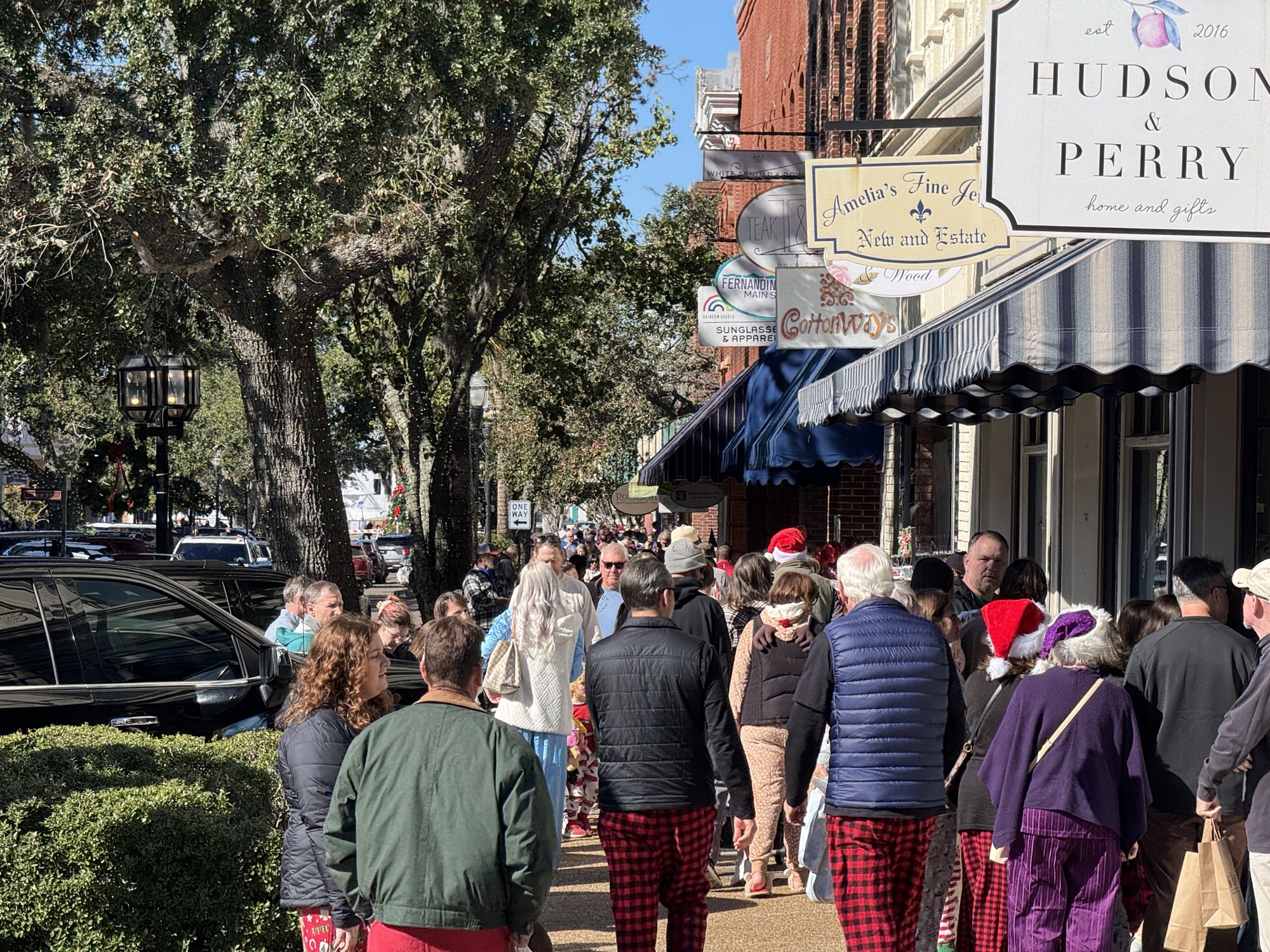
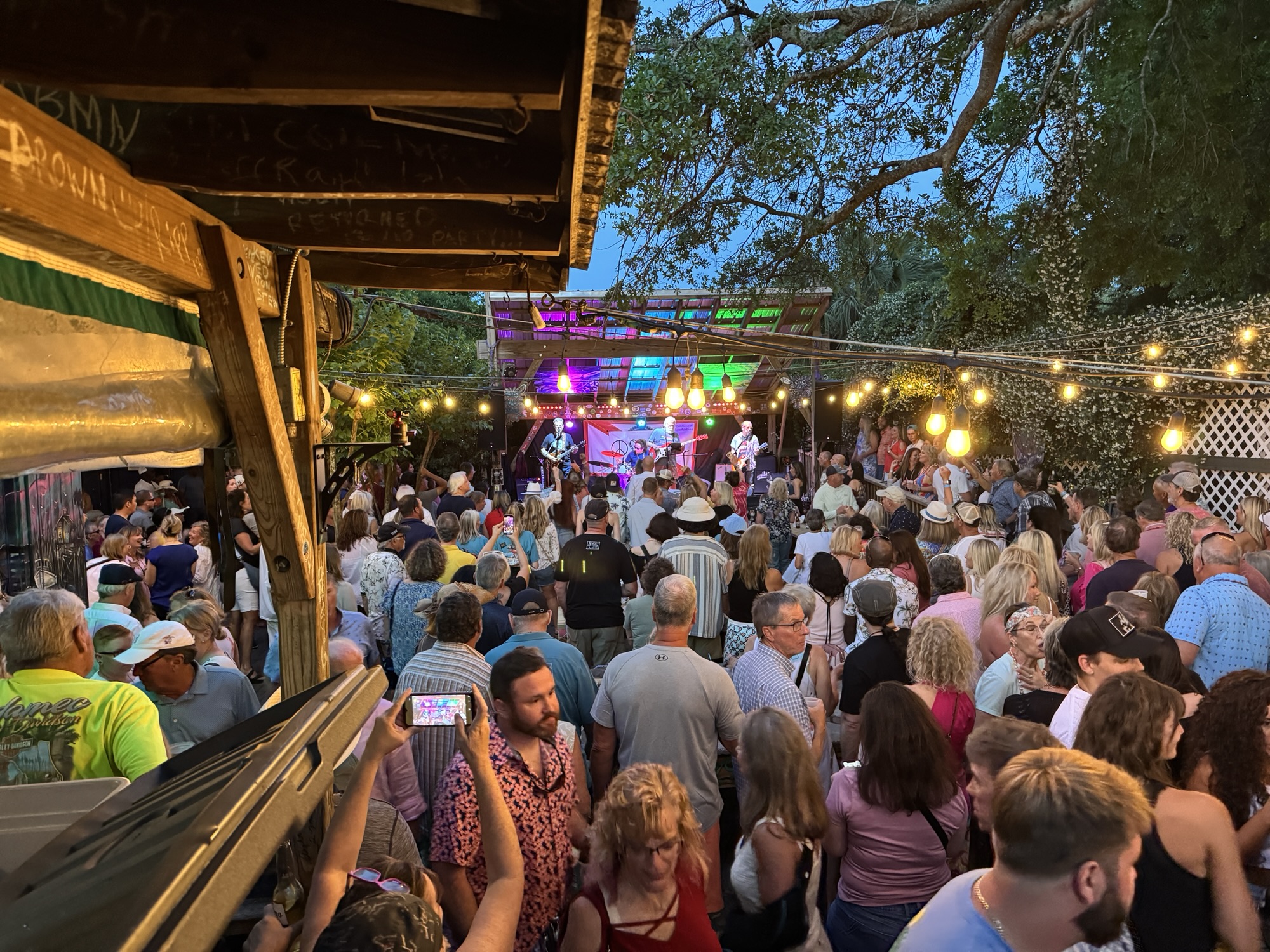
The opposition was never subtle. Business owners plastered windows with “No Paid Parking” signs. Petitions gathered thousands of signatures. Residents packed meetings and launched recall efforts against commissioners who pushed it through. Their fear was straightforward: adding friction to a spontaneous, drive-up experience would hurt the very shops, restaurants, and events that make downtown Fernandina magical. Anecdotal reports from the streets suggest those fears are materializing—fewer impulse stops, complaints about “a layer of stress” for visitors, and some locals choosing to shop or dine elsewhere where parking remains free.
Broader tourism context
Look at the broader tourism numbers for context. Nassau County’s 5% Tourist Development Tax (bed tax) collections grew modestly in FY2025, reaching just under $12 million—a 3.9% increase over the prior year. That’s not collapse territory. Tourism still drives a massive share of the local economy. Yet forward-looking data paints a picture of softening demand entering 2026. Advance bookings and occupancy trends were already lagging behind 2024 and 2025 levels by late last year. Officials warned of lost momentum well before paid parking launched.
This suggests downtown Fernandina isn’t suffering in a vacuum. Broader headwinds—post-pandemic normalization, selective consumer spending, and an island bumping against its physical limits—are real. Amelia Island has enjoyed strong recovery years; a plateau was perhaps inevitable.
But here’s the uncomfortable truth: paid parking arrived at exactly the wrong moment, amplifying those pressures specifically on the historic district. Overnight lodging guests might absorb the cost as part of a planned trip. Day visitors and Nassau County locals—the lifeblood of retail foot traffic—feel it differently. They come for a quick coffee, browse, or lunch without planning around meters or apps. When that ease disappears, many simply go elsewhere. Early parking revenue has trailed optimistic projections, hinting that fewer people are parking (and spending) downtown than hoped.
Policy vs. reality
City officials argue paid parking improves turnover and funds critical needs without raising taxes on residents. Fair points in theory. In practice, it risks eroding the informal, accessible vibe that distinguishes Fernandina from more commercialized coastal spots. Small historic districts thrive on charm and convenience, not barriers. Similar experiments elsewhere have shown mixed results: better parking availability for some, but lost impulse visits and sales for many retailers.
The data doesn’t yet deliver a smoking gun—comprehensive post-launch sales figures for downtown businesses remain elusive. Yet the visible discontent, combined with already cooling tourism indicators, makes a compelling case. The drop in historic district energy isn’t purely a “general” tourism slowdown. Paid parking is a policy choice that directly adds cost and hassle to the exact customer segment most sensitive to it.
Fernandina Beach stands at a crossroads. An August referendum could reverse course. In the meantime, leaders should listen closely to those on the front lines—the business owners watching their foot traffic dwindle. Infrastructure matters, but so does preserving the welcoming soul of a small-town gem. Chasing revenue at the expense of the experience that generates it is a shortsighted bargain. The historic district didn’t need fixing; it needed protecting.