





Florida Tourism: Growth Without Guardrails
The problem is not that people want to visit Florida. The problem is that the system designed to attract them contains almost no built-in incentive to measure quality of life for full-time residents and voters — a very different metric than the things a tourist would choose.

Florida’s Tourist Development Tax, authorized under Section 125.0104 of the Florida Statutes, requires counties to spend at least 40 percent of the revenue on promotion and advertising. In practice the share often runs far higher. The tax is levied on short-term lodging and funnels hundreds of millions of dollars each year into marketing campaigns whose primary success metric is more visitors. More overnight stays generate more tax revenue, which funds more marketing, which produces still more overnight stays. The flywheel spins efficiently toward volume.
That volume has delivered real results. Florida welcomed a record 143.3 million visitors in 2025. Out-of-state visitors spent roughly $135 billion in 2024, generating $133.6 billion in total economic impact, supporting 1.8 million jobs, and producing $33.6 billion in federal, state, and local taxes. Those tax dollars save the average Florida household nearly $2,000 a year. Tourism remains one of the state’s largest and most reliable economic engines.
Yet the same structure that powers this success creates little formal reason to ask whether the growth is sustainable or whether it improves the daily lives of the people who live here year-round. The law prioritizes promotion. Infrastructure, beach capacity, traffic systems, workforce housing, and environmental carrying capacity compete for whatever is left after the marketing budgets are filled. Recent legislative efforts have sought greater flexibility to direct a larger share of these dollars toward capital projects that serve both visitors and residents, but the default setting remains expansion.
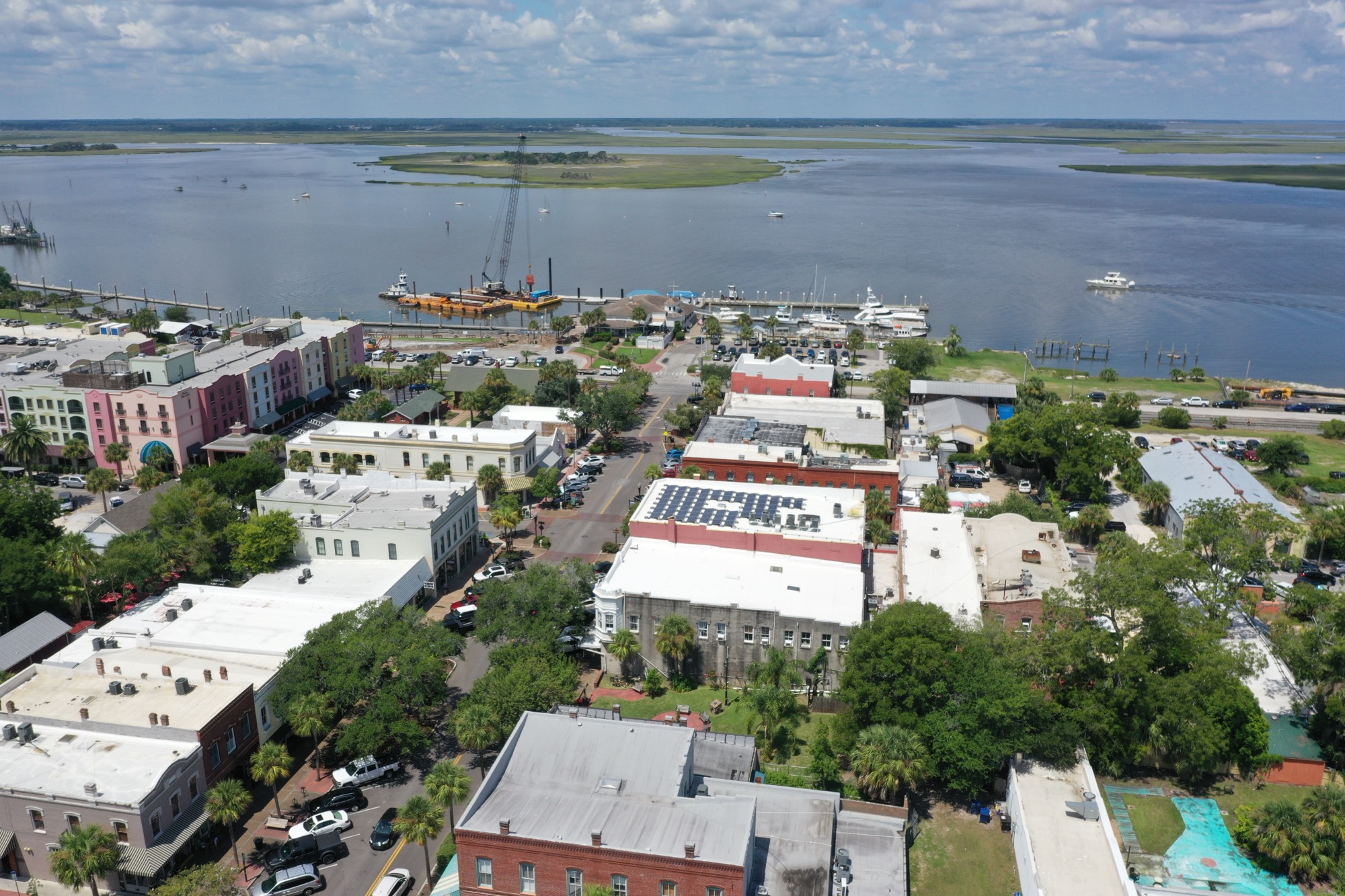
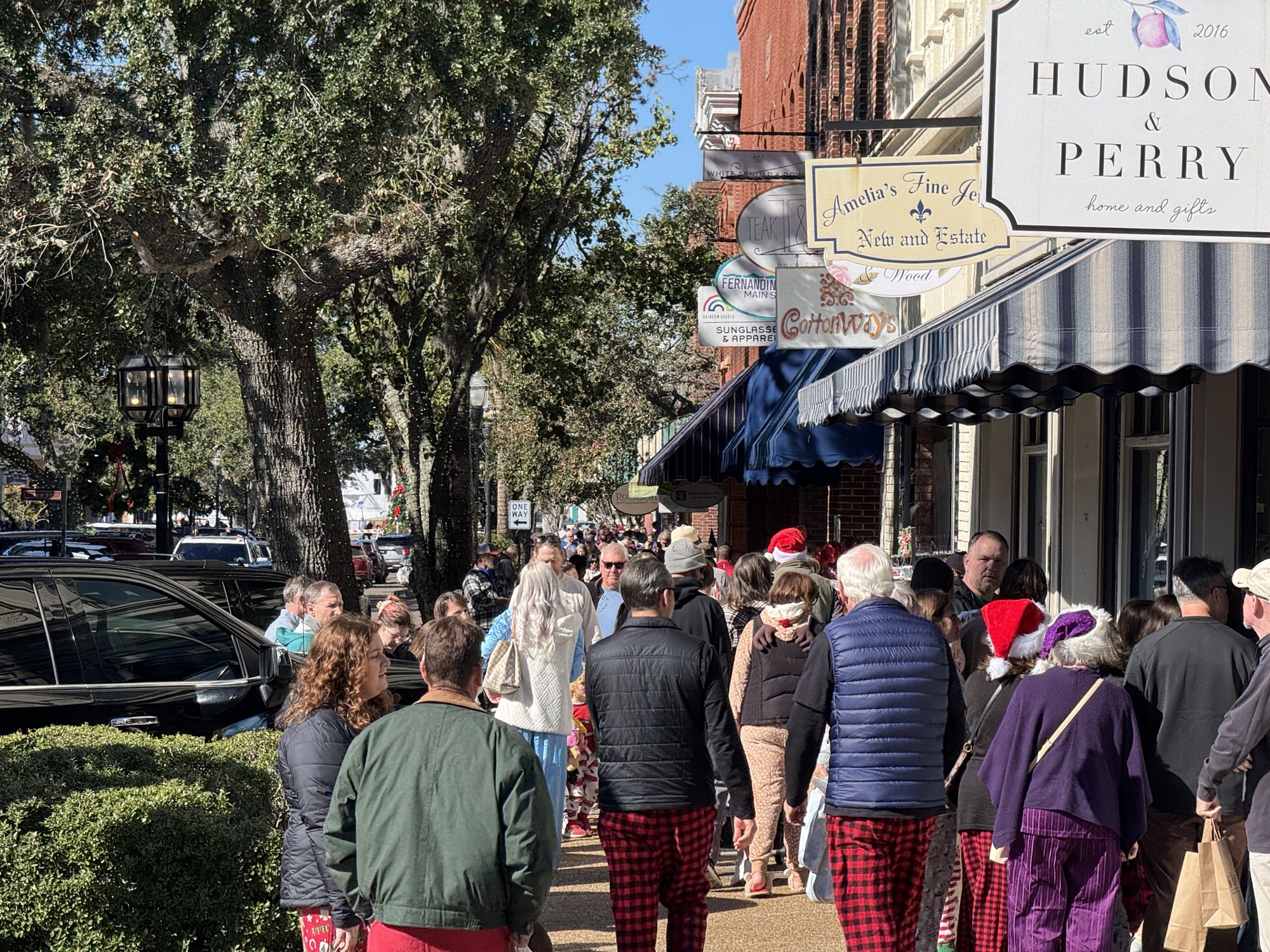
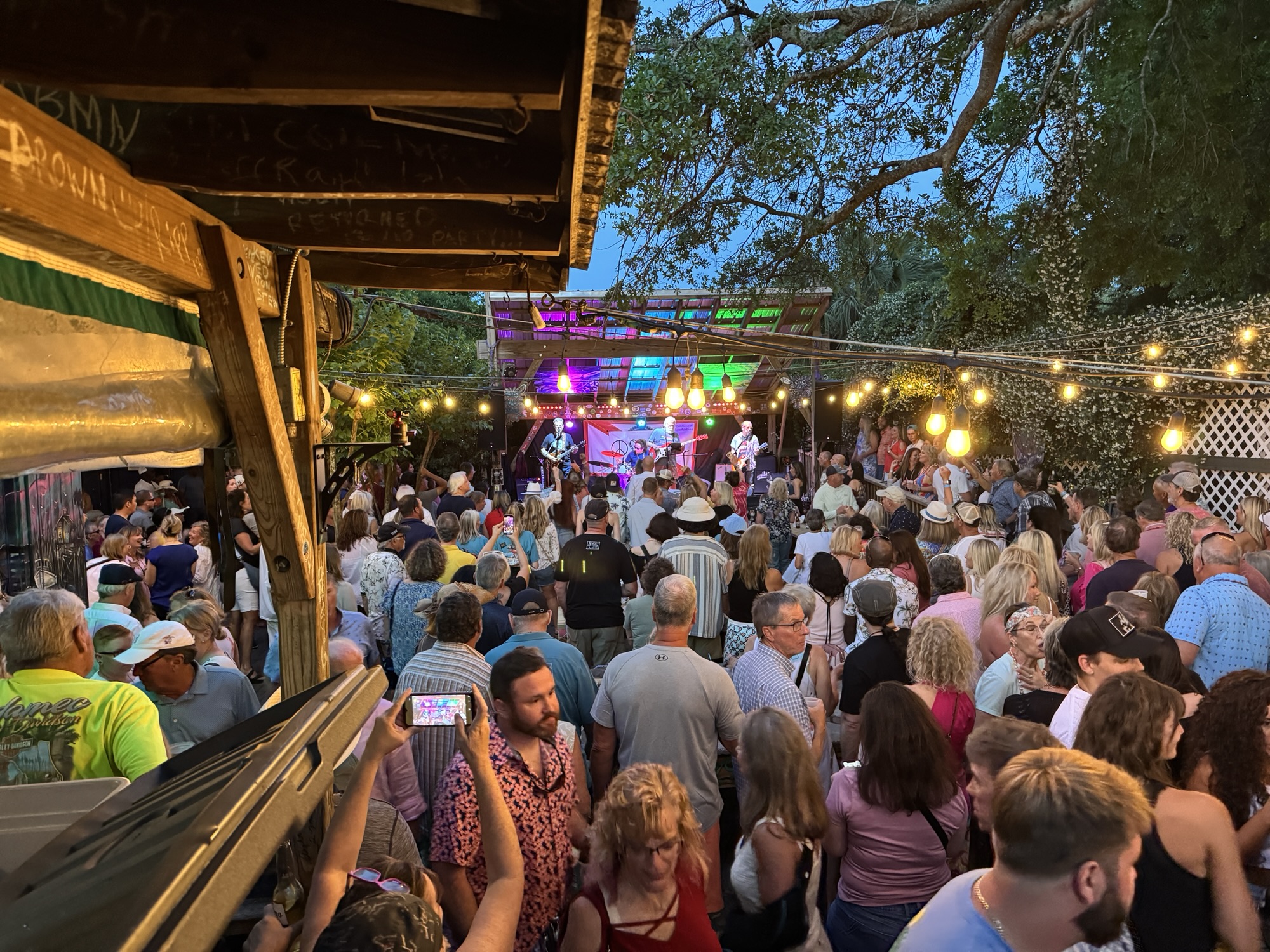
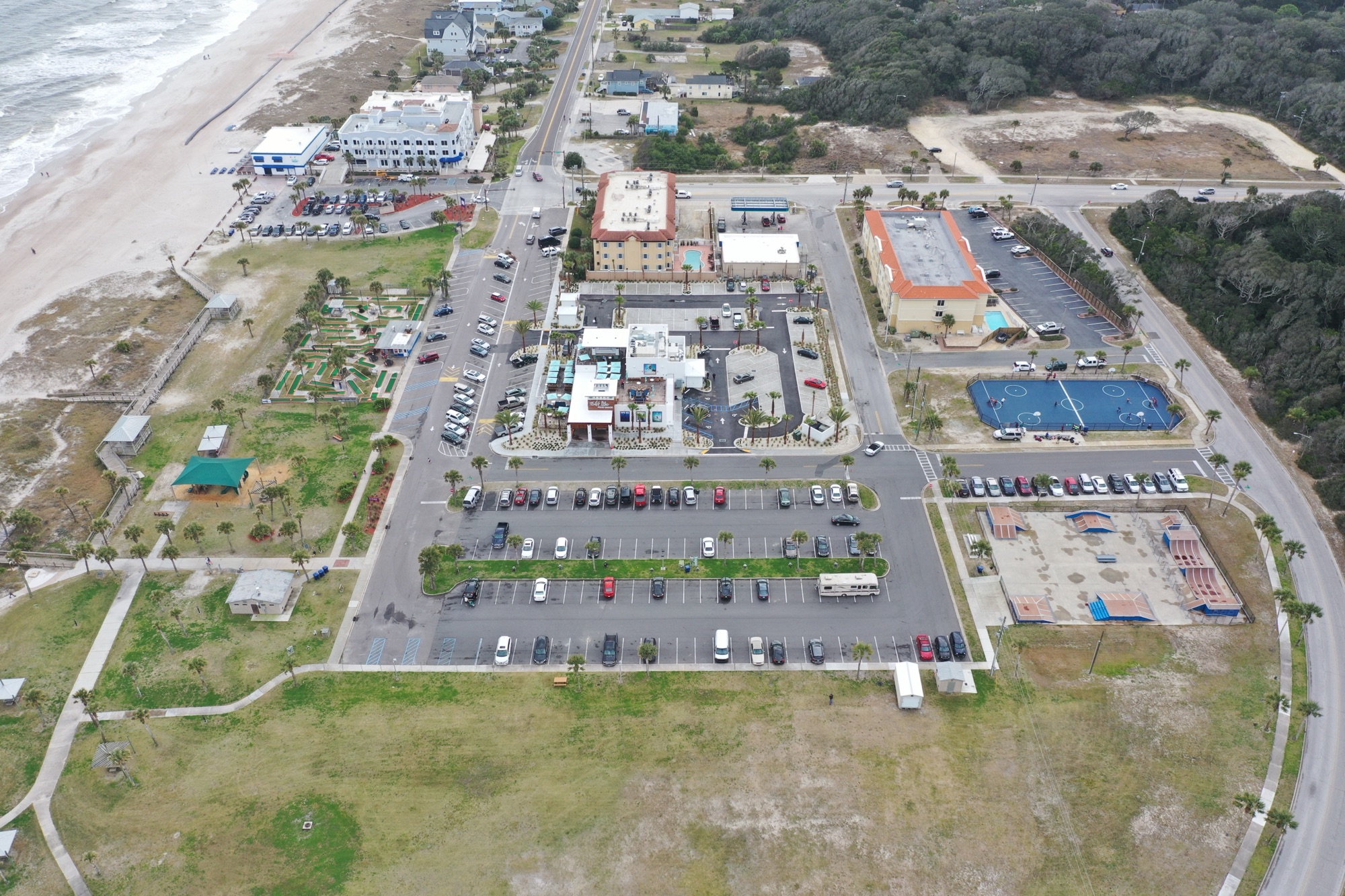
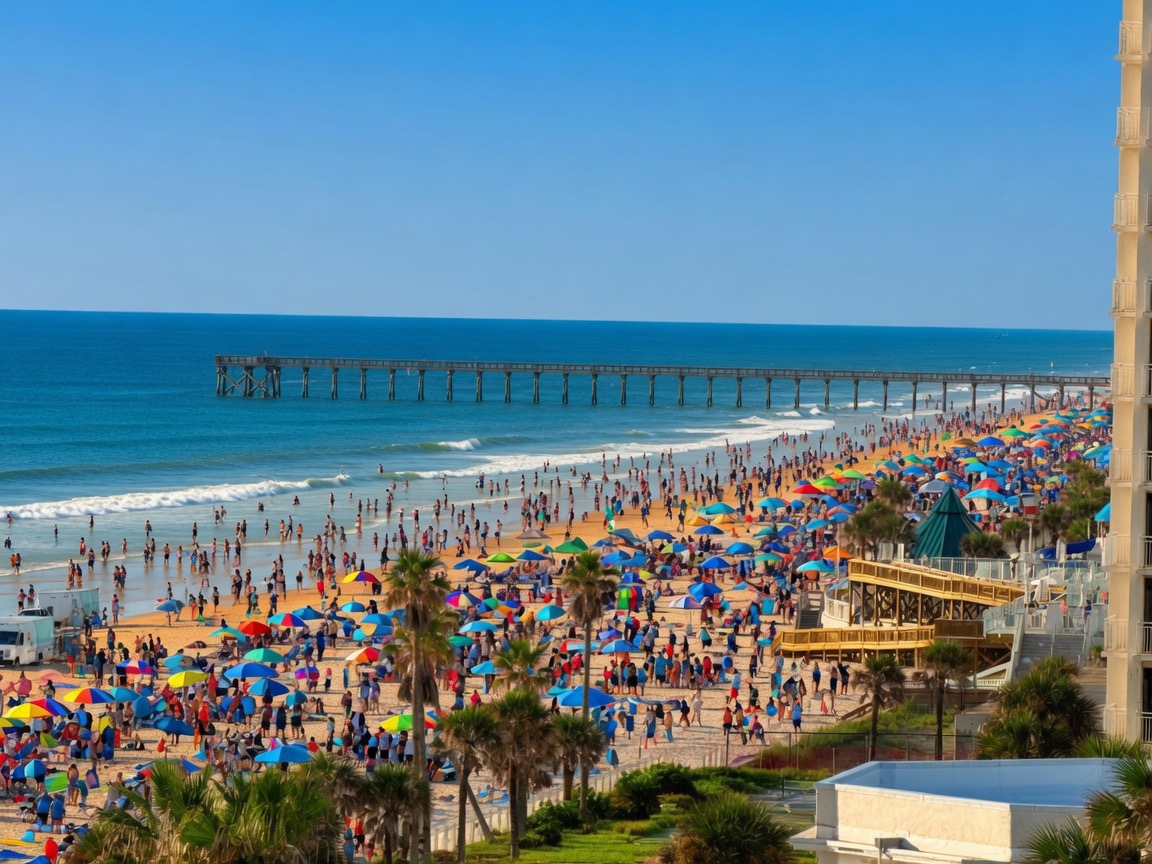
Anyone who has sat in gridlock on a coastal highway on a Saturday, watched a once-quiet beach turn into a parking lot by mid-morning, or seen housing costs climb beyond the reach of the people who staff the hotels and restaurants already understands the distinction between growth and quality of life. Over-tourism pressures appear across the state—from theme-park corridors to barrier islands to historic downtowns—manifesting as congestion, environmental strain, and rising resident frustration. The marketing machine continues to sell the same promise of open beaches and relaxed Florida living even as the physical reality in peak periods increasingly contradicts it.
As someone who has spent decades observing Florida’s real-estate markets and local governance, I have watched this dynamic play out in cycles. Tourism’s benefits are genuine and widely shared. What is missing is any structural incentive that rewards destinations for protecting the quality of the experience rather than simply maximizing the number of people who experience it. Until the funding rules themselves begin to value carrying capacity, resident quality of life, and long-term product integrity alongside head counts, the system will keep doing exactly what it was built to do: grow for growth’s sake.
