











A County Charter in Theory vs. Reality in a Small County
The idea of a county charter is usually framed as empowering. Supporters talk about “home rule,” local control, and giving voters a stronger voice. In theory, it sounds like democracy brought closer to home. In practice—especially in small counties—the reality is often very different.

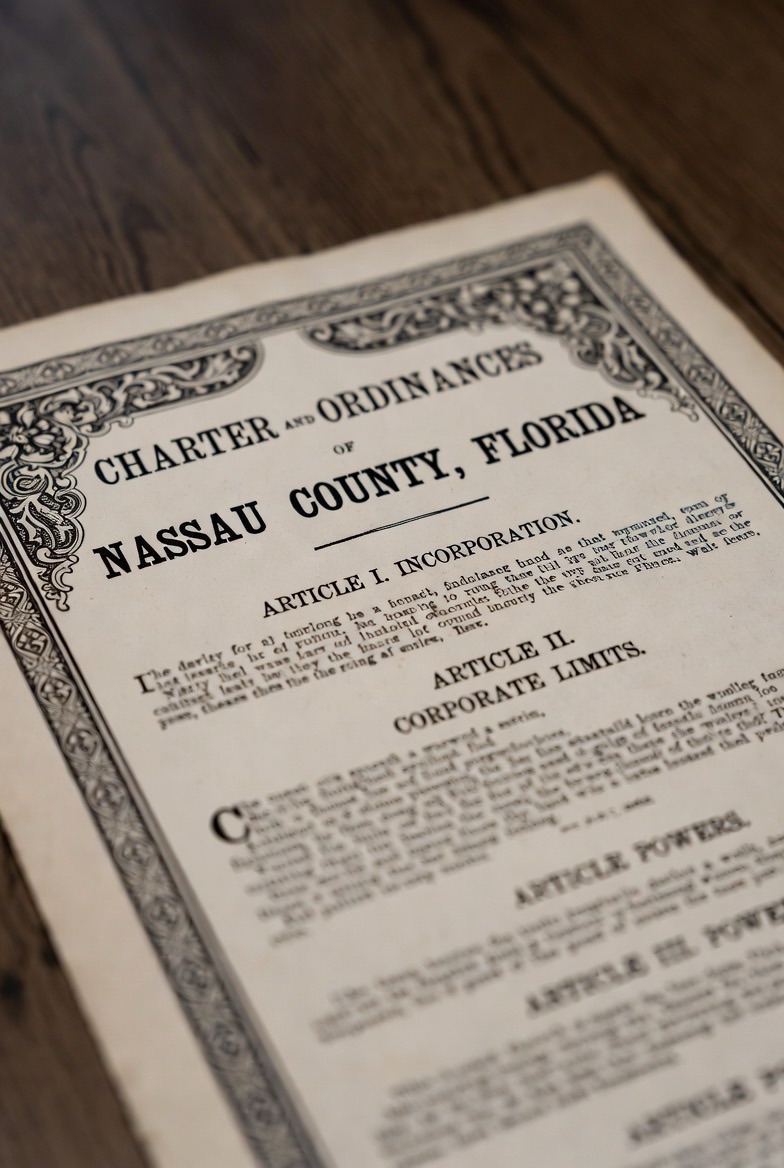
Nassau County already has home rule authority under Florida law. As a non-charter county, it can pass ordinances, manage departments, adopt budgets, and govern local affairs without seeking state approval for routine decisions. A charter does not create authority out of thin air. What it does is restructure how that authority is exercised—and who benefits from that structure.
Charters are often sold as voter-driven documents, but they rarely originate that way. They are typically drafted by small committees, attorneys, consultants, and politically connected insiders. Voters encounter the finished product only at the end, presented as a single up-or-down choice. Once adopted, charters are difficult and costly to amend. What was promoted as flexibility becomes rigidity. What was framed as empowerment becomes permanence.
This matters far more in small counties than in large metropolitan ones. Nassau is not a place with dozens of media outlets, layers of watchdog groups, or constant civic scrutiny. It is a community where relationships overlap, the same names circulate through boards and committees, and participation pools are limited. In that environment, a charter can unintentionally hard-wire influence for a small group that understands the system and knows how to navigate it.
One of the clearest examples of this risk is the role of advisory boards. Charter governments rely heavily on appointed boards and committees to shape policy, guide staff, and provide political cover for elected officials. In theory, these boards bring expertise and community input. In reality, they often become gatekeepers.
There is a quote that has circulated locally for years, attributed to a past or present commissioner, though rarely said publicly:
“If you want something, get on one of the advisory boards…”
That mindset reveals the problem. Advisory boards should not be vehicles for access or leverage. They should not be places people seek out to advance a preferred outcome. When board membership is treated as a way to “get something,” the board’s integrity is already compromised. That is precisely when you do not want someone on a board.
In small charter governments, advisory boards can wield significant influence over land use, development, historic preservation, procurement, and long-range planning. When those boards are populated by people with vested interests—or by the same small circle repeatedly rotated through appointments—the process becomes predictable. Dissent fades. Recommendations align. Public input is filtered. The appearance of process remains, but the substance erodes.
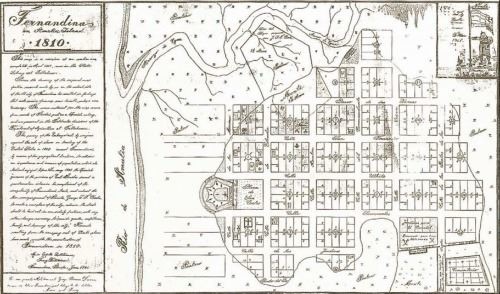
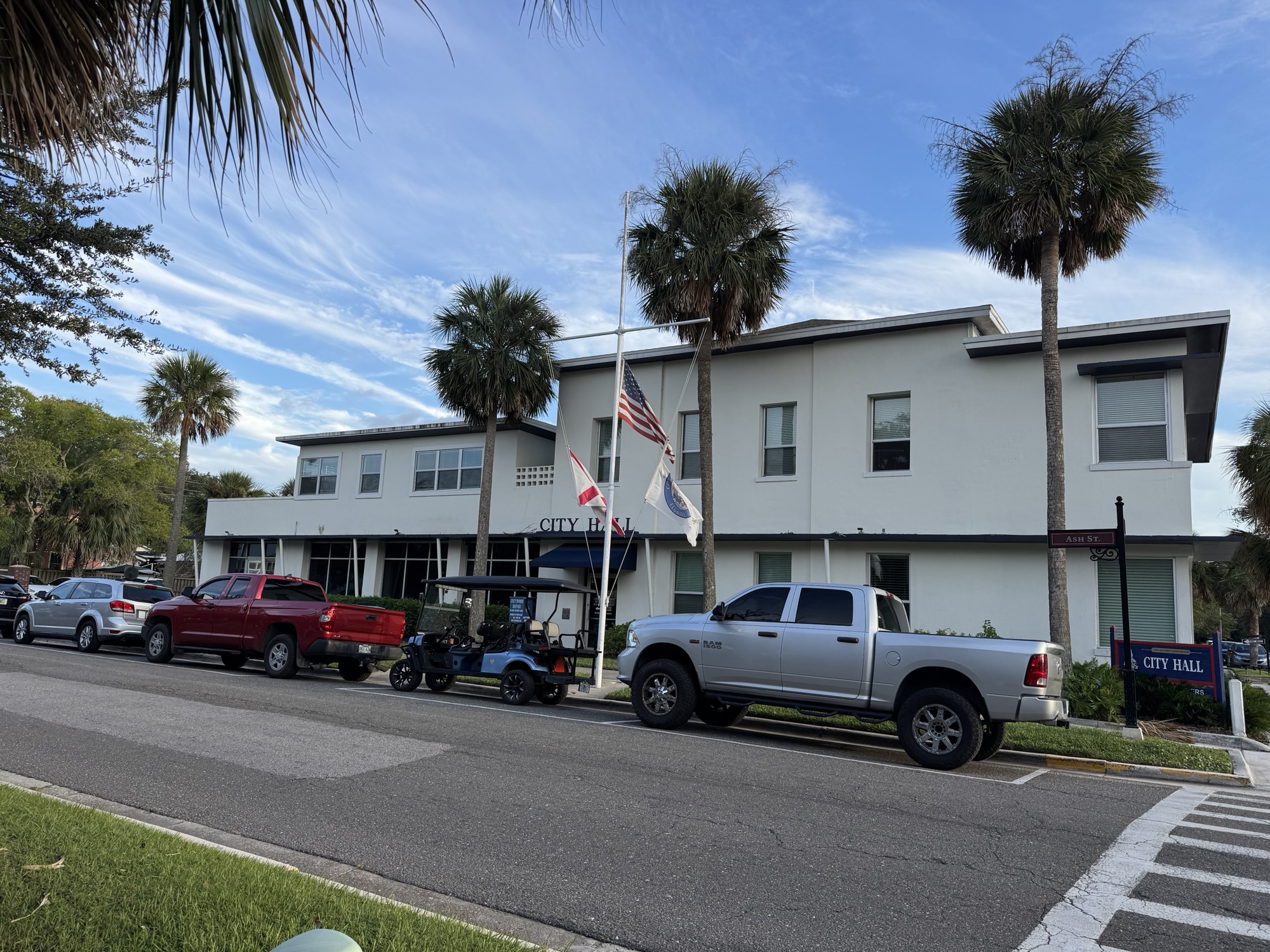
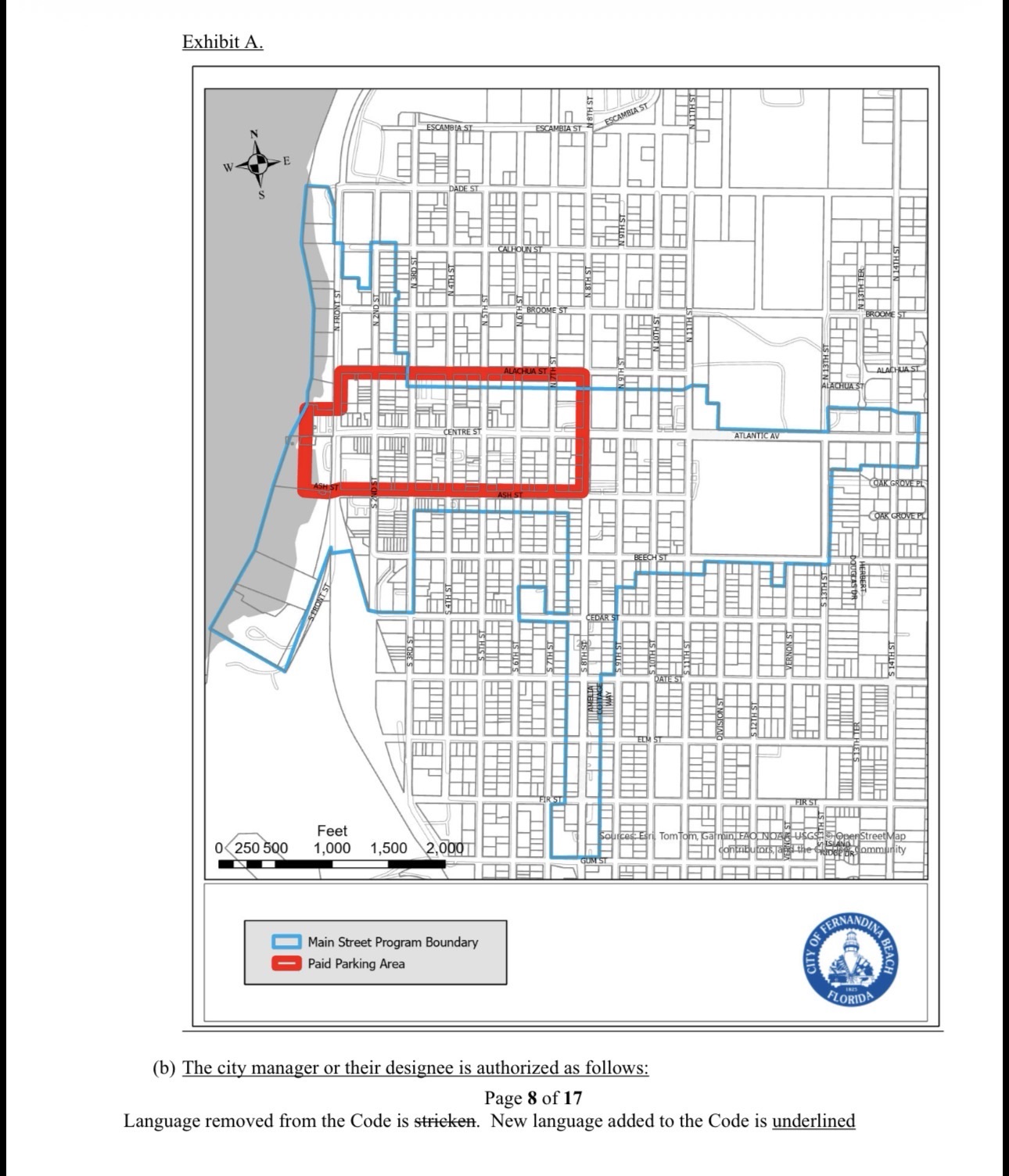
This dynamic is not theoretical. Fernandina Beach already provides a local example. Fernandina Beach operates under a city charter with clearly defined powers and procedures. Yet the city has experienced recurring public frustration over transparency, decision-making that feels predetermined, and boards and committees that appear more aligned with insiders than with the broader public.
Over time, the city manager form of government—common in charter systems—has allowed significant authority to consolidate administratively. Decisions are often shaped well before public meetings occur. By the time issues reach elected officials, the range of options can feel narrow and the direction largely set. Technically, the process is followed. Substantively, many residents feel excluded.
Transparency has not been immune either. Sunshine Law concerns, records disputes, and procedural complexity have all contributed to erosion of trust. The charter did not prevent these issues. In some cases, it provided the structure through which they became normalized and harder to challenge.
This is the critical lesson for Nassau County. If a charter were inherently protective against dysfunction, Fernandina Beach would be the success story held up as proof. Instead, it demonstrates how charters in small communities can concentrate power, formalize insider influence, and insulate decision-makers from meaningful accountability—while still checking every procedural box.
Supporters often argue that a charter protects local government from state interference. That claim is overstated. The Legislature retains broad preemption authority regardless of charter status. What a charter reliably does is shield local systems from local correction by making structural change more difficult once problems emerge.
Nassau County does not suffer from a lack of authority. It suffers from the same challenge most small governments face: enforcing transparency, resisting insider pressure, and respecting process in both form and spirit. A charter does not fix those problems. In the wrong environment, it can make them permanent.
Structural reform sounds bold. Accountability is harder. But in small counties, accountability—not a charter—is what actually protects the public.
A county charter may look good in theory. Experience shows that in small communities, the reality is often consolidation of power, not empowerment of citizens.
Disclaimer
The author previously served as a city commissioner and mayor. This article reflects the author’s personal opinion, informed by experience in local government, and is not intended to represent the views of any current board, commission, or governmental body.
