








Flock Cameras, AI, and Privacy: A Conversation Worth Having
Flock Cameras, AI, and Privacy: A Conversation Worth Having

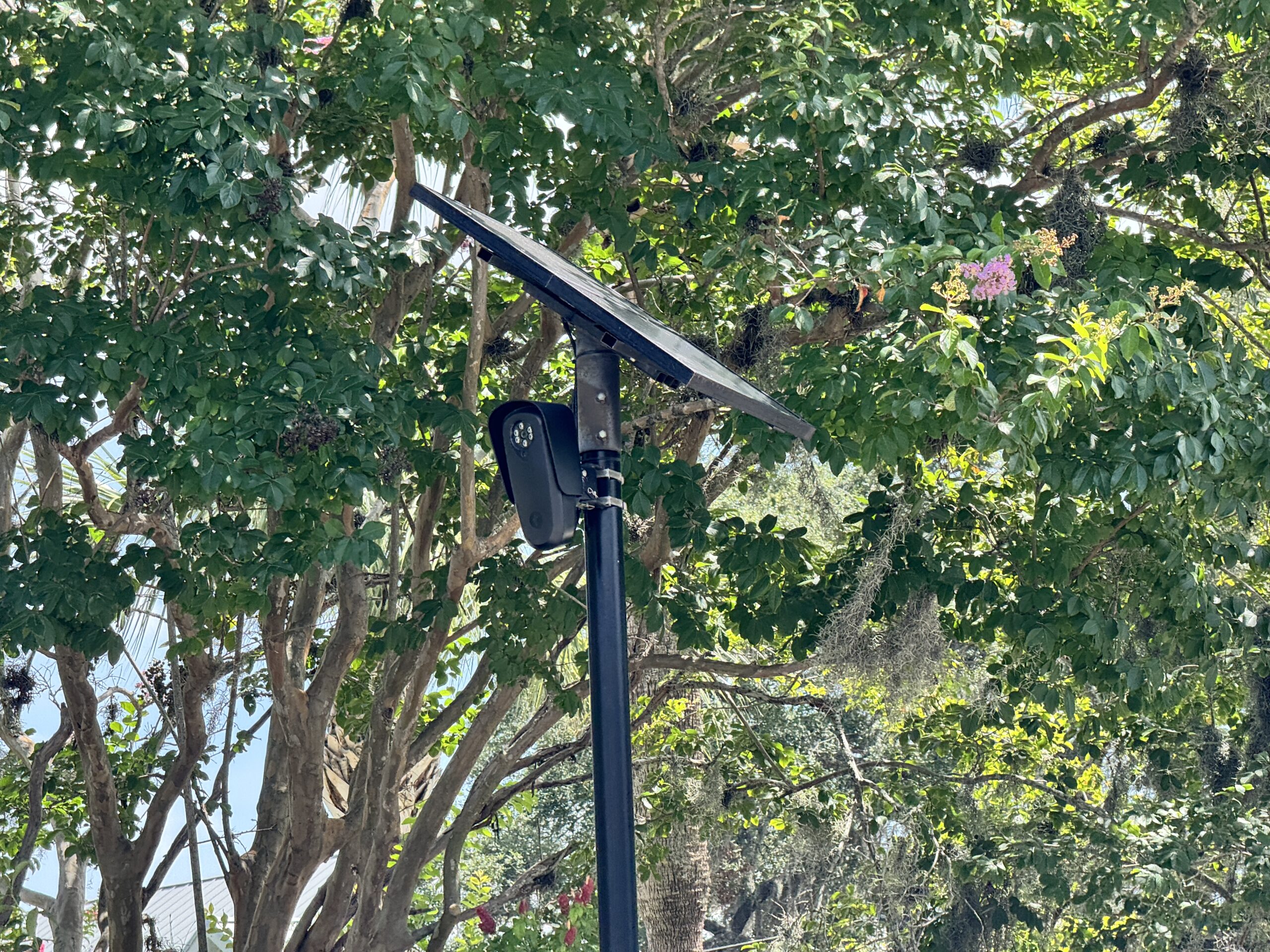
The discussion about Flock license plate cameras isn’t really about cameras anymore. Cameras have been around for decades. The bigger question is what artificial intelligence can now do with the information those cameras collect.
For years, my attitude was simple: I’m not doing anything wrong, so I don’t really care if I’m seen driving on a public road. There are millions of people on the road every day, and that sheer volume created a certain level of practical anonymity.
I’m generally comfortable with cameras being used for legitimate purposes. That includes security cameras, traffic cameras, publicly available surf cams, beach cams, weather cameras, and other location cameras that anyone can view. After the September 11 terrorist attacks and other domestic terrorist incidents, I came to accept that cameras have become an important part of modern public safety. Cities like London and New York rely extensively on camera networks. Those systems have helped investigators solve crimes, locate suspects, and, in some cases, disrupt planned criminal or terrorist activity while allowing law enforcement to monitor large areas with far fewer personnel than would otherwise be required.
AI changes the equation.
Today, technology can rapidly search, connect, and analyze enormous amounts of data. Instead of simply capturing a passing vehicle, systems can potentially reconstruct travel patterns, identify frequently visited locations, determine who people regularly meet with, and build detailed histories of movement—all in seconds.
That doesn’t automatically mean the technology shouldn’t be used.
There is real public value in identifying stolen vehicles, locating missing persons, finding suspects in violent crimes, and deterring criminal activity. Many law enforcement agencies have solved serious cases using systems like Flock.
The challenge is finding the right balance.
Personally, I’m comfortable being observed in public. I don’t expect complete privacy while driving down a public street. But I do expect strong safeguards. Questions that deserve thoughtful answers include:
- How long should this data be retained?
- Who should have access to it?
- Under what circumstances should it be shared?
- Should there be judicial oversight for broader searches?
- How do we prevent mission creep, where a tool intended for serious crimes gradually expands into routine surveillance?
- As AI becomes more capable, should additional limits be placed on how historical movement data can be analyzed?
Technology is advancing far faster than our public discussion about it. Whether you support or oppose Flock cameras, this isn’t a debate that should be driven by emotion or slogans. It deserves careful consideration of both public safety and individual liberty.
The issue isn’t simply whether cameras exist. It’s whether advances in AI fundamentally change what those cameras are capable of doing—and whether the safeguards protecting our privacy evolve just as quickly. I support the legitimate use of camera technology. I also believe that as AI becomes more powerful, we need equally thoughtful rules governing how that technology is used.
AI disclosure: This article was written with the assistance of artificial intelligence and reviewed and edited by the author (ironic isn’t it?).