

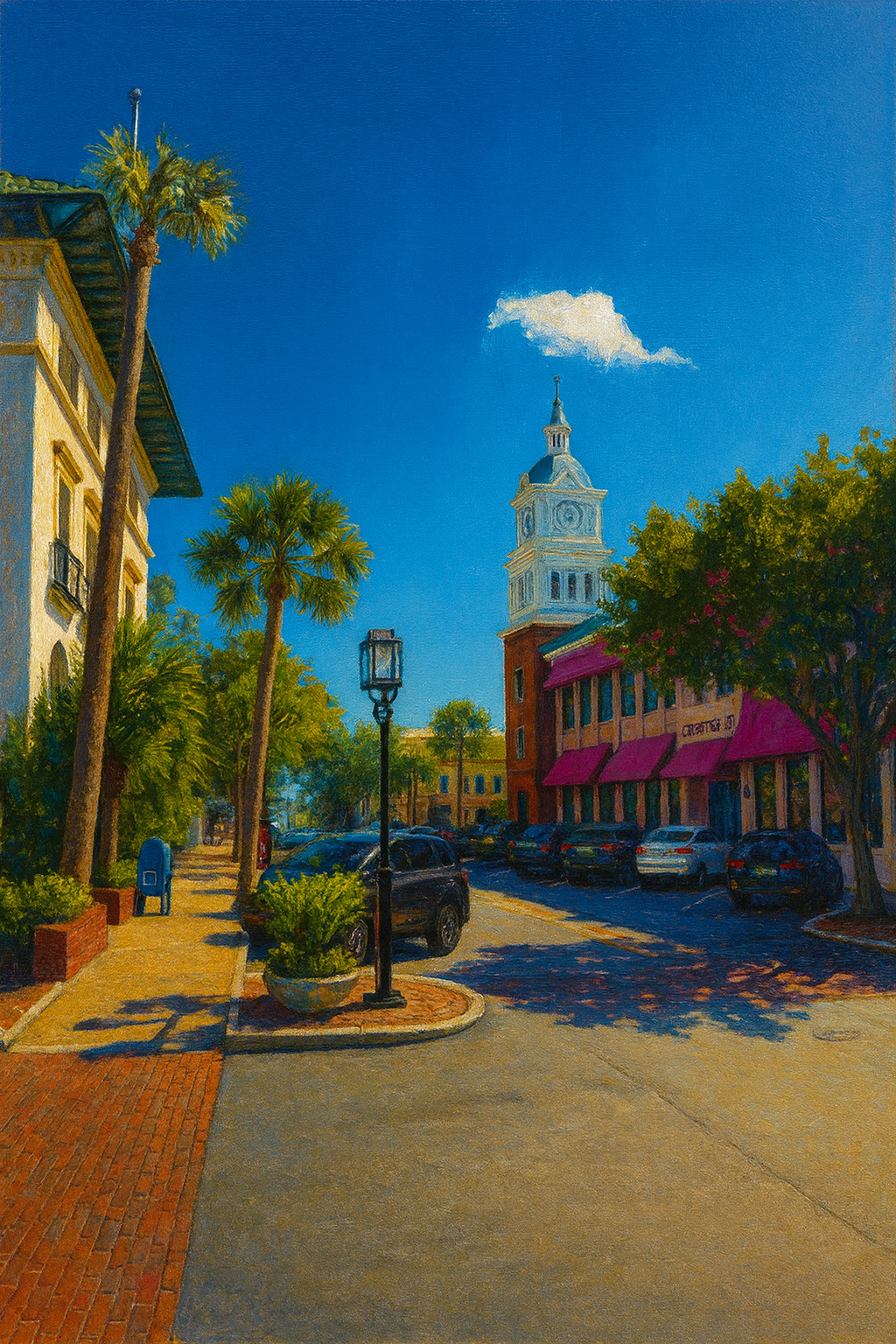
Amelia Island Tourism: Revenue Strength Amid Rising Costs, Construction, and Capacity Pressures
The latest report from the Amelia Island Tourist Development Council shows tourism revenue holding up well even as forward bookings for hotels in August and September lag last year’s pace by more than 20%. Bed tax collections stand at roughly $8.2 million year-to-date — 8% above budget and 3% ahead of the same period last year — with strong average daily rates helping offset softer volume in certain months.

Hotels are averaging $332 per night, up 6% year-over-year, while vacation rentals sit near $285. July still looks solid, particularly around the Fourth of July holiday. The caution centers on the traditional shoulder season once schools resume in early August.
These results reflect a destination that continues to command premium pricing. However, questions about long-term affordability, ongoing construction, the effects of the tourist tax, paid parking, and the island’s physical capacity are surfacing alongside the revenue numbers.
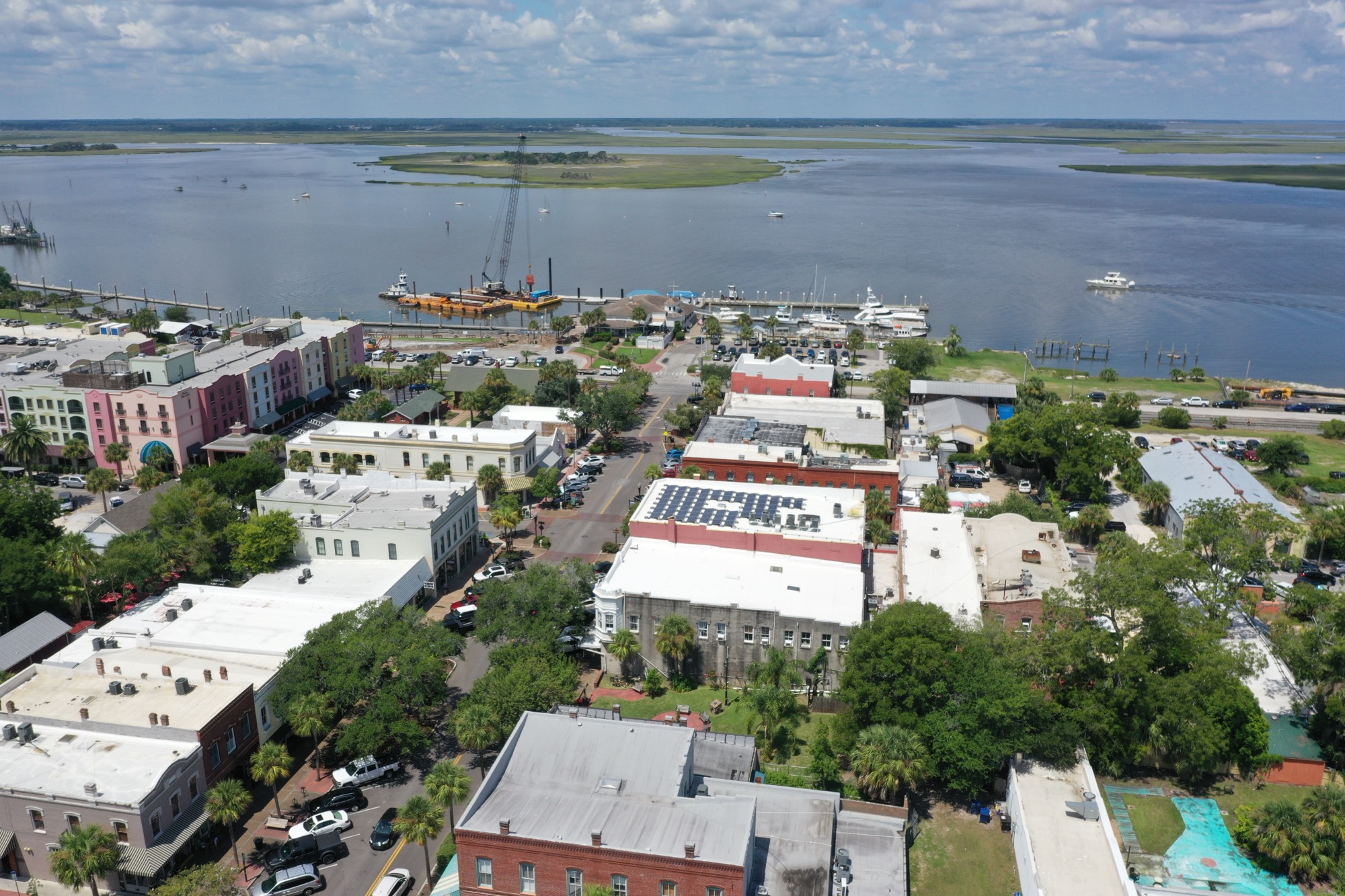
Amelia Island often positions itself as a quieter, more upscale alternative to busier Florida beach destinations. Compared with areas like St. Augustine or Jacksonville Beach, it tends to carry higher average lodging rates, especially at the larger resorts. South Florida and Panhandle hotspots such as Destin frequently see even steeper tourist premiums and heavier crowds, while Amelia’s barrier-island setting and historic downtown create a different — sometimes more expensive — experience. Cost-of-living data for Fernandina Beach shows figures above the national average in several categories, though still below some broader Florida coastal benchmarks.
New construction and major renovations add another layer. The Omni Amelia Island Resort & Spa is in the midst of a multi-phase
transformation scheduled for completion in spring 2026. A new Holiday Inn Express recently opened, and other proposals — including mixed-use developments with housing, retail, and potential hotel components — continue to move through planning. The simultaneous timing of several major projects has been poorly coordinated in places, contributing to noticeable road congestion on key routes such as Sadler Road and approaches to the island. Detours and heavy equipment movement from infrastructure work, including the Amelia Island Parkway and Buccaneer Trail roundabout project, have created extended delays and island-wide traffic impacts at times. These projects modernize the product and increase supply, but they also bring short-term disruption from construction activity and contribute to the overall sense of a place undergoing change.
The 5% Tourist Development Tax (bed tax) collected on short-term lodging plays a dual role. It generates the revenue that funds beach renourishment, events, marketing, and certain infrastructure improvements, thereby reducing the direct tax burden on local residents. At the same time, it layers an additional cost onto every hotel stay and vacation rental, contributing to the total price visitors pay. When combined with already elevated average daily rates, the cumulative effect can make the island feel less affordable to price-sensitive travelers, particularly in shoulder seasons when demand is softer.
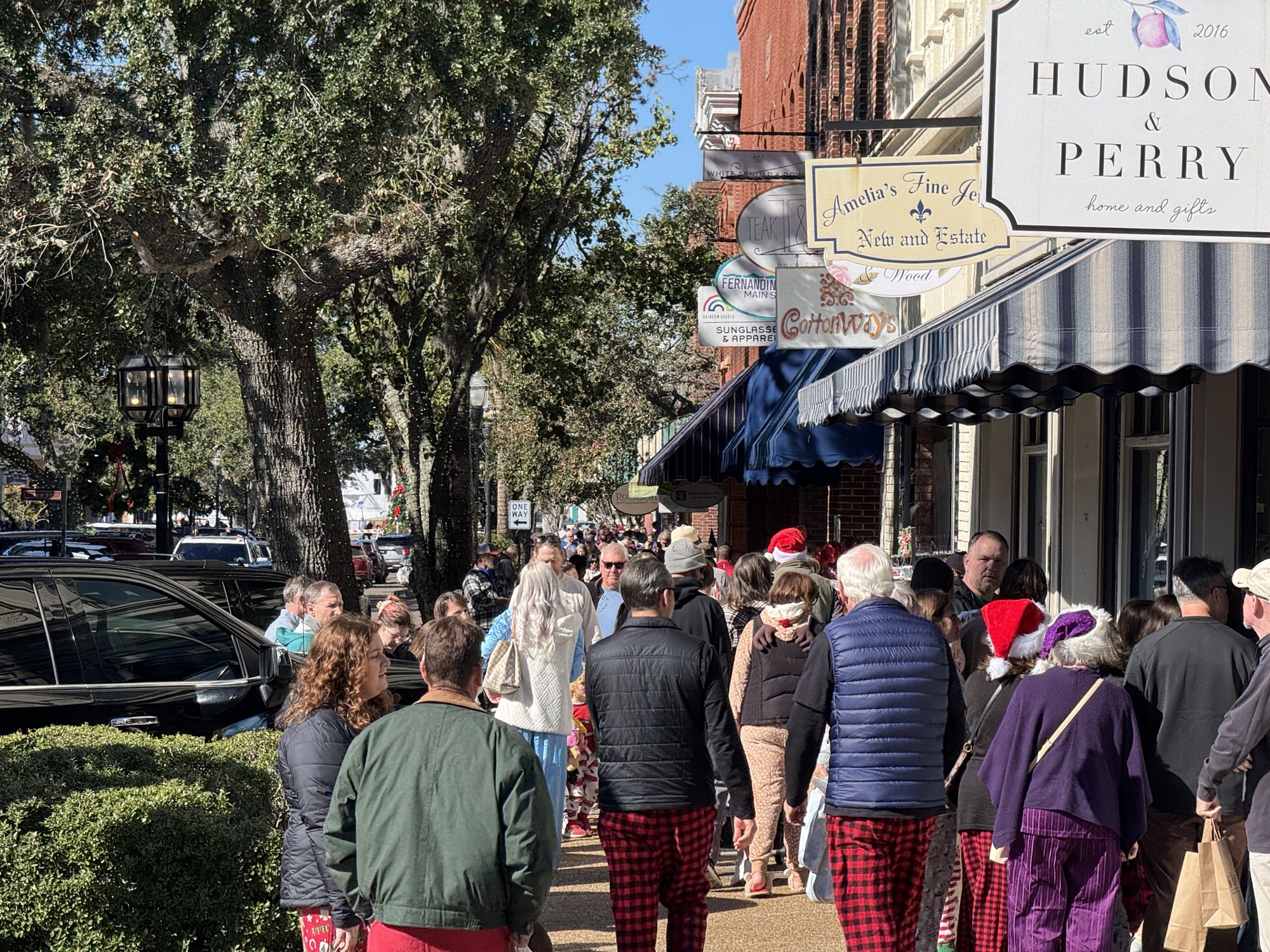
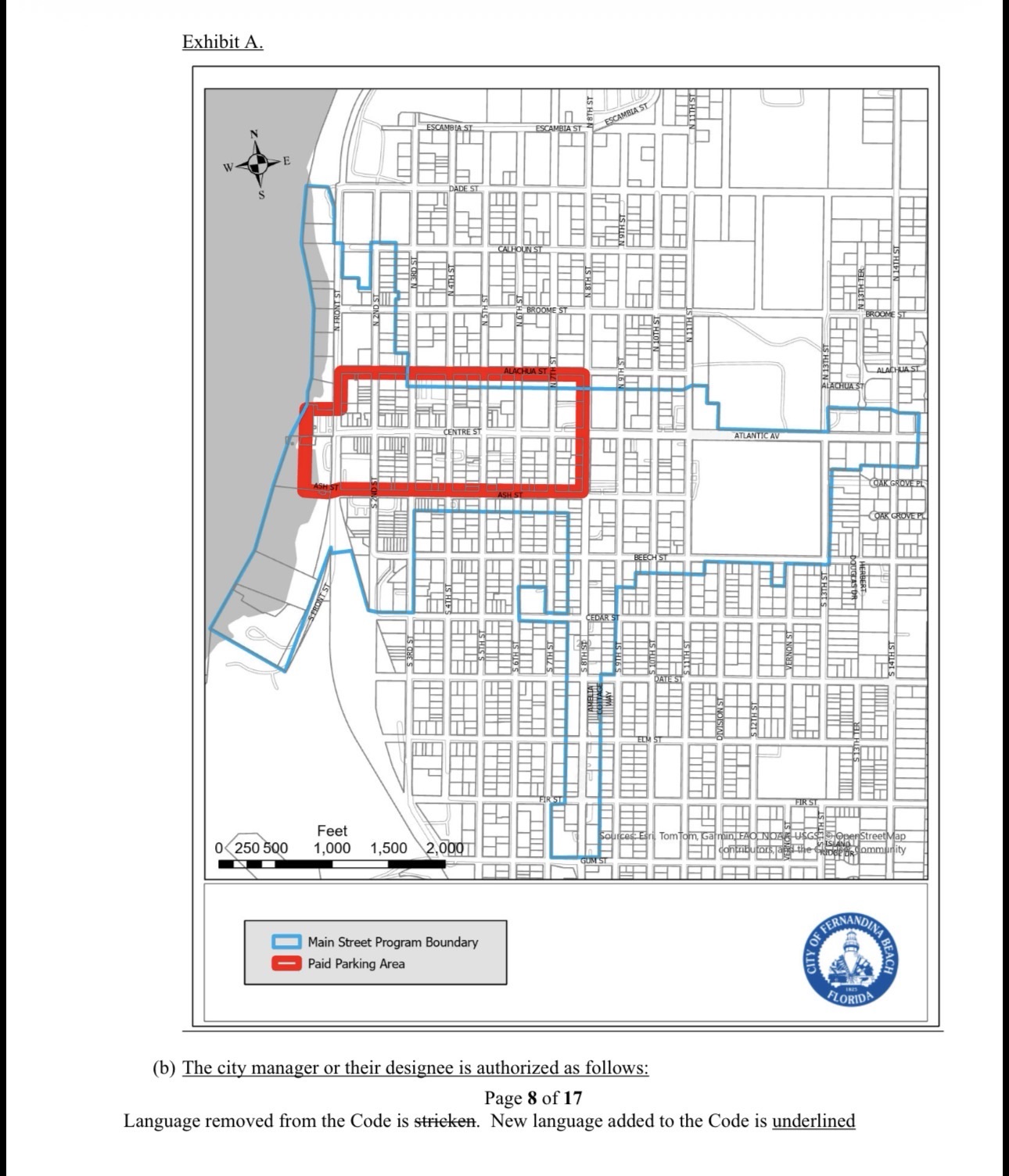
The highly unpopular paid parking program, forced on local residents who opposed it with over 90% disapproving, was implemented in downtown Fernandina Beach in February 2026 at $2 per hour (with a grace period), enforced during peak daytime and early evening hours. While the measure aims to manage congestion in the historic district and includes resident permit options, it adds a visible new cost for visitors who previously parked for free. Many restaurants have also raised prices noticeably in recent years, further increasing the total cost of a visit. On a barrier island with limited road capacity and beach access points, peak-season crowding — full parking lots by mid-morning, slower traffic on key routes — has long been part of the conversation about saturation. Some observers note that these factors together — higher overall trip costs, construction activity and road congestion, paid parking, and the physical limits of the island — may influence booking decisions, especially for travelers comparing options or returning visitors sensitive to changes in the experience.
Tourism remains a major economic contributor, and the strong year-to-date collections demonstrate continued demand for what Amelia Island offers. At the same time, the combination of rising costs, ongoing development, and capacity constraints points to the value of closely tracking both the numbers and visitor feedback. How the destination manages affordability, construction impacts, and the visitor experience in the months ahead will help determine whether current revenue strength translates into sustainable long-term performance.
This post was prepared with AI assistance for research, fact-checking, and initial drafting.
