
Gregor MacGregor and the Strange Tale Behind One of Amelia Island’s Eight Flags
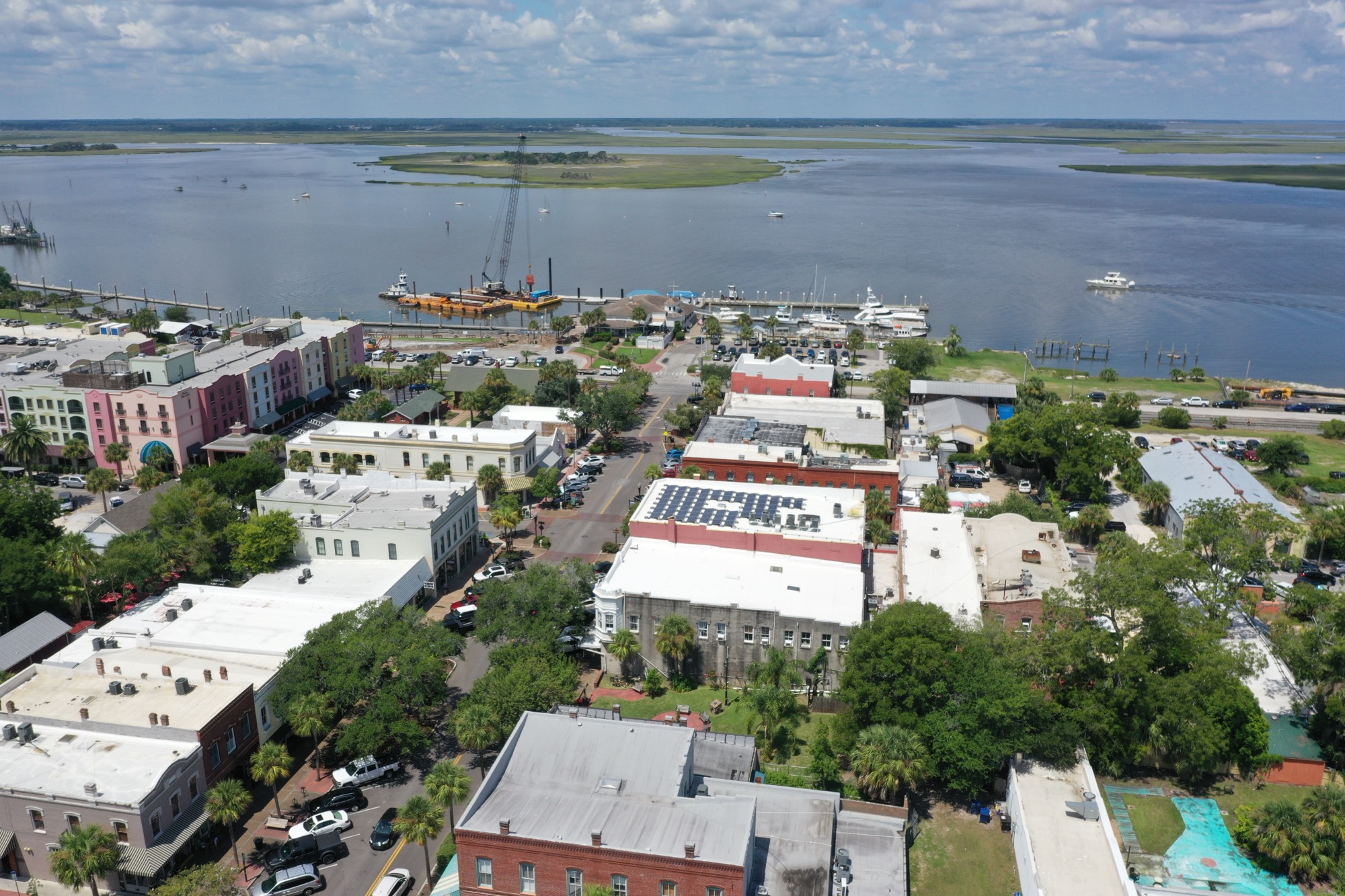
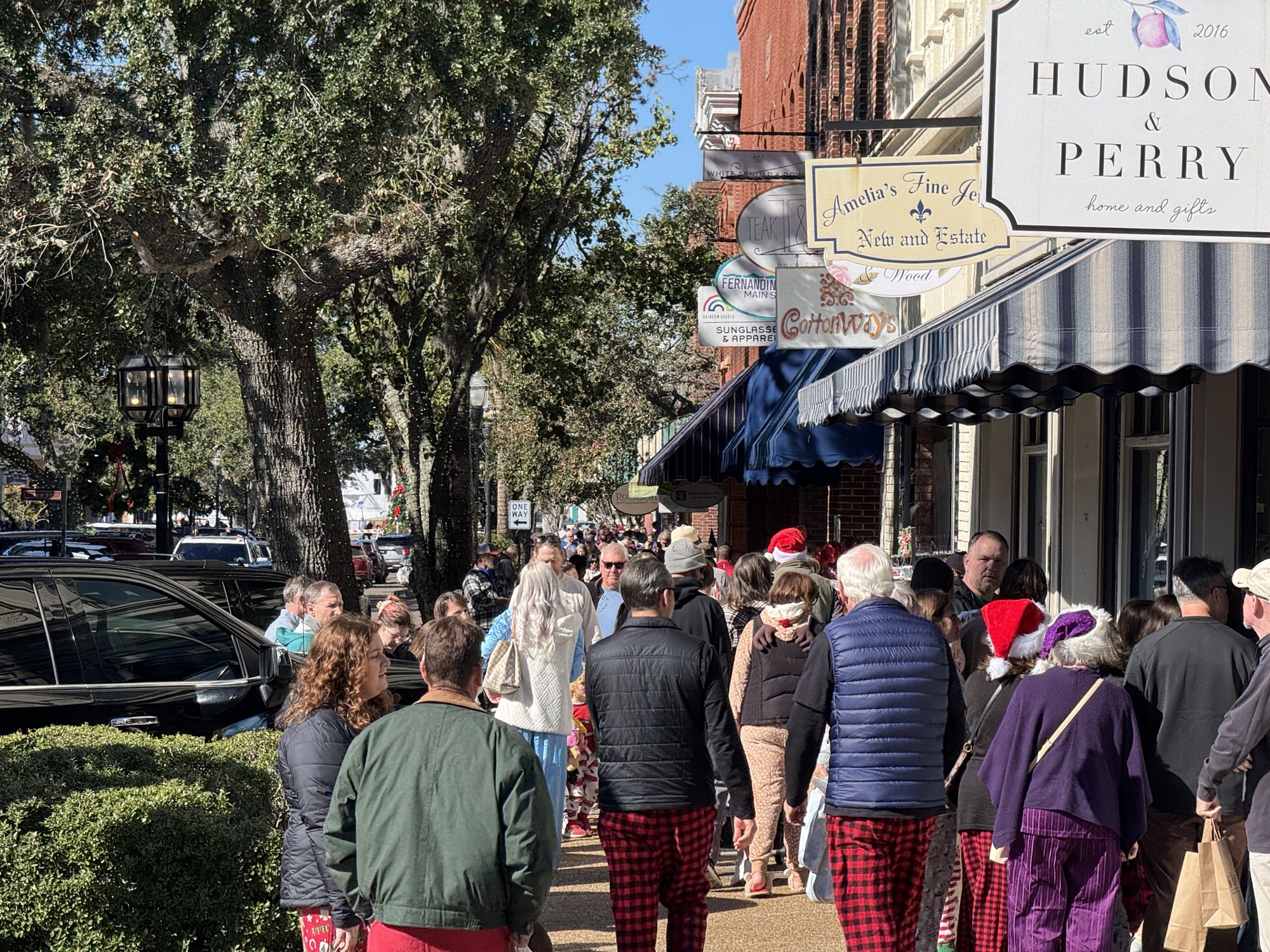
If you’ve walked around downtown Fernandina Beach, you might have noticed a nod to him in the form of mini-golf, along with a street named after the conman near the beach. Or maybe you’ve seen the Green Cross of Florida listed among the historic flags that have flown over Amelia Island. Most people pass by without knowing the full story. It’s one of those wild, almost unbelievable chapters in our local history that deserves a closer look.

In the summer of 1817, a man named Gregor MacGregor landed on Amelia Island with a small band of followers. He was a Scottish soldier of fortune who had fought in the Venezuelan wars of independence and styled himself a liberator. With fewer than a hundred men, he took control of the Spanish fort here in late June, raised his green cross flag, and declared the “Republic of the Floridas.” For a brief couple of months, he held the island, issued proclamations, and even struck commemorative medallions. Then, as quickly as it began, the venture collapsed. He sailed away in early September, leaving others to deal with the aftermath. Pirate Luis Aury soon took over, and before long the U.S. Navy stepped in to clear things out.
After Amelia….the Poyais Scam and MacGregor’s Made-Up Title
Title: Gregor MacGregor proclaimed himself Cazique (Prince or Chief) of Poyais. He claimed an indigenous Mosquito Coast ruler (King George Frederic Augustus) had granted him the title and sovereignty over a vast territory.
The Scam (early 1820s):
• After his earlier adventures (including the brief 1817 capture of Amelia Island/Fernandina), MacGregor returned to Britain and invented an entire fictional country called Poyais on the Caribbean coast of what is now Honduras/Nicaragua.
• He created elaborate propaganda: fake maps, a constitution, a national flag, government bonds, land certificates, and his own currency (“Bank of Poyais” dollars).
• A promotional guidebook (Sketch of the Mosquito Shore, Including the Territory of Poyais, published under a pseudonym) described it as a prosperous paradise with a thriving capital city (St. Joseph), fertile farmland (three maize crops per year), gold, and welcoming inhabitants.
Scale and Execution:
• He sold land cheaply and issued bonds worth around £200,000 (enormous sums for the era, equivalent to many millions today).
• Roughly 250 settlers (mostly Scots) sailed to Poyais in 1822–1823 on ships like the Honduras Packet and Kennersley Castle, expecting free passage and ready-made opportunities.
The Reality and Tragedy:
• They arrived at a desolate stretch of jungle and swamp with no town, no port, and no infrastructure.
• A hurricane, disease (malaria, yellow fever), starvation, and exposure killed most of them — estimates range from 150–180+ deaths out of the ~250.
• Survivors were rescued by authorities from nearby British Honduras (Belize), who confirmed Poyais did not exist.
MacGregor largely escaped serious punishment in Britain and France (he was briefly arrested in France but acquitted). He continued similar smaller schemes for years before retiring to Venezuela, where he received a hero’s welcome and military pension as a veteran of the independence wars. He died in Caracas in 1845.
It remains one of history’s most audacious confidence tricks, combining forged documents, financial instruments, and mass emigration into a deadly deception. The Poyais episode is often cited alongside his short-lived Amelia Island venture as examples of his larger-than-life opportunism.
That short episode earned MacGregor a permanent spot in Amelia Island’s “Eight Flags” story—the green cross is still recognized as one of the banners that have flown here. It’s the kind of colorful, slightly chaotic footnote that makes our island’s early history so interesting. A lot of these filibuster schemes in the early 1800s were driven by bigger geopolitical games, personal ambition, and the hope of cashing in on land and influence. MacGregor’s Florida chapter fits right into that pattern.

Hundreds of people—many of them Scots looking for a fresh start—bought land certificates or invested in his bonds. About 250 actually boarded ships in 1822 and 1823 expecting to start new lives in this promised land. What they found instead was untouched jungle, swamps, and disease. There was no town, no harbor, no prepared settlement. Malaria, yellow fever, and hardship took a terrible toll. More than 150 of them died before rescue ships from British Honduras could reach them. It remains one of the most brazen confidence schemes in history.
MacGregor himself largely escaped serious consequences. He tried similar schemes in France, was briefly arrested but acquitted, and eventually returned to Venezuela where he was welcomed back as a hero of independence and lived out his days with a military pension. He died in Caracas in 1845.
Here on Amelia Island, we mostly remember the lighter side—the brief flag-raising and the Scottish adventurer who once claimed our little piece of Florida. But the full story is a reminder of how thin the line could be between bold exploration and outright deception in those early days of Florida’s development. Some of these characters left real marks on the map; others left only wreckage and tall tales.
It’s worth keeping these stories alive, not just because they’re entertaining, but because they show how our corner of the world has always attracted big personalities and bigger schemes. The next time you see that green cross flag downtown, you’ll know there’s a lot more behind the name.
This post was prepared with AI assistance for research, fact-checking, and initial drafting.
