


At What Cost? Paid Parking and the Real Changes to Downtown Fernandina

When I read the recent article in the Fernandina Observer about the downtown paid parking program missing its original revenue target — now projected to bring in about $1.1 million net this year instead of the $1.8 million once hoped for — the phrase that kept coming to mind was “at what cost?”
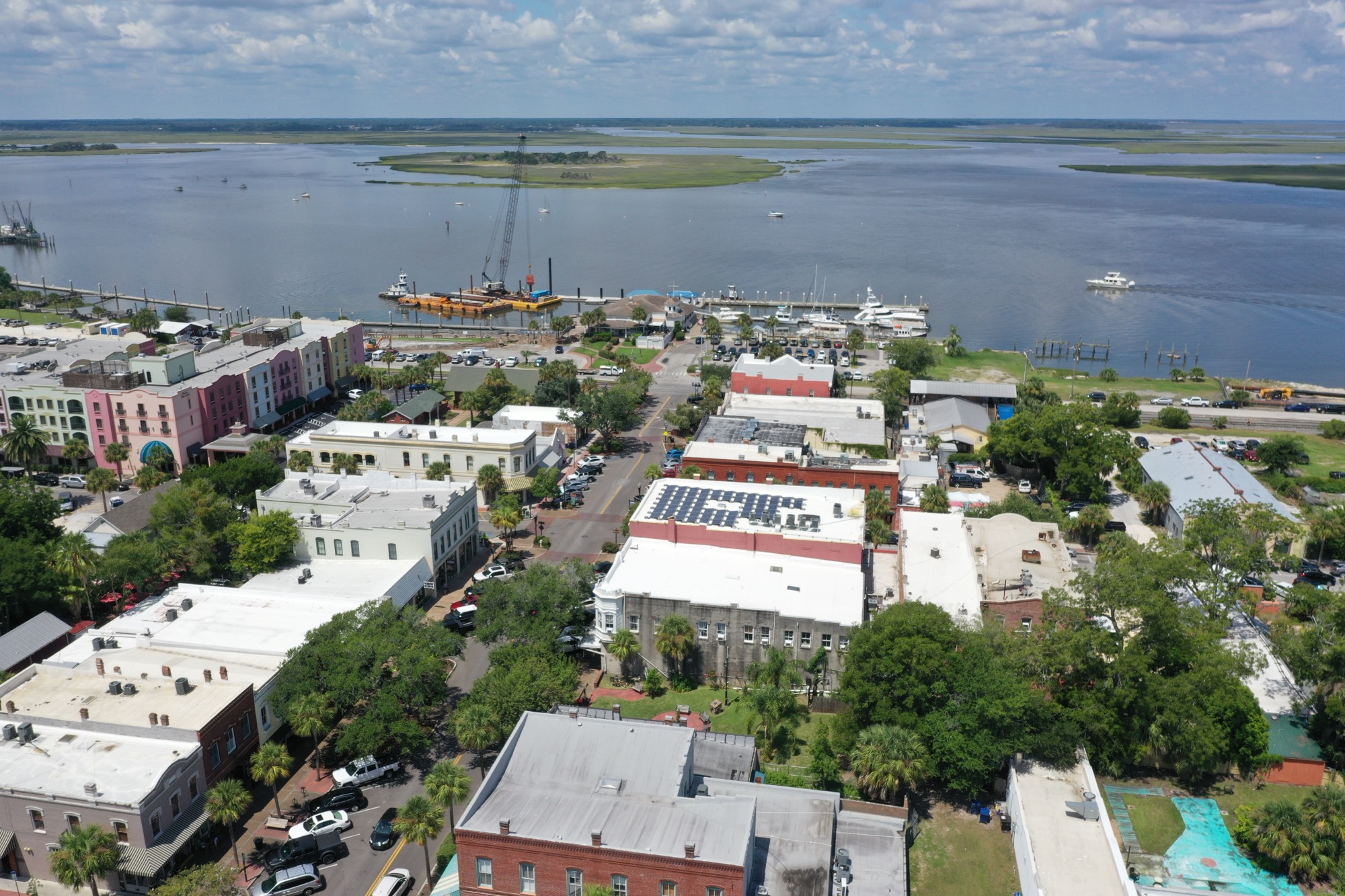
The story focused on the dollars and the adjustments made along the way. But the numbers only tell part of the story. What stands out more to me is how this policy has already begun reshaping daily patterns and the feel of our downtown, often in ways that feel like a quiet but real loss.
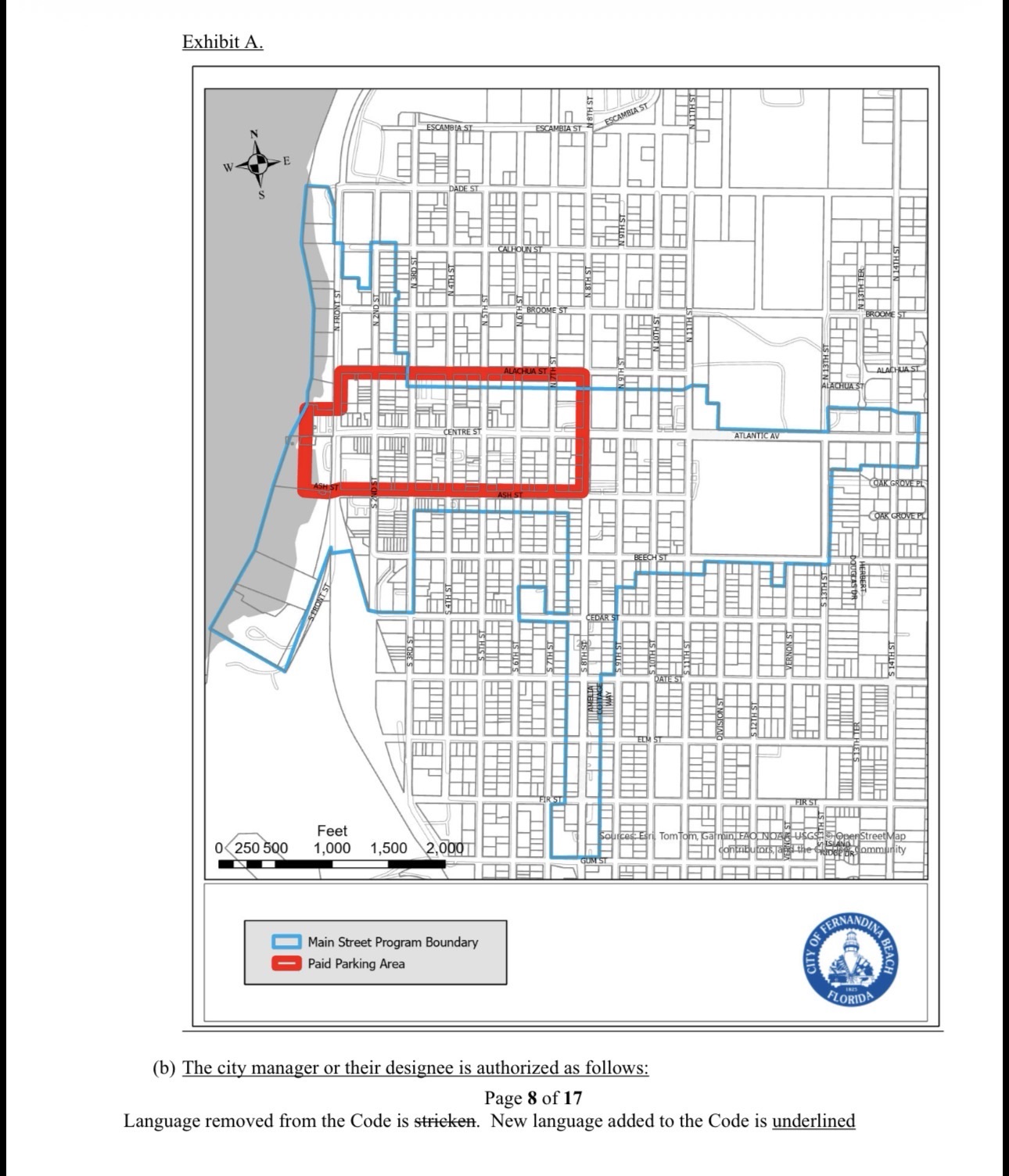
I used to spend a great deal of time downtown. It was a natural part of my routine — walking the streets, supporting local businesses, and simply being part of the atmosphere that makes this place special. These days I find myself making different choices. I intentionally walk around or avoid the paid parking zone almost as a personal rule. It’s not mainly about the money. It comes from the fact that the policy was implemented without a proper impact study and without giving voters a direct say on something that fundamentally changes how we experience our own town. It also feels like a way to sidestep voter approval for related debt obligations down the line. That “we know best” style of governance is repugnant to me in every way.
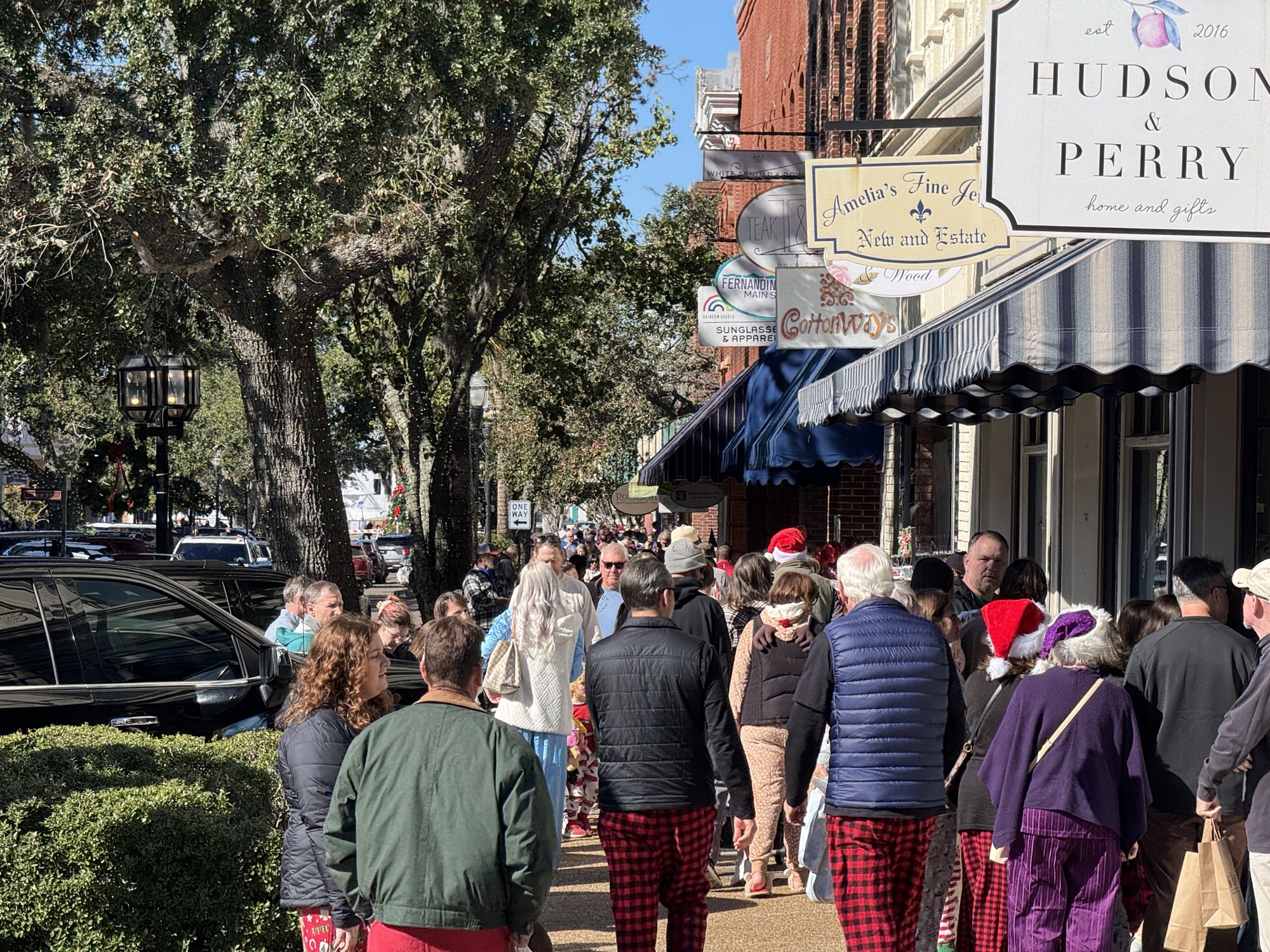
The effects are already visible in small but telling ways. I see fewer locals out and about downtown these days, and I can’t help but connect at least some of that shift to the parking changes. The easy, casual community connections — running into friends near the library, church, post office, parks, or courthouse, or just wandering and finding community — feel diminished. I’ve noticed prices changing at local restaurants, and in my head I blame part of it on the paid parking, whether through reduced foot traffic or added costs being passed along. Downtown merchants, churches, and regular users of public facilities raised legitimate concerns, yet those perspectives didn’t seem to carry enough weight in the rush to put the program in place. It feels as though the balance has shifted to prioritize tourism and revenue-generating activity over local residents and the many non-revenue-generating uses that make downtown a true community hub.
What bothers me most is that participating in this system, or even just accepting it as the new normal, starts to feel like a violation of a basic sense of what’s right and wrong. When a policy is forced through without thorough study or broad community consent, it doesn’t just affect parking availability — it alters the character of the place and erodes the trust that should exist between residents and their local government. As a result, I’ve adjusted my own patterns. I explore different spots now and make more deliberate choices about where I spend my time and support, all without that constant annoyance and with a clearer sense that I’m participating only where it aligns with my values.
With a referendum scheduled for August 18 that will let voters weigh in directly on whether this continues, I naturally find myself thinking about what happens next. Will the commissioners reverse course and remove paid parking if that’s the outcome? Do any of them believe the original decision was flawed, or do they have the capacity to admit a mistake and actually pivot after seeing the real-world effects on downtown life?
At its core, this isn’t really about revenue projections or parking meters. It’s about the kind of community we want to be and whether local decisions reflect the people who live here or simply impose a vision from above. For me, the current approach doesn’t align with the transparent, resident-centered governance I believe in. So I’ve voted with my feet in small but consistent ways. Until the city reverses this policy there will be fewer locals downtown and the policy will be resented.
