


Kate’s Tree and the Challenges of Growing in the Middle of Ash Street
Photos of that big live oak on Ash Street after the recent
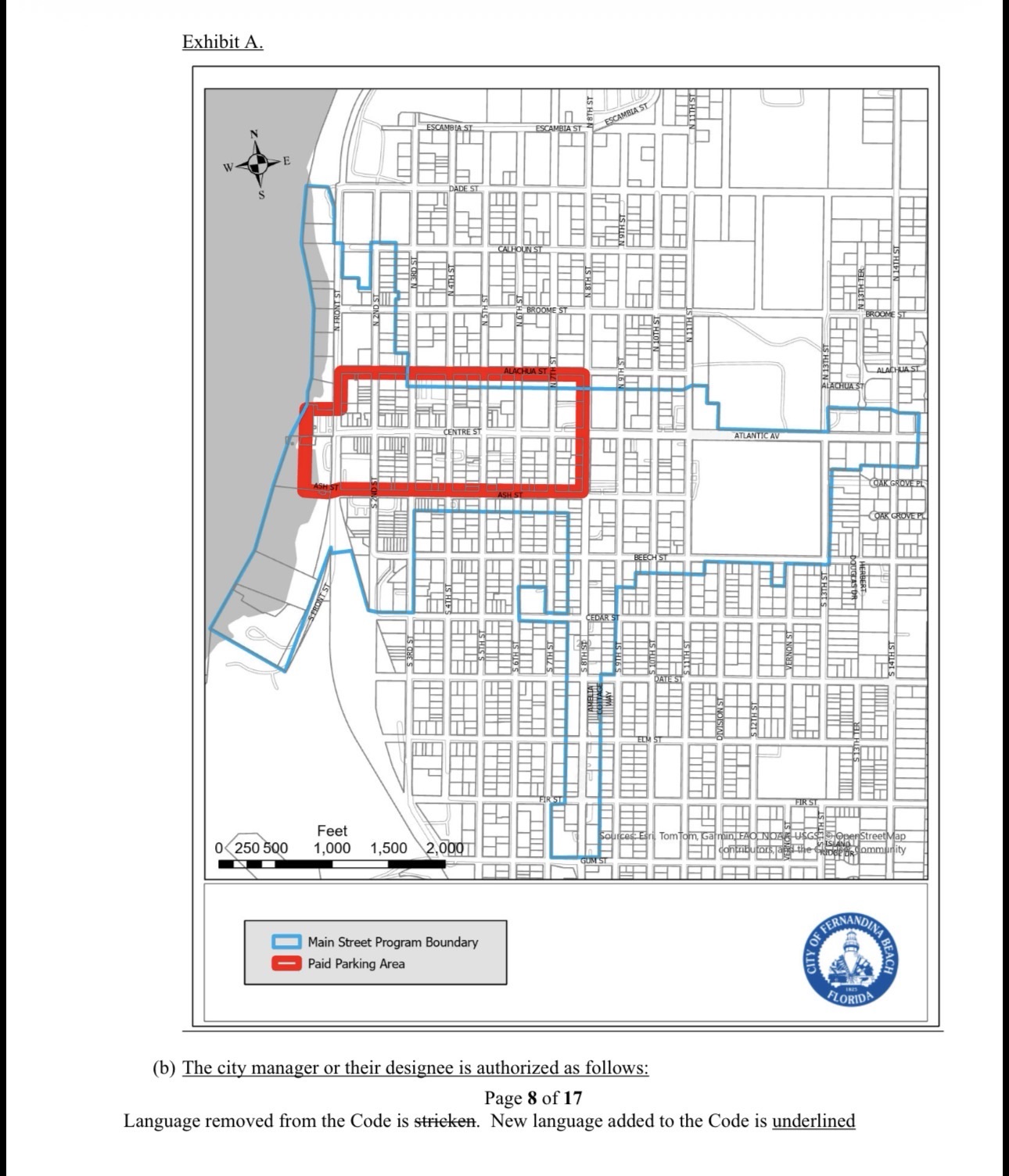
thunderstorm caught my attention right away. A substantial limb had broken during the storm, and crews had already cleared the debris. Anyone familiar with downtown Fernandina recognizes this tree as Kate’s Tree, standing in the middle of the street between Seventh and Eighth.

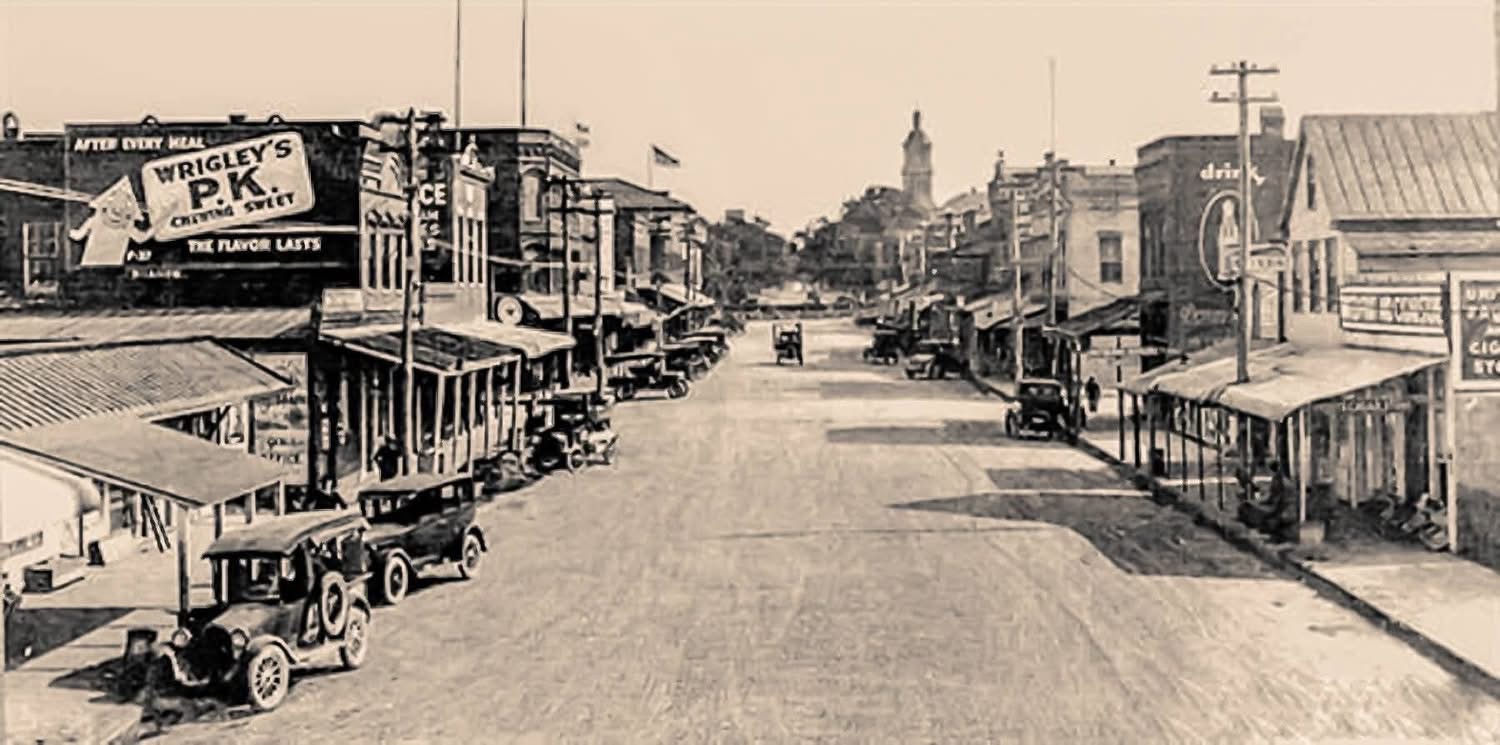
This landmark feels permanent. Reports place its age at well over 200 years. Southern live oaks often live for several hundred years under good conditions, with some reaching five hundred years or more. Their massive trunks and moss-draped canopies help define the character of old coastal towns like ours.
This particular tree has always faced a difficult situation because of its location. The road curves around it, and the unpaved area at the base remains small. A live oak this size would normally have roots extending 80 to 150 feet or more outward in all directions. Those roots would provide strong anchorage plus access to water and nutrients across a wide zone. Instead, the roots here are confined to a limited space surrounded by pavement and curbs. Compacted soil and restricted volume create ongoing stress and reduce stability during high winds.
Live oaks handle storms in a specific way. They drop large limbs to lighten the load on the rest of the canopy. That process probably explains the recent break. The resulting wound is still significant. These trees compartmentalize decay effectively, yet a wound of this scale deserves monitoring. Decay can advance deeper into the wood over time and weaken structural integrity.
The situation illustrates a common trade-off with historic urban trees. A magnificent oak in the middle of the street adds real charm to downtown. At the same time, that placement limits how well the tree can thrive without assistance. The recent limb loss shows the pressure that constrained conditions place on even resilient species.
City crews responded promptly and cleared the area. Officials have also stated their commitment to protecting the tree’s long-term health. That level of attention helps. Heritage trees benefit from active care, including wound monitoring, thoughtful pruning, and steps to reduce soil compaction around the roots where feasible.
Kate’s Tree has already demonstrated remarkable toughness. It has survived more than two centuries in this spot. A well-known local story recalls how a resident once protected it from removal. Community attachment like that explains why the tree still stands. Continued care should allow it to remain a landmark for many years ahead.
These old oaks represent more than scenery. They connect the present to the past and give our streets a lasting quality that is difficult to replace. 
This post was prepared with AI assistance for research, fact-checking, and initial drafting.