







Pointed Questions on the Data Center Debate
Opposition to new data center projects has surfaced in multiple states with a degree of synchronization that differs from most routine local development disputes. In Florida and elsewhere, concerns over water consumption, electricity demand, and long-term community effects are being voiced in remarkably similar terms and timelines. This pattern merits examination rather than reflexive acceptance.

Large data centers require substantial water for cooling, with some facilities drawing several million gallons per day. Yet national estimates place the combined water use of all U.S. data centers at roughly 0.3 to 0.4 percent of total withdrawals. Agriculture accounts for the overwhelming majority of freshwater consumption across the country. Modern designs increasingly rely on direct-to-chip liquid cooling and immersion systems that cut water demand far below older evaporative methods. Many public arguments against these projects continue to cite consumption figures from legacy facilities rather than current performance data.
Proponents emphasize the fiscal upside. A single large-scale data center can deliver hundreds of millions of dollars in recurring state and local tax revenue once operational, along with thousands of construction jobs and hundreds of permanent high-wage positions in technology and operations. These projects also generate broader economic activity through suppliers and related services. The net fiscal contribution varies by specific incentives offered, but the scale of potential revenue is difficult to dismiss outright.
Why has resistance to this category of project emerged with such unusual coordination across state lines? Parallel organizing, shared talking points, and rapid mobilization have appeared in disparate communities in a compressed timeframe. Standard environmental reviews exist for many industries; the speed and alignment of this particular pushback stand out and invite scrutiny of underlying drivers.
Why single out data centers for especially aggressive opposition when other sectors consume vastly more water and produce greater pollution? Agriculture, manufacturing, and conventional power generation operate at far larger scales on both metrics. If water stewardship and environmental protection are the paramount concerns, consistent application across all major users would seem logical. Selective intensity toward one industry raises questions about priorities and proportionality.
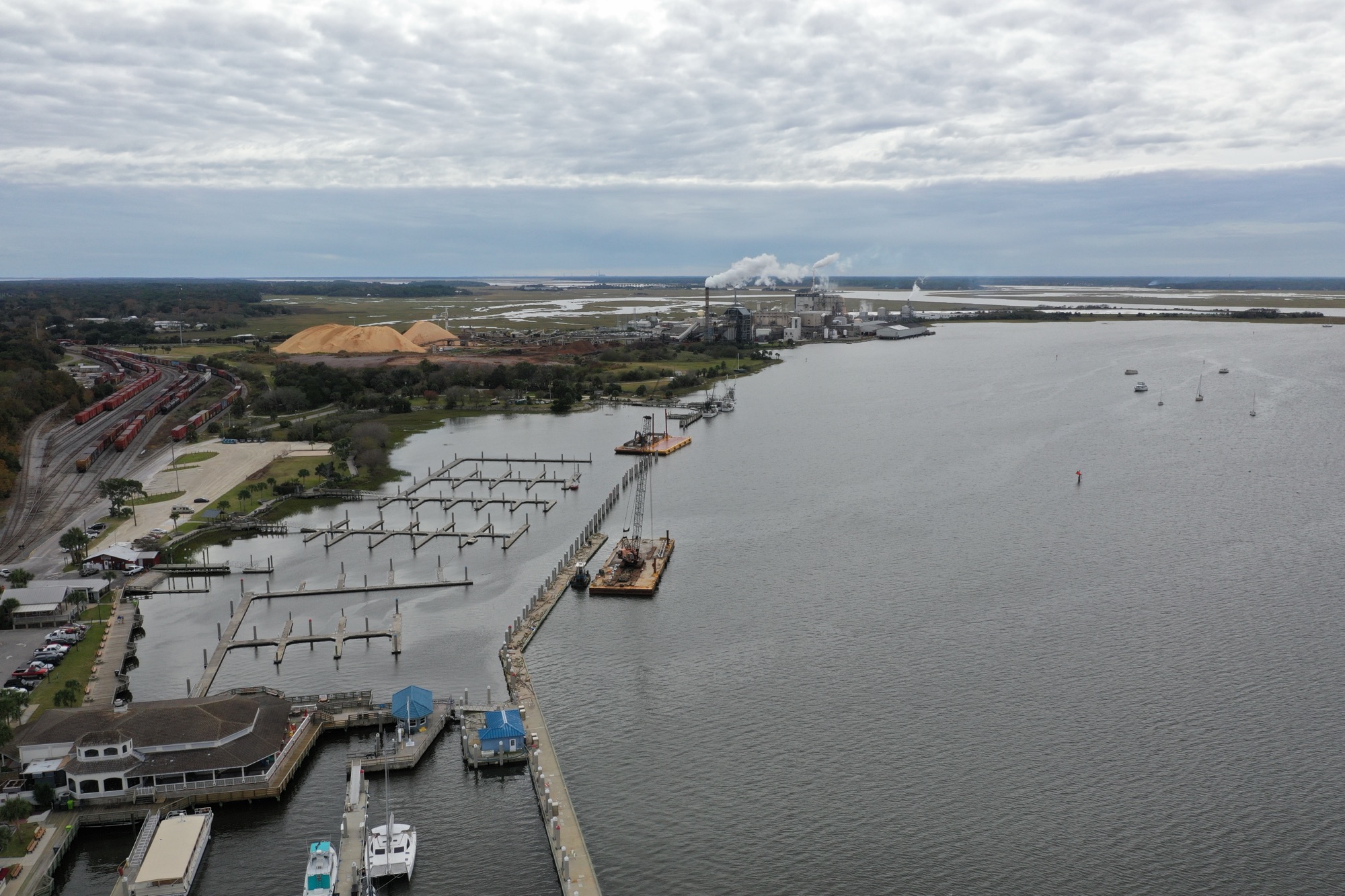
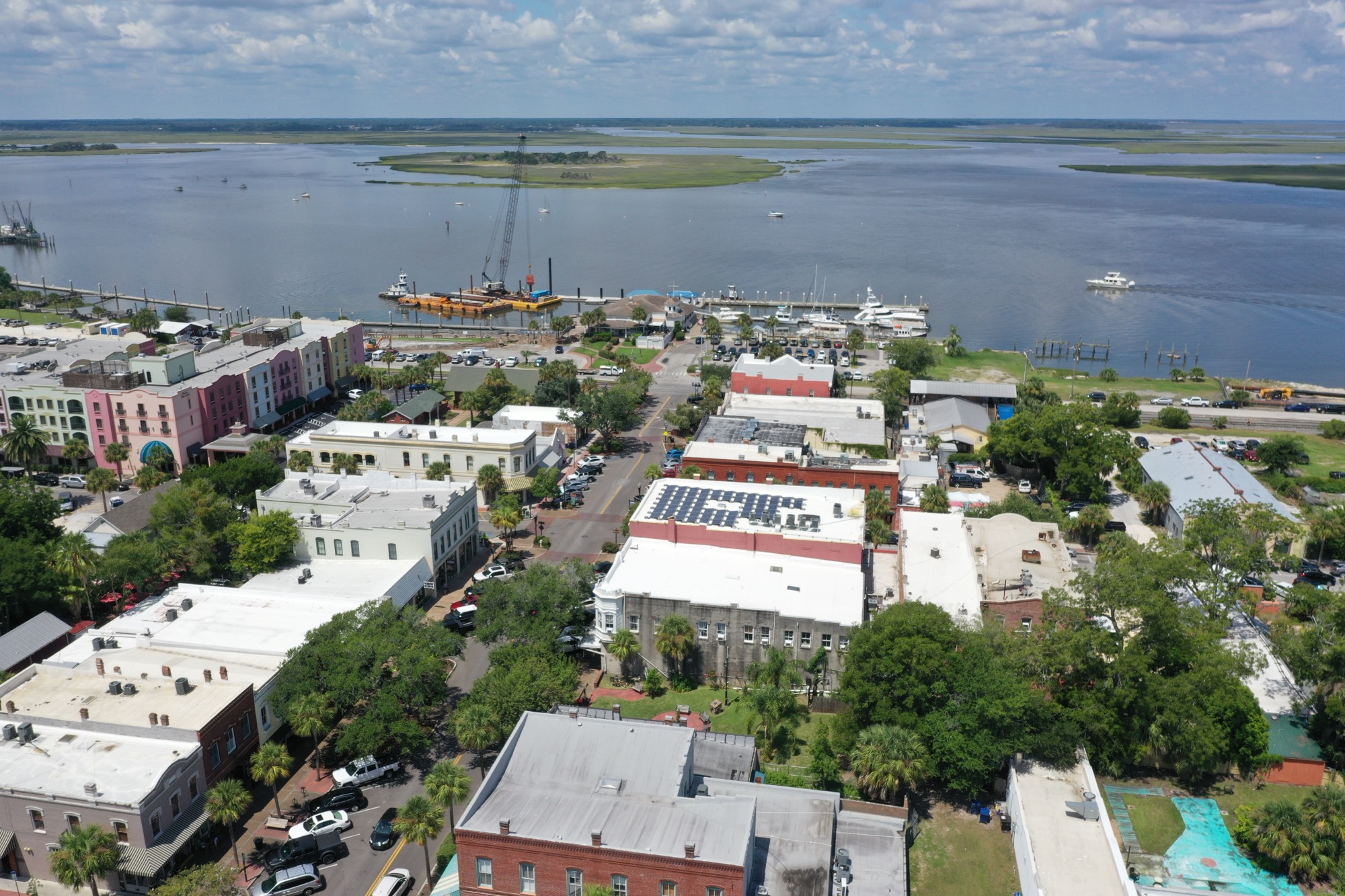
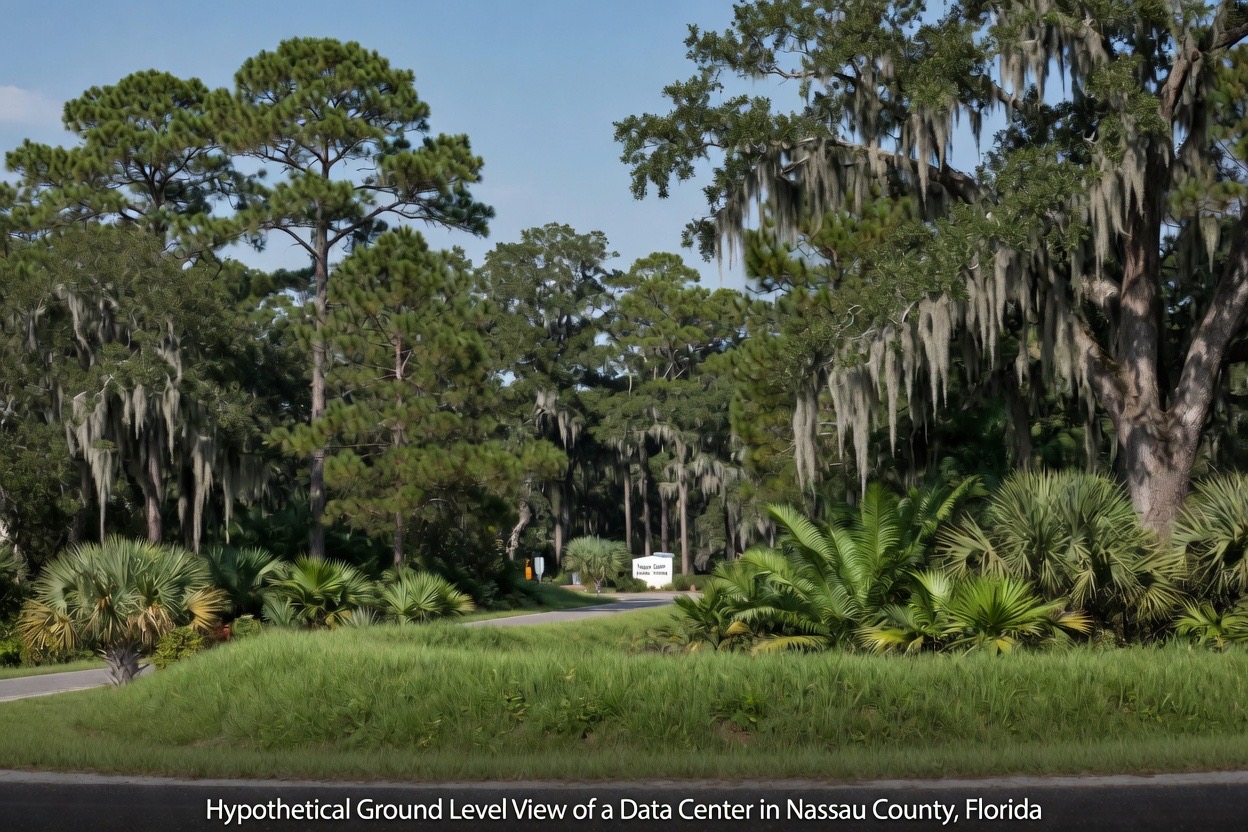
Consider the situation in Nassau County, Florida. No large-scale data center proposal has formally advanced there, yet organized opposition has already mobilized with notable speed and consistency. Campaigns cite generalized worries about water use and infrastructure strain even in the absence of a specific project on the table. One might ask what sustains such preemptive coordination when concrete details remain limited and when updated cooling technologies continue to reduce actual consumption. The strength of the response, often outpacing any active development, suggests factors beyond routine local review.
In the accelerating global competition to lead in artificial intelligence, which countries stand to gain the most if the United States encounters sustained delays in expanding its data center capacity? AI advancement hinges on available compute infrastructure. Prolonged domestic bottlenecks could shift momentum elsewhere, carrying consequences for technological edge, economic output, and strategic positioning. The distribution of those gains deserves clear-eyed assessment.
Kevin O’Leary captured a key dimension of these stakes in a recent post: “While America debates permits, regulations, and protests over data centers, China is rapidly building power infrastructure and scaling compute capacity as fast as possible.” The link appears here: https://www.facebook.com/kevinolearytv/posts/why-wouldnt-china-want-more-data-centers-built-in-the-united-states-simple-the-n/1561298472030106/
Infrastructure choices made now will influence Florida’s and the nation’s trajectory for years ahead. Weighing the documented water figures, revenue projections, and technological improvements against the coordinated nature of the opposition requires separating verifiable data from selective framing. Thoughtful policy follows from asking the harder questions, not from accepting any single narrative at face value.
