
Partial Sale of the Municipal Golf Course: A Practical Either/Or Decision for Fernandina Beach
What if Fernandina Beach could generate roughly $45 million by selling just part of its municipal golf course, create hundreds of new homes, unlock more revenue by selling older city properties, and build a modern multi-use recreation campus — all while avoiding a $7 million capital investment in the existing 27-hole layout?

The city is facing a clear either/or choice right now. According to recent reporting, the Fernandina Beach Golf Club has put forward a $7 million capital improvement plan that includes a $2.7 million irrigation system overhaul. These kinds of major infrastructure projects on a municipal golf course are typically funded through the city’s general fund. That means the money would ultimately come from property taxpayers across the community, not from golf course revenues alone.
The alternative is a targeted partial sale of the South and West nines. Selling approximately 150 acres at a hypothetical $300,000 per undeveloped acre would generate about $45 million in one-time proceeds. The land could support 200 to 300 new homes averaging $900,000 each. Even with the Save Our Homes cap in place, which limits future assessment growth on homesteaded properties, this development would still create a meaningful new tax base — conservatively estimated in the range of $1.8 to $2.0 million annually once fully built and stabilized.
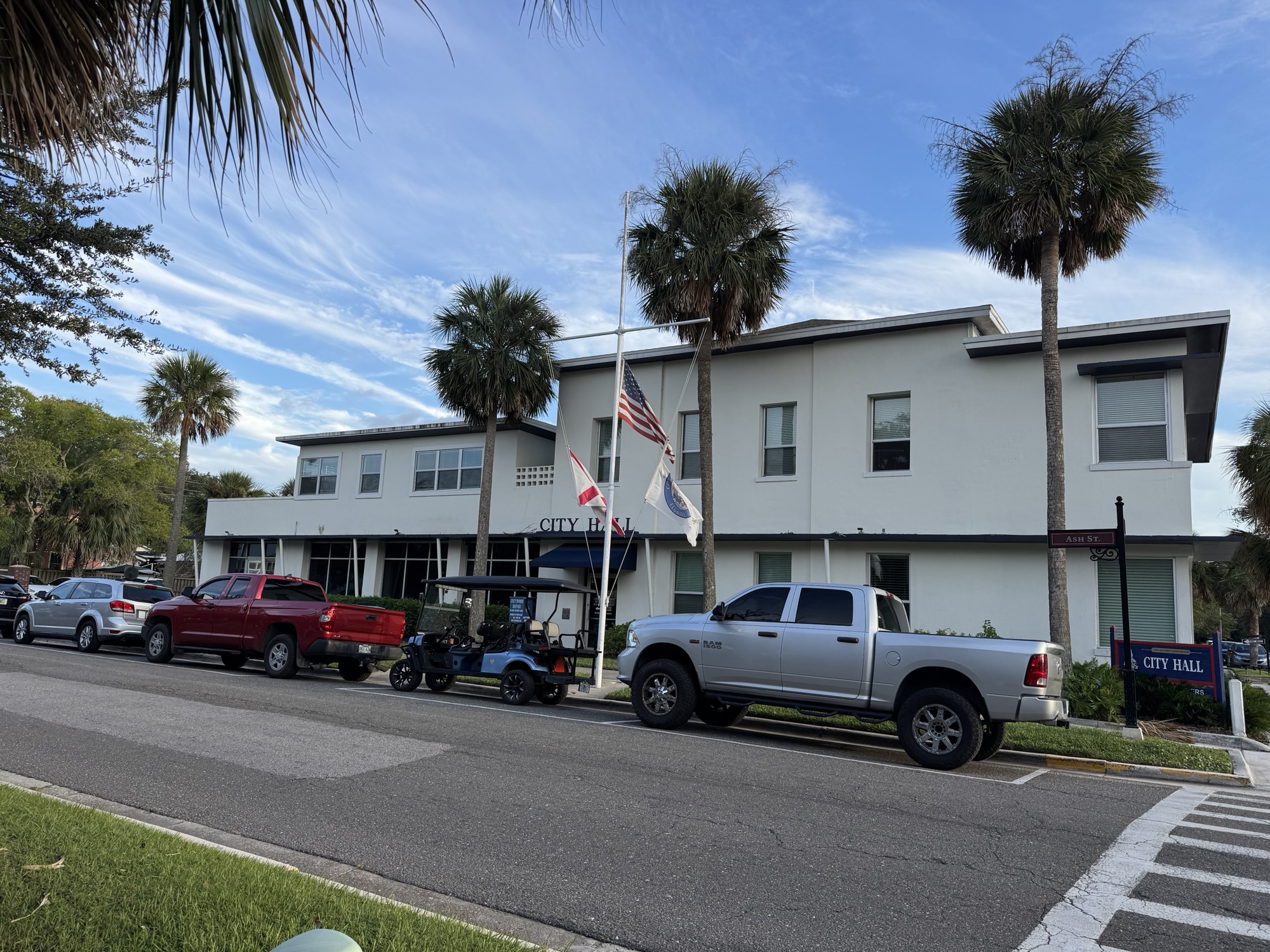
Relocating City Hall and municipal offices to the prominent West Entry on Amelia Island Parkway would also allow the city to sell its existing older or functionally obsolete properties, generating further one-time capital that could be directed toward other priorities.
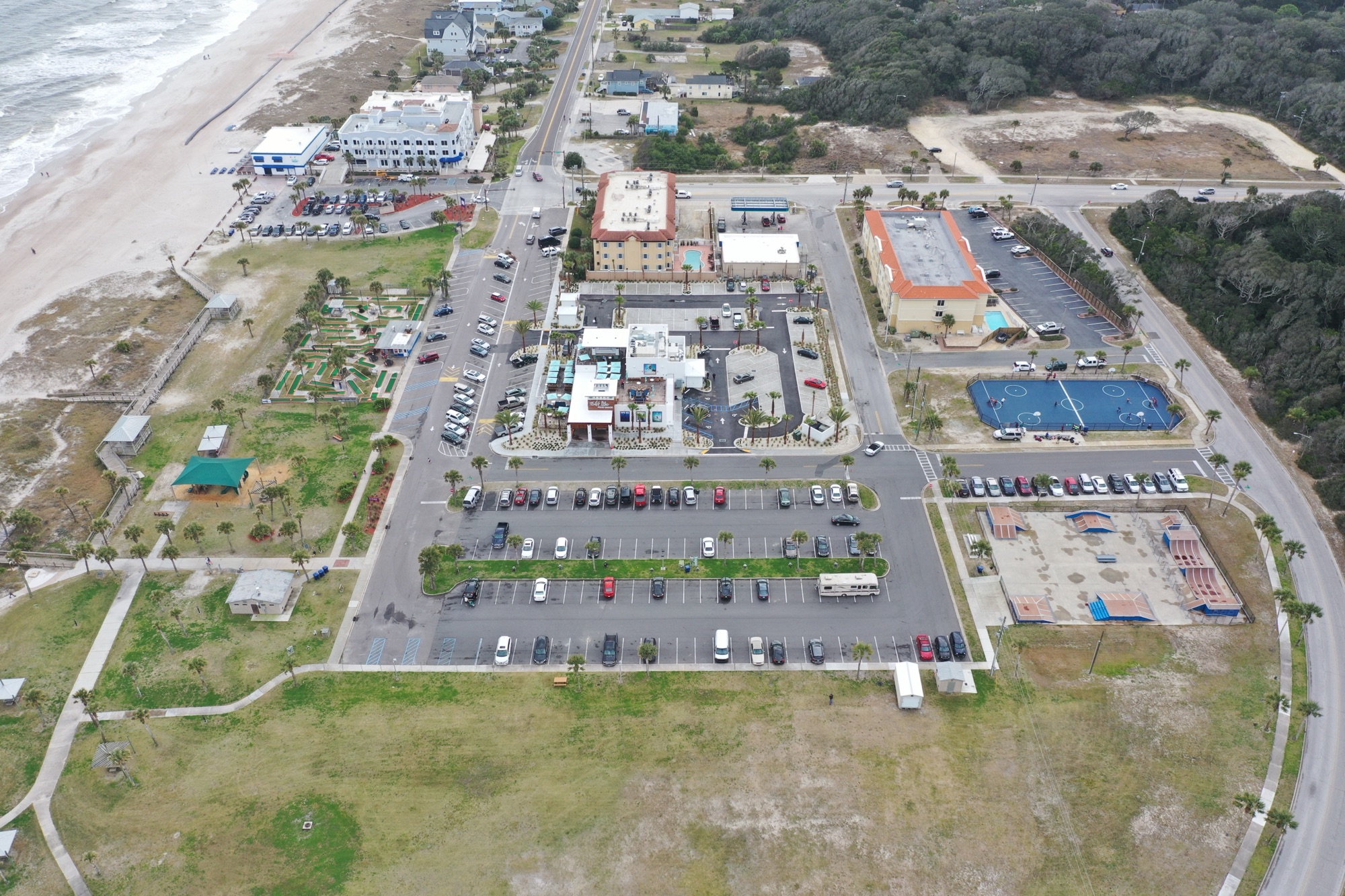
On the retained North nine, the available acreage supports a comprehensive multi-use recreation campus. This could include a soccer complex on 15 to 20 acres, an aquatic center on 4 to 6 acres, a skateboarding park on 2 to 3 acres, integrated trails on 10 or more acres, pickleball courts, and a Topgolf-style driving range with multi-use facilities centered at the existing clubhouse on 6 to 10 acres. The configuration preserves a golf element while creating amenities that serve a much broader range of residents and visitors.
Tourism trends support this direction. Amelia Island attracts travelers seeking active, social, and experiential activities. A modern Topgolf-style venue paired with pickleball, trails, and aquatic elements can attract both overnight guests and regional visitors, supporting local businesses and extending length of stay.
The golf-related and hospitality components are well suited to a public-private partnership. The city could contribute the land at no additional cost while a private operator invests in improvements to the driving range, clubhouse, restaurant, and pickleball facilities and manages operations. In return, the city could receive lease payments, revenue participation, or contractual guarantees for public access. This approach brings private capital and expertise while protecting public ownership and community benefit.
Compared with maintaining the full 27-hole course, the advantages are substantial. Continued traditional operation would likely require ongoing subsidy in a market already served by multiple private and community courses. The partial sale strategy instead creates immediate capital from the residential land, additional proceeds from the sale of existing city properties, a new long-term tax base, and a higher-utilization recreation campus operated through a financially sustainable public-private model.
The North nine provides enough land to deliver these diverse amenities without further acquisitions. A focused planning process could refine the facility mix, identify the right private partner, and coordinate the timing of the city property sales with the new municipal facility. This coordinated approach converts underutilized public land into multiple lasting financial and community benefits.
This post was prepared with AI assistance for research, fact-checking, and initial drafting.