







Protecting Primary Homes: Why Homestead Tax Relief Makes Sense
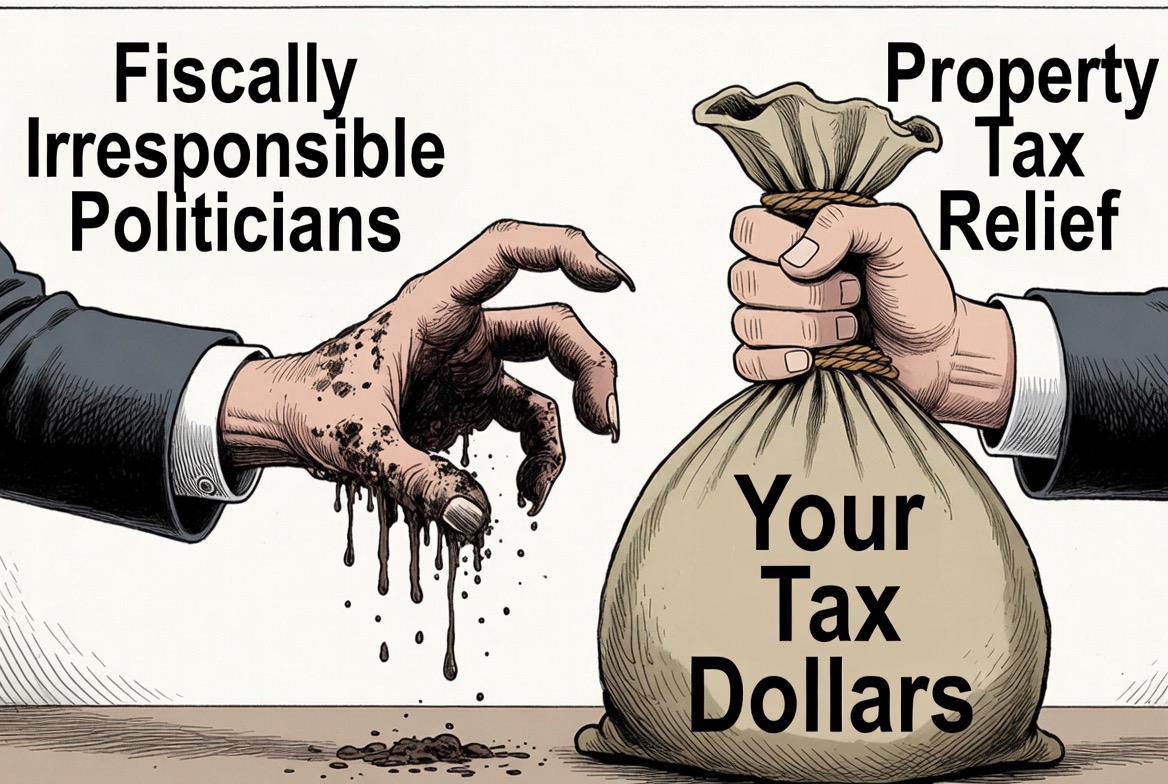
Florida homeowners have seen their property taxes rise steadily even with the Save Our Homes cap in place. As home values have increased across the state — including in Nassau County and on Amelia Island — the current homestead exemption has not kept pace with those gains. Governor Ron DeSantis has proposed raising the exemption in phases: to $150,000 in 2027 and $250,000 in 2028, with a longer-term path toward greater relief on primary residences. This is targeted help for the homes where people actually live, not a broad tax cut.
Curious about the proposal and what your tax bill might be if this passes? There’s a site and calculator here!
This approach is worth supporting. It returns meaningful savings to long-term homeowners and seniors, many of whom are on fixed incomes. It also keeps more money circulating in local economies rather than being collected and spent by government first.
Direct Relief for Homeowners
The current homestead exemption is roughly $50,000–$51,000. Raising it significantly would reduce or, in many cases, eliminate the property tax bill on primary homes valued at or below the new thresholds. This provides real, predictable relief for the people who have lived in and maintained their homes for years.
The proposal is phased, which gives local governments time to adjust, and it includes a residency requirement for newer owners. These details help focus the benefit on established Florida residents rather than creating windfalls for short-term investors.
Benefits Beyond Individual Tax Bills
When homeowners keep more of their own money, that money tends to stay in the local economy. Families may spend it at nearby businesses, invest in home improvements, or build savings. This is the classic multiplier effect at work — one dollar of tax relief can generate additional economic activity as it moves through the community.
On a broader level, meaningful homestead relief reinforces Florida’s advantage as a low-tax state. It helps working families and retirees afford to stay in their homes and supports the overall attractiveness of living here without requiring new taxes to replace the revenue.
Need-to-Have vs. Want-to-Have Spending
Local governments understandably worry about reduced revenue. Property taxes fund important services, and any reduction requires adjustments. The key is setting clear priorities between what is essential and what is optional.
Core needs — public safety, basic infrastructure, and emergency response — should come first. Many communities also pursue larger optional projects: new government buildings, subsidized entertainment venues, expansive convention facilities, or major incentive packages. These can carry high upfront and ongoing costs.
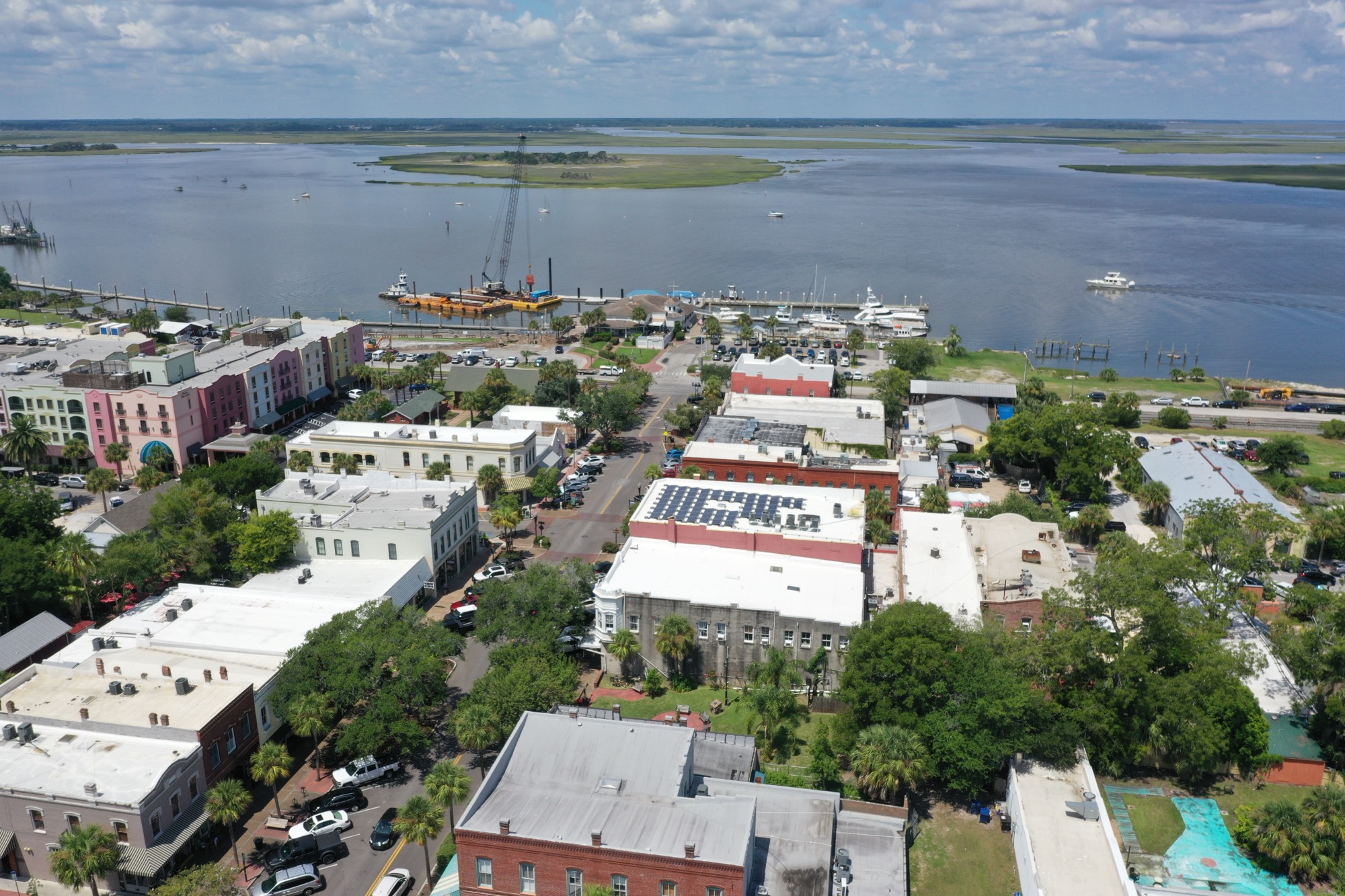
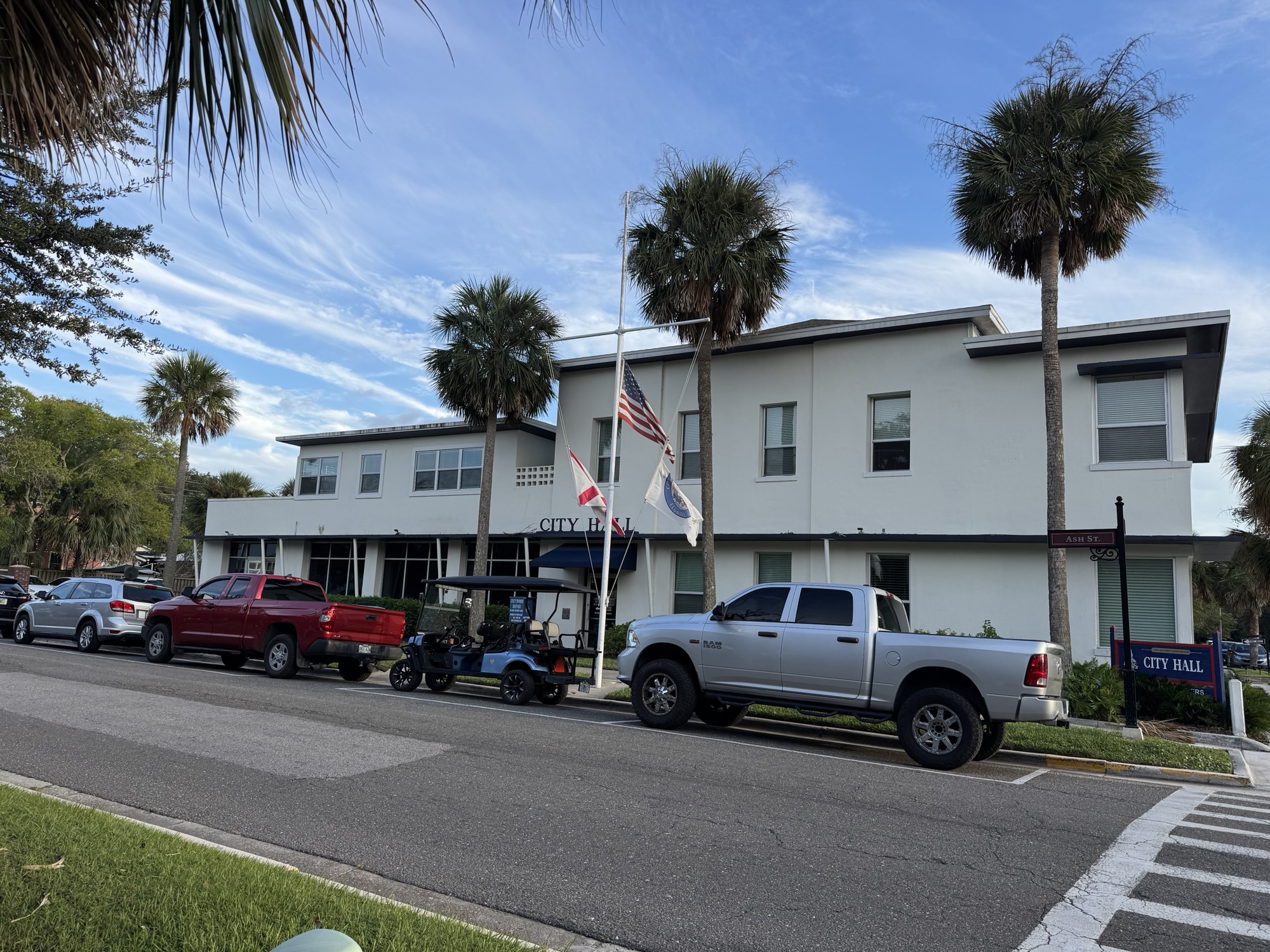
Right here locally, Fernandina Beach has discussed constructing a new City Hall estimated at well over $20 million. At the same time, available commercial space exists on Sadler Road and 14th Street that could potentially be leased. A city hall does not need to be elaborate or waterfront. It needs to be functional space for city employees.
Running the numbers on a new $20–25 million building shows significant long-term costs. Annual maintenance and reserves can reach several hundred thousand dollars, and moving the property into government ownership removes it from the tax rolls, creating ongoing lost property tax revenue. Leasing existing space often delivers comparable functionality at a lower or similar annual cost while avoiding a large capital outlay and preserving flexibility.
Another option worth exploring is a build-to-suit arrangement. If the city already owns suitable land, it could sell the property to a developer who constructs a building to the city’s specifications and leases it back. This spreads costs over time through lease payments, shifts construction risk to the private sector, and can keep the property contributing to the tax base.

The Value of Fiscal Discipline
Proposals that moderate revenue growth also create stronger incentives for local governments to live within their means. Too often, governments borrow for projects and push repayment onto future commissions and future taxpayers. When resources are tighter, priorities tend to sharpen. Spending decisions become more deliberate, and the distinction between essential services and desirable extras becomes harder to ignore.
Government can always find ways to operate more efficiently. Revenue constraints simply make that process more urgent.
Moving Forward
The proposed homestead exemption increase offers direct, practical relief to Florida homeowners while encouraging smarter prioritization at the local level. It returns money to families who can put it to productive use in their own communities and supports the kind of fiscal discipline that benefits everyone over time.
Homeowners across Nassau County and Florida have good reason to back this relief. It is focused on primary residences, phased for manageability, and aligned with the principle that people should keep more of what they earn to support their families and local economies. Local leaders, in turn, should respond by focusing resources on core services and carefully evaluating optional projects — whether through leasing, build-to-suit arrangements, or other creative approaches that avoid unnecessary long-term debt.