


Understanding Induced Demand: Parking and Urban Growth Explained

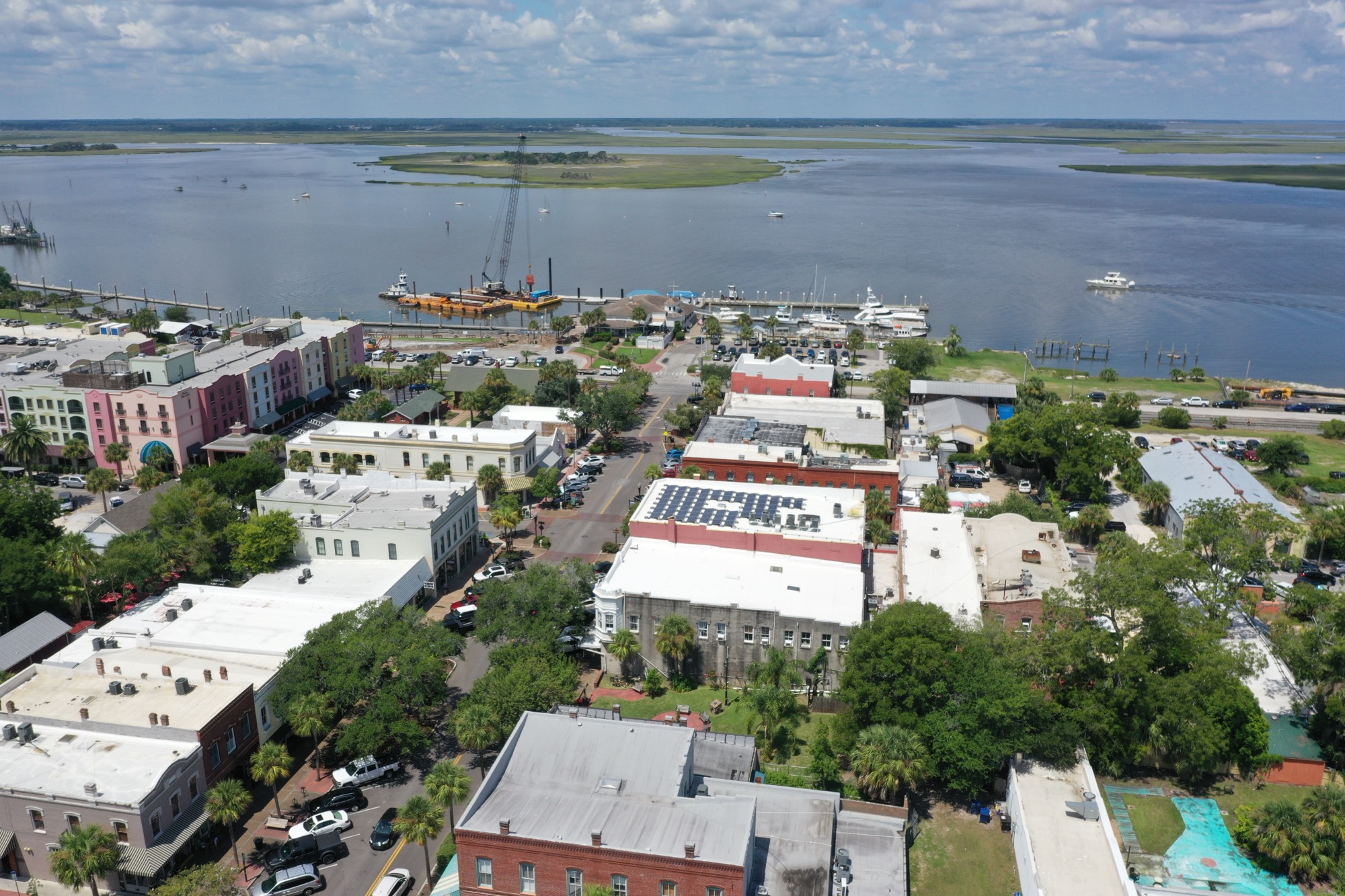
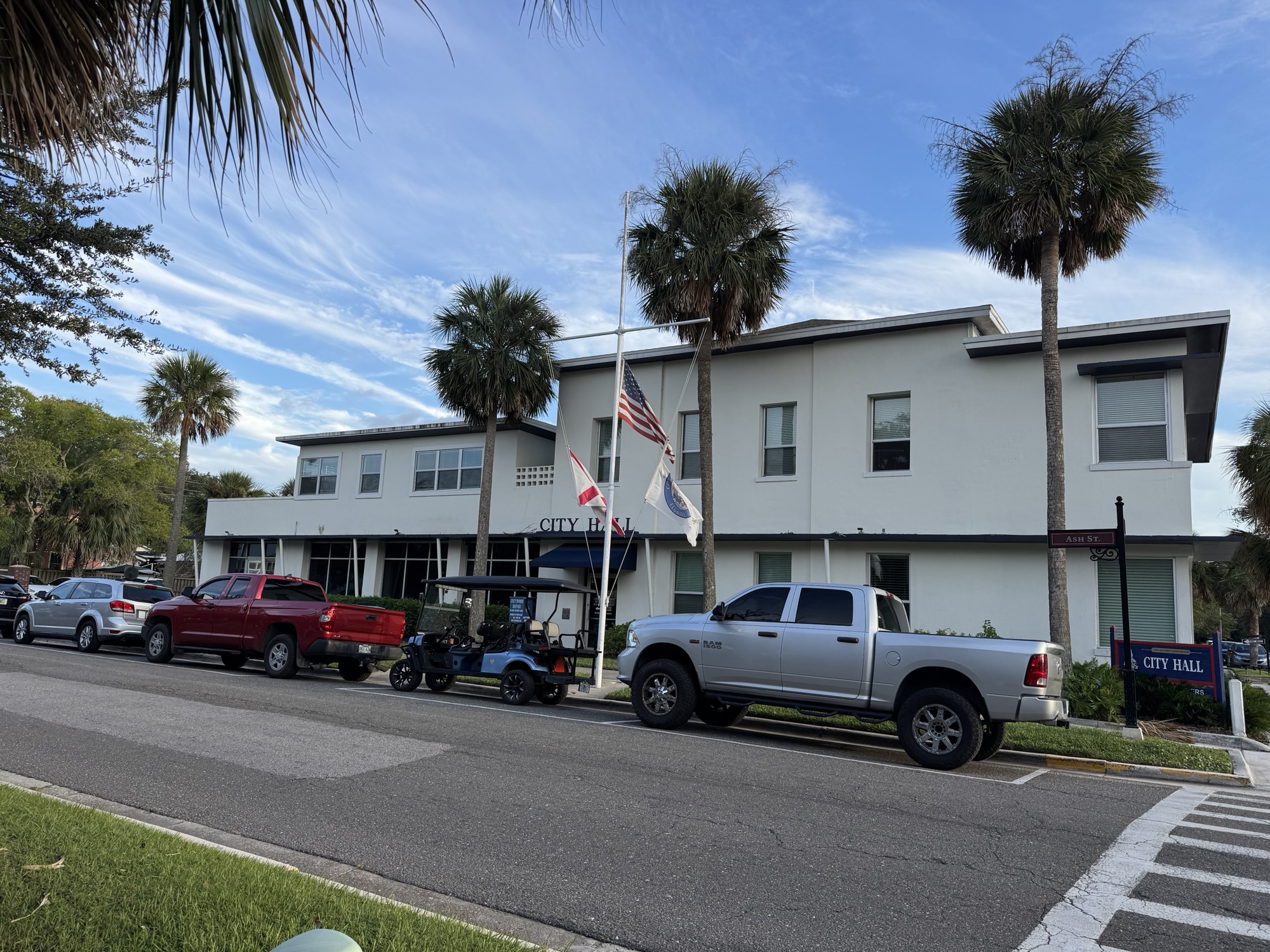
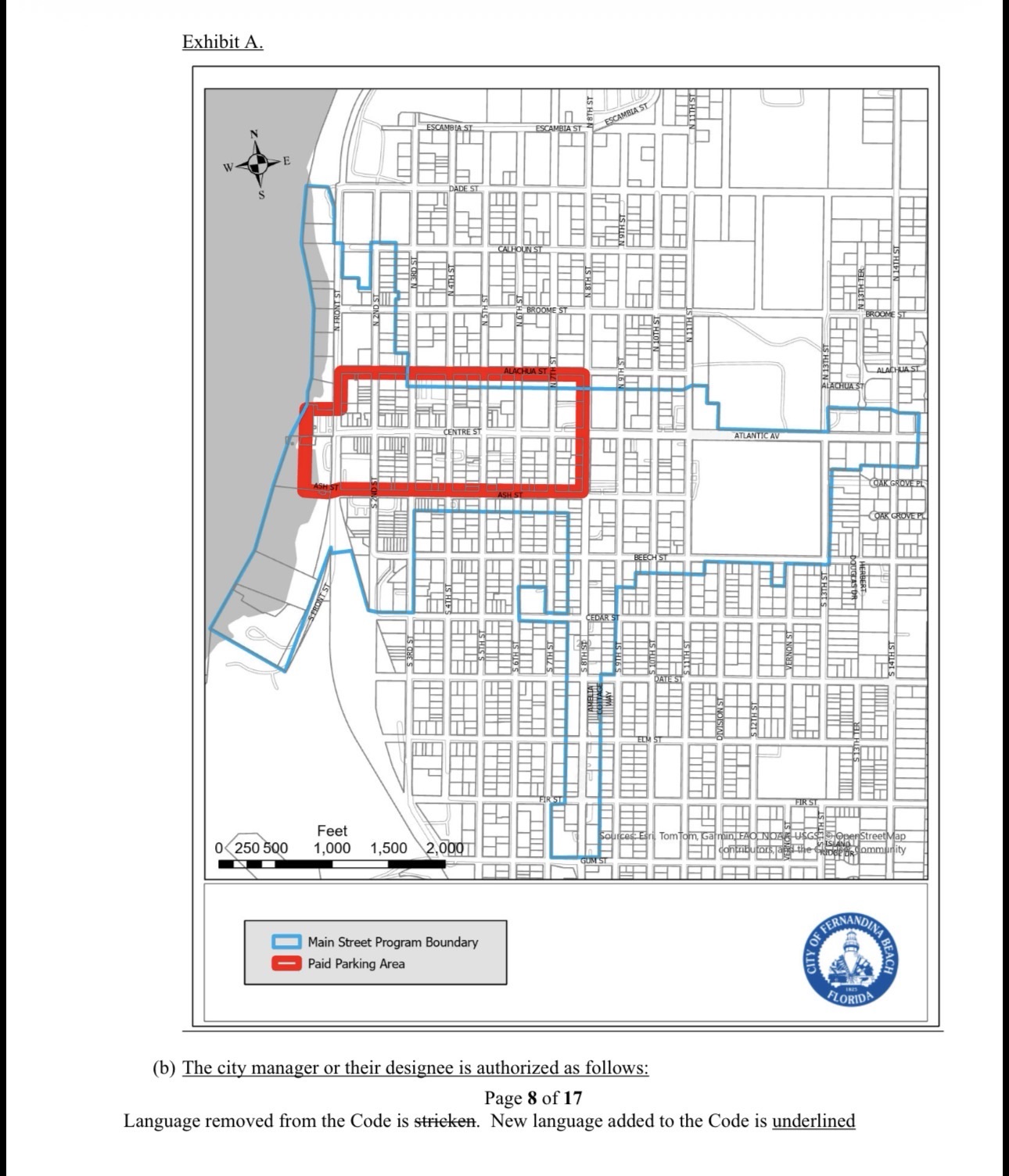
In response to the News Leader editorial advocating for extra parking spaces alongside the new City Hall on South Second Street, the core question is straightforward: Does adding more parking in a compact, historic downtown like Fernandina Beach actually solve the parking shortage, or does it create bigger issues over time?
The answer, backed by decades of urban planning research, is that it primarily exacerbates the issue later. More parking supply doesn’t eliminate demand—it stimulates additional driving, attracts more visitors by car, and enables greater development intensity. In a land-scarce area with finite space and a desire to maintain historic character and controlled growth, this creates a self-reinforcing cycle rather than lasting relief.
This dynamic is known as induced demand for parking. Just as expanding highway lanes fills with new traffic (the “law of peak-hour expressway congestion” described by economist Anthony Downs), providing abundant convenient parking encourages more people to drive who might otherwise walk, bike, use shuttles, or visit at off-peak times. Developers respond by building more car-oriented projects because spaces are available. The new parking fills up, shortages reappear, and the pressure returns—only now with less undeveloped land left for other productive uses.
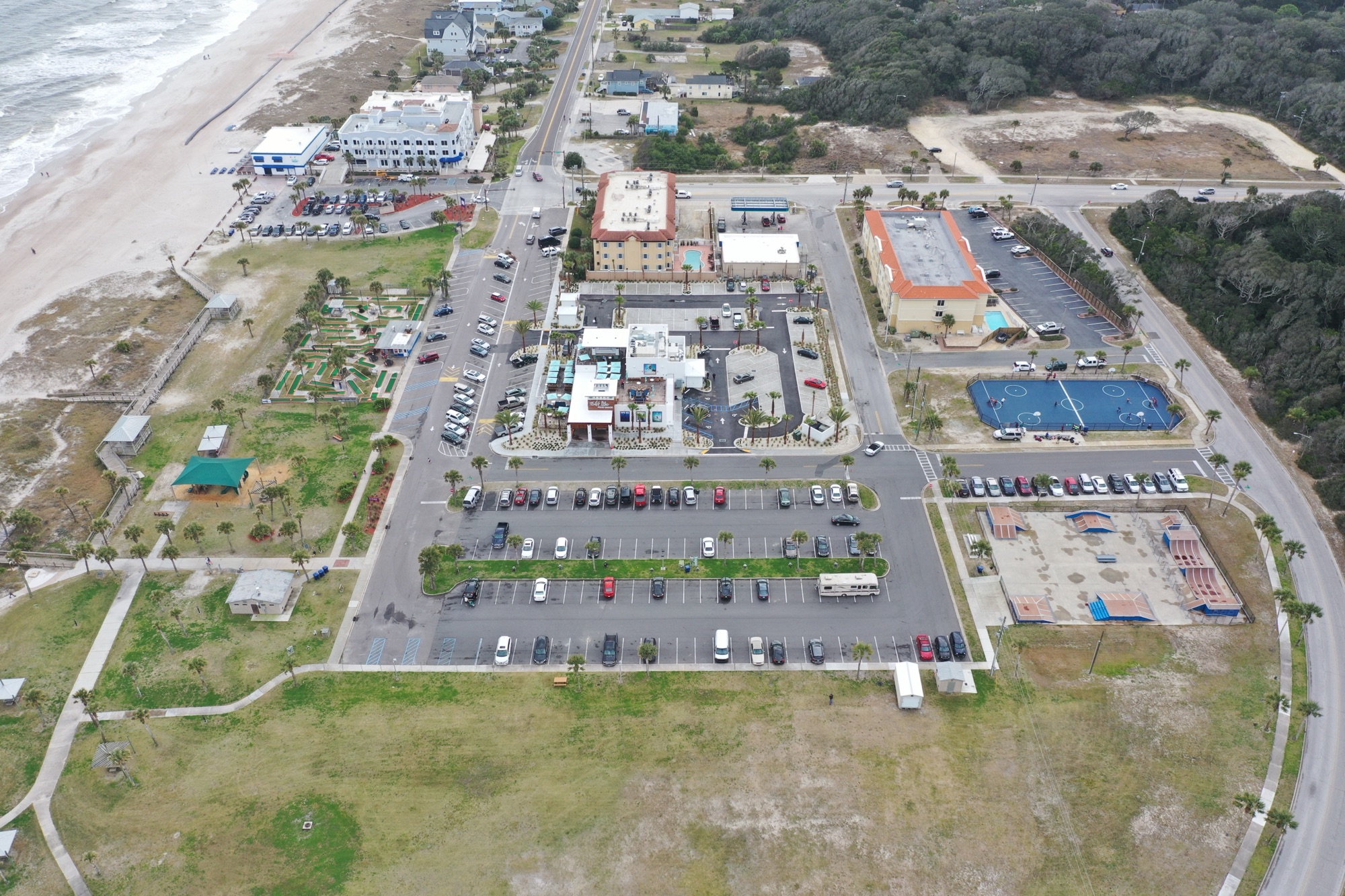
Donald Shoup, the leading expert on parking economics and author of The High Cost of Free Parking, has documented how minimum parking requirements and expanded supply distort land use. Cities often base requirements on peak observed demand in car-heavy suburban settings, then mandate enough spaces to meet that without pricing or management. The result: a “floor under parking supply” that subsidizes driving while capping what downtowns can become. Valuable real estate turns into pavement instead of housing, shops, or public space, and the historic fabric suffers. Shoup describes free or overly abundant parking as creating artificial shortages even when overall supply exists, because it encourages cruising and inefficient use.
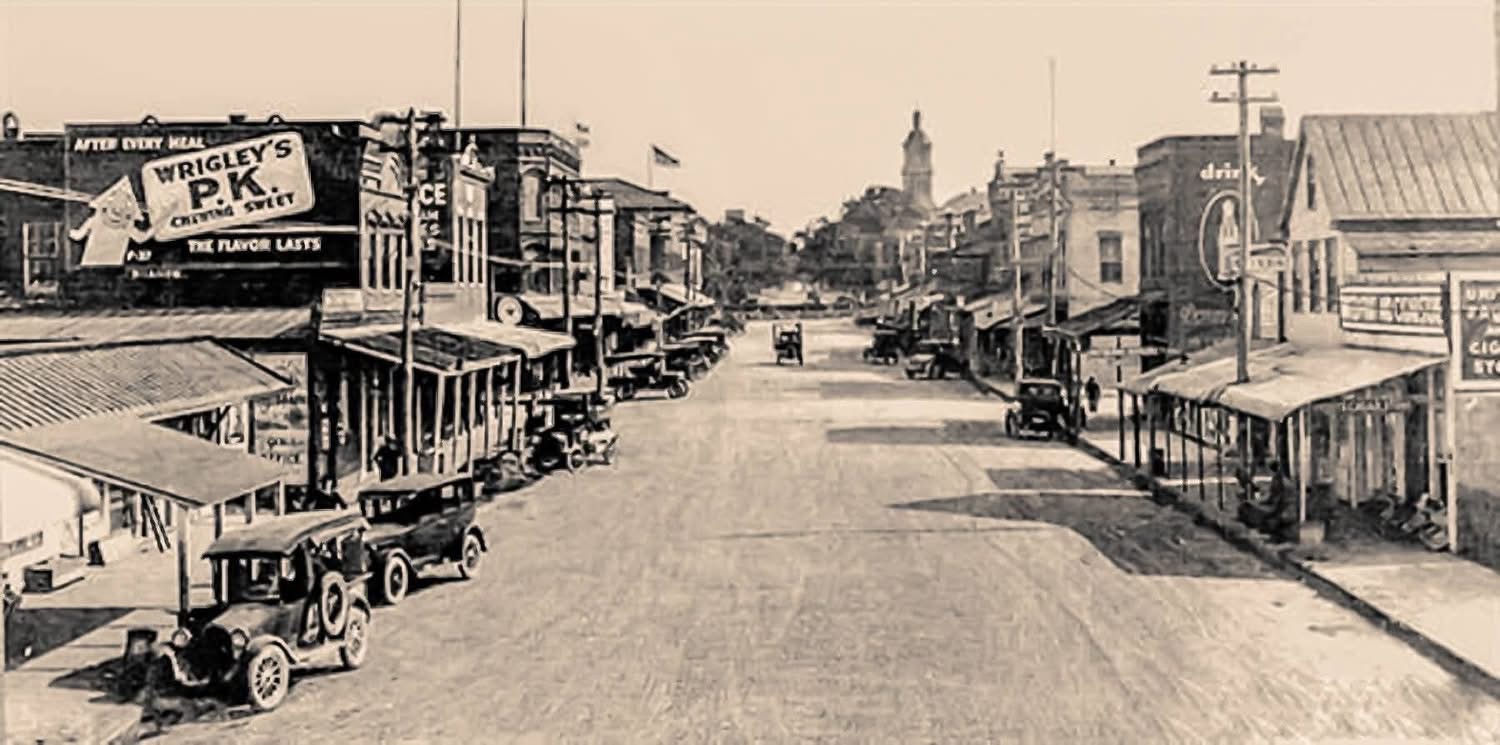
In historic downtowns and small towns, this pattern repeats. Surface parking lots dominate land that could support vibrant mixed-use development. Studies and examples from places like small-town Main Streets show that perceived “shortages” are often management problems (poor turnover, uneven distribution, or peak-hour concentration) rather than absolute lack of spaces. Adding dedicated new parking on scarce property—like the South Second Street site—temporarily eases access but draws more cars into the core, increasing congestion from circling vehicles and supporting higher development densities that strain the same limited infrastructure.
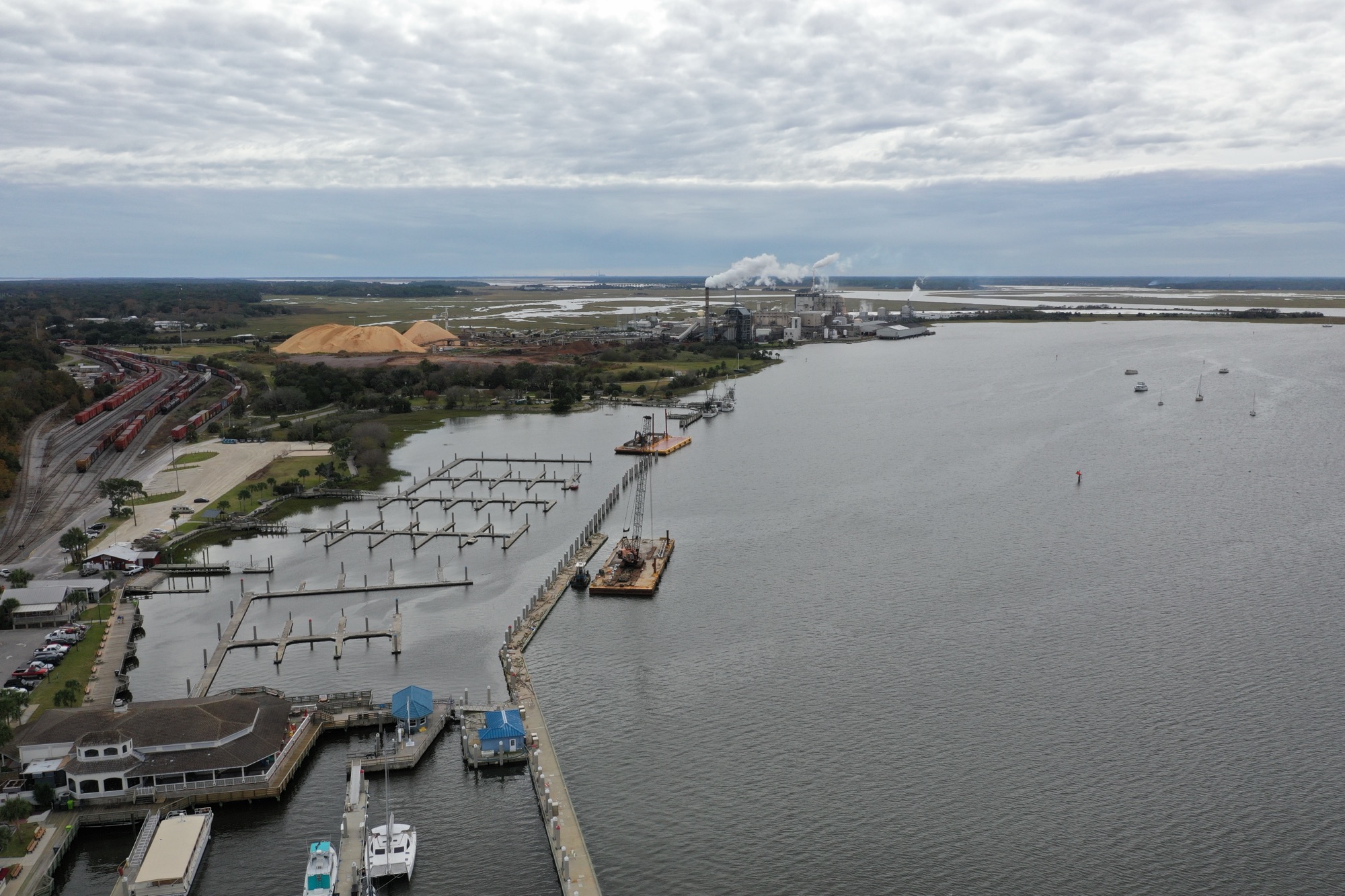
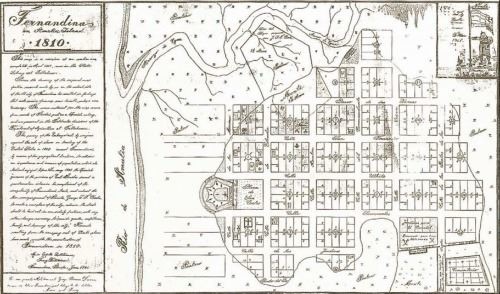
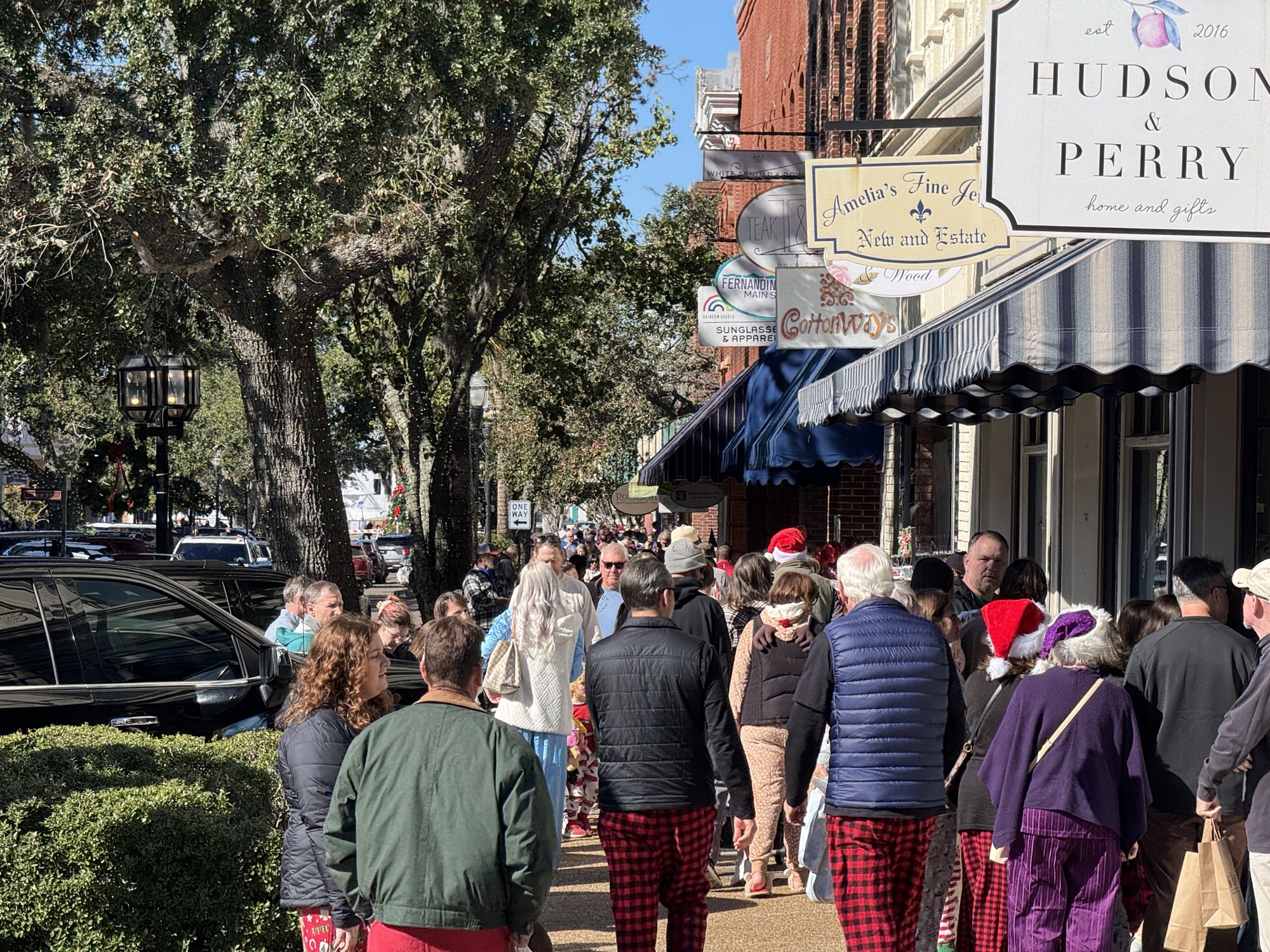
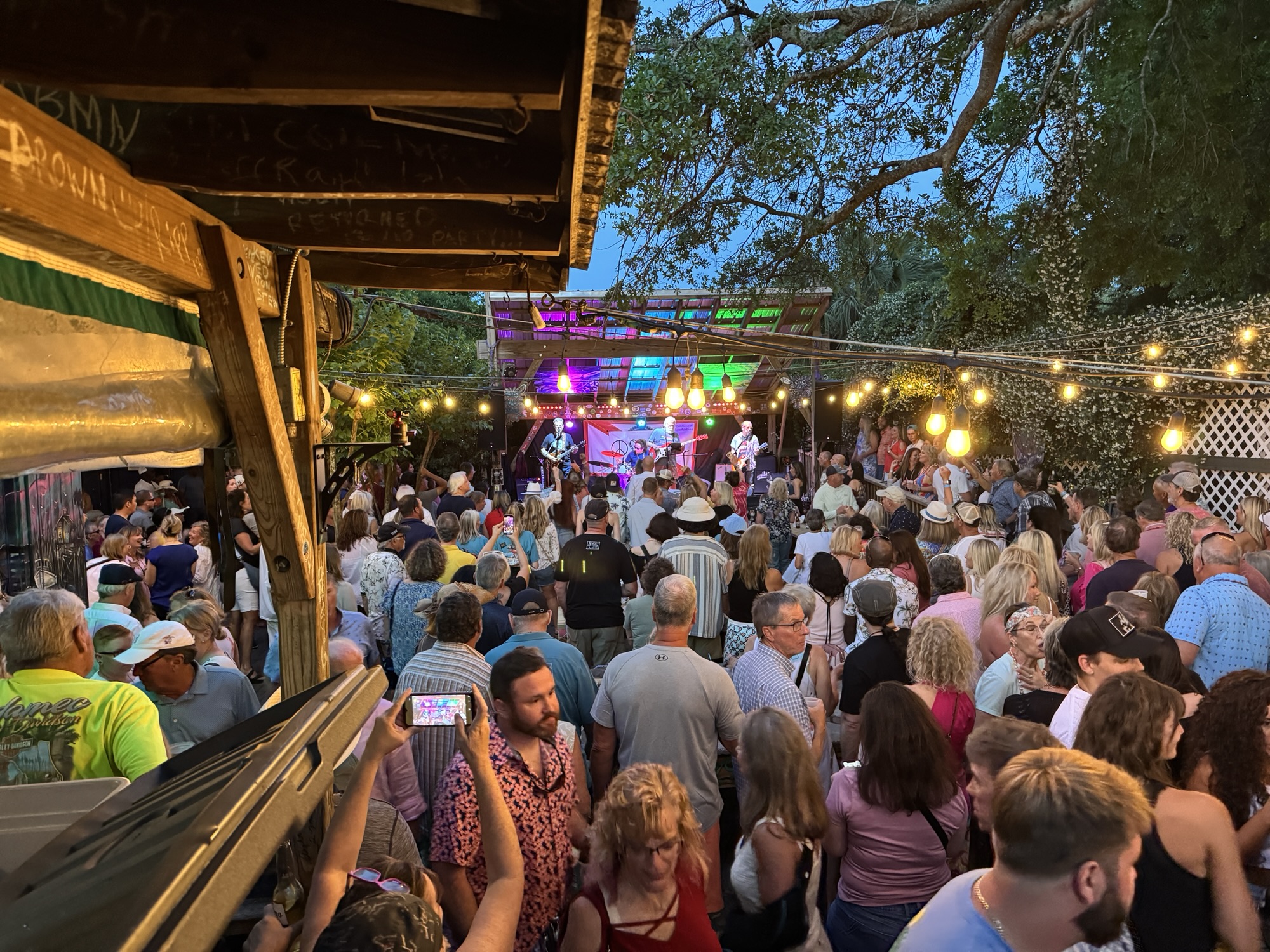
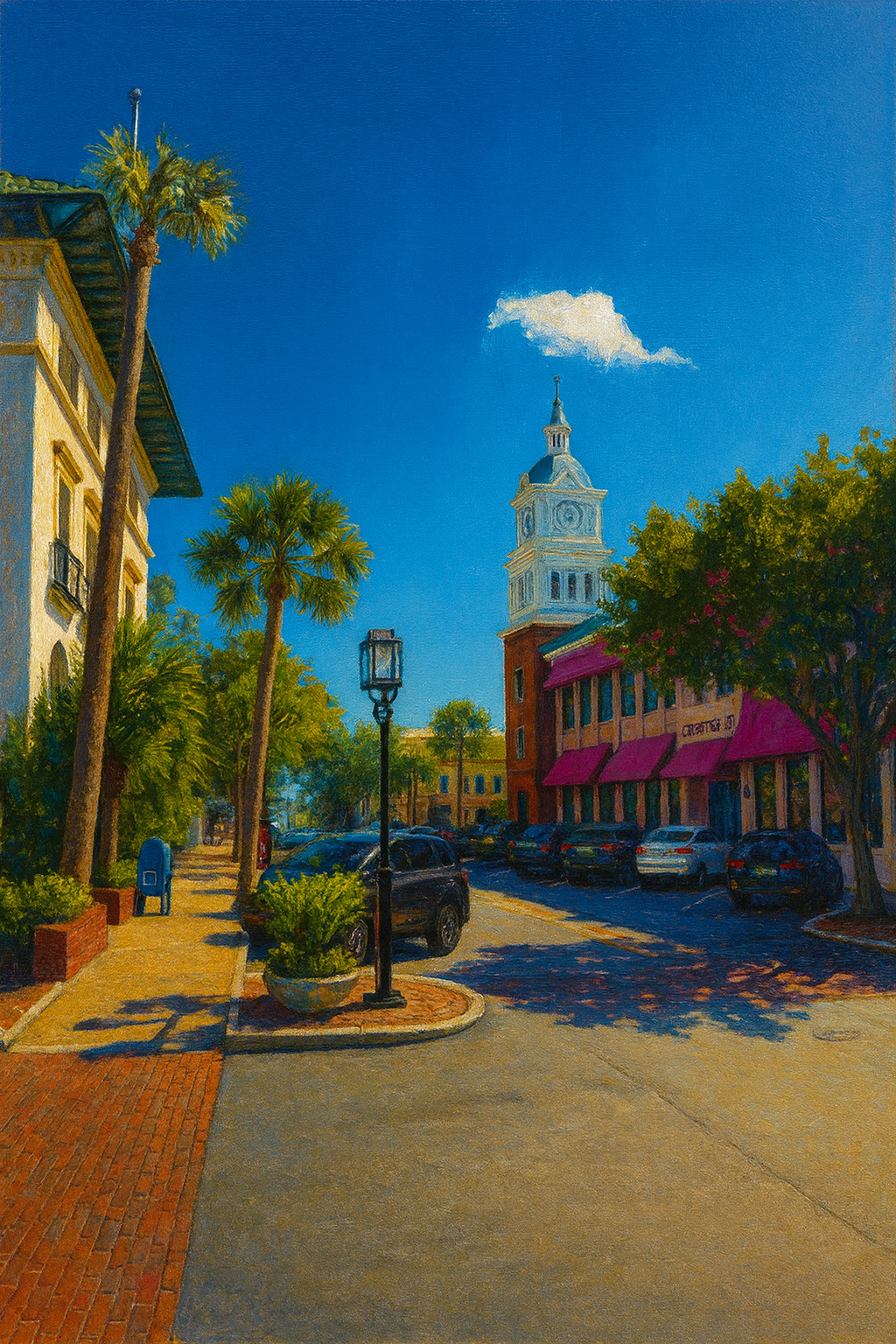
Fernandina Beach exemplifies a constrained historic coastal downtown. With booming tourism and a fixed footprint, every acre matters. The editorial correctly notes that finding convenient spaces can require circling side streets. But dedicating prime acquired land primarily to new public parking removes a natural check on growth. Scarcity acts as a limiting factor that helps control maximum density and intensity of use. It encourages smarter behaviors—visitors parking once and walking to multiple destinations, or choosing peripheral options—and preserves the walkable, charming scale that defines Fernandina. Removing that limit by adding spaces accelerates car dependency, fills the new capacity quickly, and leads to calls for yet more parking, eroding the very qualities residents and visitors value.
Many small towns and historic districts have recognized this. Communities that have relaxed or removed parking minimums in downtown zones have seen more flexible redevelopment, better use of existing space, and livelier streets without the predicted chaos. The solution isn’t chasing “enough” parking, which rarely materializes in growing areas. Instead, focus on better management of what exists: improving turnover, shared arrangements between uses, multimodal connections (sidewalks, bikes, shuttles from outlying areas), and designing the new City Hall site for mixed civic and active uses rather than a sea of new spots.
The editorial frames new City Hall and added parking as preparing for the future while addressing today’s realities. True preparation means understanding that in a land-limited historic core where controlled density is desirable, parking scarcity serves as a built-in governor on unsustainable growth. Adding more spaces provides short-term convenience at the cost of long-term livability—paving over opportunities for the vibrant, people-focused downtown Fernandina aims to sustain.
What do you think? In a place like ours, should limited parking be viewed as a problem to pave over, or as a tool that helps guide thoughtful, sustainable growth? Share your experiences from other historic downtowns in the comments.