




Fernandina Beach Recall Update: Current Status, Viable Options, Example Petition Wording & Stronger Paths for Recall (April 9, 2026)
Researching the reason why the recall petitions were halted is easier to understand when seeing hypothetical examples of wording or situations a court might have supported. While I wish we could recall commissioners who ignore a majority of voters and business owners, if wishes were fishes….
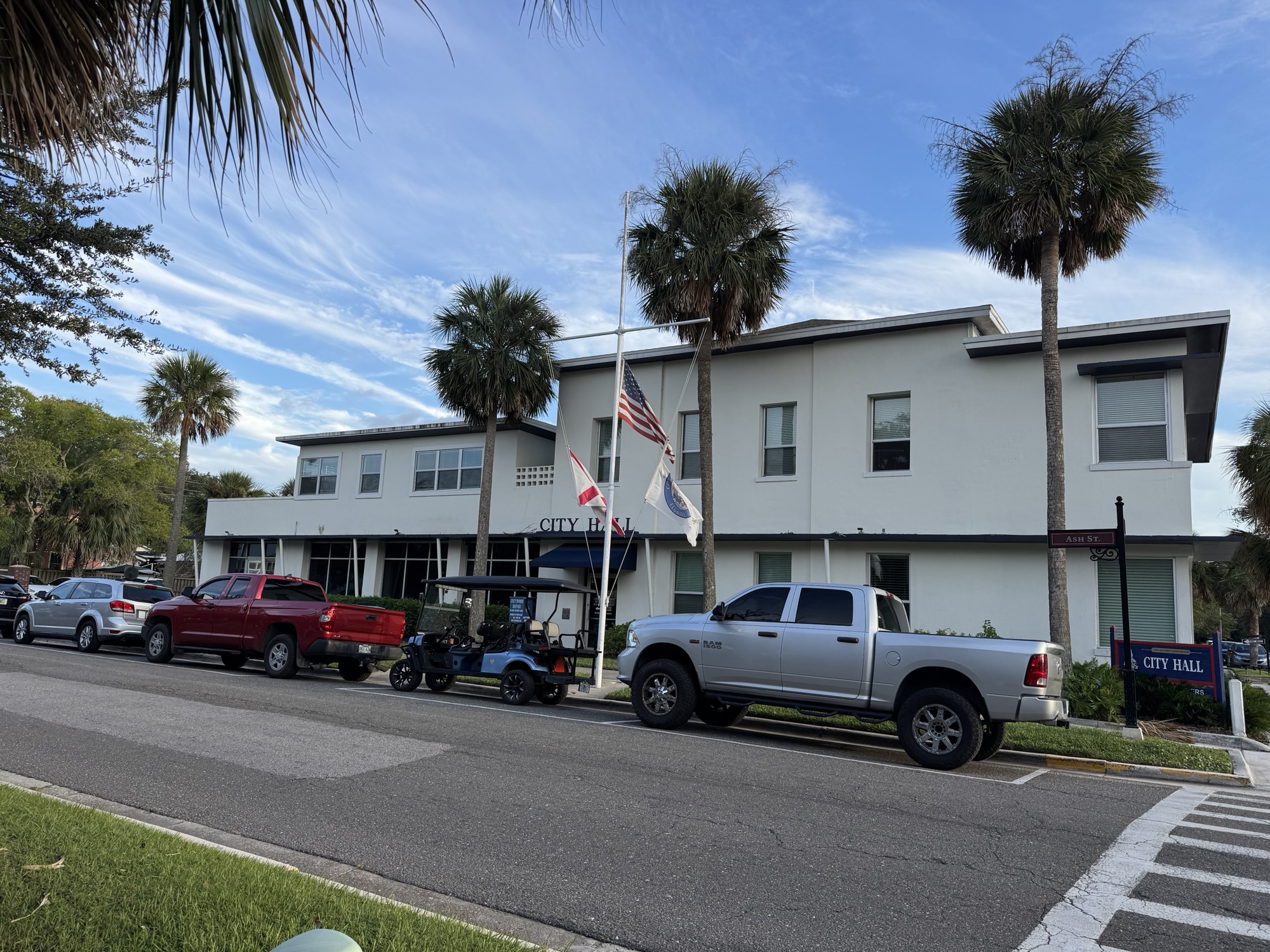
The recall effort against Fernandina Beach City Commissioners Genece Minshew and Tim Poynter (Recall FB 2026) remains halted by court order. On April 7, 2026, Nassau County Circuit Judge Marianne Aho issued a 13-page order granting a temporary injunction in favor of the commissioners. This blocks the Nassau County Supervisor of Elections from validating signatures or placing the recall on any ballot and prohibits Recall FB 2026 organizers from continuing to collect or submit petitions for these specific filings.

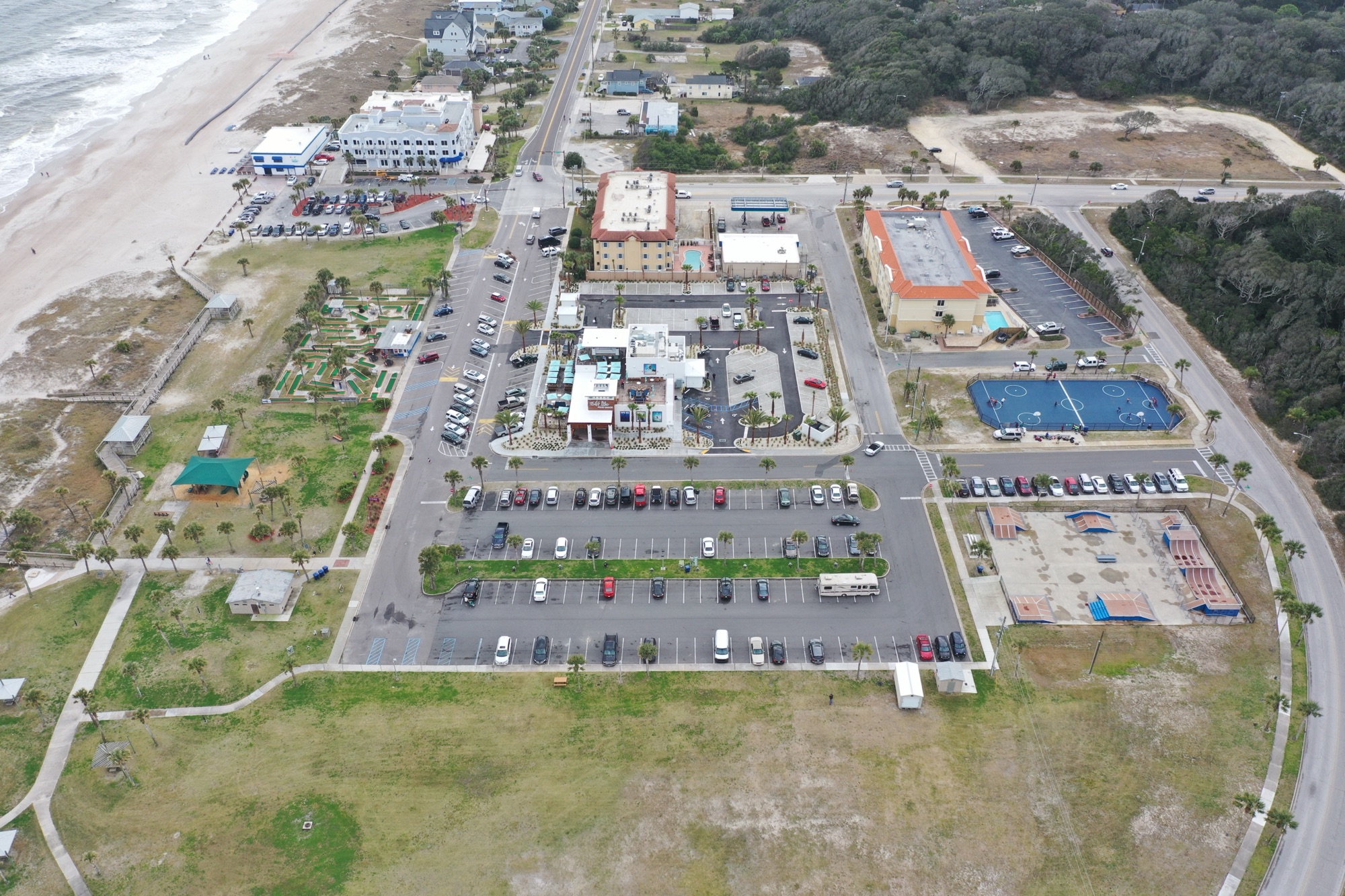
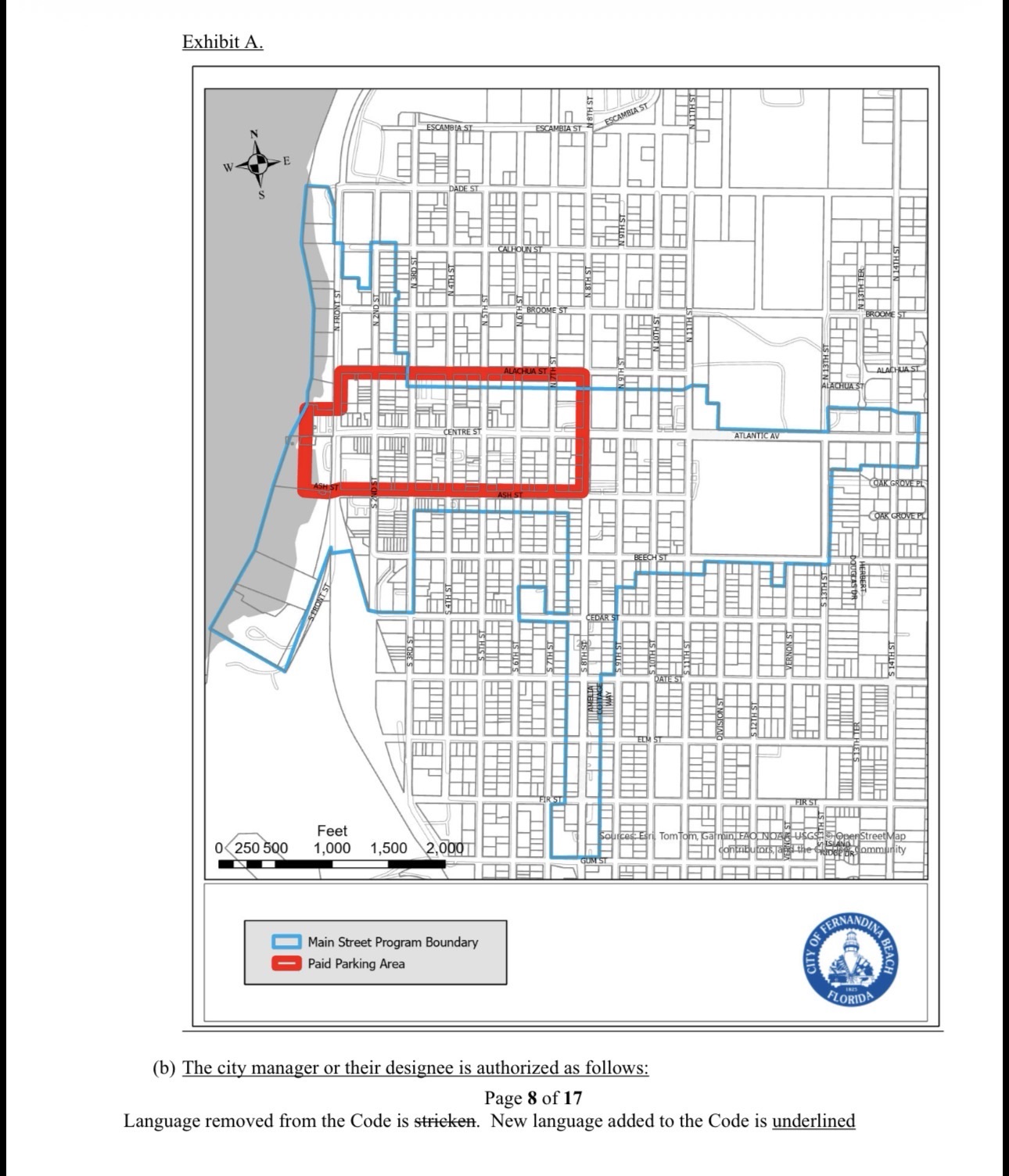
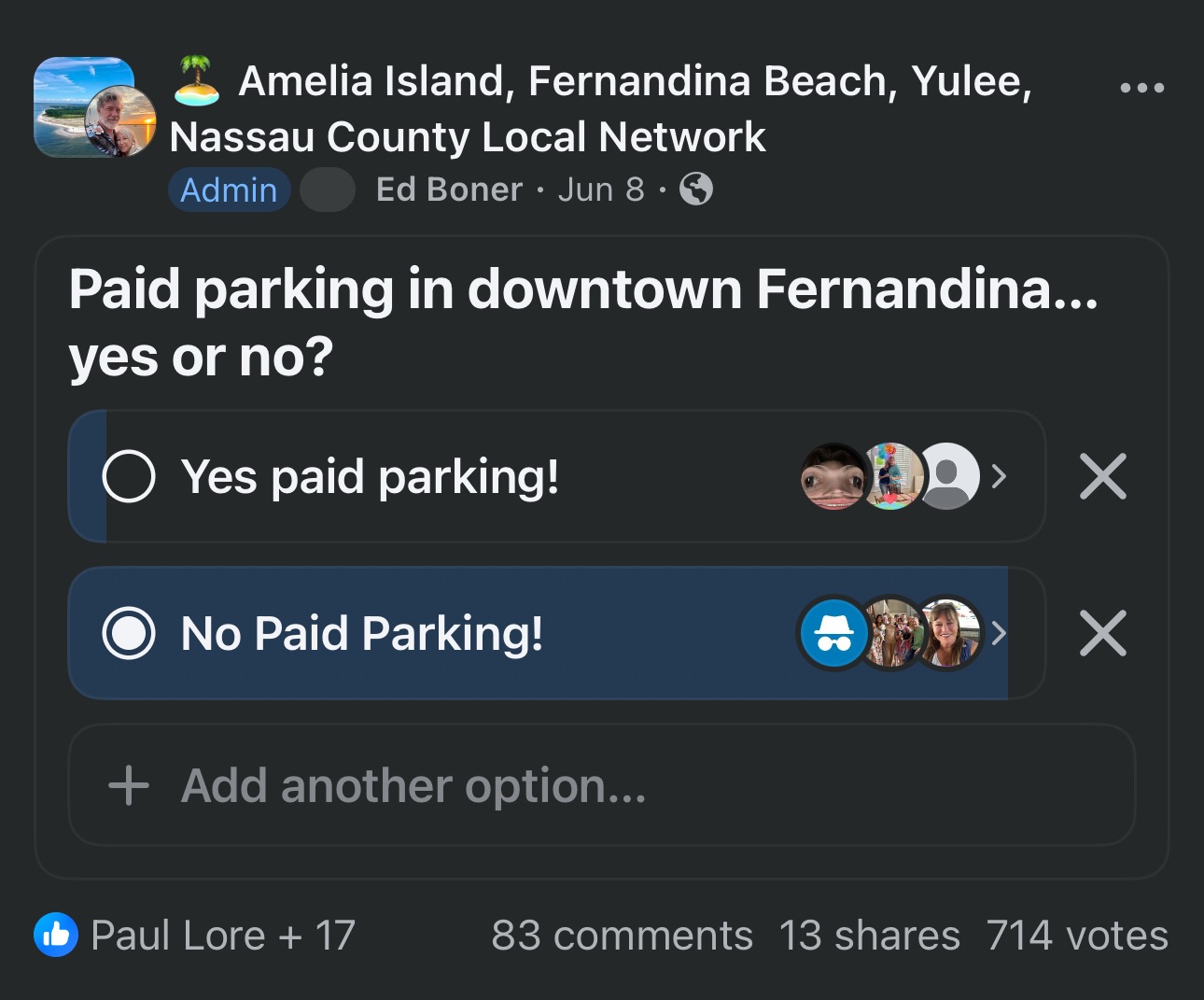
The drive, chaired by Pat K. Gass, collected over 1,400 signatures per commissioner (threshold ≈1,600). It stemmed from strong opposition to the city commission’s 4-1 vote approving a downtown paid-parking program that took effect in February 2026. The program faced rallies, public comment, and a separate citizen referendum effort set for August 2026.
Real basis for the recall petitions
The petitions alleged misfeasance (approving the paid-parking ordinance without conducting or considering a proper fiscal impact analysis) and neglect of duty (voting on October 21, 2025, to reject a citizen-initiated ordinance banning paid parking, and on January 6, 2026, to approve and implement the program despite widespread public opposition, over 1,700 petition signatures against it, and an impending referendum). Organizers framed the actions as ignoring resident will and failing to represent constituents. Judge Aho ruled these allegations legally insufficient on their face under Florida Statute §100.361. She determined they primarily amount to policy and political disagreements over a lawful discretionary vote, rather than qualifying grounds such as actual unlawfulness, corruption, or failure to perform a mandatory (non-discretionary) duty. The city had included fiscal impact notes in agenda materials, and commissioners had no legal obligation to delay action pending a potential referendum.
Example of the original petition wording (reconstructed from court filings and news reports for illustration only; not verbatim)
“Genece Minshew [or Tim Poynter] has committed misfeasance and neglect of duty in office by voting on October 21, 2025, to reject a proposed citizen-initiated ordinance prohibiting paid parking and by voting on January 6, 2026, to approve and implement a paid-parking program without conducting or considering a proper fiscal impact analysis, despite widespread public opposition evidenced by rallies, petitions signed by over 1,700 residents, and an ongoing citizen referendum effort. These actions demonstrate a failure to uphold the public interest and the principles of representative government.”
Examples of a stronger path for recall petitions
Florida courts use a strict “four corners” review: the petition must allege specific facts that, if true, would constitute one of the seven statutory grounds (malfeasance, misfeasance, neglect of duty, etc.). Pure policy disagreements do not qualify. A stronger petition focuses on clear violations of mandatory legal duties, specific illegal acts, or procedural breaches supported by concrete evidence (dates, statutes, provable facts).
Here are hypothetical examples of stronger wording (illustrative only; these would require actual supporting evidence and are not based on confirmed violations in this case):
1. Alleging violation of Florida’s Government-in-the-Sunshine Law
“Commissioner Genece Minshew committed misfeasance by participating in the January 6, 2026, vote approving the paid-parking ordinance after engaging in undisclosed deliberations with developers on December 15, 2025, in a private meeting without proper public notice, in violation of Florida Statute §286.011, rendering the vote legally invalid.”
2. Alleging failure to perform a specific mandatory duty required by law or charter
“Commissioner Tim Poynter neglected a duty imposed by the Fernandina Beach City Charter and Florida Statute §166.021 by approving the paid-parking fee structure on January 6, 2026, without first obtaining the mandatory independent fiscal impact study expressly required before enacting any new municipal fee, despite written notice from the City Attorney on December 20, 2025, that such a study was compulsory.”
3. Alleging undisclosed conflict of interest
“Commissioner Genece Minshew engaged in malfeasance by voting to approve the paid-parking program on January 6, 2026, while failing to disclose and recuse herself from a direct financial conflict: her spouse’s ownership of a downtown commercial property that would gain increased value from the program, in violation of Florida Statute §112.3143.”
Petitions using specific, provable legal violations (such as documented Sunshine Law breaches or mandatory procedural failures) have a better chance of surviving judicial scrutiny in Florida recall cases.
Viable options going forward
1. Appeal the temporary injunction to the Florida First District Court of Appeal (often expedited in recall matters).
2. Refile with new, stronger petitions using specific legal-violation language like the examples above, if organizers can gather supporting evidence (this restarts signature collection).
3. Pursue the August 2026 citizen referendum on the paid-parking program itself.
4. Focus on regular city commission elections or ongoing public advocacy and lobbying.
5. Accept the ruling and redirect efforts to normal democratic processes.
Opinion on appeal success
It is unlikely the current recall will succeed on appeal. Judge Aho’s detailed order aligns closely with Florida precedent that narrowly interprets recall grounds and does not allow them as a “do-over” for unpopular but lawful policy votes. Appellate courts typically defer to the trial court’s legal analysis in petition-sufficiency reviews. Refiling with stronger, fact-based allegations (option 2) offers the most practical path forward if viable evidence exists.
This case highlights the balance Florida law strikes between voter accountability and protecting officials from frequent recalls over routine governance decisions.
AI Disclosure: This response is generated by Grok, an AI built by xAI. It is based on publicly available news reports, court descriptions, and Florida legal principles as of April 9, 2026. The petition wording examples (both original and hypothetical stronger versions) are illustrative reconstructions for educational purposes only—they are not legal documents or advice. Consult a qualified Florida attorney for any actual recall efforts, petition drafting, or appeals. Opinions expressed are analytical assessments, not guarantees of legal outcomes.