




Pirates, Meters, and the Politics of Parking: A Lesson from Amelia Island
Amelia Island once ran a pirate government. That isn’t metaphor. In 1817 the island briefly became a functioning privateer republic under Luis Aury, a French adventurer operating under revolutionary commissions. He had flags, documents, and titles. He collected fees, regulated trade, and enforced authority. The port was organized, profitable, and efficient.
What Aury did not have was voter approval.
His regime operated on a simple principle: if authority can be exercised, it will be. Consent was assumed. Participation was optional. The system worked beautifully—for those running it.
The island’s geography helped. Amelia lies cradled in a maze of tidal creeks, marsh channels, and hidden inlets, perfect for discreet commerce. That same terrain didn’t just lure 19th-century privateers. It drew generations of smugglers who knew frontier coastlines reward anyone bold enough to navigate the gray spaces between enforcement and opportunity. Florida’s history brims with episodes where contraband outran oversight and the line between regulator and opportunist sometimes blurred.
Those were the island’s next pirates: not cutlass-wielding buccaneers, but smugglers threading the same concealed routes Aury once used. They weren’t seizing territory. They were gaming systems—geographic, bureaucratic, human—in pursuit of profit. Piracy simply evolved. The vessels changed; the playbook endured.
A notorious local chapter came on Thanksgiving Day 1977, when the Colombian-registered shrimp boat Gilberto ran aground near Fernandina Beach’s jetties, laden with an estimated 25–27 tons of marijuana. In a frantic bid to destroy the evidence, the crew set bales ablaze—only for the fuel tank to explode, hurling burning marijuana across the beach in a surreal, wind-scattered spectacle. What was meant to be a covert offload became an unintended public giveaway, littering the shores with contraband. The hidden corridors had betrayed them, but the method—exploiting Amelia’s quiet inlets for illicit advantage—remained as old as Aury’s republic.

And here’s where the story sheds its antique dust.
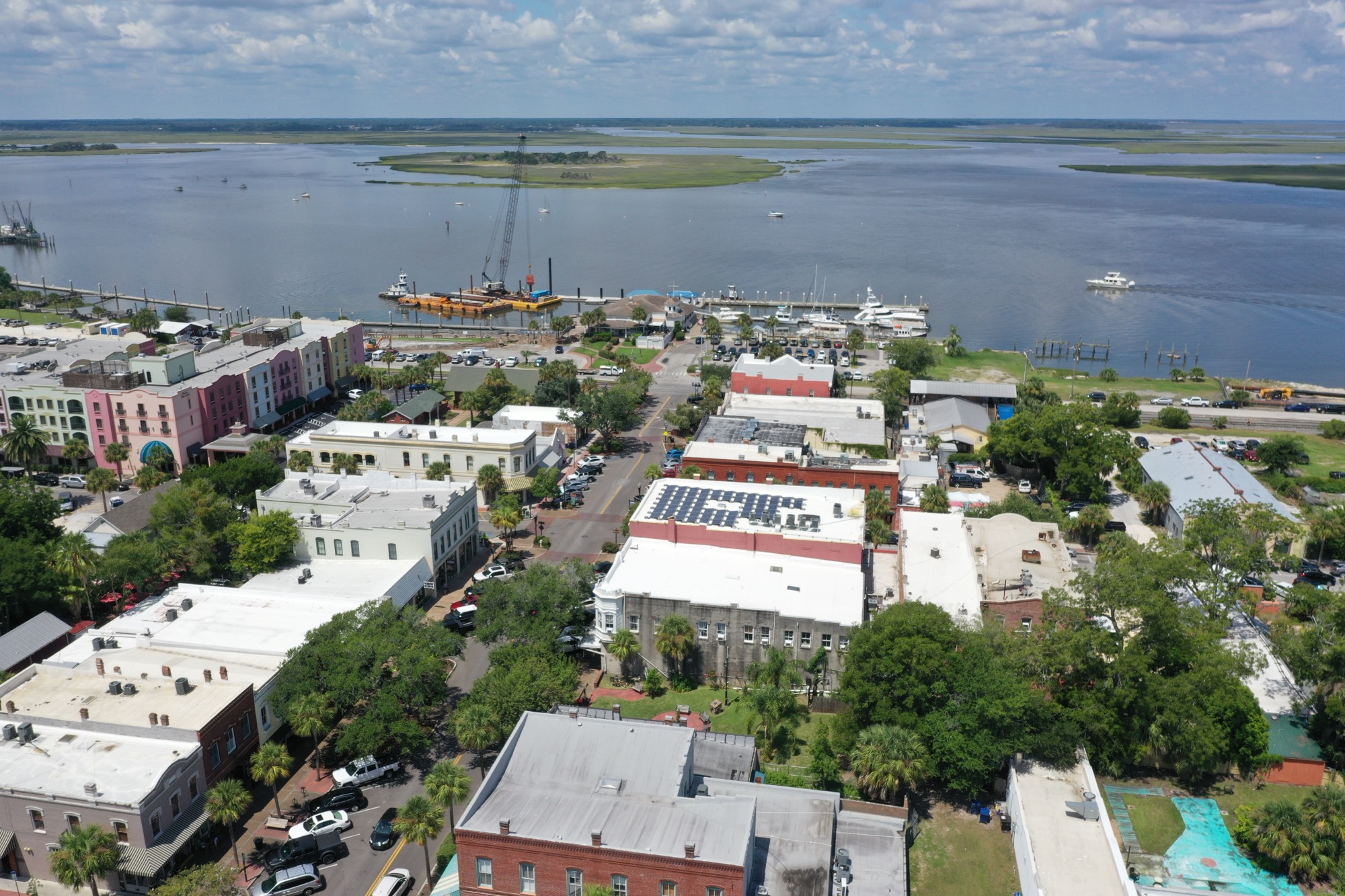
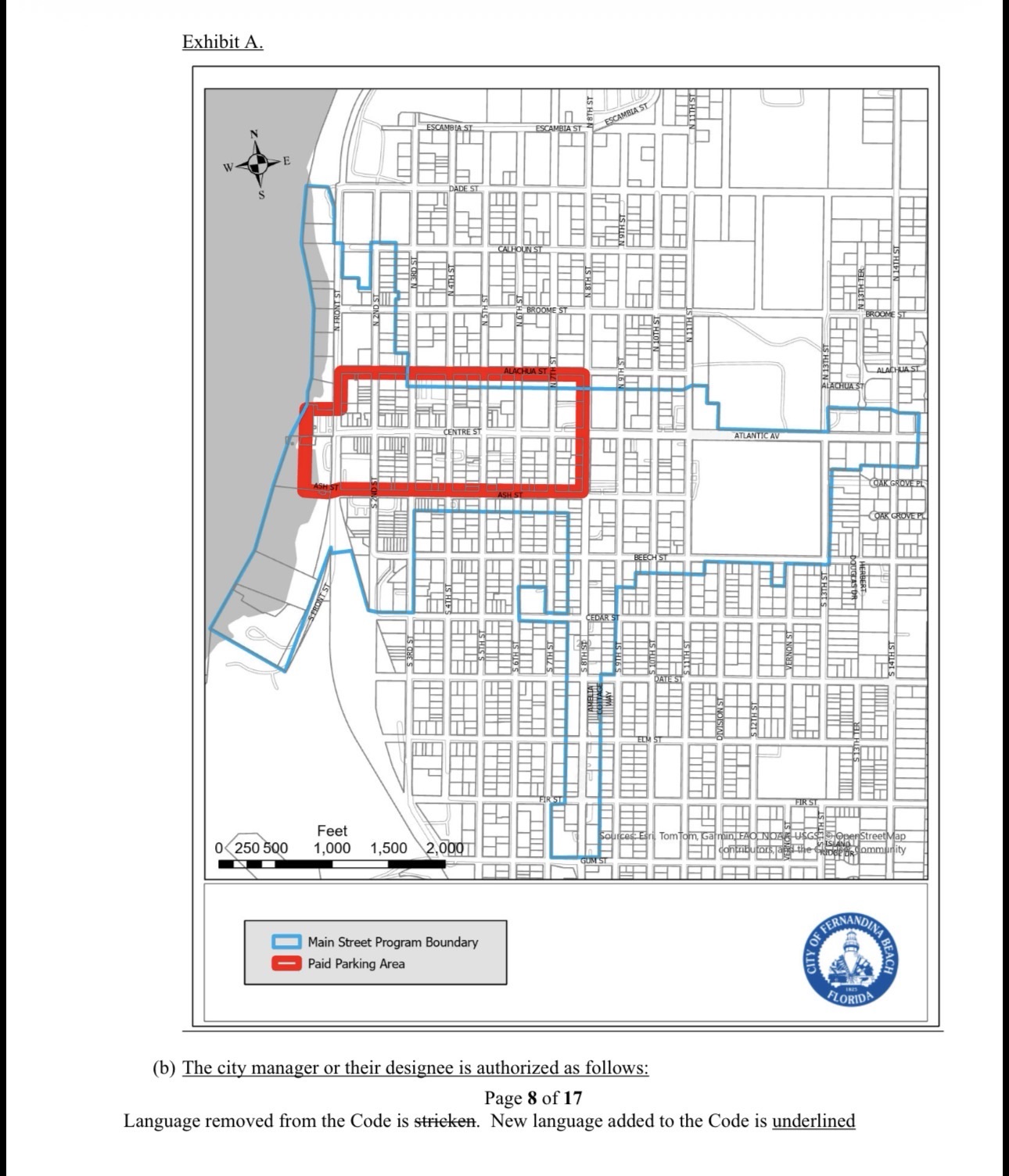
Modern governance doesn’t dress up like a pirate port, but the tension Amelia first exposed never faded. It resurfaces whenever decisions technically comply with rules yet bypass the spirit of public consent. Imposing paid parking in historic downtown Fernandina Beach via city ordinances—despite overwhelming petitions, overflowing commission meetings, active lawsuits, recall efforts, and an impending August referendum—may be legal. Legality, however, is not the same as legitimacy.
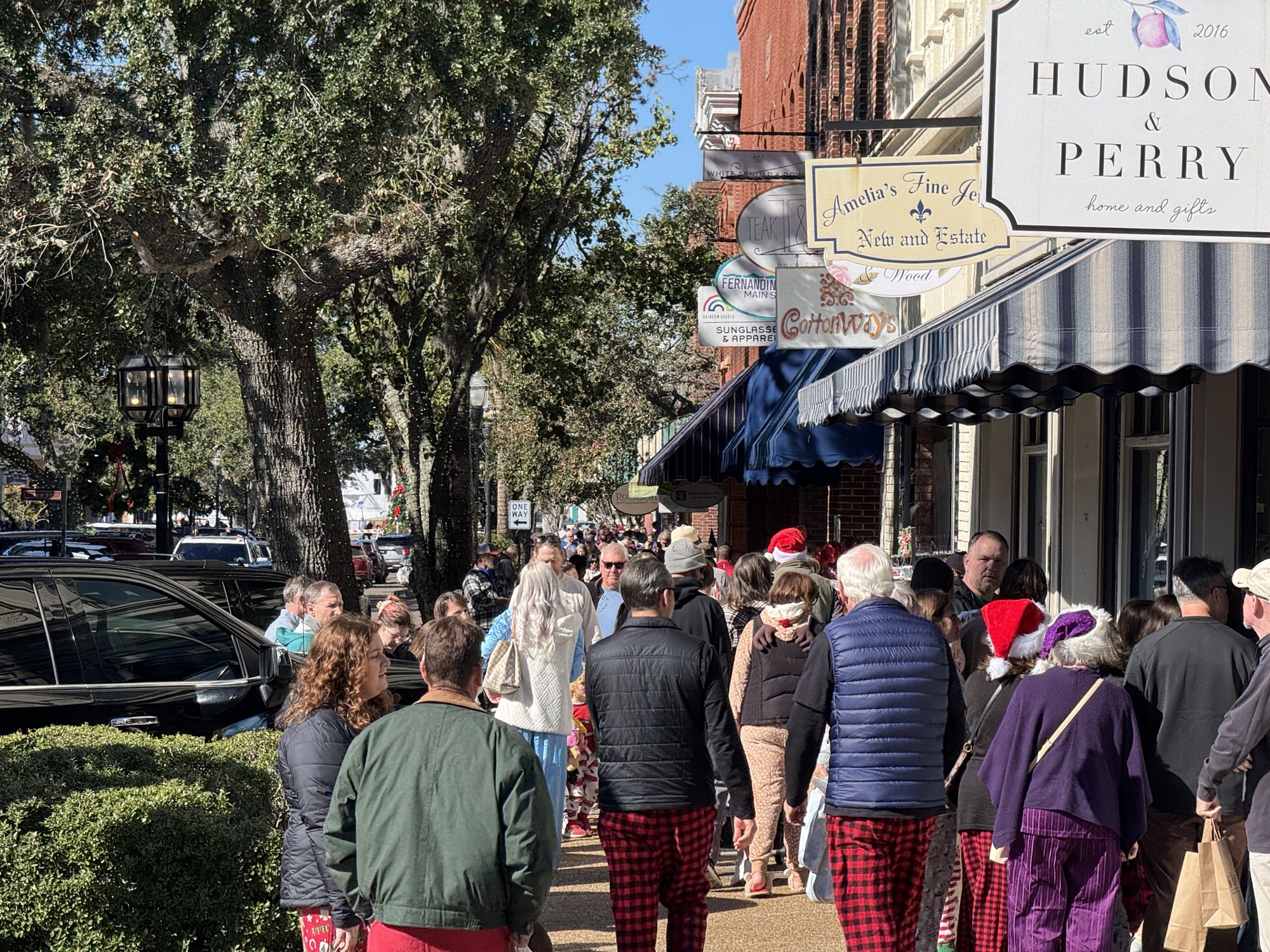
When power funnels through procedural side doors, citizens begin to feel administered rather than represented. The pushback isn’t solely about the $2 hourly rate (plus app fees), resident permits, or enforcement details. It’s about ownership. A referendum is less a fiscal calculation than a trust-building ceremony. It declares: this choice belongs to the people who will bear its consequences—shop owners facing thinner foot traffic, residents navigating new downtown frictions, visitors drawn to the unhurried charm of a historic district that once felt car-optional.
Bypass that ceremony—or forge ahead while a public vote hangs in the balance—and even sensible policies (revenue for streets and infrastructure, easing congestion) start to resemble artful dodges. The optics echo an old pirate tactic: charting a course to the prize without letting the governed help steer. That doesn’t cast today’s officials as cartoon villains. It simply situates them in the same enduring historical bind Aury embodied: power wielded with crisp efficiency, yet kept at arm’s length from those it most directly touches.
In this light, today’s pirates aren’t plundering galleons. They’re probing gaps—legal, procedural, geographic—where scrutiny thins. Sometimes they’re literal smugglers. Sometimes institutions. And sometimes they resemble commissioners quietly testing just how far authority stretches without a direct ask, even as opponents pursue injunctions and ballot overrides.
Amelia’s pirate republic collapsed in months under outside pressure. Its lesson, though, proved durable. Governance without transparent consent can operate. It can even thrive—perhaps delivering downtown upgrades without tax hikes. What it cannot sustain is deep, lasting trust.
The flags evolve. The uniforms grow more polished. The rhetoric softens (“managed parking,” “resident accommodations”). Yet the core question echoes unchanged from 1817:
Who decides—and who gets to say yes?
Amelia Island’s history answers plainly: the answer outweighs the outcome’s efficiency. People forgive blunders they helped choose. They seldom forgive edicts handed down as accomplished facts—especially when a referendum could reverse them, or a commission might choose to ignore the people’s verdict.
Pirates grasped a truth modern systems occasionally overlook: power flows most freely in the shadows.
Trust only takes root in the open light of day.