




Nassau County Deserves a More Stable Economic Future
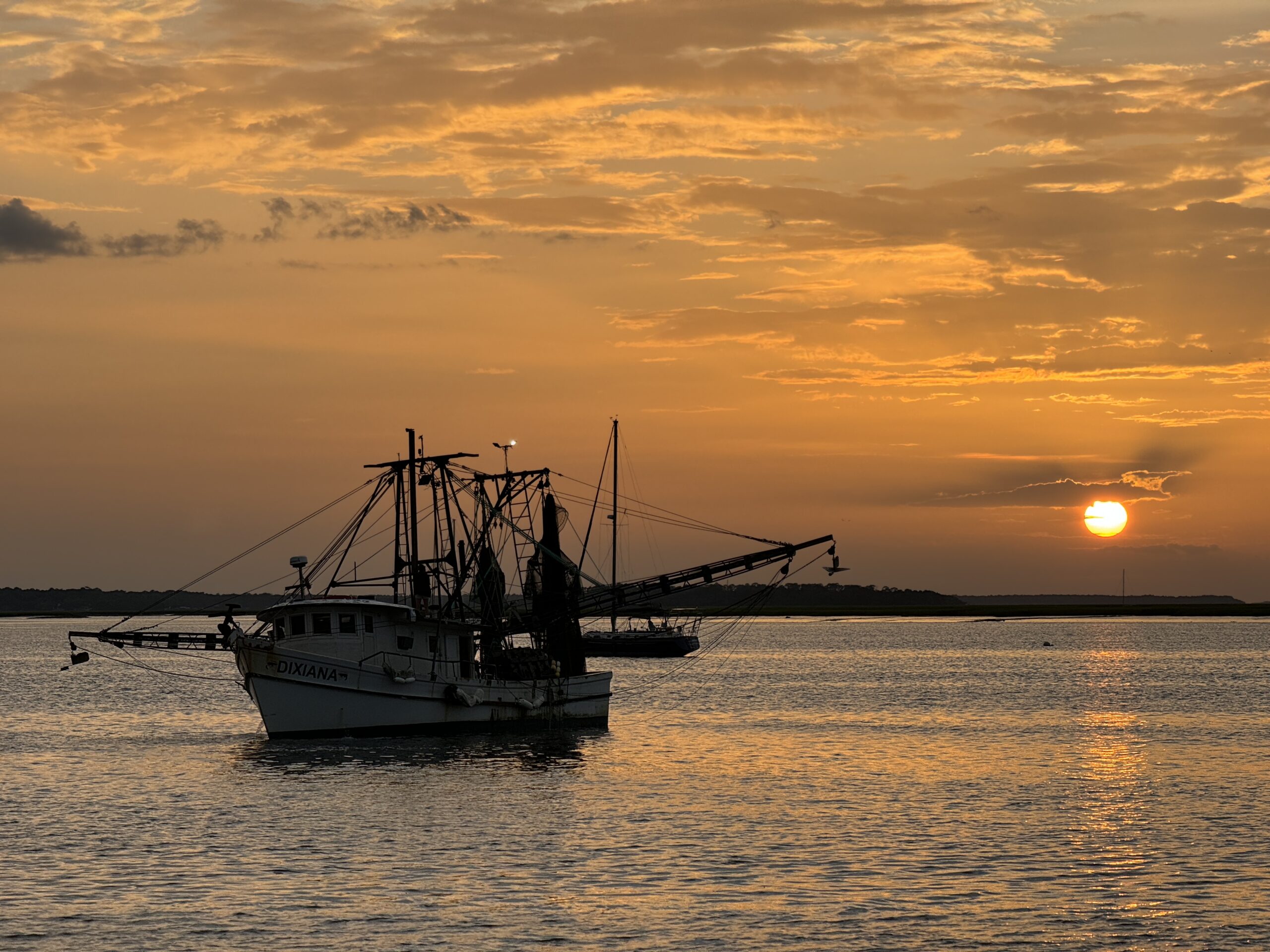
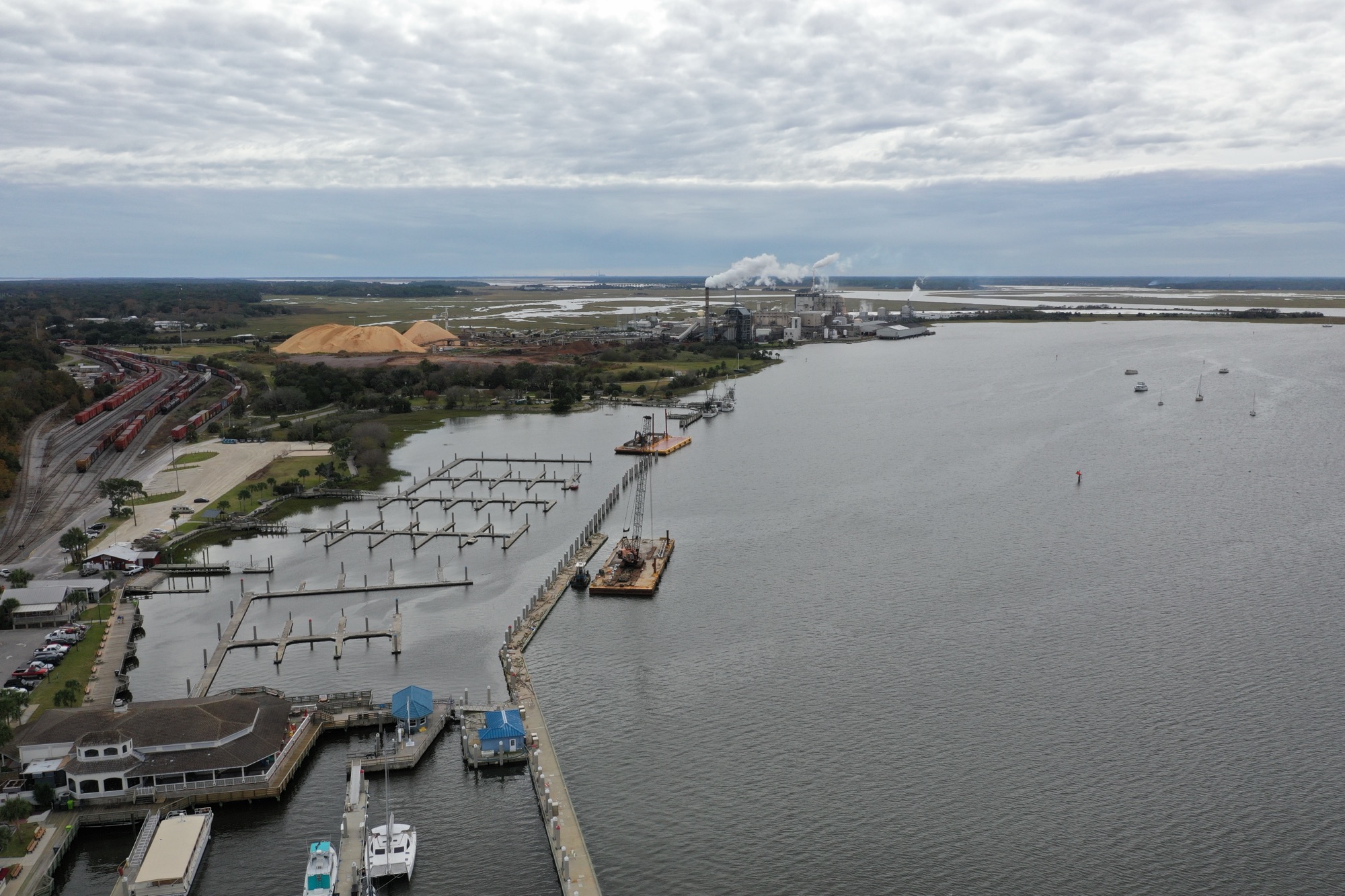
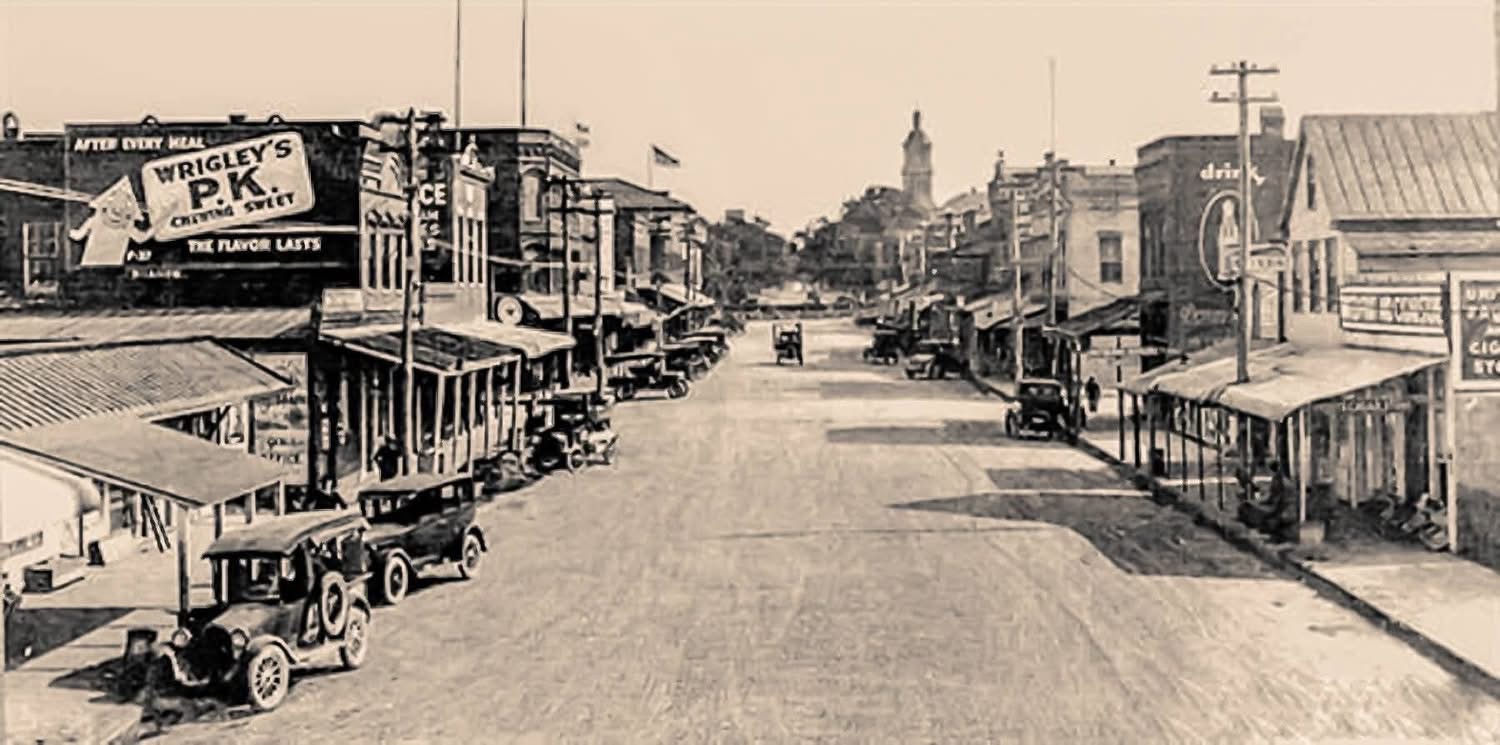
Not all that long ago, Nassau County’s economy rested on more than one leg. Rail transport, timber and paper operations, port activity, fishing, small-scale agriculture, and local trades all played meaningful roles. Jobs were steadier, less seasonal, and the community wasn’t exposed to the ups and downs of a single dominant industry. Growth was slower, but it was balanced.

Over time, tourism expanded and eventually became the county’s primary economic driver. That shift brought clear benefits: jobs, visibility, and more than $1.2 billion in visitor spending in recent years. Tourism matters, and it always will. But the tradeoff has been a growing dependence on one volatile sector—and that dependence carries real risk.
Today, Nassau County’s economic health rises and falls largely with tourism. That makes the community more fragile than it needs to be.
We are already seeing warning signs:
Tourism officials have acknowledged that Amelia Island is entering one of its more challenging periods in years, with slowing bookings, softer momentum, stronger competition from other destinations, and broader economic pressures affecting discretionary travel.
Florida has repeatedly experienced disruptions that hit tourism hard—red tide events, hurricanes, economic downturns, and global travel shifts. When tourism stalls, there is little else in place to absorb the shock.
The COVID-19 pandemic showed this clearly. Tourism stopped almost overnight. Hotels emptied, events were canceled, and thousands of jobs disappeared. Without a more diversified local economy, a similar disruption in the future would likely result in deeper and longer-lasting damage.
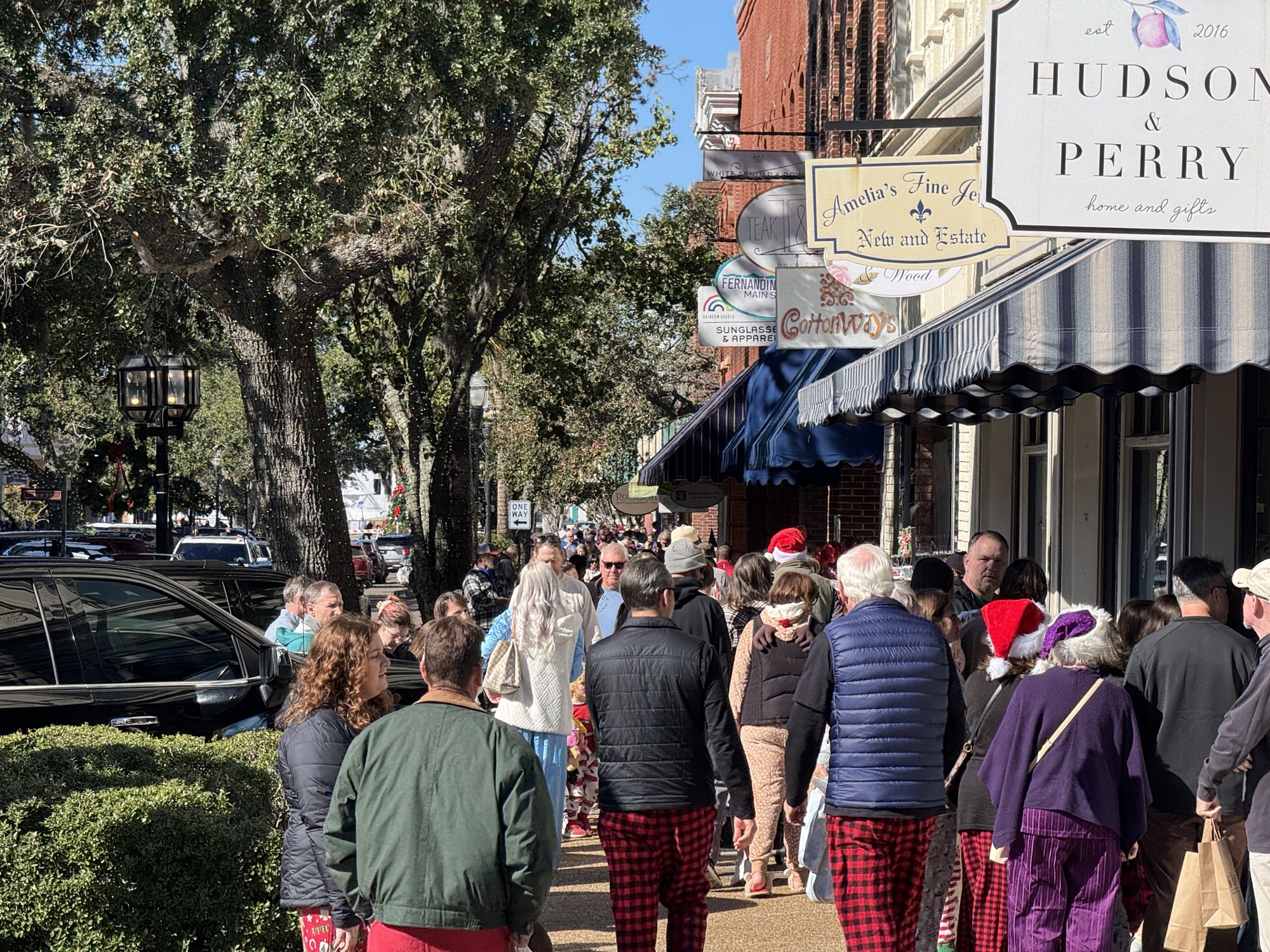
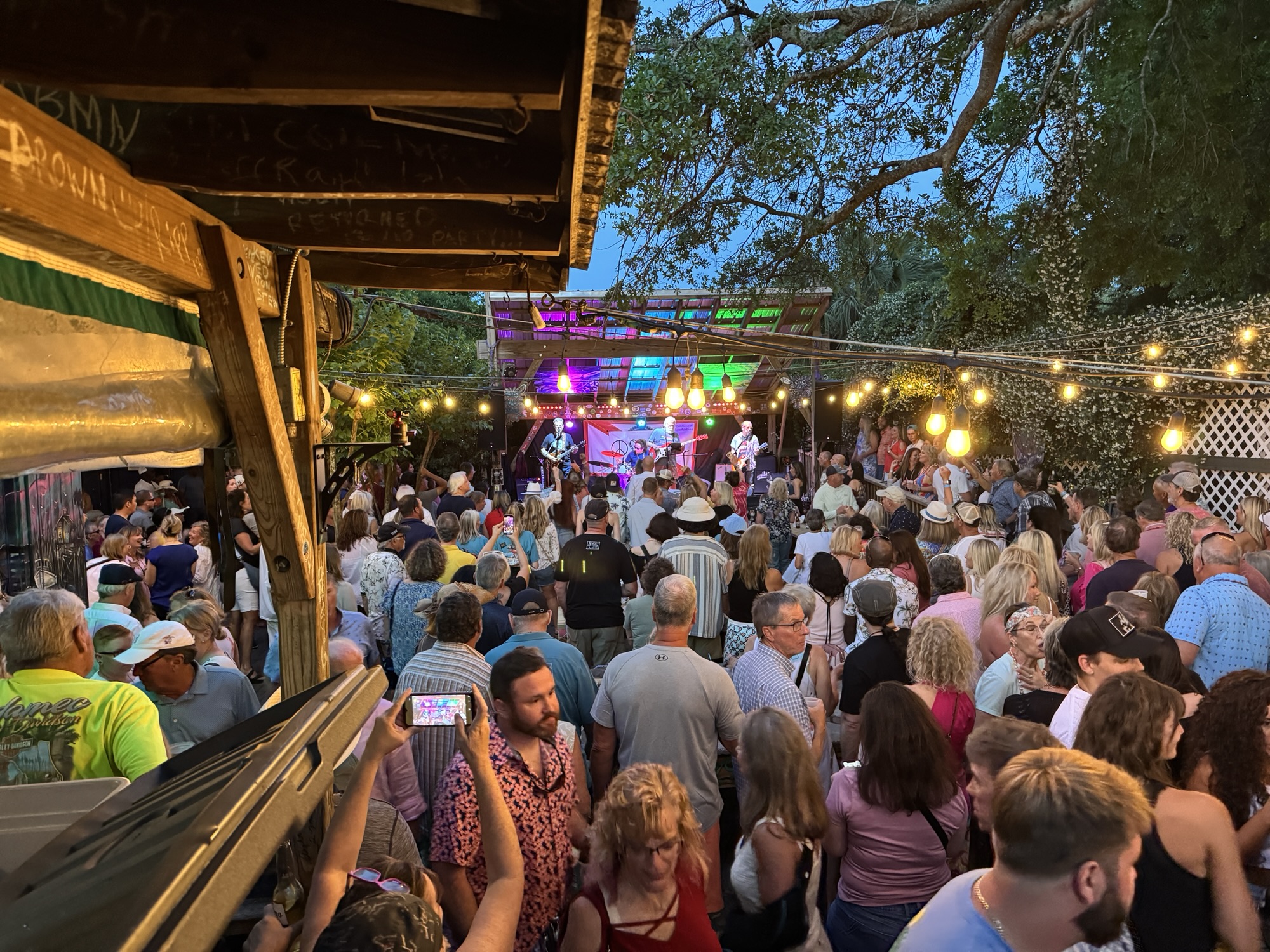
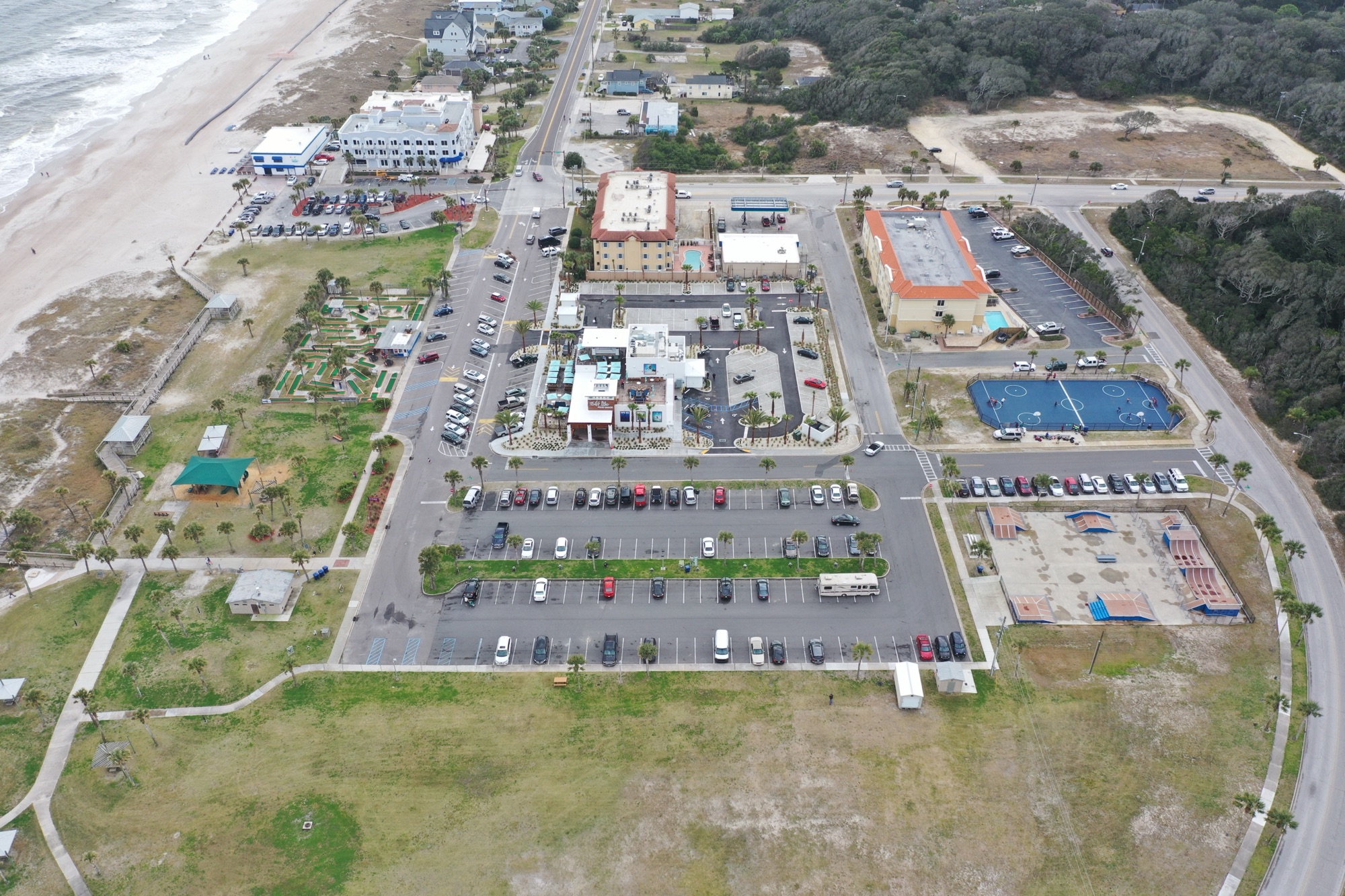
Seasonality compounds the issue. Peak months strain roads, parking, and public spaces, while off-seasons leave businesses and workers struggling to make ends meet. Wages remain low for many jobs tied to tourism, housing costs continue to rise, and everyday amenities feel increasingly crowded for residents.
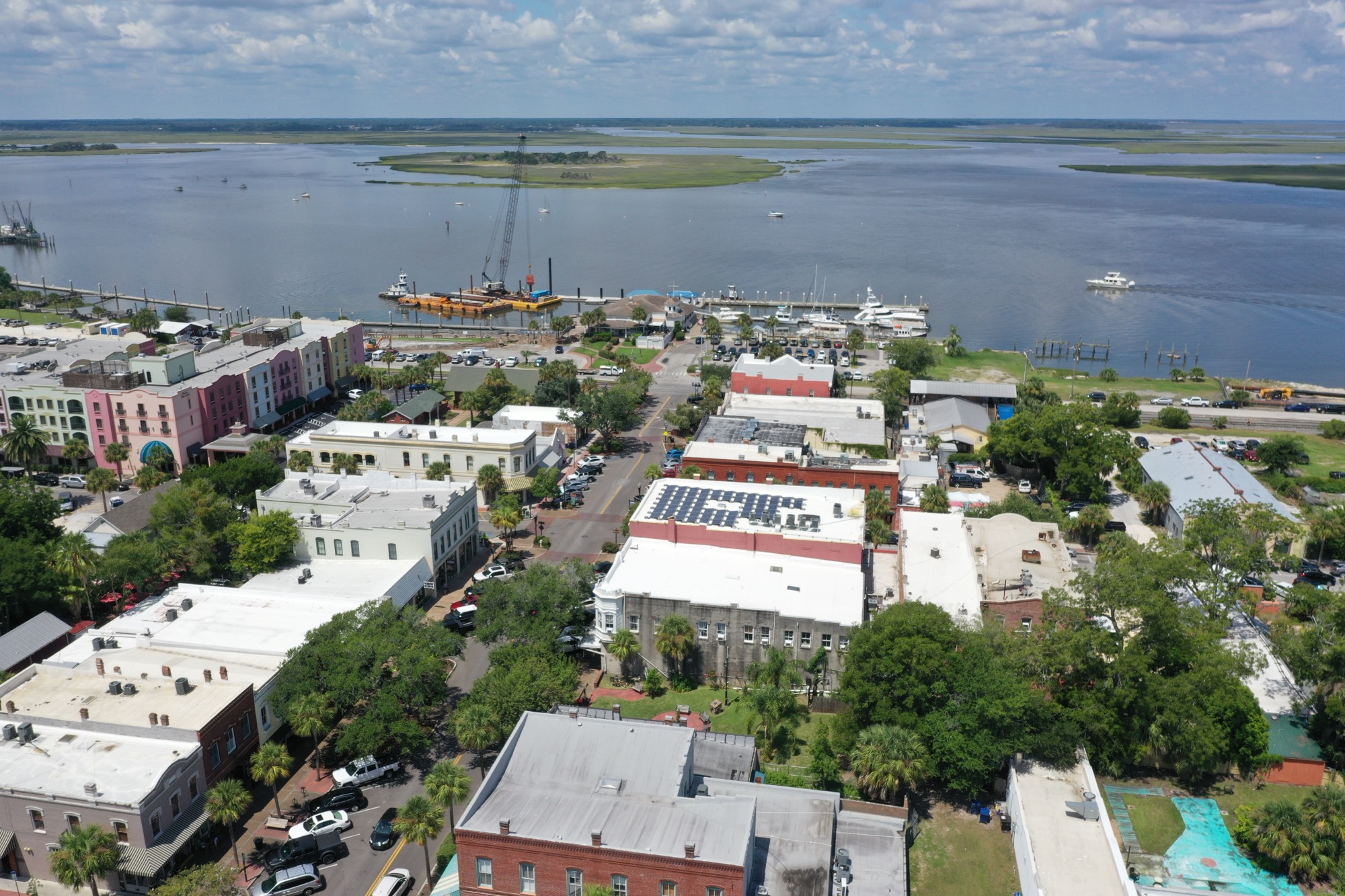
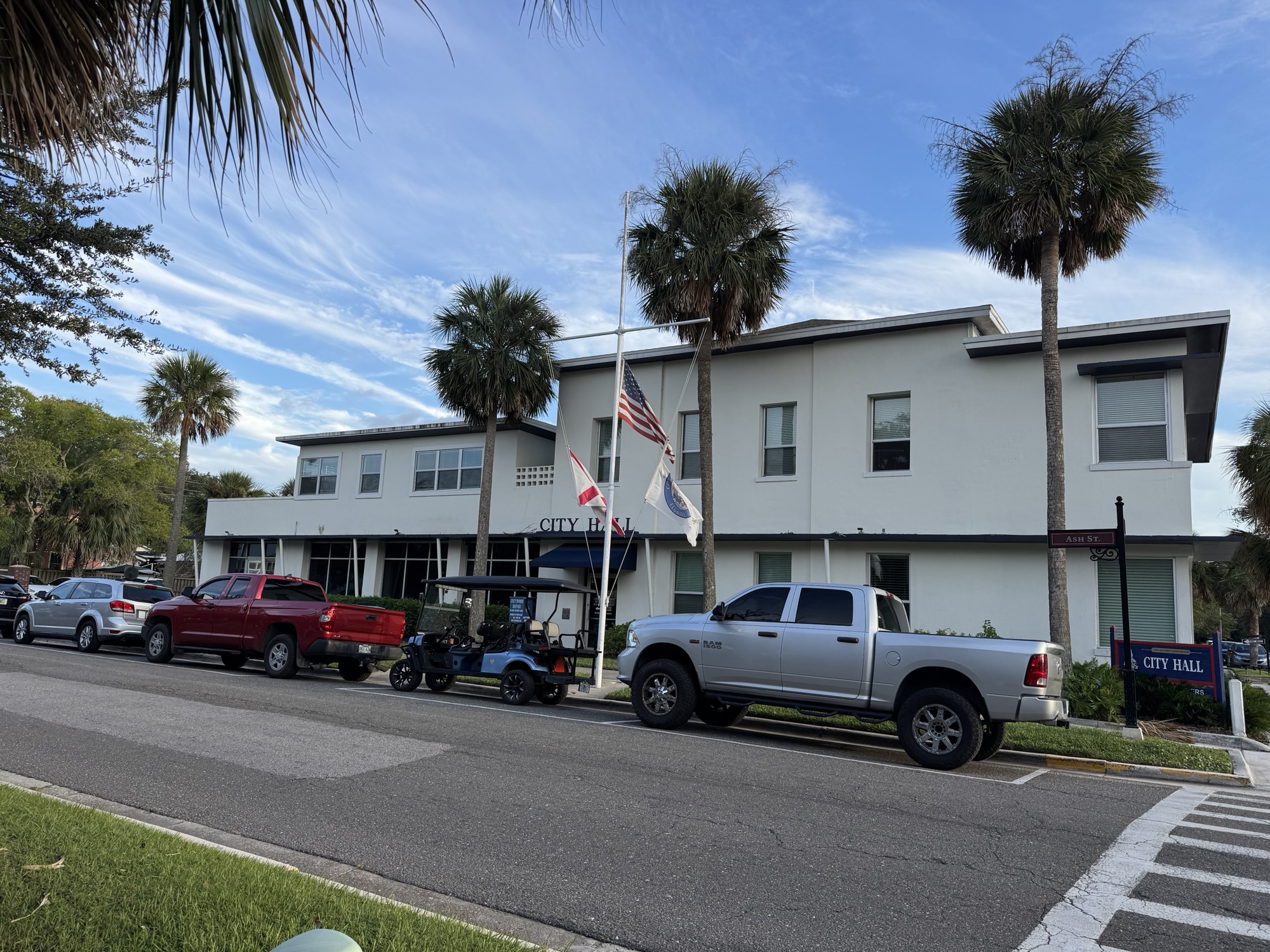
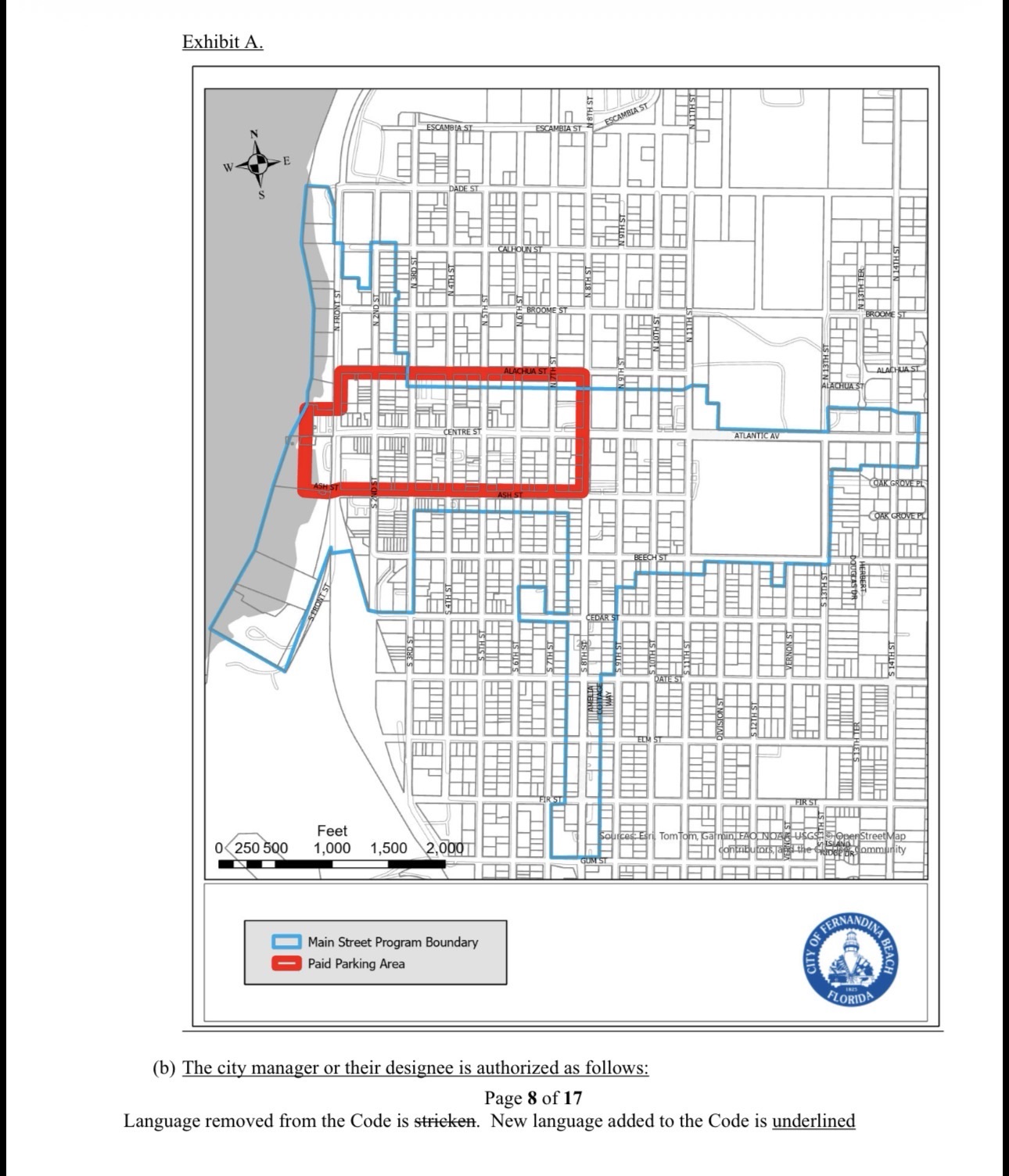
These pressures are now shaping policy decisions. A clear example is the implementation of paid parking in historic downtown Fernandina Beach, scheduled to begin February 16, 2026. Despite sustained opposition from residents, business owners, and long-time families, the program was approved with kiosks and enforcement. While residents receive limited free permits, the practical effect is that everyday use of downtown becomes more inconvenient for locals, while visitor access is prioritized.
This decision reflects a broader trend: policies increasingly designed around maximizing tourist activity, even when they reduce quality of life for residents. Streets, parking lots, and infrastructure that generations of locals paid for are being managed first and foremost as tourism assets. That shift changes the character of the community and erodes the hometown feel that made it attractive in the first place.
This approach is not sustainable. Relying so heavily on a single industry—especially one as sensitive to weather, economics, and global events as tourism—is not strategic planning. It is risk concentration.
The alternative is straightforward: economic diversification.
Diversifying does not mean turning away from tourism. It means strengthening the county by ensuring tourism is not the only engine keeping it running. A broader economic base provides tangible benefits:
More stability. When one sector slows, others continue generating income and employment.
Better jobs. Year-round, higher-wage opportunities allow families to plan, save, and stay rooted.
Reliable public funding. Schools, roads, drainage, parks, and essential services benefit from consistent revenue, not seasonal spikes.
Less strain on infrastructure and neighborhoods. Growth pressure is spread out rather than concentrated.
Long-term resilience. The county can address affordability, traffic, and environmental issues without fear that one bad season will trigger a crisis.
Nassau County already has a funding mechanism that can support this shift: tourism-generated bed tax revenue. These dollars come directly from visitors. Requiring that a meaningful portion—20 to 30 percent or more—be dedicated to economic diversification would allow tourism to help fund the stability that ultimately protects it. That includes workforce development, infrastructure for non-tourism industries, and incentives that attract a wider range of employers.
This is not a radical idea. Communities that diversify are better positioned to weather change, protect their character, and remain prosperous over time. They reduce risk instead of amplifying it.
The real question is not whether Nassau County can afford to diversify. It is whether it can afford not to.
Residents deserve an economy that works year-round, policies that put the community first, and a future that does not hinge on a single, unpredictable pillar. Tourism should remain an asset—but it should not be our only lifeline.
