

Amelia Island Tourism: Maturity, Capacity Limits, and Why the Downside Always Gets the Spotlight
A recent strategy workshop for the island’s tourism leaders painted a cautious picture: global instability, spiking fuel prices, softening consumer confidence, and fiercer domestic competition could reshape visitor patterns and flatten revenue next year. Current numbers still look solid—spring occupancy near 90 percent, bookings holding steady for now—but the message was clear: prepare for pressure.

It’s a familiar refrain in destinations like ours, and it’s worth unpacking without the hype. The slowdown isn’t purely a story of external shocks. Much of it reflects the island’s natural maturation and hard physical limits on growth—limits that may ultimately prove to be a feature, not a bug.
Let’s start with the numbers. Bed-tax collections for the fiscal year ending in 2025 came in at roughly $12 million, a modest 3.9 percent increase over the prior year. That follows several years of stronger 5–7 percent gains during the post-pandemic rebound. Statewide, Florida hit another record 143.3 million visitors in 2025, but growth was a razor-thin 0.2 percent—essentially flat after the boom years. Here on the island, advance bookings for 2026 have already shown signs of lagging, and occupancy trends are leveling off. These aren’t collapse signals; they’re the sound of a market that has largely recovered and is now bumping against its ceiling.
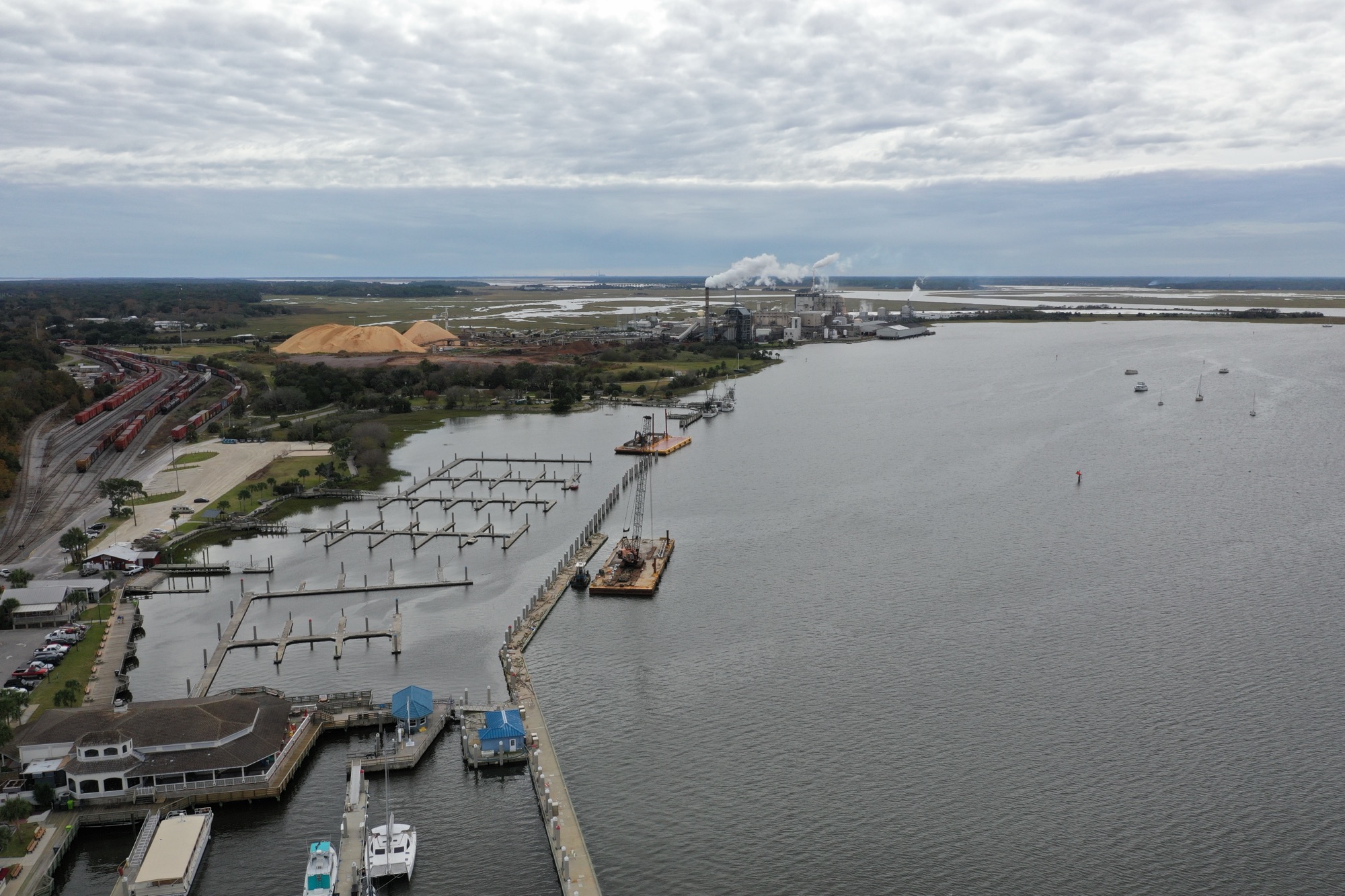
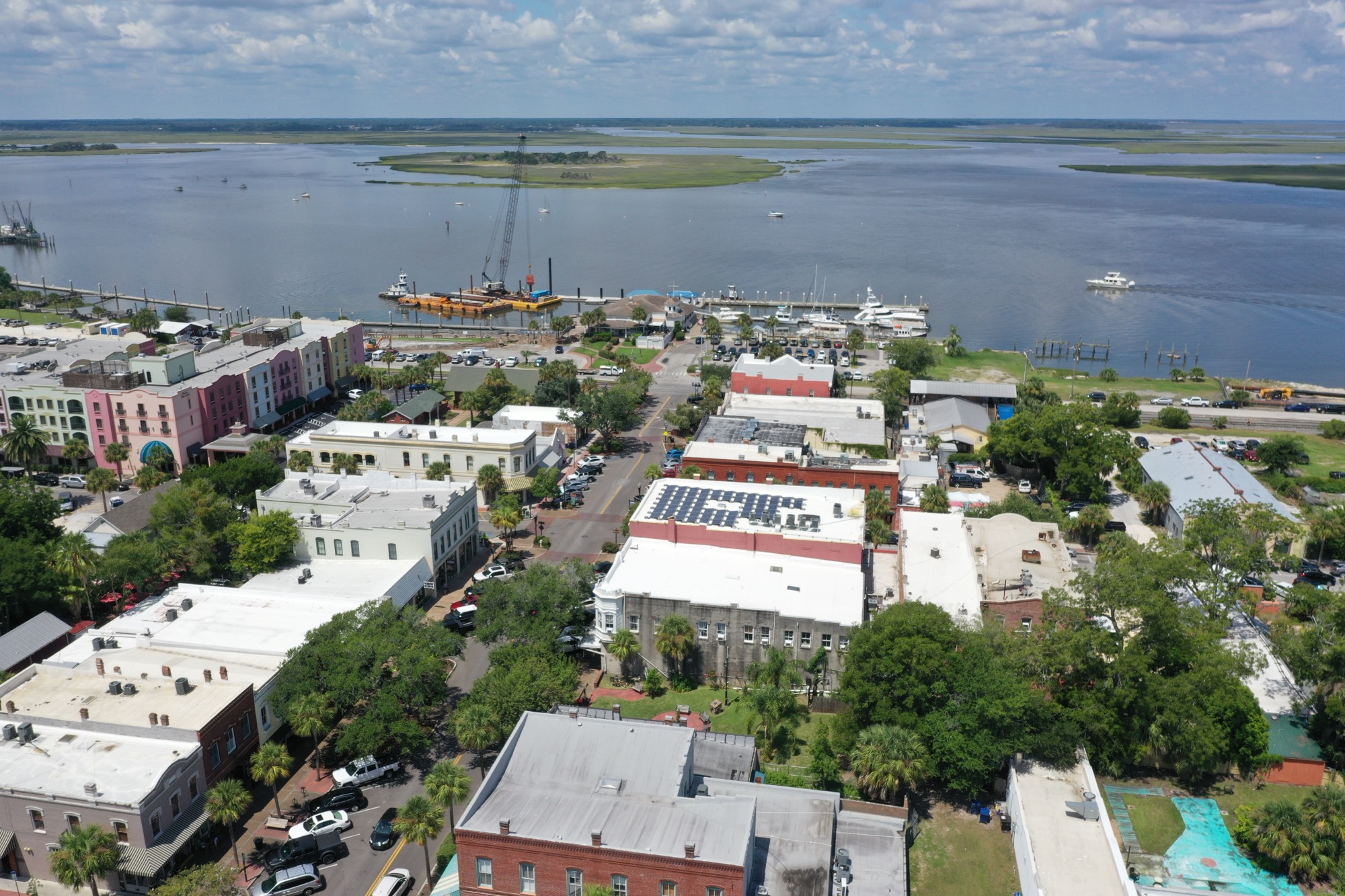
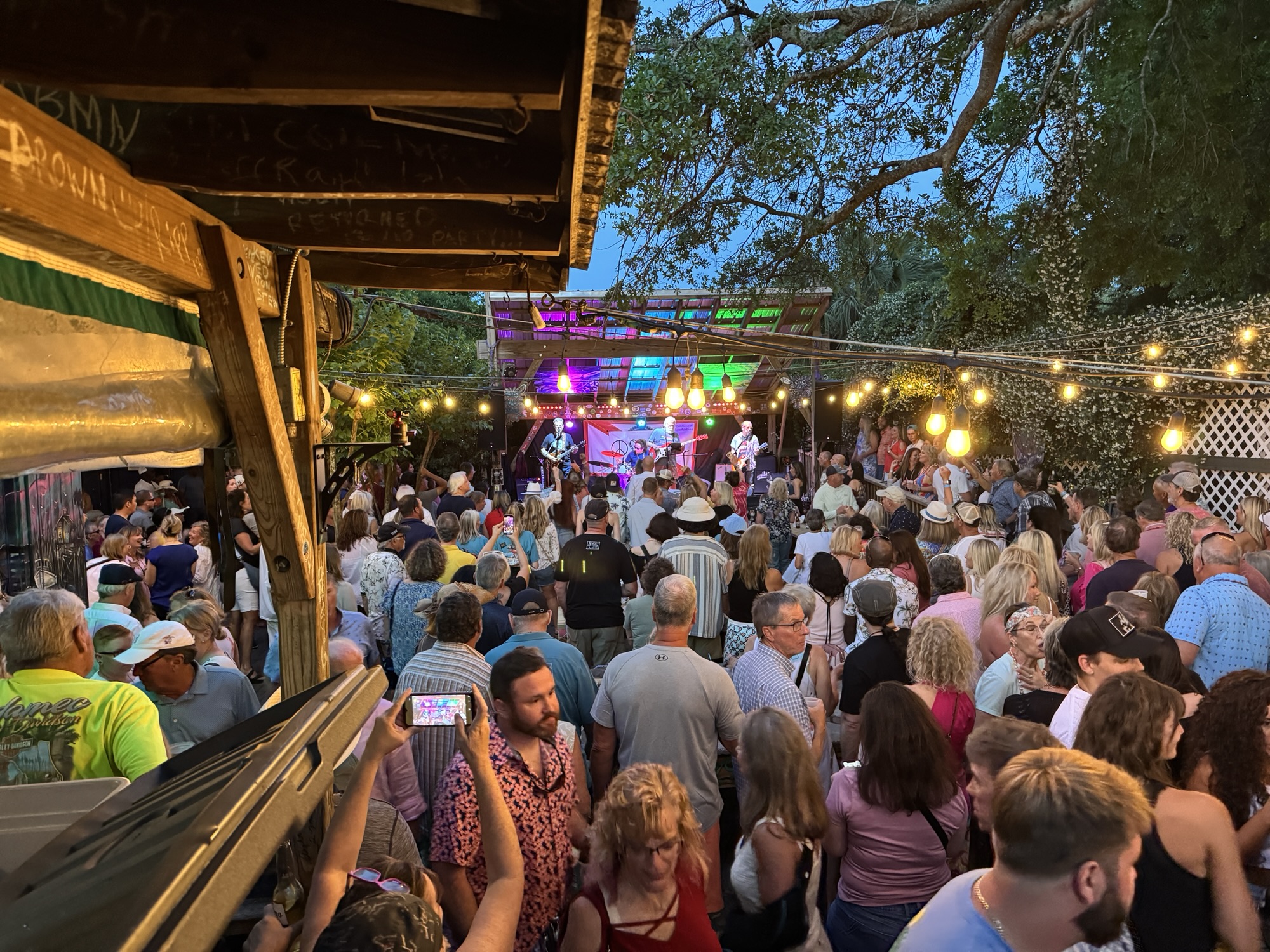
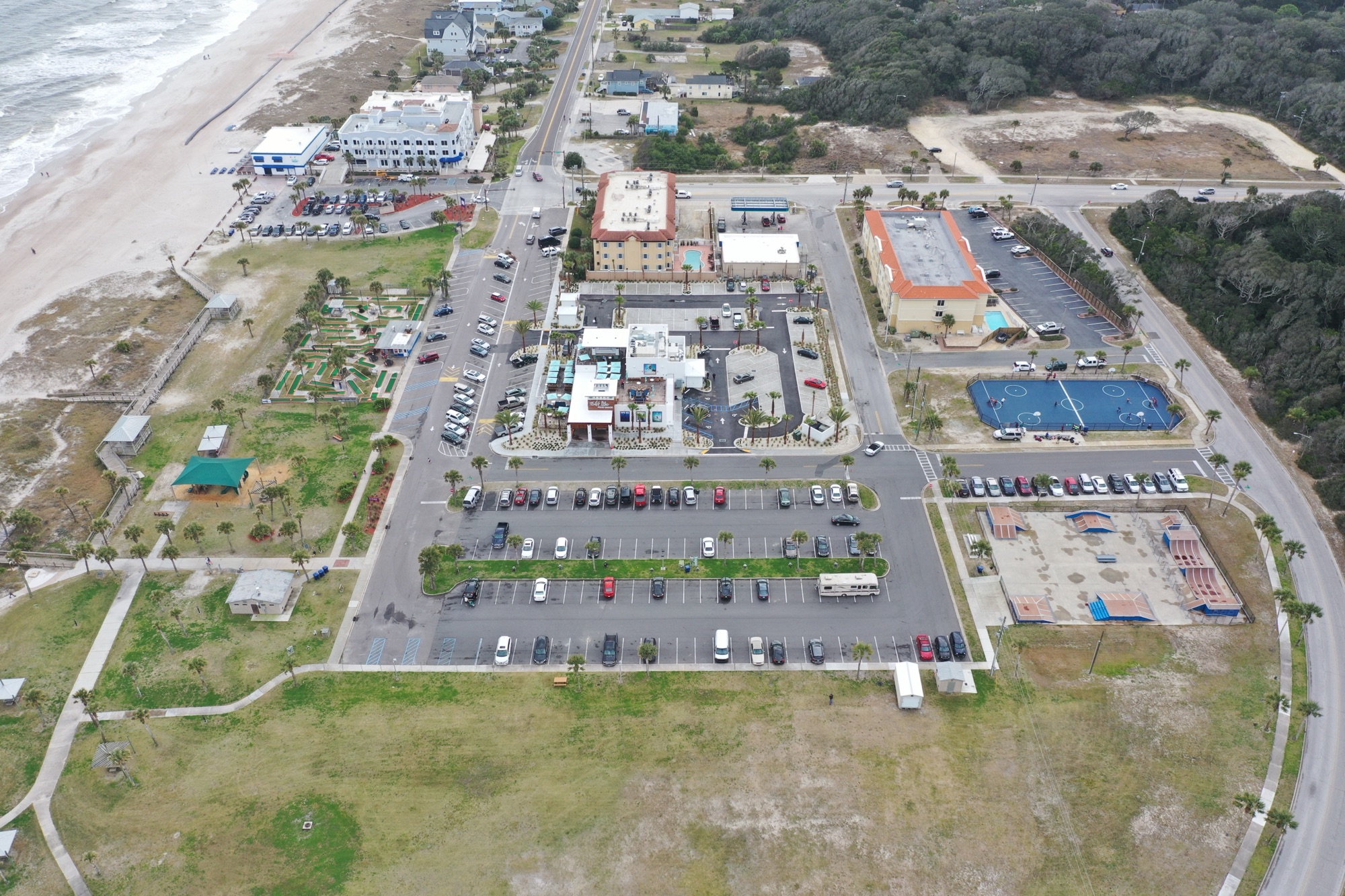
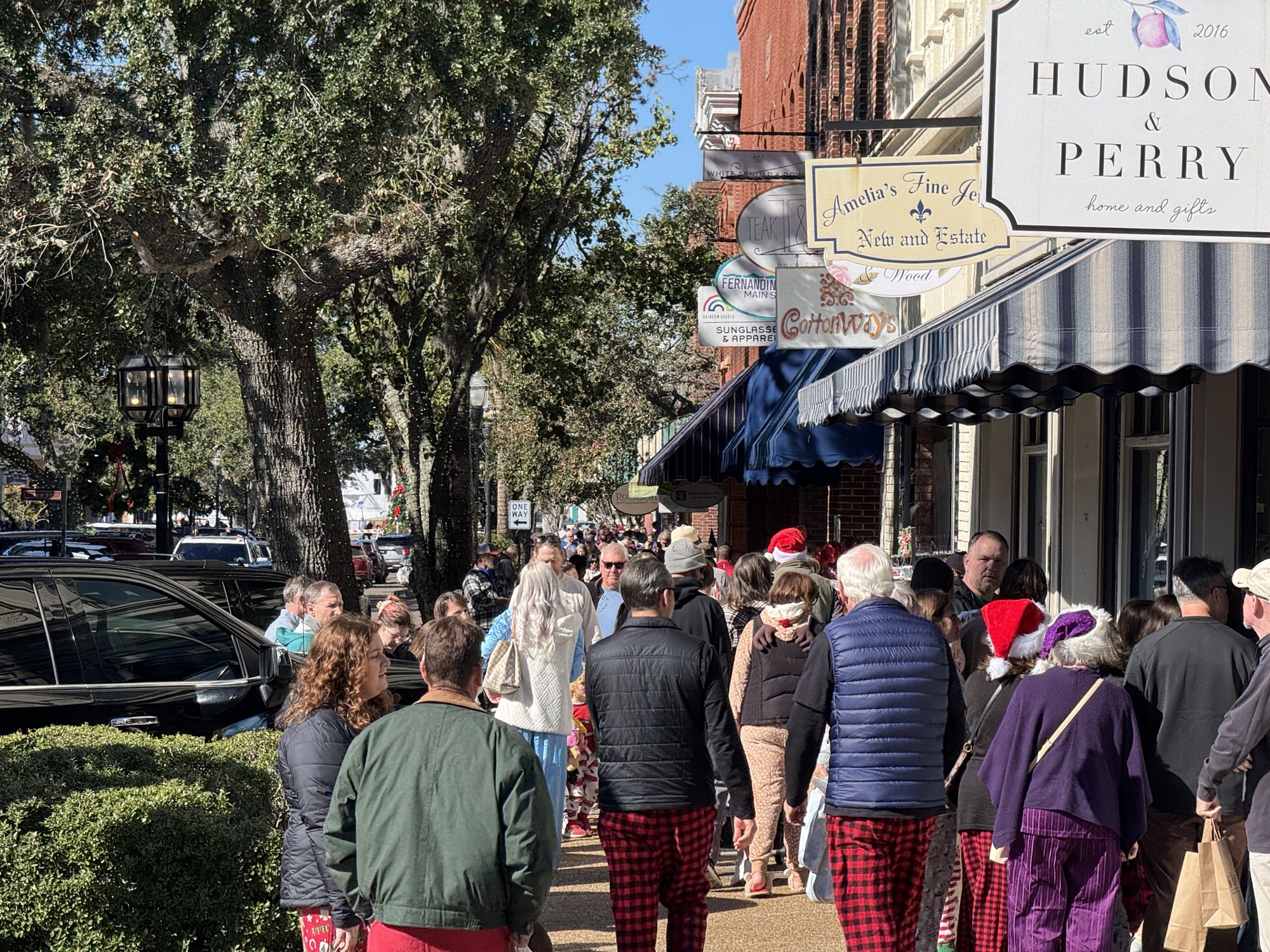
That ceiling is physical as much as economic. Amelia Island spans just 13 miles of beach and barrier land with a single main arterial road feeding it all. Peak-season realities—restaurant waits stretching past an hour, beach parking lots filling by mid-morning, and predictable gridlock on the main thoroughfare—aren’t signs of failure. They’re evidence that the island has reached maximum comfortable occupancy for the kind of experience visitors (and residents) actually want. Expecting endless compound growth would require more hotels, wider roads, bigger parking infrastructure, and taller buildings. None of that aligns with the low-key, upscale charm that drew people here in the first place. The island’s finite footprint and infrastructure simply can’t absorb another decade of aggressive expansion without fundamentally changing what makes it special.
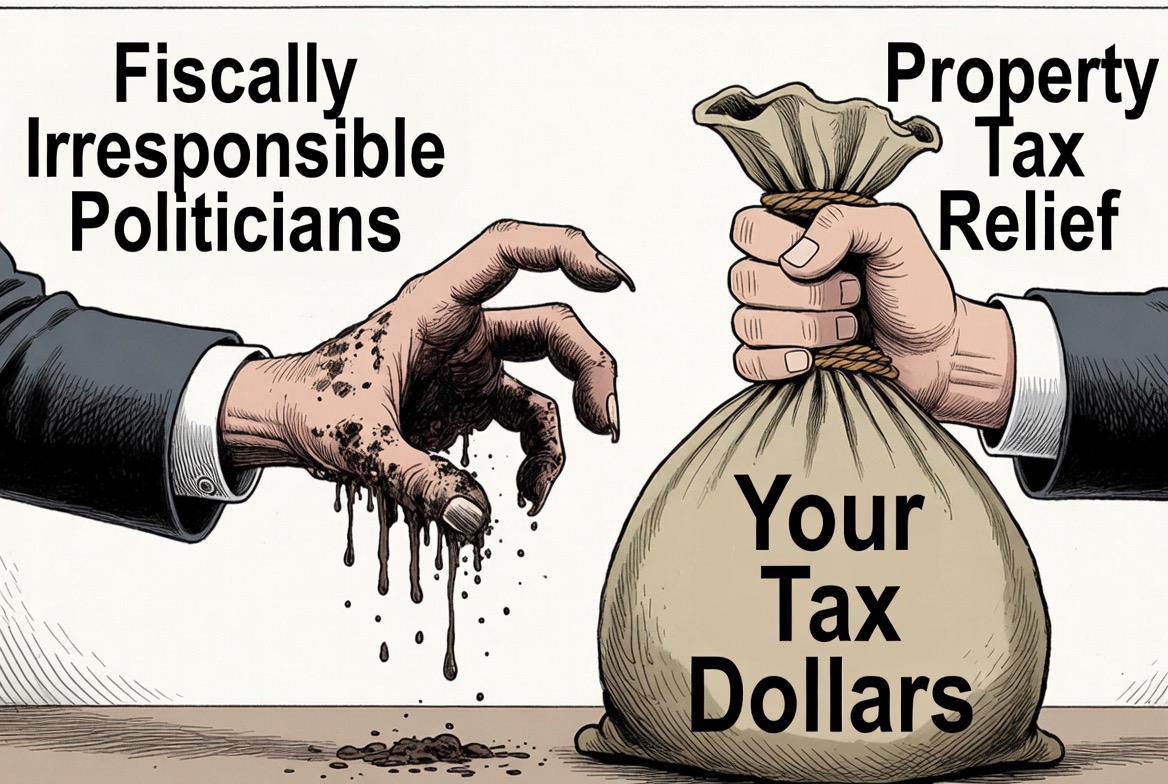
Tourism boards everywhere tend to frame these moments through a particular lens, and ours is no exception. Highlighting downside risks—tariffs, fuel costs, international uncertainty, or competitive pricing from other Southeast beach spots—is common practice when organizations rely on public funding streams like bed taxes. It’s a pragmatic way to build the case for continued expenditures on marketing campaigns, data analytics tools, shoulder-season promotions, and local infrastructure tweaks. No one wants to walk into budget season saying “everything’s fine, keep the status quo.” Emphasizing potential headwinds keeps urgency alive and justifies the resources needed to stay competitive. It’s not cynicism; it’s how destination marketing organizations operate across the country. They’re wired to see threats because their role is to advocate, promote, and protect the revenue engine.
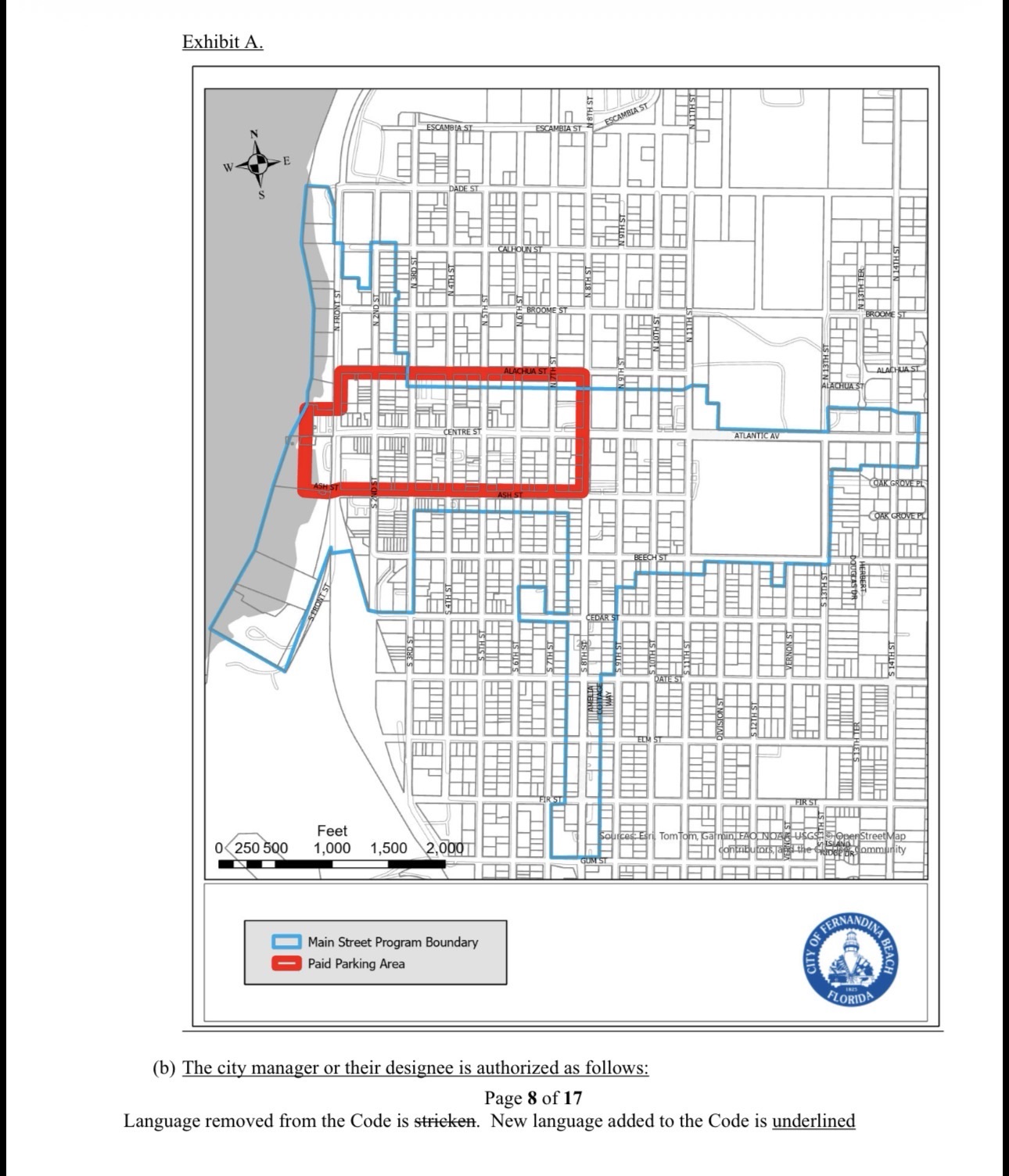
None of this means the concerns are invented. Fuel prices have jumped sharply in recent weeks, consumer sentiment has taken a hit, and domestic travelers are more price-sensitive than ever. A low reliance on international visitors (under 6 percent) provides some buffer compared to bigger Florida hubs, but it also means the island is fighting harder for the same drive-market crowd from Atlanta, Charlotte, and the Southeast. Paid downtown parking adds a real friction point that visitors notice.
Yet the bigger story here is maturity. After the explosive post-pandemic surge, a plateau was inevitable and, in many ways, healthy. It shifts the focus from chasing volume to protecting quality—of the visitor experience, the natural environment, and life for year-round residents. Slower growth encourages smarter strategies: deeper data on who’s coming and why, targeted regional marketing, and investment in shoulder seasons and niche segments like weddings or events. It also respects the island’s limits rather than testing them.
In the end, Amelia Island’s tourism outlook isn’t doom-and-gloom; it’s a mature destination learning to thrive within its natural boundaries. The warnings serve a purpose—keeping everyone alert and the budget conversation alive—but the real opportunity lies in embracing the plateau as a sign of success. A full island that still feels special is worth more than a busier one that doesn’t. The coming year will test adaptability, but the fundamentals that make this place magnetic haven’t changed. They’ve simply matured.