


When Development Walls Off the Sunset: The Real Cost of Short-Term Thinking in Resort Communities

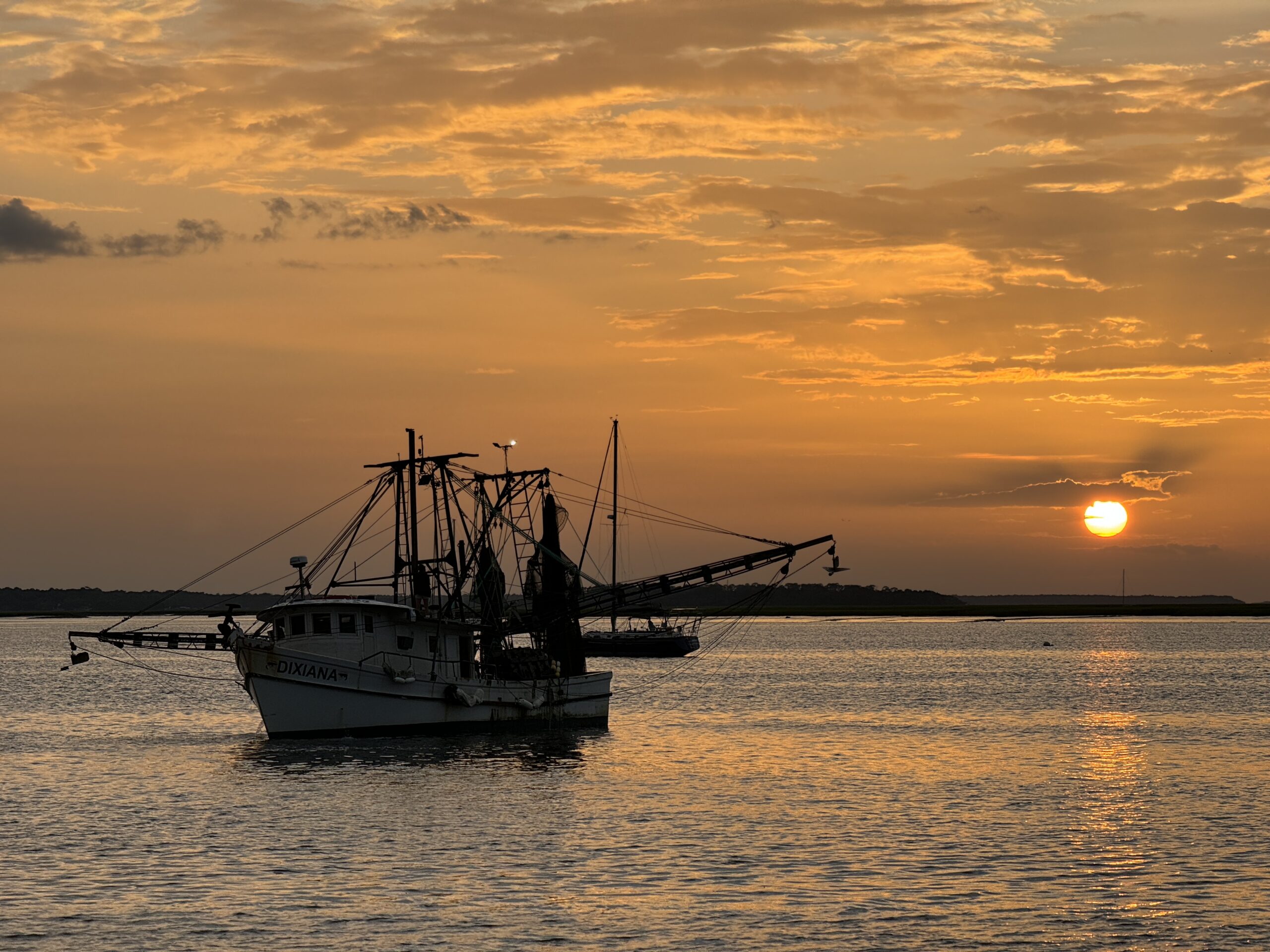
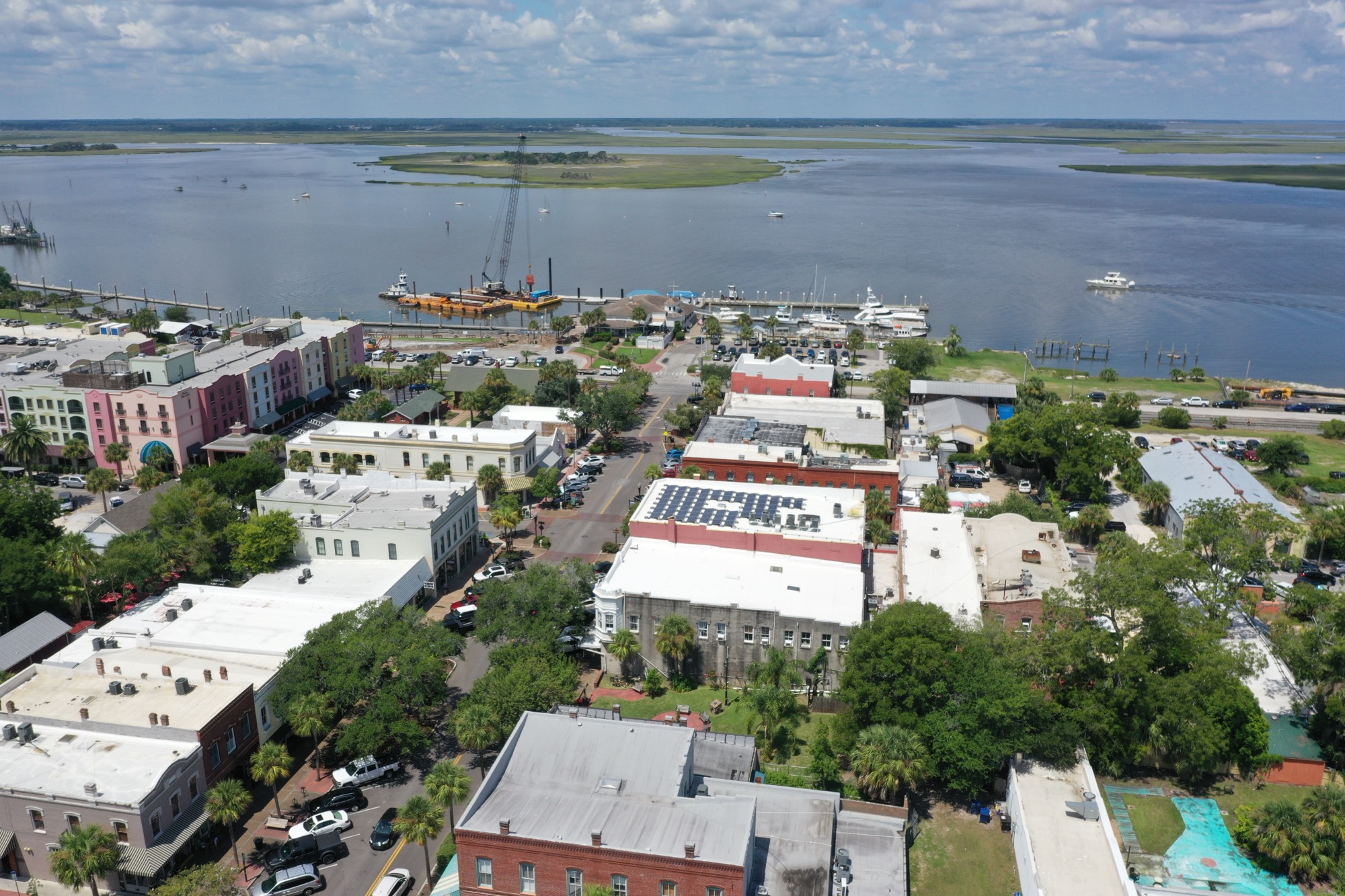
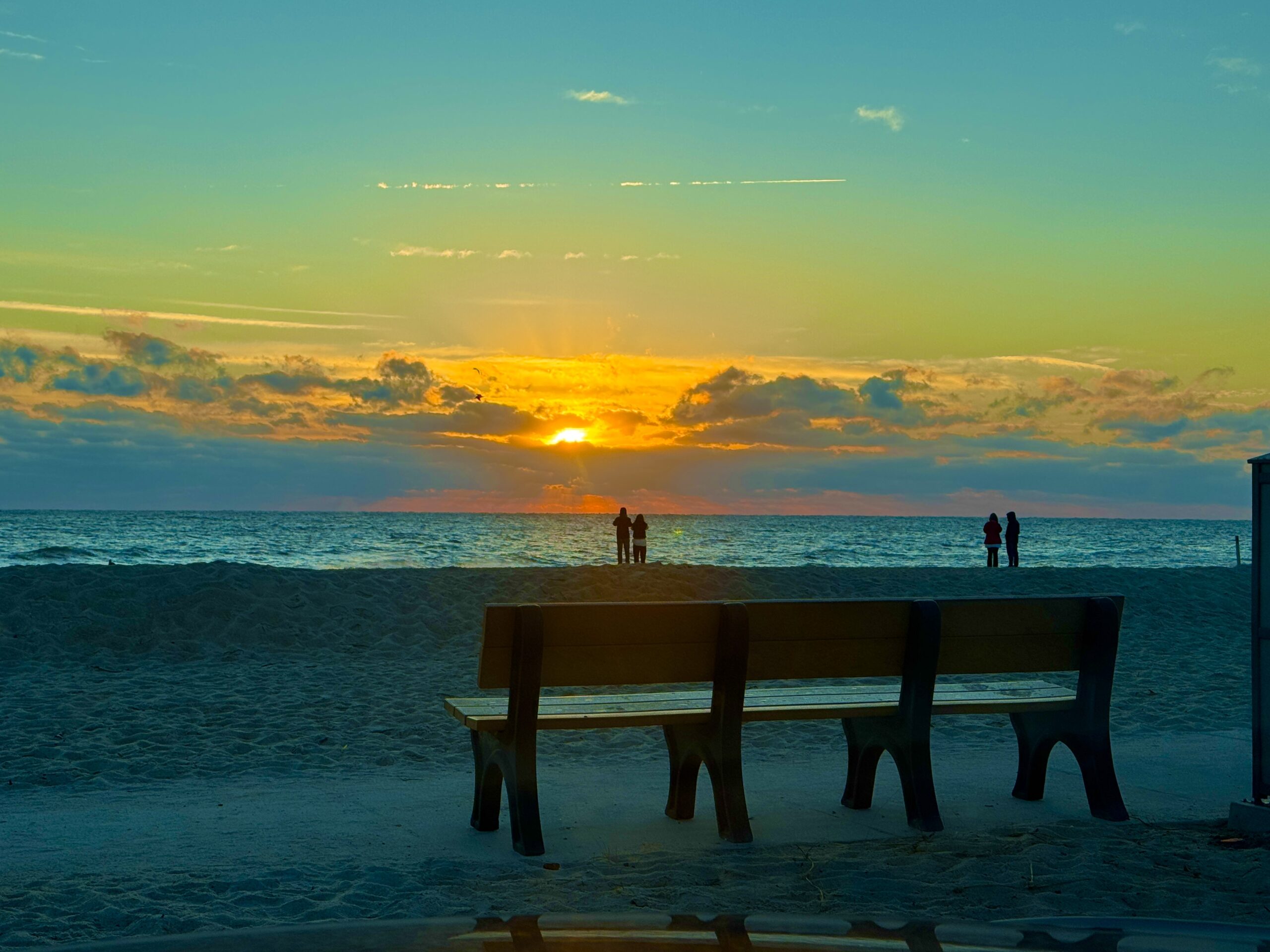
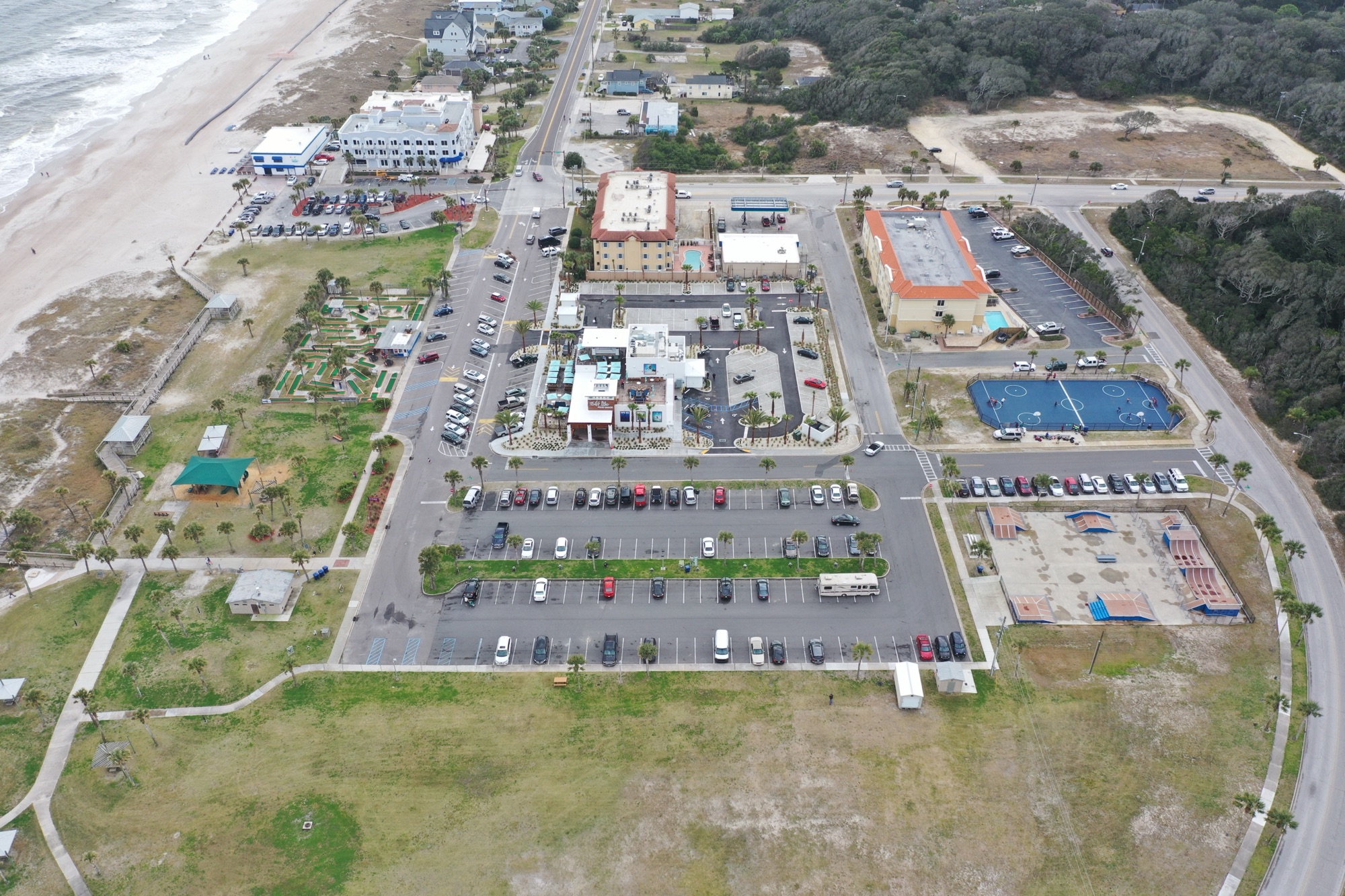
It happens in community after community. A place becomes known for its beautiful beaches, easy access to the water, and those unforgettable sunsets or sunrises over the horizon. People are drawn in—residents, visitors, investors—because of that open, scenic character. Then development pressure builds. Commercial projects, high-rises, or denser construction get approved closer to the shoreline or in ways that block sightlines. Before long, what made the community special starts disappearing behind walls of buildings. You can no longer see the water or catch the sunset the way you once could. The very resource that created the appeal gets compromised.
This pattern shows up in resort areas across the country. What was once a sweeping public view or straightforward beach access becomes obstructed or limited to specific points. The change often feels gradual until one day you notice you’re driving or walking through a place that no longer delivers the same visual payoff. It raises a fair question: Is this purely dollar-driven?
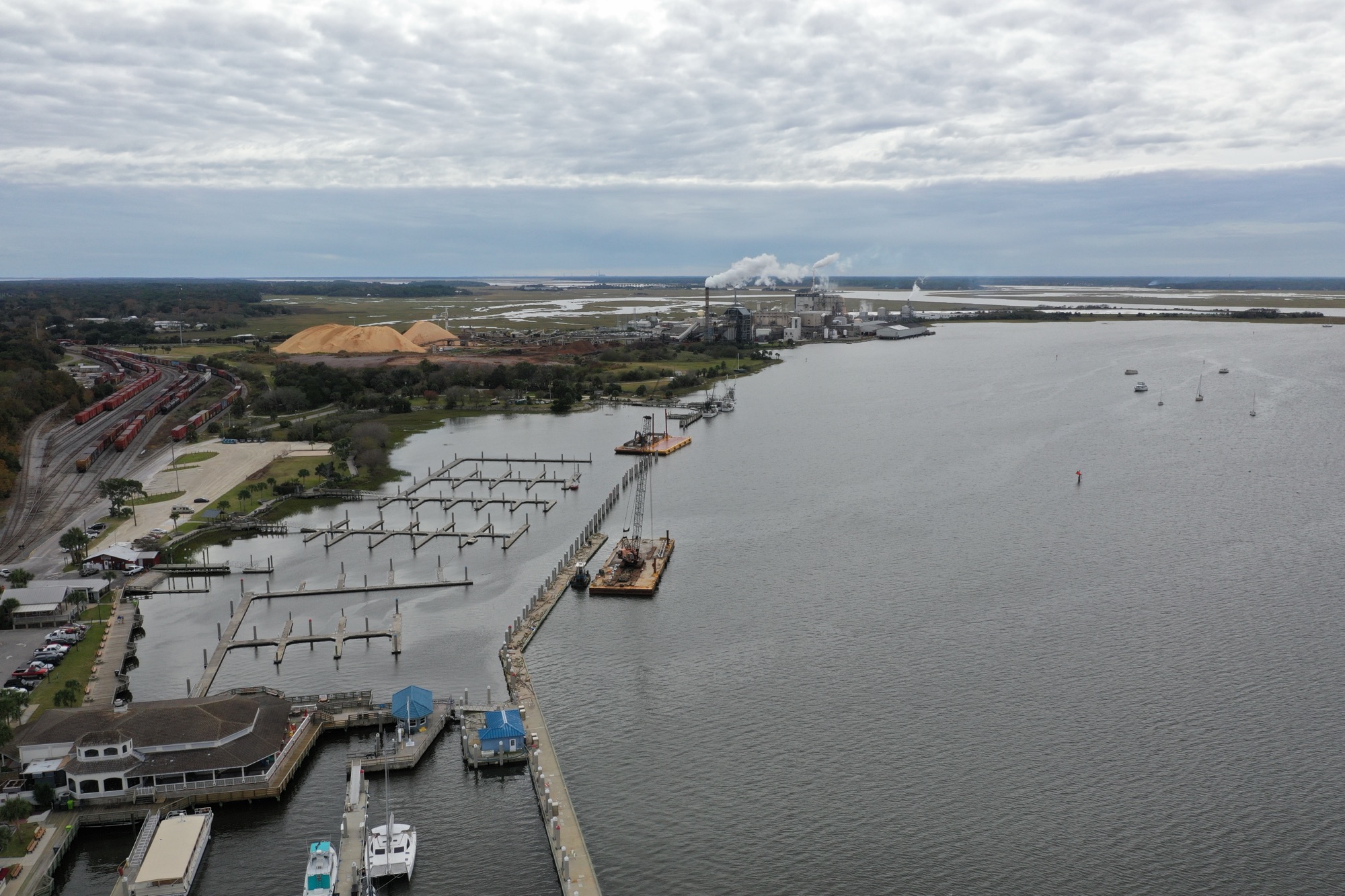
In the short term, the incentives are powerful and easy to understand. Developers want to maximize return on investment, and height or density often translates directly into more units or revenue. Local governments gain from increased property tax bases, construction activity, and tourism spending. Property owners positioned to benefit from upzoning or redevelopment can see significant gains. These are real, immediate economic pressures that are hard to ignore when a project is on the table.
What gets less attention is the longer-term effect. Market data and real-world outcomes consistently show that unobstructed water views and convenient public beach access add meaningful value—not just to beachfront parcels, but to the overall desirability and stability of the broader community. When those views get walled off or access gets restricted, the premium that originally attracted people and investment can erode over time. Visitors and new residents begin looking for places that still offer that open, scenic experience rather than a built-up shoreline.
One of the biggest challenges is foresight. When you’re living in or moving to a place with natural beauty, it’s easy to assume the views and access will always be there. But those qualities are protected—or lost—through the details of zoning codes, comprehensive plans, height restrictions, and view corridor regulations. These tools exist for a reason. Communities that have kept development lower-profile and protected sightlines from public spaces and neighborhoods often maintain stronger long-term appeal and property values precisely because they didn’t sacrifice their core scenic assets. Once the buildings go up, you can’t simply undo a blocked horizon.
The decisions we make about height, density, and public access shape a community for generations. Thoughtful planning doesn’t mean stopping all growth. It means setting clear, context-sensitive standards that balance new investment with preserving what originally made the place attractive. That includes meaningful public beach access, stepped or limited building heights in sensitive areas, and deliberate protection of view corridors. These aren’t abstract concepts—they’re practical choices that determine whether a resort community keeps its character or slowly trades it away.
The most enduring coastal communities aren’t always the ones that built the tallest or packed in the most units. They’re the ones that had the foresight to safeguard the natural beauty and accessibility that put them on the map in the first place. In a time when more people are seeking authentic coastal experiences, protecting those assets may turn out to be one of the smartest long-term economic decisions any community can make.
This post was prepared with AI assistance for research, fact-checking, and initial drafting.