





Why Mediation Matters in Fernandina vs RYAM Ethanol Project
I started with a question. What happens with the ethanol case in Fernandina and will the CoFB win? The reply below came after a few more questions to my AI model of the day and the latest developments, including mediation. Essentially, RYAM has quite a few paths to win and Fernandina loses in almost every path, in costly ways, if the project isn’t approved in some form. Best case…the city saves face with some safety concessions or by repeating the safety elements and benefits of the project already published, rather than doubling down “and” wasting more money they can’t spare.

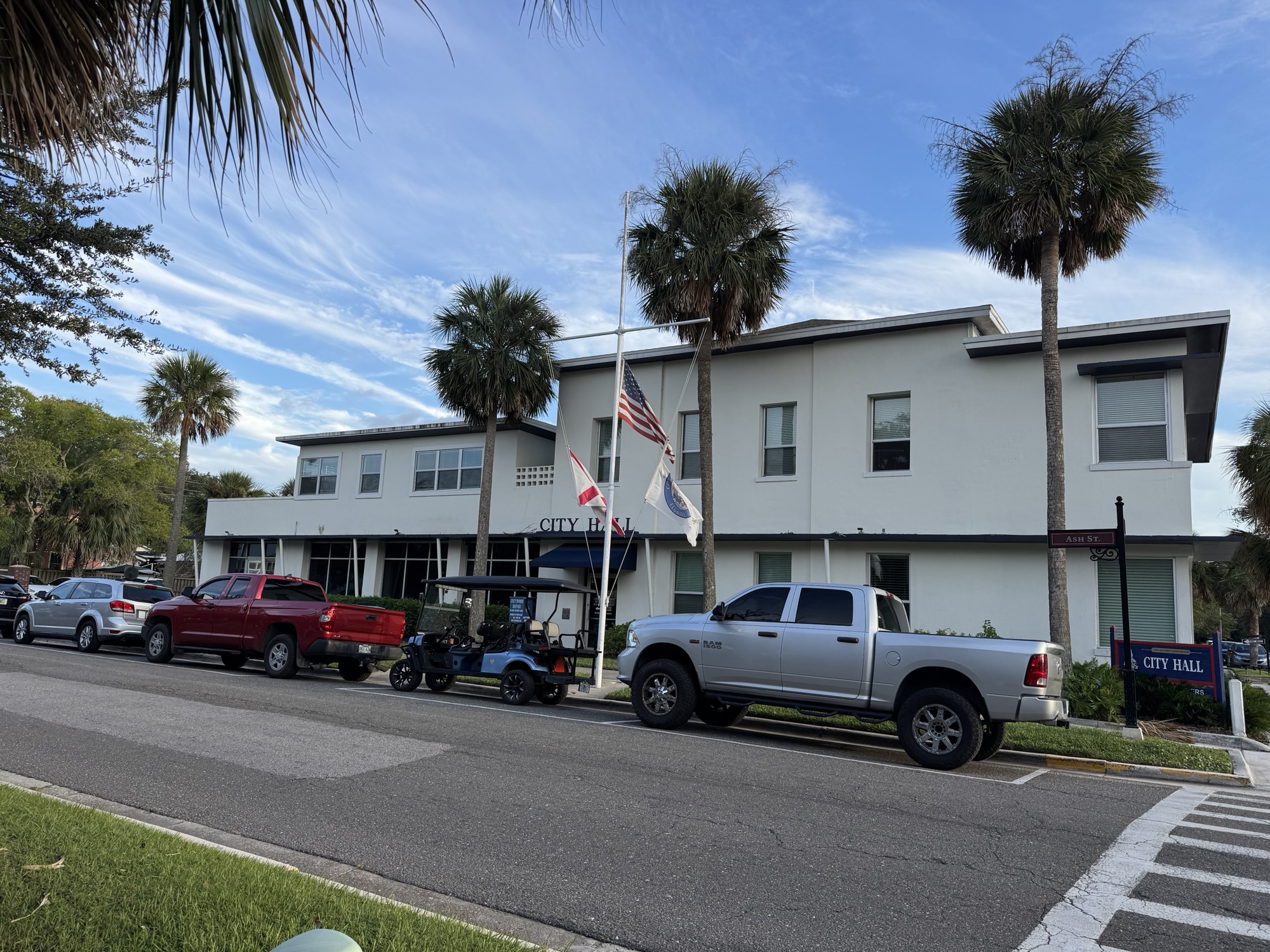
Why Fernandina Beach Is Likely to Lose Its Legal Battle Against RYAM’s Bioethanol Plant
Fernandina Beach (the City) is likely to lose—or at least face a very unfavorable outcome—in its legal battle with RYAM over the proposed bioethanol facility. This stems from a combination of procedural, substantive, and statutory reasons under Florida land-use law and the Bert J. Harris Jr. Private Property Rights Protection Act.
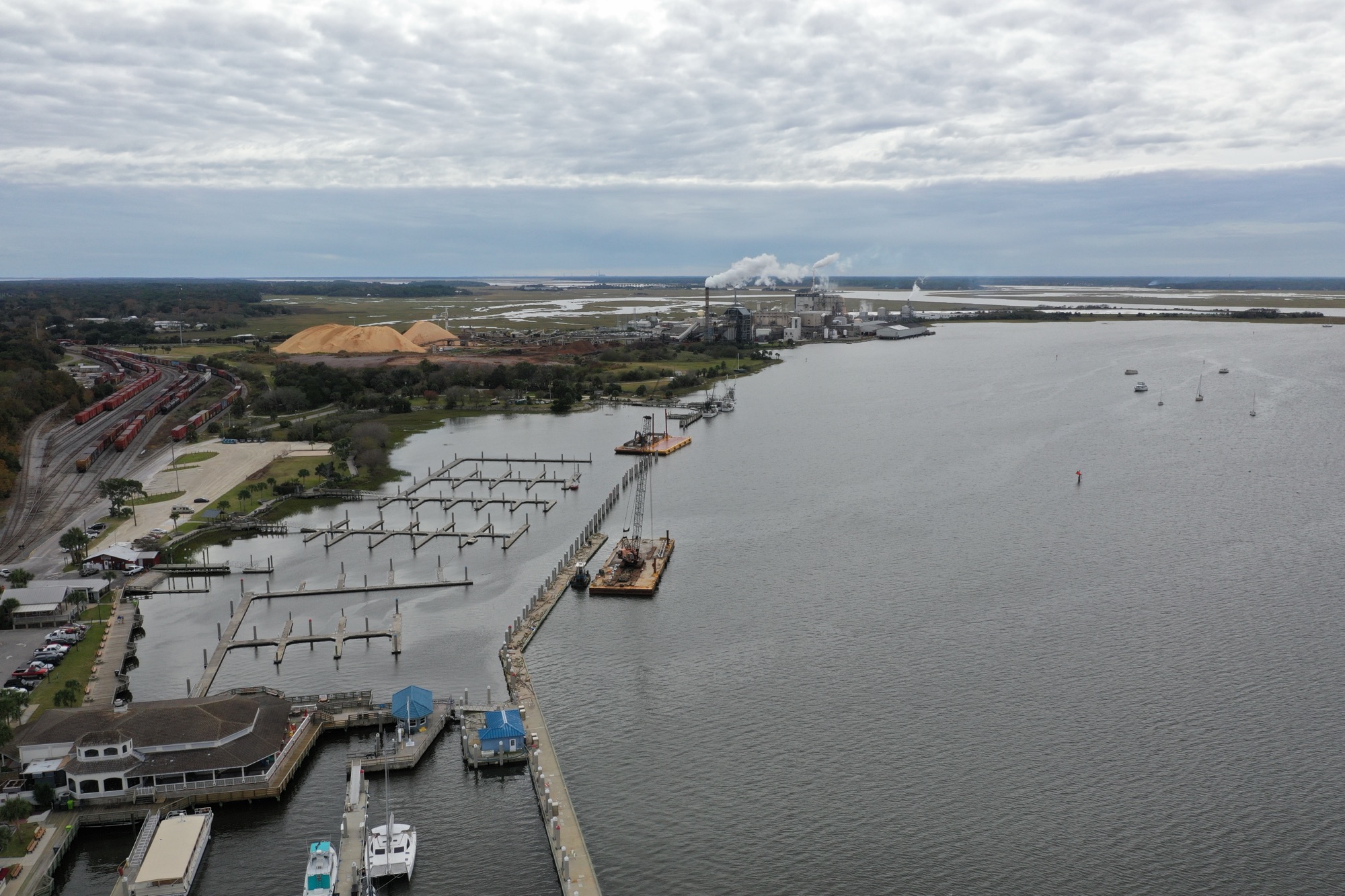
The dispute centers on the City’s February 2025 denial of RYAM’s plan to build a second-generation bioethanol plant on a 2.97-acre portion of its existing Gum Street pulp mill site (zoned I-2 Heavy Industrial). The City ruled that the facility would constitute prohibited “chemical manufacturing or refining” under Comprehensive Plan Policy 1.07.12(g) and the Land Development Code (LDC).
RYAM sued in Nassau County circuit court on February 28, 2025, seeking declaratory and injunctive relief to overturn the denial, plus a later $6.6 million Harris Act claim based on an independent appraisal showing the site’s value dropping from $7.12 million to $517,800. A non-jury trial was originally set for August 2026; the case is now paused for court-ordered mediation on April 13–14, 2026.
Florida land-use decisions like this are quasi-judicial and must follow the LDC’s required steps. RYAM argues (and evidence supports) that the City bypassed the full Technical Review Committee (TRC) process, which normally includes a formal site-plan review, a staff compliance report, and a public hearing before any denial. Instead, the City relied on a preemptive staff interpretation and outside legal opinion that the use was categorically prohibited. Courts frequently strike down or remand such decisions when the proper process isn’t followed—especially when the applicant claims it was denied a fair shot at demonstrating compliance. This alone gives a judge strong grounds to send the matter back for proper review or rule the denial invalid.
The City’s position rests on a May 2024 outside legal memo concluding that the bioethanol process—fermentation of spent sulfite liquor (SSL) byproduct into ethanol via evaporation, distillation, dehydration, etc.—qualifies as chemical manufacturing/refining under NAICS code 325193 (Ethyl Alcohol Manufacturing) and federal chemical definitions.
RYAM counters that this is a biological fermentation process (yeast converting sugars, similar to beer or yogurt production), not a chemical synthesis, and is merely a “reasonable extension” of the existing pulp mill’s long-standing industrial operations (which have processed SSL since the 1930s). The plant would be inside the existing footprint and reduce emissions by converting waste that is currently burned. Zoning codes and comprehensive plans are strictly construed against restrictions when language is ambiguous, and Florida courts have room to side with a property owner’s reasonable interpretation of “permitted industrial use” on land already zoned and used for heavy industry for nearly 90 years. If the judge agrees the use doesn’t clearly fit the prohibition, the denial fails.
Even if the City technically wins on the zoning interpretation, the Harris Act is a separate, pro-property-owner statute designed precisely for situations like this. It allows compensation (or other relief) when government action “inordinately burdens” an existing use or vested right to a specific use of real property—without needing to prove a full constitutional taking.
RYAM has already satisfied the notice requirements and the City responded by choosing “Option 11” (no change to the denial). That triggers full litigation. The $6.6 million appraisal of lost value is already in evidence. Harris Act cases often settle or result in awards/attorneys’ fees because local governments hate the risk of paying taxpayer dollars for what a judge deems an unreasonable burden on industrial property rights. While courts construe the Act somewhat narrowly, direct permit denials on already-industrial sites with clear investment-backed expectations have succeeded or forced large settlements in similar Florida cases.
RYAM is a major employer with deep pockets and can afford prolonged litigation. The City’s defense is taxpayer-funded (with insurance coverage), but prolonged fights drain budgets and political capital. The upcoming closed-door mediation (April 13–14) is court-ordered. Judges order mediation when they see real risk on both sides—but especially when one side (the City) faces exposure to damages. No agreement means the case returns to court, where the procedural and substantive weaknesses above will be litigated. RYAM has also filed a federal suit alleging unfair treatment. While state claims are primary, the multi-front pressure increases settlement odds.
A full City “win” (denial upheld with no damages) is possible but low-probability. More realistically, the City will either lose on the merits (denial overturned or remanded with instructions to approve), lose on the Harris Act (forced to pay millions), or settle in mediation with some form of compromise (scaled project, conditions, or partial relief for RYAM). That constitutes “losing the legal battle” in practical terms—either the plant moves forward (or gets another shot) or the City pays a large sum to make it go away. The City’s strong public opposition to the project was politically effective at the commission level, but it does not translate well into courtroom defenses of arbitrary or procedurally flawed land-use decisions.
AI Disclaimer:
This analysis was generated with the assistance of Grok, an AI built by xAI. It is based on publicly available information and general principles of Florida land-use and property rights law as of April 2026. This is not legal advice. Laws, facts, and court outcomes can change. Readers should consult a qualified attorney for advice specific to any legal matter. The opinions expressed here are for informational and discussion purposes only and do not guarantee any particular result in the ongoing litigation.