Evans Rendezvous at American Beach: History and Current Plans
I remember this place in passing as a teenager. Usually Sunday was packed with people and all I cared about at the time was surfing or fishing up and down the coast. Reading an article today on the landmark, I remembered it more as a deserted structure I walked through years later, probably as a broker looking for clients before it was acquired by Nassau County. Taking a second look at some of the performers and the history I missed because I just wasn’t the right age, it’s an impressive place and fitting site to preserve and make the centerpiece of American Beach.
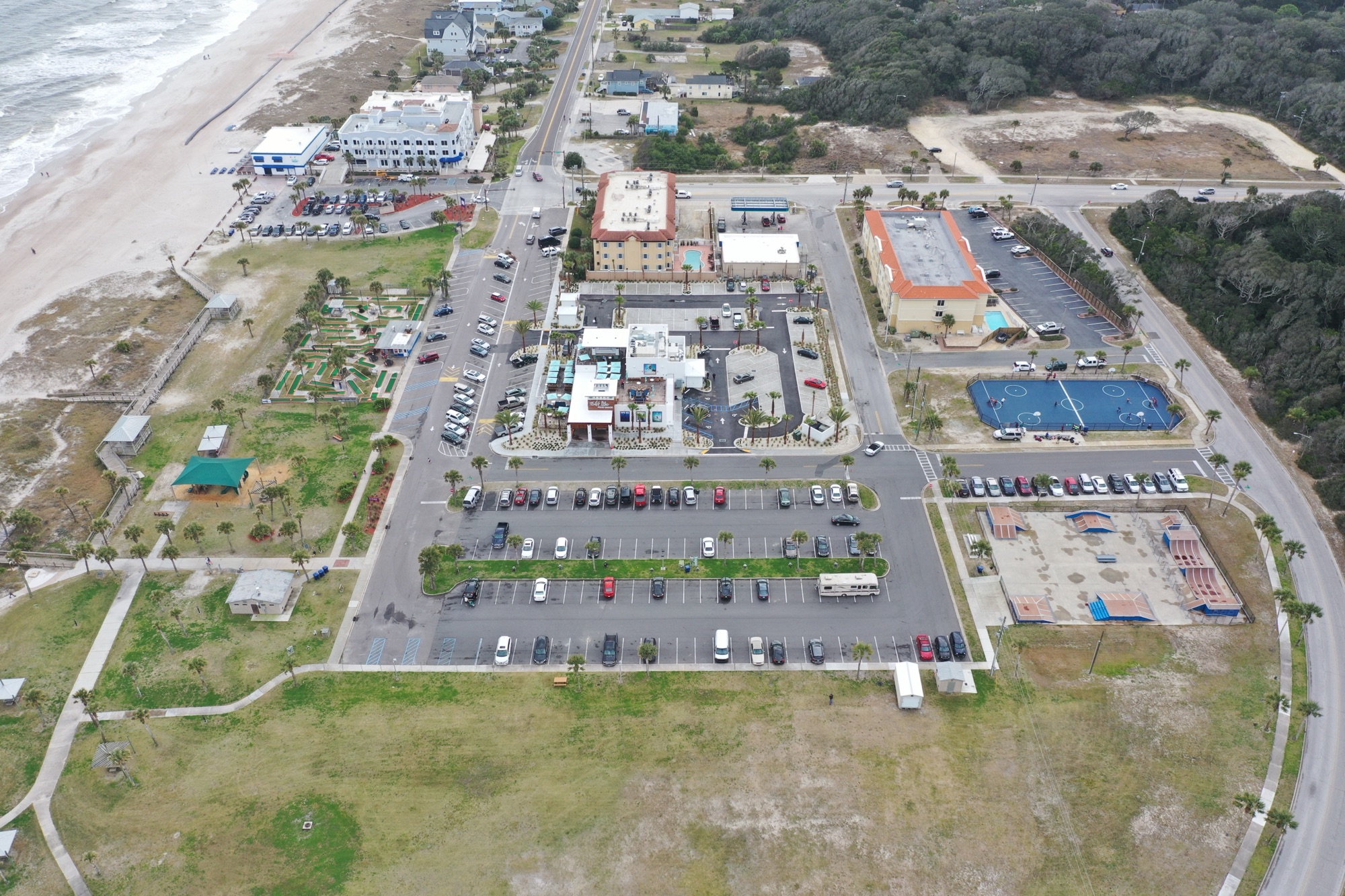
Nassau County owns the former Evans Rendezvous property and is actively advancing plans to stabilize and rehabilitate the historic structure as part of the American Beach Historic District. The site, acquired in 2004 with assistance from the Trust for Public Land and grant funding, is intended for public interpretation, recreation, and community use while preserving its role in local history.
American Beach Community Meeting Presentations 2024:
Community Workshop Presentation – August 24, 2024
Community Workshop Presentation – March 23, 2024
Community Workshop Presentation – January 27, 2024
American Beach Community Meeting Presentations 2023:
Community Workshop Presentation – December 2, 2023
Community Workshop Presentation – November 4, 2023
In 2023, the county received a $500,000 African-American Cultural and Historical Grant from the Florida Department of State for initial “backbone improvements,” including new HVAC, electrical and plumbing systems, fire suppression, insulation, doors, windows, drywall, floor repairs, and exterior weatherproofing. As of March 2026, the county has continued to move forward with infrastructure repairs after multiple deadline extensions. Planning staff are collaborating with the American Beach community and the County Facilities Department on revitalization efforts, including structural rehabilitation, protection of nearby dunes and vegetation, and development of the site as an interpretive center. A historic structures report has guided the work, with a focus on long-term public access and preservation rather than reopening as a nightclub.

About Evans Rendezvous
Evans Rendezvous (also known as Evans’ Rendezvous or Evans Ocean Rendezvous) was a popular oceanfront nightclub, restaurant, and social hub located directly on the beach at American Beach, Florida—Nassau County’s historic African American resort community on Amelia Island, north of Jacksonville. During the era of racial segregation, American Beach was developed in 1935 by Abraham Lincoln Lewis, a prominent African American businessman, as a place where Black families could enjoy recreation and relaxation without the restrictions common at other public beaches.
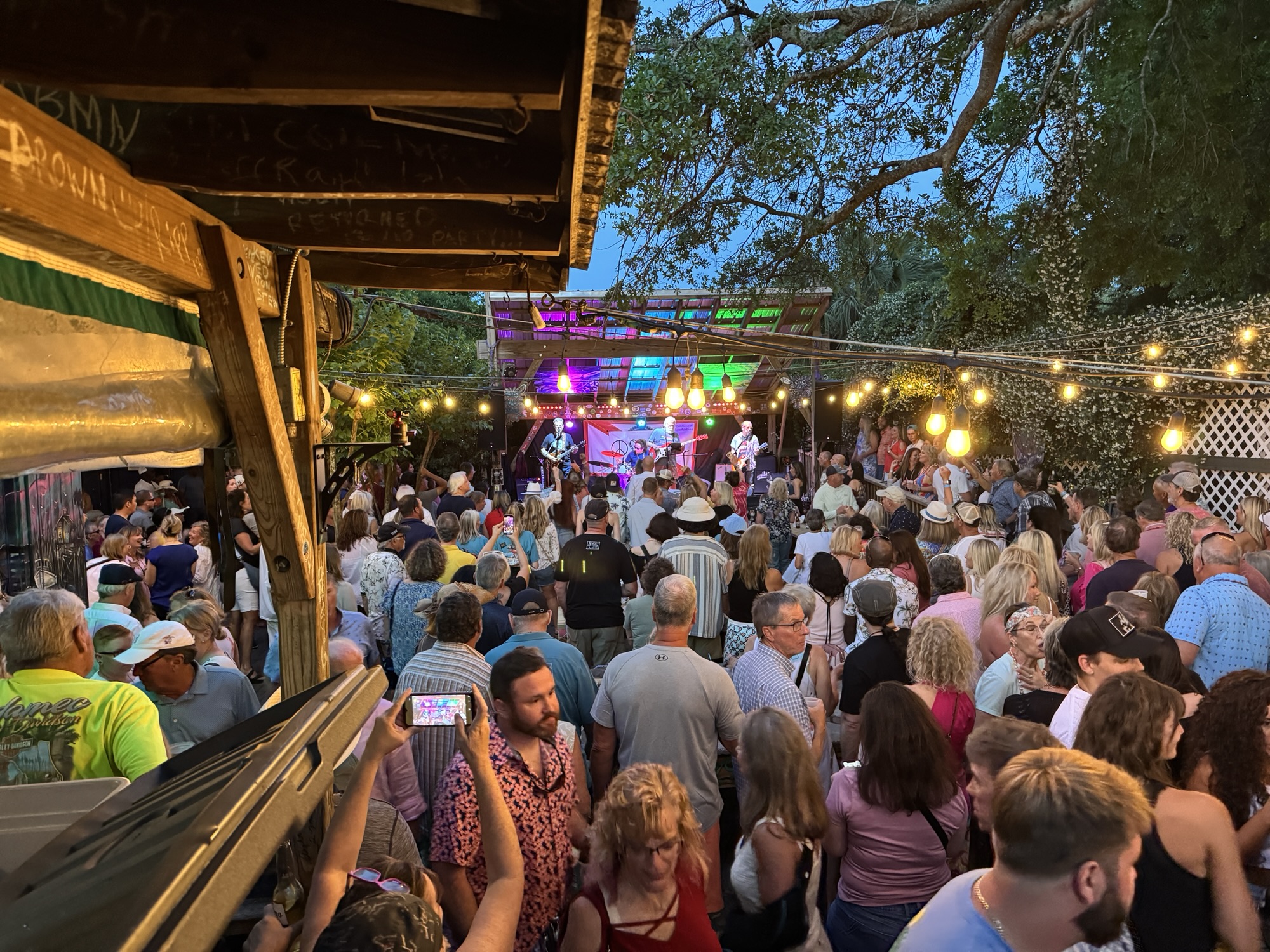
Willie B. Evans Sr., a World War II veteran and entrepreneur, opened a smaller establishment called Sunny’s Spot around 1942 before expanding in 1948 with the oceanfront Evans Rendezvous. The venue quickly became a central gathering place for the community, offering food, drinks, dancing, and live music in an atmosphere of dignity and belonging. It was part of the Chitlin’ Circuit, a network of venues that supported Black entertainment during a time when many mainstream stages were not accessible. The club had a lively, energetic atmosphere with an open porch and was known for drawing large crowds.
Stories of Famous People Performing or Visiting
The venue hosted a number of notable artists from the jazz, big band, and early R&B eras. While exact performance dates are not well-documented in historical records (as was common for many Chitlin’ Circuit venues), the peak popularity of Evans Rendezvous occurred from the late 1940s through the 1960s and into the early 1970s. Here are the known stories and associations, with approximate timeframes based on the club’s active years and available accounts:

- Ray Charles: Performed at the club on multiple occasions during its heyday. His appearances are frequently cited as highlights of the venue’s live music offerings in the 1950s and 1960s.
- Duke Ellington (and his orchestra): One of the most prominent big band leaders to appear. Residents in nearby homes could hear the band playing from a distance. His performances likely took place in the 1950s or early 1960s, during the height of the club’s popularity as a destination for major jazz acts.
- Cab Calloway: A frequent performer at the venue, known for his energetic shows and big band style. Appearances are associated with the 1950s and 1960s.
- Louis Armstrong: Listed among the legendary artists who performed there. His visits align with the club’s early decades of operation in the late 1940s through the 1950s.
- Billy Eckstine (sometimes spelled Eckstein in local accounts): Performed as a vocalist and bandleader, contributing to the club’s reputation for high-quality entertainment in the 1950s and 1960s.
- Billy Daniels (the singer known for hits like “That Old Black Magic”): Appeared as a headliner, adding to the mix of jazz and popular vocal performances during the venue’s active years.
Other notable figures visited the broader American Beach community and the club area for the music and social scene, primarily in the 1950s and 1960s:
- Joe Louis (boxing champion): Visited for the atmosphere and entertainment.
- Hank Aaron (baseball legend): Came to enjoy the music and good times at the beach and club.
- Zora Neale Hurston (author and folklorist): Spent time in the area, drawn to the cultural and social environment.
Additional stories include:
- Elvis Presley: After performing at a theater show in nearby Jacksonville (likely in the late 1950s or early 1960s, during his early career tours in Florida), he reportedly stopped by Evans Rendezvous and sang gospel songs with the house band.
- James Brown: A notable incident occurred when he was scheduled to perform or appear but was turned away due to his public support for President Richard Nixon (around 1972–1973, following Brown’s controversial endorsement). The decision reflected tensions at the time, and crowd control issues were also mentioned in connection with his planned appearance. This event took place toward the later years of the club’s operation.
Local and regional performers also kept the venue active night after night throughout its history.
History, Operation, and Later Years
Evans operated the club successfully for many years as a key part of the American Beach resort area, which was active from the 1930s through the 1960s. He sold the property in 1980 after roughly 32 years of ownership, but the venue continued under new management until it closed around 2000, for a total of about 52 years as an active nightclub and restaurant.
After closing, the building remained vacant and experienced gradual deterioration due to exposure to coastal conditions, storms, and lack of maintenance. By the 2010s, it was no longer in use and was documented in accounts of historic but abandoned structures. Nassau County acquired the property in 2004 (with assistance from the Trust for Public Land and grant funding) to preserve it as part of American Beach’s history. Plans have focused on stabilization and development as an interpretive center or museum rather than reopening it as a nightclub. As of recent updates through 2026, funding has supported ongoing renovation work, though the site remains a preservation project rather than an operating venue.