

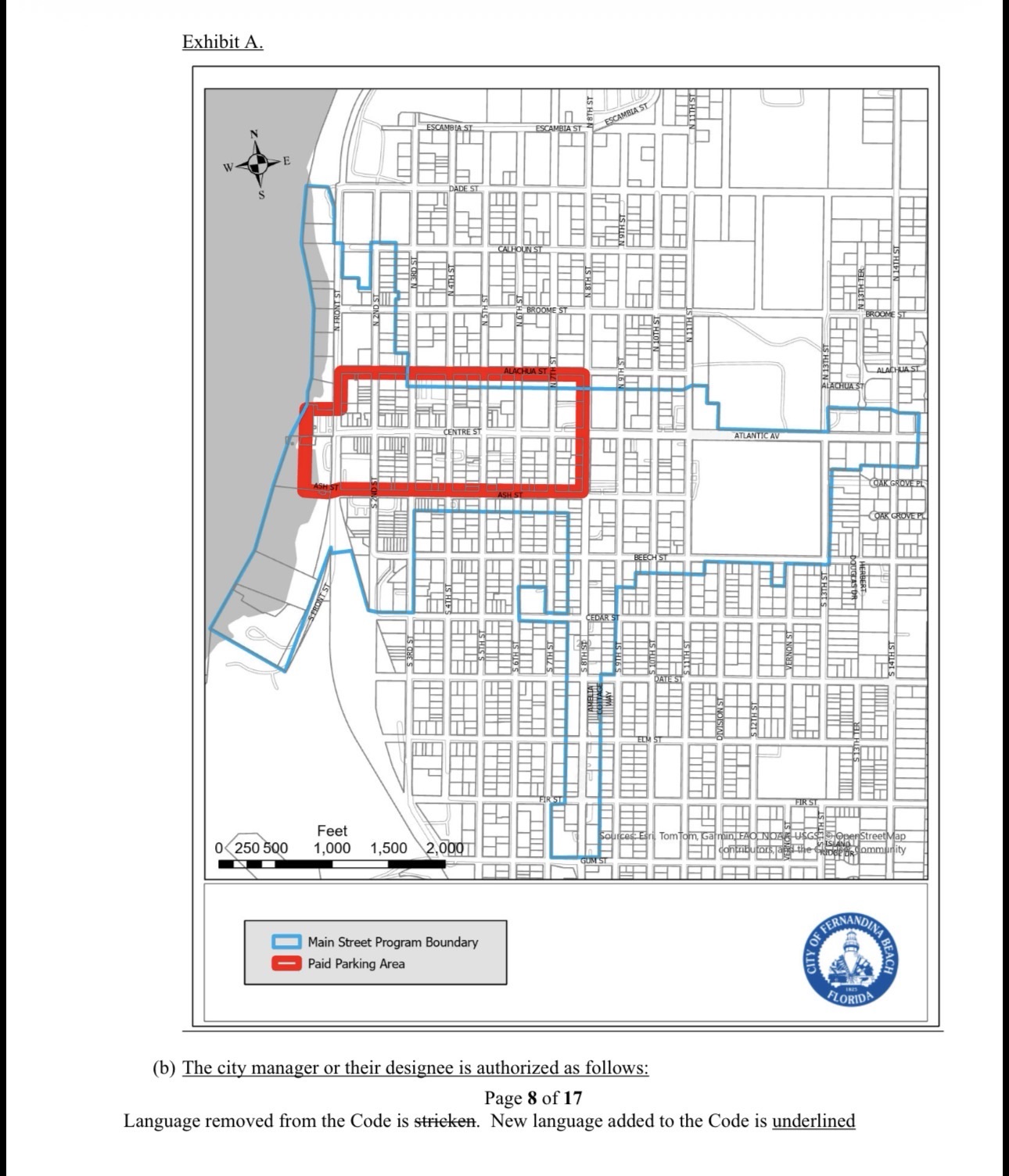
Opinion: Fernandina’s Paid Parking Is the Same Tone-Deaf Mistake Other Florida Coastal Towns Regret — and Voters Never Wanted
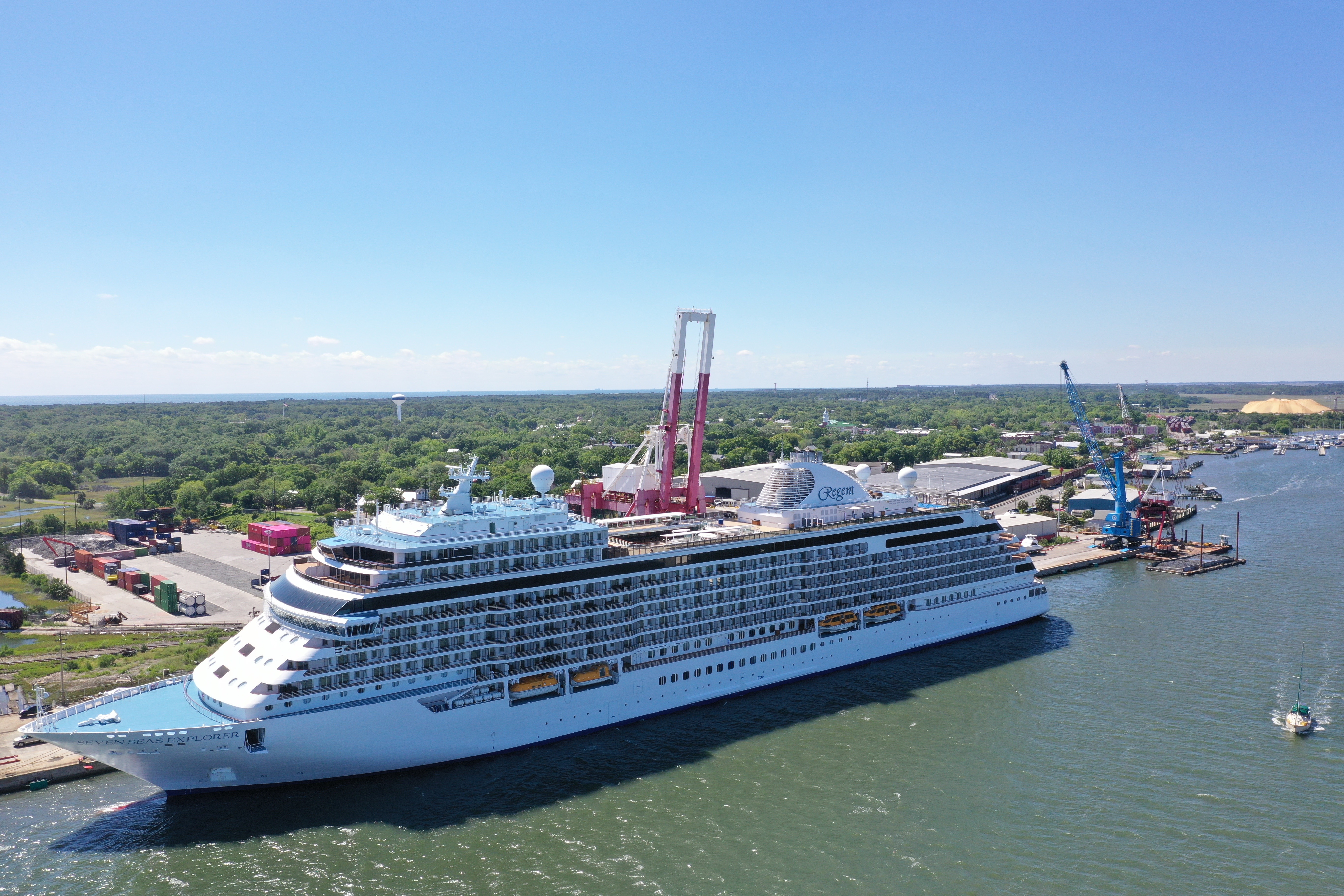
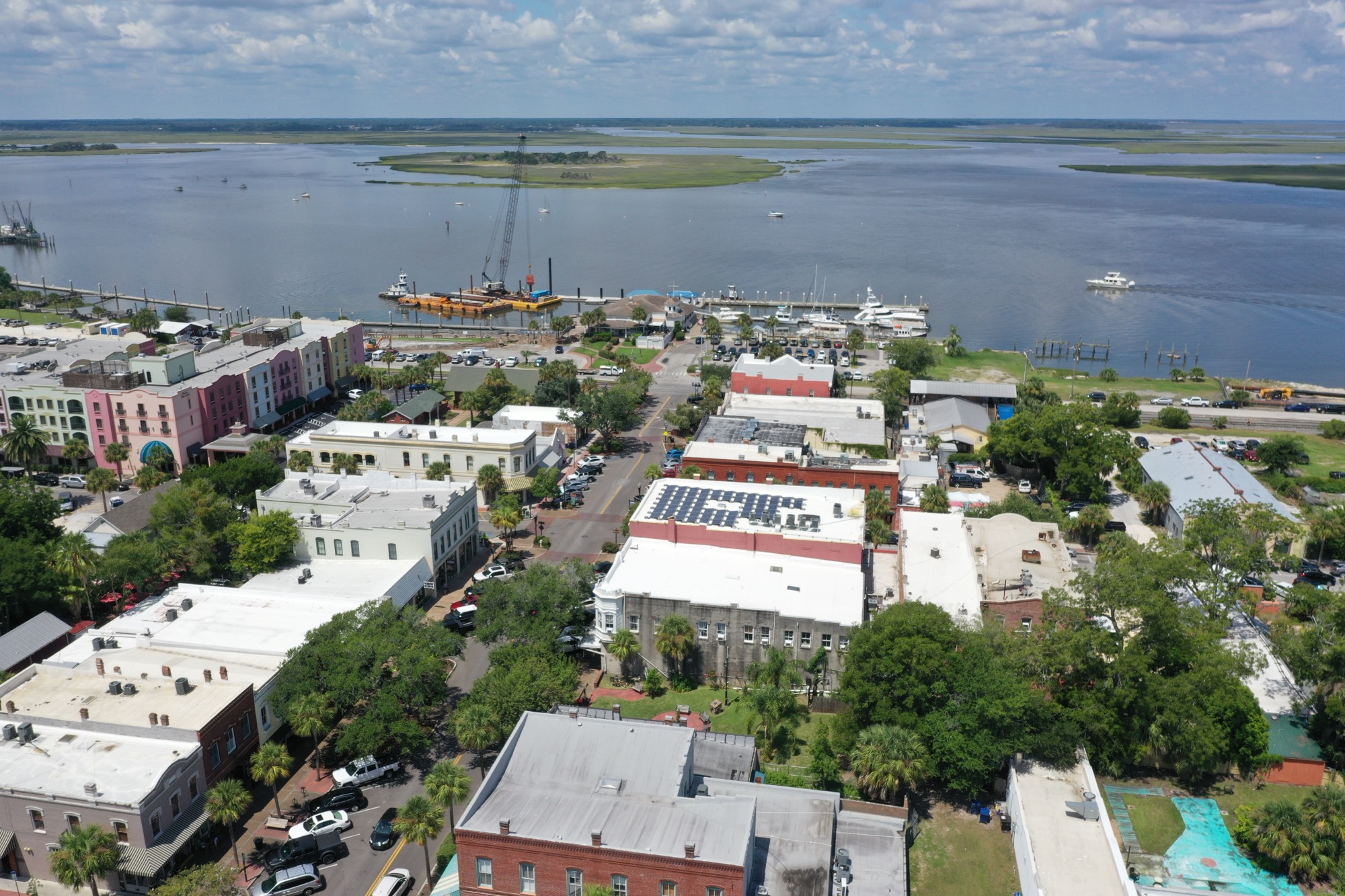
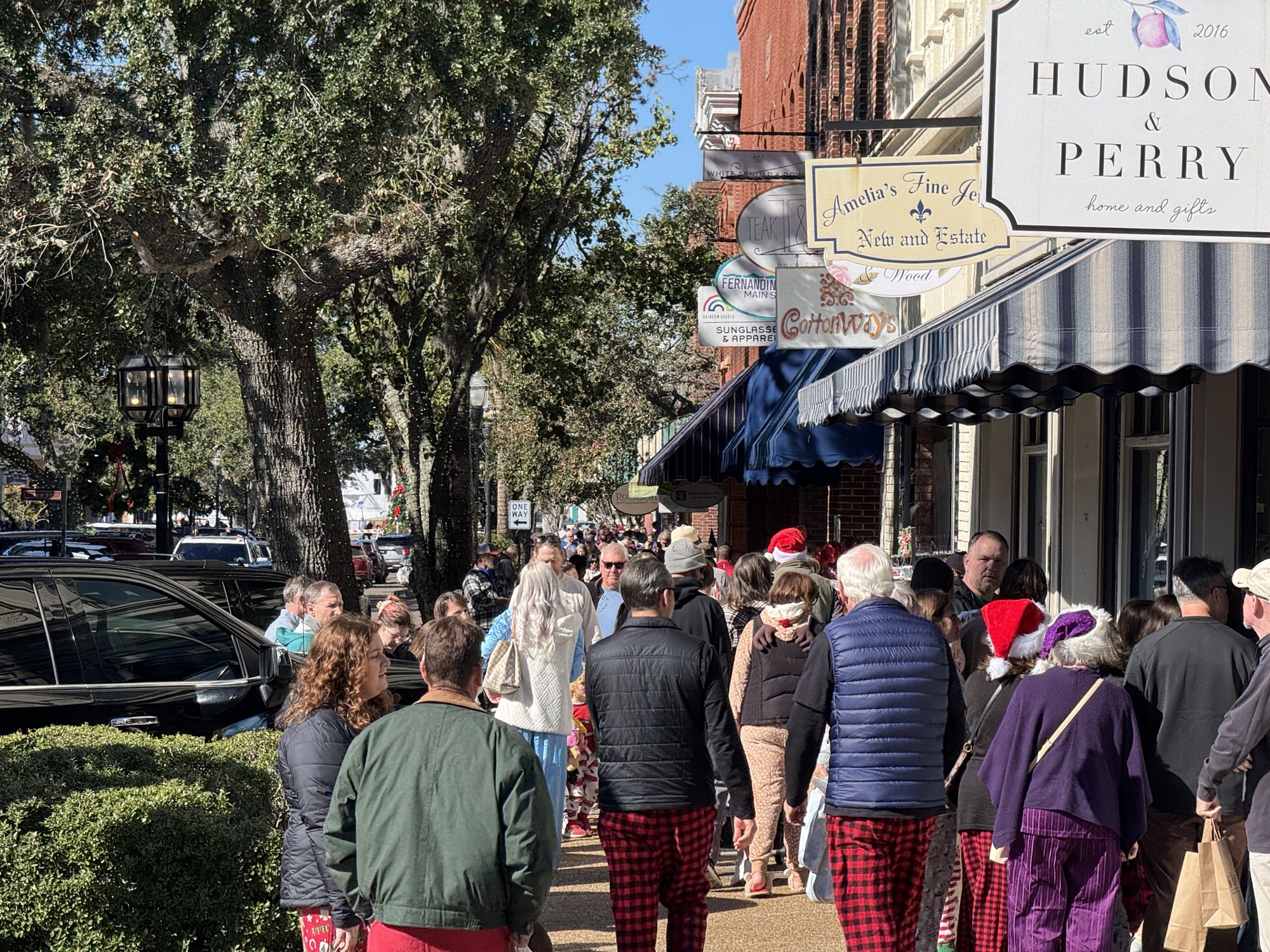
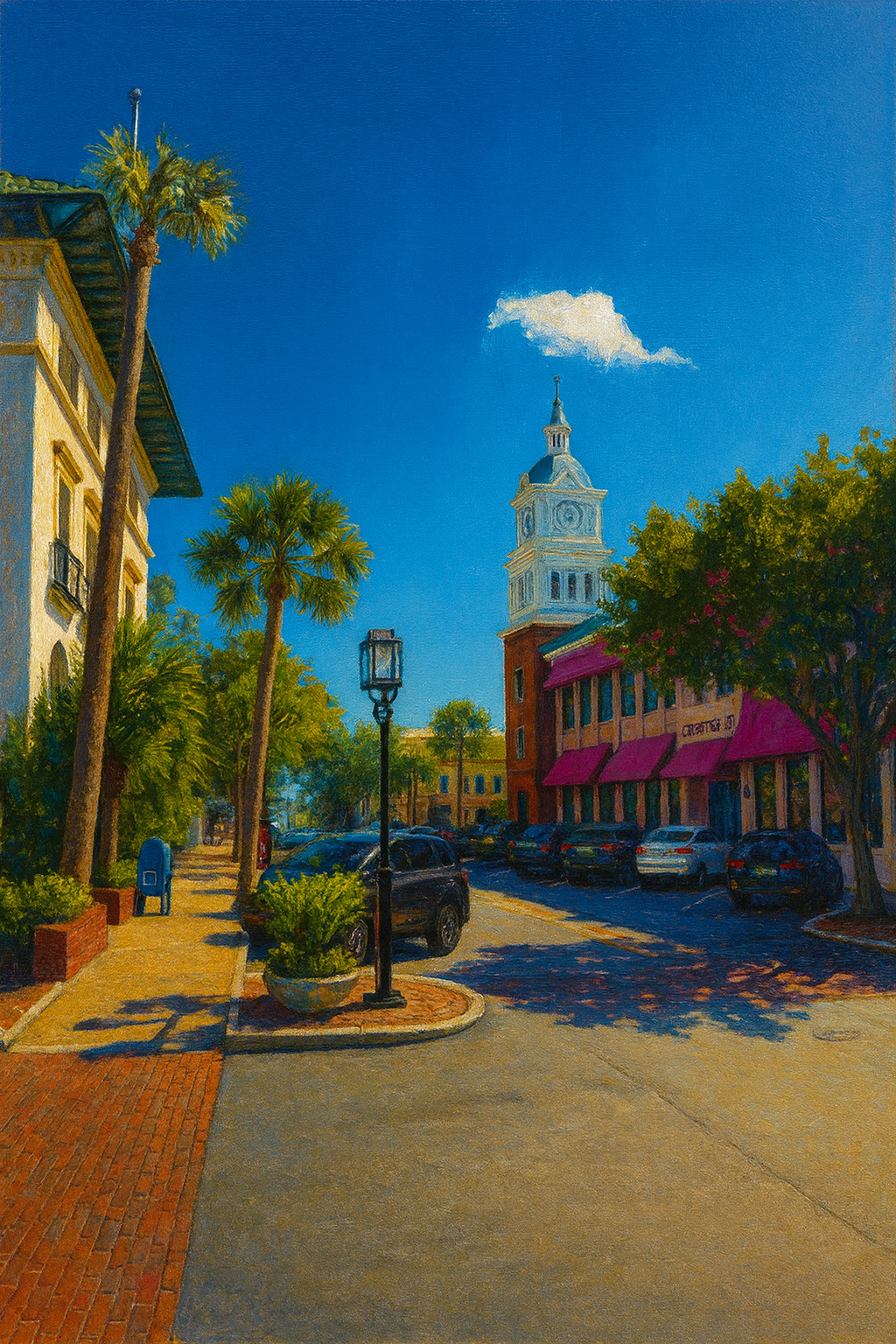
I used to enjoy wandering downtown Fernandina on a quiet afternoon—grabbing a coffee, stepping into a few shops, seeing familiar faces. That simple pleasure is fading. These days I recognize mostly the shop owners. The streets increasingly feel dominated by tour buses and cruise-ship visitors, something that had already begun changing the character of downtown long before paid parking arrived.
Now add more than $3 for the first hour once taxes and convenience fees are included. The direction becomes obvious: a downtown shifting away from locals and toward a model designed primarily for tourism and the businesses that depend on it. Many residents feel the same quiet loss—the sense that the place that once felt like home is slowly becoming something else.
Fernandina is hardly unique. The same pattern has played out in other Florida coastal towns where tourism pressures and short-term policy decisions gradually push residents to the margins. City officials pursue new revenue streams to fund improvements without raising taxes, but the result often includes rising costs, declining local participation, and a downtown that feels less like a community and more like a commercial zone.
Consider nearby St. Augustine, another historic coastal city built on charm and walkability. In recent years, during peak events such as Nights of Lights, garage parking prices doubled from about $20 to $40 per night. In 2025 the city also nearly tripled illegal parking fines from $35 to $100. The response was immediate. Residents complained that the costs were driving people away from events that once felt like shared community traditions. Business owners worried about the effect on employees and casual visitors. What had been a welcoming historic district increasingly felt like an expensive destination rather than a hometown gathering place.
Dunedin on the Gulf Coast offers another example. Paid parking programs introduced in its downtown core altered the town’s easygoing rhythm. Former residents who now live in Fernandina often describe how the added cost and inconvenience discouraged the spontaneous visits that once kept the area lively with locals. Businesses that relied on repeat neighborhood customers saw softer traffic, while the overall atmosphere shifted toward a more tourist-centered environment.
Similar frustrations surface in Southwest Florida communities such as Naples and surrounding beach towns. Limited spaces, higher fees, and app-based systems have turned what used to be simple beach access into a costly and sometimes confusing process. Locals frequently ask the same question: are these places still for residents, or only for visitors willing to pay whatever it costs?
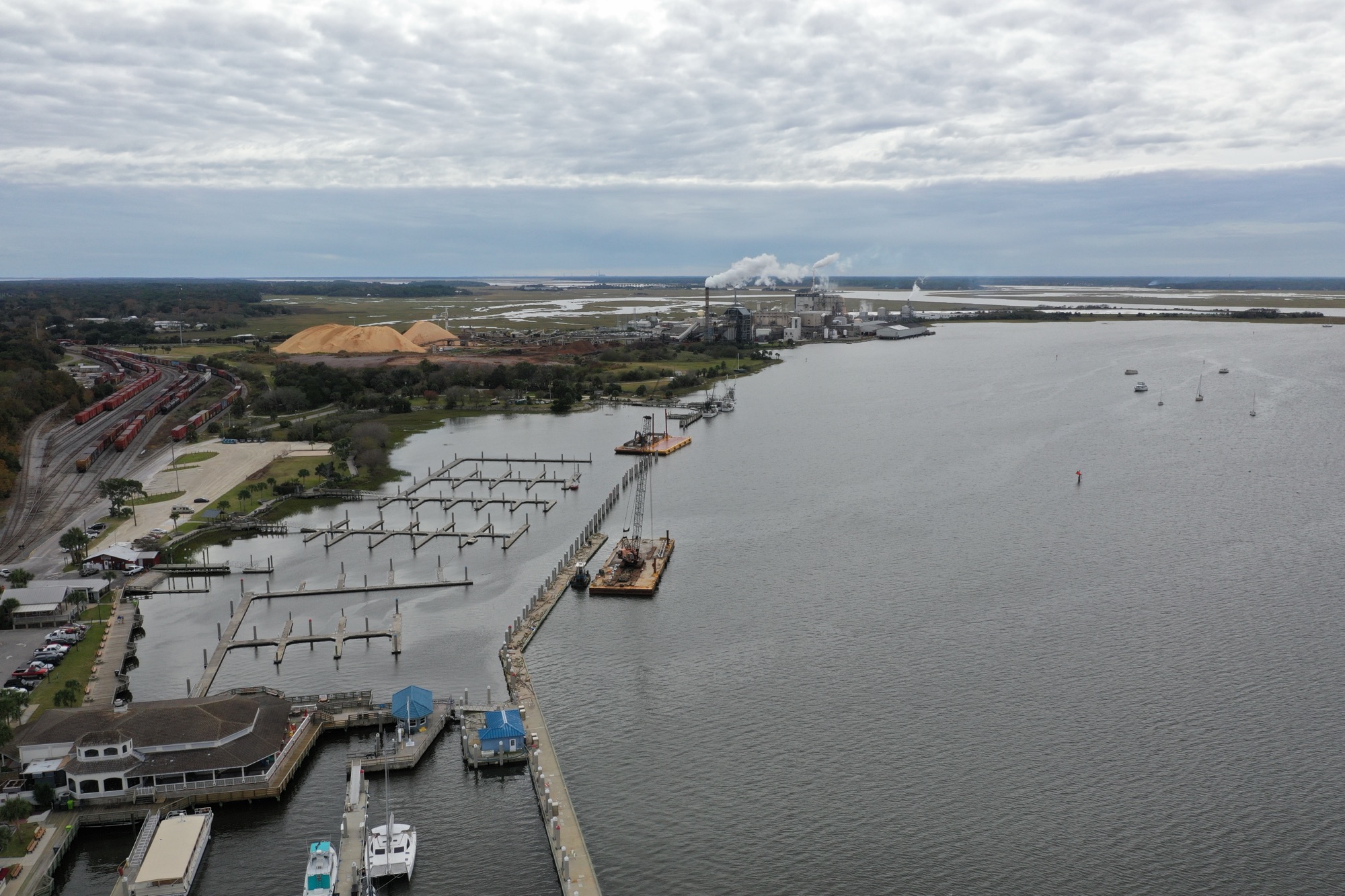
Fernandina now appears to be following the same path—and with an added complication. Paid parking here is tied to major spending plans and long-term obligations. The city is counting on parking revenue to help support waterfront improvements and infrastructure projects. Yet the system itself comes with costs: contracts with management companies, transaction fees, enforcement expenses, and the risk that revenue projections fall short.
Many residents voiced those concerns clearly. Packed meetings included repeated statements from the public that paid parking was not wanted. Instead of banning the program outright, city leaders deferred the decision to a referendum scheduled for August 2026.
That upcoming vote raises an obvious question: if voters reject paid parking, will the commission respect the result—or attempt to overturn it with a future supermajority vote? Residents deserve clarity on that point before they cast their ballots.
The underlying issue is not just about parking meters or apps. It is about identity. For decades, downtown Fernandina functioned as a shared local space where residents could drop in casually without calculating costs or time limits. When access becomes a paid transaction, the culture inevitably changes.
Tour buses and cruise traffic had already begun tilting the balance toward tourism. Paid parking risks completing that shift by turning everyday visits into a calculated decision: pay, or stay away.
Communities across Florida have confronted the same tension between tourism revenue and local character. In many cases the backlash eventually reached the ballot box or forced policy reversals.
Fernandina residents will have their chance to decide in August. If the vote reflects what many people have been saying since the first meetings last summer, the outcome may be clear. The remaining question is whether the will of the voters will settle the matter — or whether the debate will continue even after the ballots are counted.