


Which businesses are helped or hurt by Paid Parking in Fernandina, according to the latest unfiltered AI Research
In small towns and historic downtowns across the country, paid parking generally favors high-turnover, quick-visit businesses while hurting (or favoring far less) long-stay, browsing-oriented retail and tourist-dependent shops.
Businesses It Favors

• Quick-service and short-stay operations: Coffee shops, ice cream parlors, fast-casual eateries, bars, pharmacies, and convenience-type spots.
Reason: Paid parking creates higher turnover — customers park briefly (30–60 minutes), leave, and free up spaces for the next person. Planners and parking advocates (citing Donald Shoup and real-world data) argue this means more total customers per day for businesses right on the street.
• Businesses with committed customers or validation programs: Upscale restaurants where diners plan to stay 1–2 hours anyway, or shops that can offer parking validation.
• Long-term indirect winners: Any business if city revenue funds street improvements, events, or beautification.
Businesses It Hurts or Favors Less
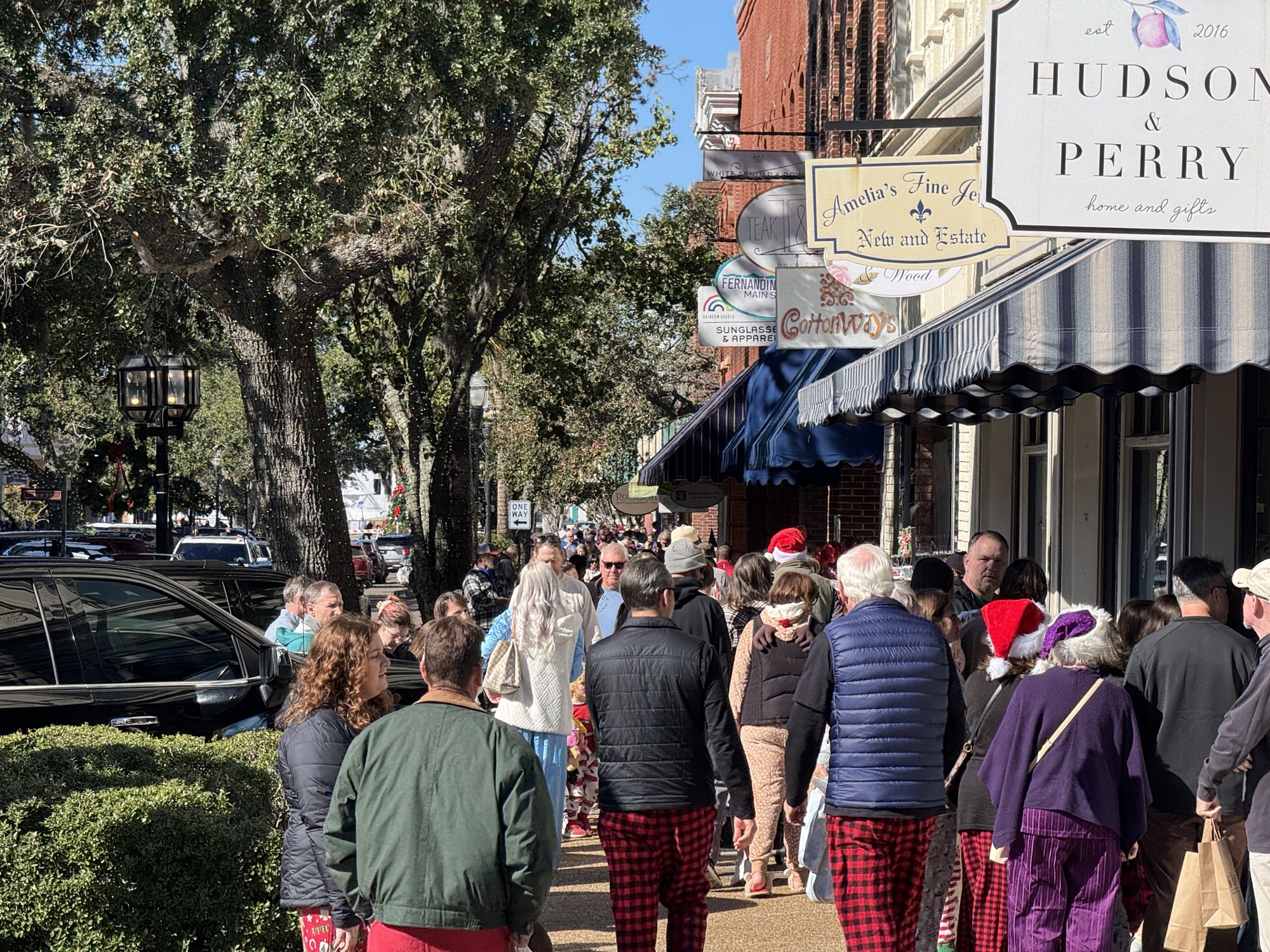
• Browsing / impulse retail: Boutiques, gift shops, antique stores, art galleries, home-decor shops, and specialty retailers.
Customers often hop between stores for 2–4+ hours; added fees and meter-feeding feel like friction or “extra cost,” so they skip, shorten visits, or go to free-parking alternatives.
• Tourism-heavy or “small-town feel” businesses: Anything relying on leisurely day-trippers, retirees, or families strolling and shopping spontaneously.
How This Plays Out in Fernandina Beach’s Specific Program
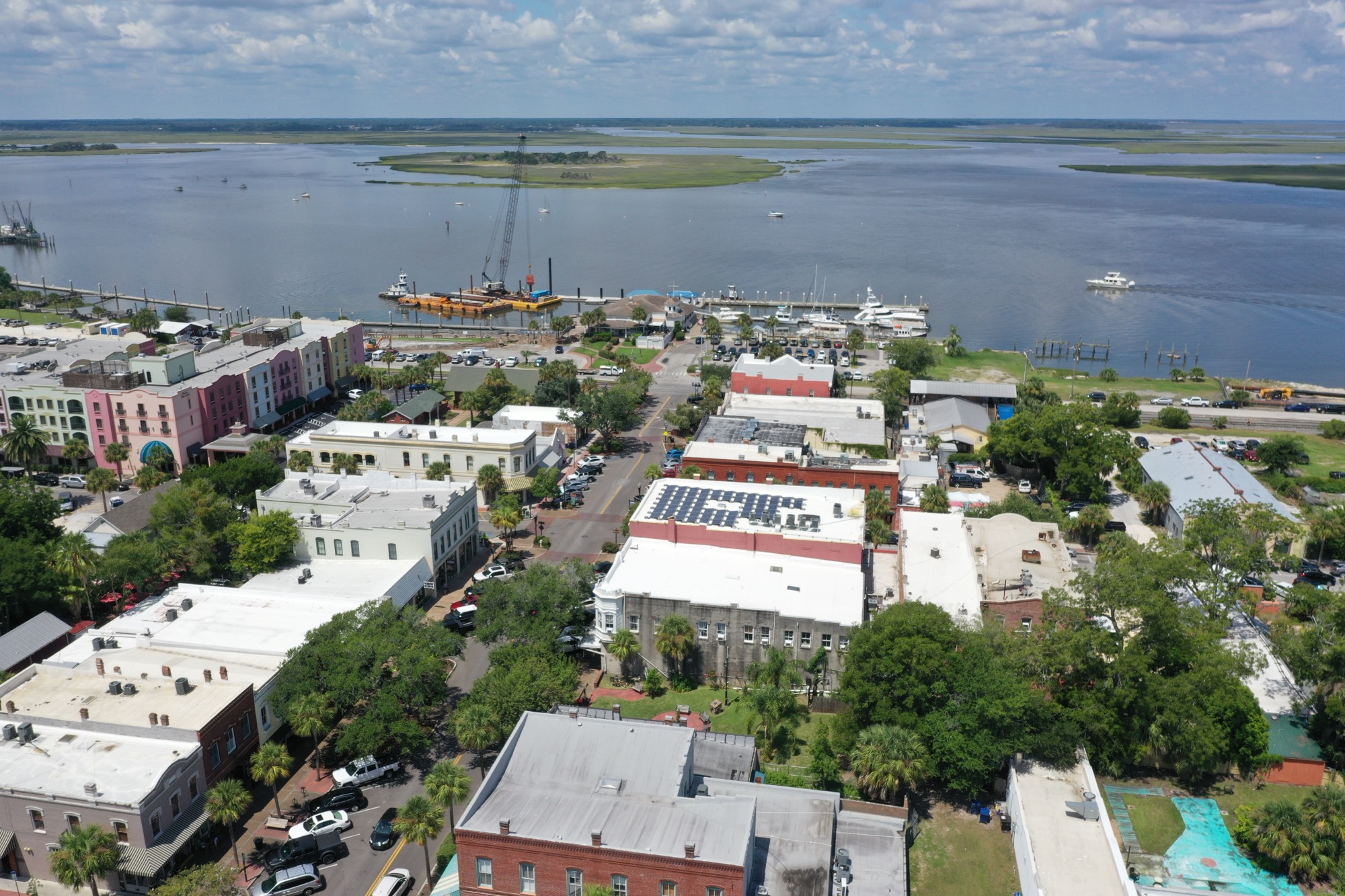
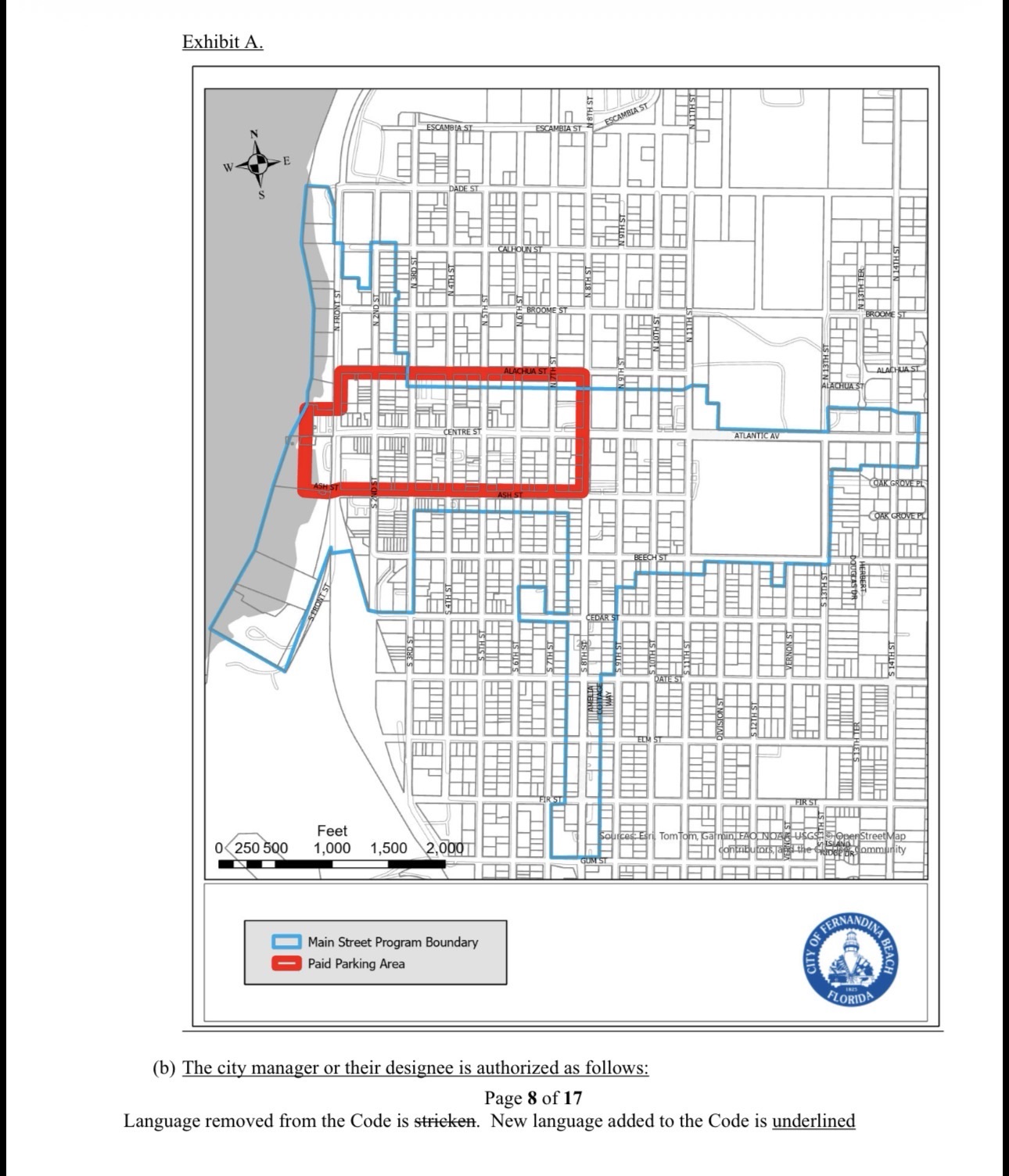
Fernandina’s paid parking (launched Feb 16, 2026) covers the historic downtown core: roughly Ash to Alachua Streets and Eighth to Front (Centre Street and immediate blocks). Rate: $2 per hour (plus app fees), 10 a.m.–8 p.m. most days, with a 20-minute daily free grace period.
• Favors: Quick spots like coffee houses or short marina visits — more spaces turn over for actual shoppers/diners instead of all-day employee or resident parking.
• Hurts more: The heart of Fernandina’s economy — independent boutiques, gift shops, galleries, antique stores, and leisurely dining on Centre Street. Early feedback (first days of rollout) already shows owners calling streets “ghost town” and “eerie,” with visitors saying they’ll come less often.
The program was sold as the revenue source (~$2 million/year projected) to back debt for the $22 million seawall and other big-ticket CIP items. In a tourist-dependent historic small town where the charm is “park free and wander for hours,” it tilts the scales against the very independent shops and relaxed experience that bring people (and their wallets) in the first place.
AI Disclaimer: This analysis was generated by Grok, an AI built by xAI, based on publicly available economic studies, parking research, and Fernandina Beach local reporting as of February 2026. It is for informational and discussion purposes only and does not constitute professional, financial, or legal advice.