







Bioethanol at RYAM: Why It Fits Fernandina’s Comp Plan
The ongoing fight between Rayonier Advanced Materials (RYAM) and the City of Fernandina Beach centers on one question: does adding an ethanol distillation unit to the pulp mill count as a prohibited “chemical plant,” or is it a logical extension of an existing, permitted use?

The answer is in the City’s own Comprehensive Plan and Land Development Code (LDC).
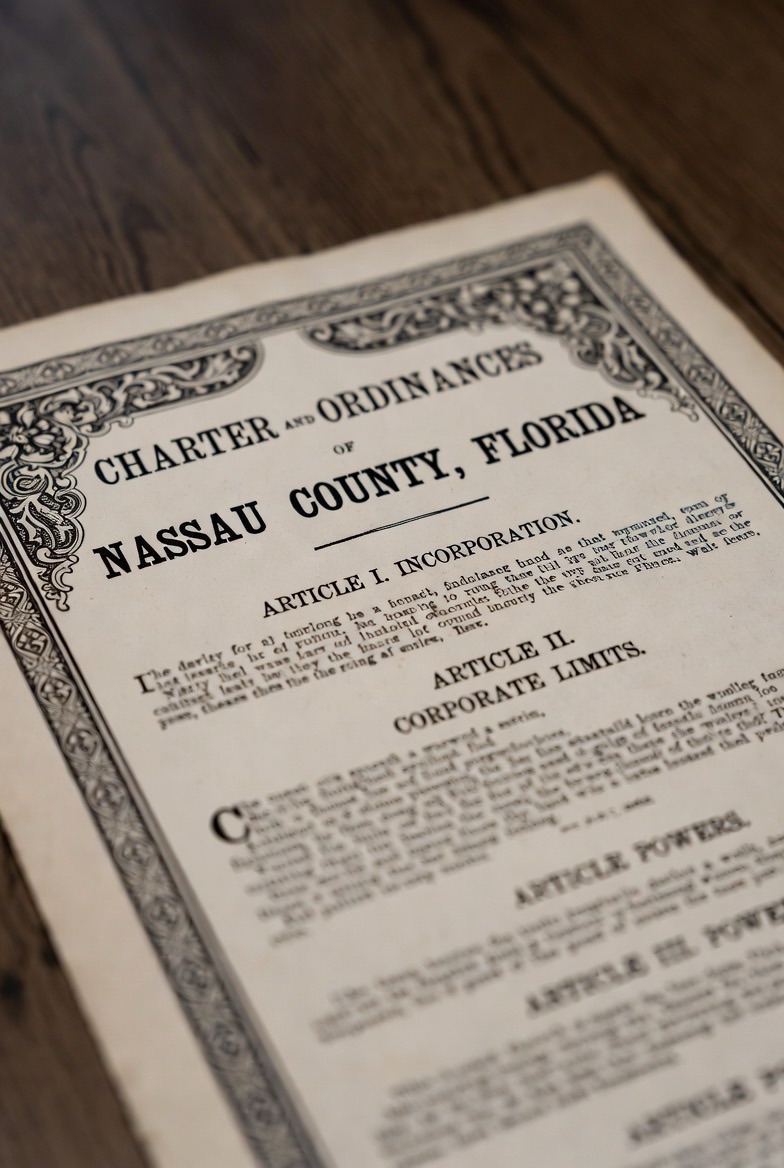
What the City’s Plan and Code Actually Say
The City’s 2030 Comprehensive Plan describes Industrial (“IN”) areas as supporting:
“Manufacturing, assembling and distribution activities … and other similar land uses.”
But it also says certain uses are prohibited, including:
“Chemical or petroleum manufacturing or refining.”
The Land Development Code (LDC) section on Heavy Manufacturing (I-2), which is the category that covers the RYAM pulp mill, spells out what is allowed:
“Intensive manufacturing and industrial operations … the processing and/or treatment of extracted or raw materials … and all other associated or ancillary activities.”
It repeats the Comprehensive Plan’s prohibition:
“Chemical or petroleum manufacturing or refining” is not permitted.
Why Pulp Mills Are Clearly Permitted
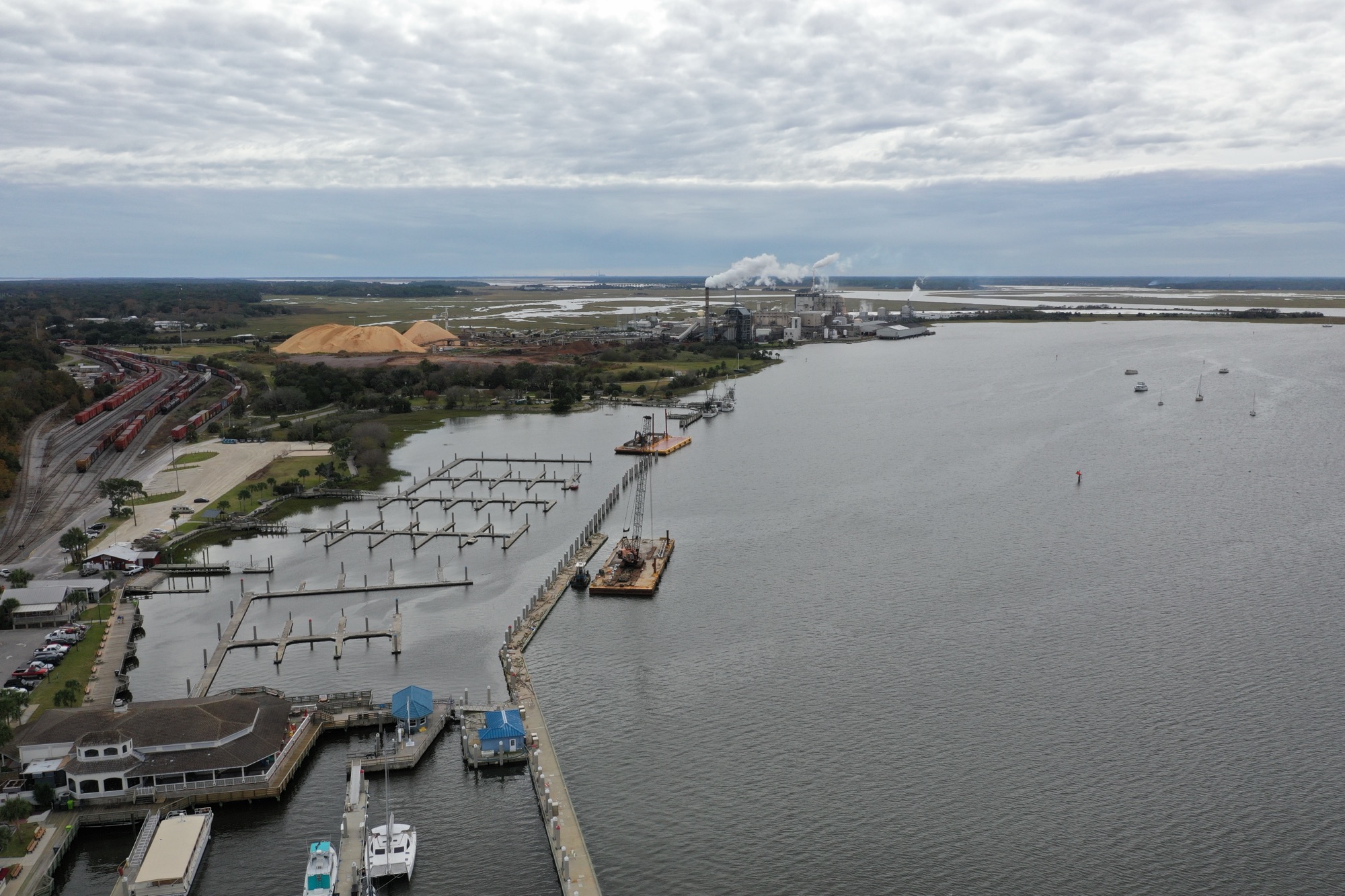
The RYAM pulp mill sits comfortably within this language. Turning wood into specialty cellulose is the textbook definition of “processing and/or treatment of extracted or raw materials.” That’s exactly what I-2 Heavy Manufacturing was written for.
Equally important, the I-2 definition includes “all other associated or ancillary activities.” That clause matters. It means if an activity is directly tied to the permitted industrial operation, it’s allowed as part of the existing use.
Where Ethanol Distillation Fits
RYAM’s proposed ethanol facility is not a standalone chemical refinery. It doesn’t bring in new raw materials. It doesn’t refine petroleum. Instead, it takes the sugar-rich residual streams from the pulp process and runs them through fermentation, distillation, and denaturing. That’s it.
Functional linkage: Without pulping, there’s no sugar stream to ferment. Ethanol production here is dependent on the pulp mill, which makes it a classic ancillary activity. Industry norm: Around the world, pulp mills are doing exactly this. Borregaard (Norway), Domsjö (Sweden), and AustroCel Hallein (Austria) all bolt ethanol distillation onto their pulp operations. It’s recognized industry practice, not a separate chemical sector. Code fit: Because the City’s own definition allows “associated or ancillary” activities and “processing/treatment of raw materials,” ethanol distillation is not an outsider—it’s part of modern pulp mill operations.
Why the City Calls It “Chemical Manufacturing”
The City’s denial rests on a single definitional move: labeling bioethanol production as “chemical manufacturing/refining.” If that label sticks, the project is prohibited.
But that’s a stretch. The Comp Plan was written to keep out petroleum refineries and heavy chemical plants—not to stop a pulp mill from valorizing its byproducts. Fermentation and distillation are closer to food/beverage processes than petrochemical cracking.
Why RYAM’s Expectation Was Reasonable
For purposes of a Bert Harris claim, what matters is whether RYAM had a reasonable, investment-backed expectation that this use was permitted. Here’s why they did:
The LDC explicitly allows “ancillary” activities tied to pulp. Ethanol fits that description. Other pulp mills worldwide have already integrated ethanol successfully. That makes it a foreseeable, logical modernization step. Ambiguity favors the property owner. If the text can be read both ways, Harris claims are designed to give the benefit of the doubt to the landowner who reasonably relied on existing classifications.
Safety Measures at Ethanol-Integrated Mills
Critics worry about safety, but facilities like this follow strict, standardized safeguards, especially near residential areas:
Secondary containment for all tanks. Explosion-proof electrical systems. Automatic fire suppression (foam/water deluge). Continuous monitoring for leaks and vapors. Emergency planning with local fire departments. Buffer zones and traffic controls to minimize impact.
These aren’t optional—they’re part of OSHA, EPA, and NFPA requirements. And they’ve proven effective at the European pulp mills producing ethanol right next to towns not unlike Fernandina.
The Bottom Line
The City’s own Comp Plan and LDC allow heavy manufacturing like pulp mills and ancillary activities tied to them. Ethanol distillation, when integrated into pulp operations, fits neatly into that allowance. Calling it “chemical manufacturing” is a misinterpretation that ignores both the letter of the code and the reality of modern pulp practice.
RYAM’s proposal is not a chemical plant. It’s an upgrade to an existing permitted use—a way to turn waste into renewable fuel, reduce emissions, and keep the mill competitive in a global industry moving toward sustainability.
That’s not just reasonable. It’s exactly what the future of Fernandina Beach’s industrial base should look like.
Author’s Note
This article was researched and created using AI prompts, drawing from publicly available documents and reporting. It was developed in an unbiased, fact-based manner to provide clarity on how the City’s Comprehensive Plan and Land Development Code apply to the RYAM bioethanol proposal.