




Fernandina Beach Settlement with Brett’s Waterway Café: Summary of Claims, Structural Dispute, Lease Insights, and Dredging Concerns

Settlement Summary: Resolving a Long-Running Dispute
In July 2025, the City of Fernandina Beach reached a $380,000 settlement with the owners of Brett’s Waterway Café to end a contentious legal battle that began escalating in 2021. The agreement, pending final city commission approval, resolves claims stemming from the city’s declaration that the restaurant’s substructure was unsafe, leading to attempted evacuation orders, business interruptions, and allegations of lease breaches. The café owners sought over $655,000 in damages, arguing that the city’s failure to maintain key structural elements—like perimeter beams and shared concrete components—caused deterioration, while the unsafe notice generated negative publicity, reduced customer traffic, and complicated operations amid parking changes and closure rumors. They viewed the city’s actions as overreach, potentially motivated by redevelopment goals rather than pure safety, and successfully challenged the evacuation in court in 2022.
On the other side, the city maintained that the aging concrete substructure, including double-tee beams and pilings, posed genuine hazards, supported by engineering reports highlighting corrosion, cracks, and risks during storms. Officials emphasized public safety, partial shared maintenance duties under the lease, and the structure’s exceeded useful life, denying liability but acknowledging some repair lapses. The dispute led to a 2024 lawsuit compelling arbitration, but both parties opted for settlement to avoid high costs and uncertainties, with terms including no lease renewal, waiver of back rent, and provisions for early closure. This compromise provides partial compensation to the owners (about 58% of claimed damages) while allowing the city to proceed with demolition by late 2025 for marina upgrades.
The picturesque town of Fernandina Beach, Florida, has been buzzing about this recent settlement. If you’re wondering why it came about and what each side was fighting for, let’s break it down step by step. We’ll explore the background, the reasons for settling, an analysis of both positions, a look at the lease payments over the past 15 years, and past discussions on dredging and silt issues tied to the structure.
The Background: A Lease on the Edge of the Amelia River
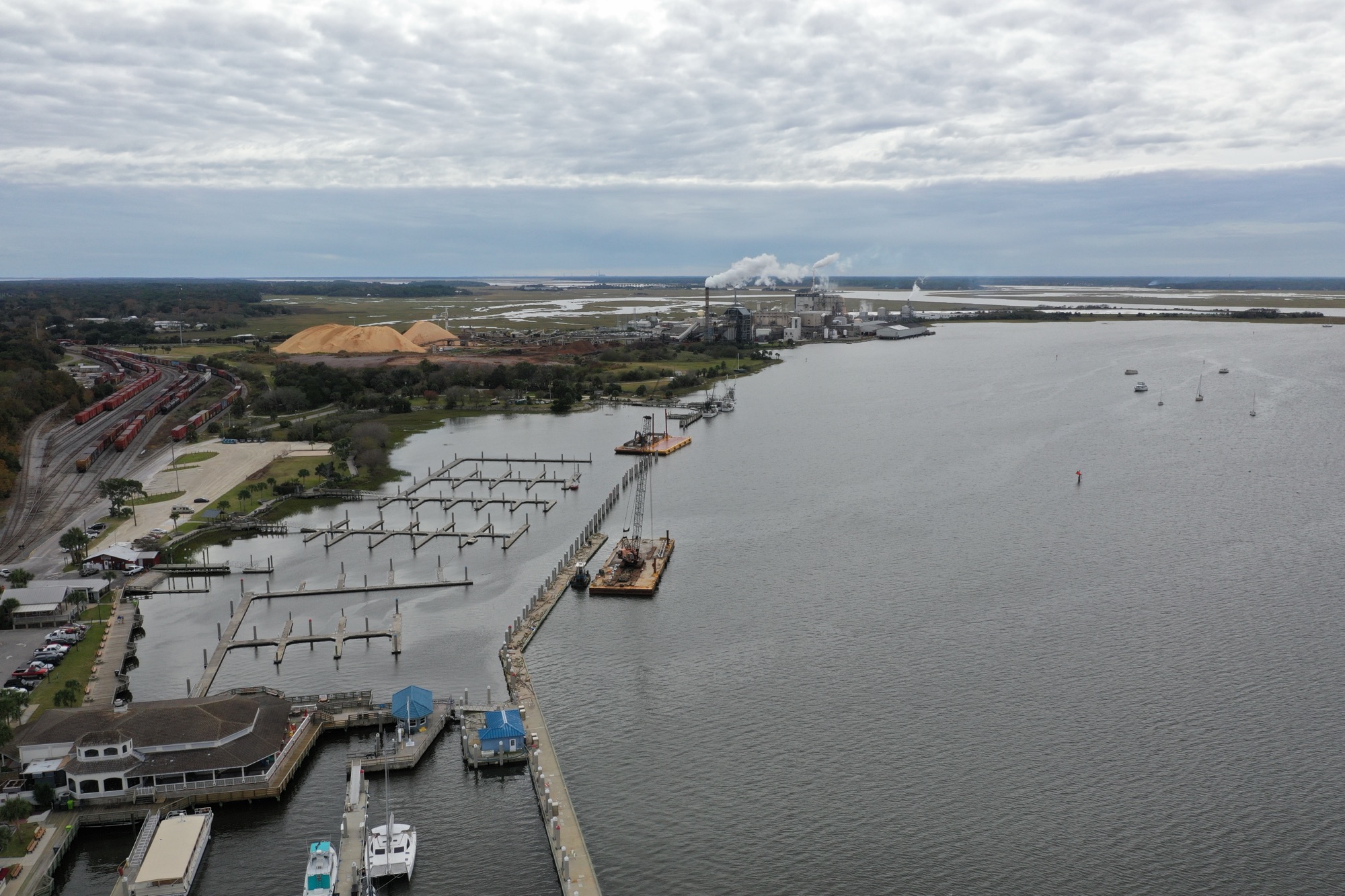
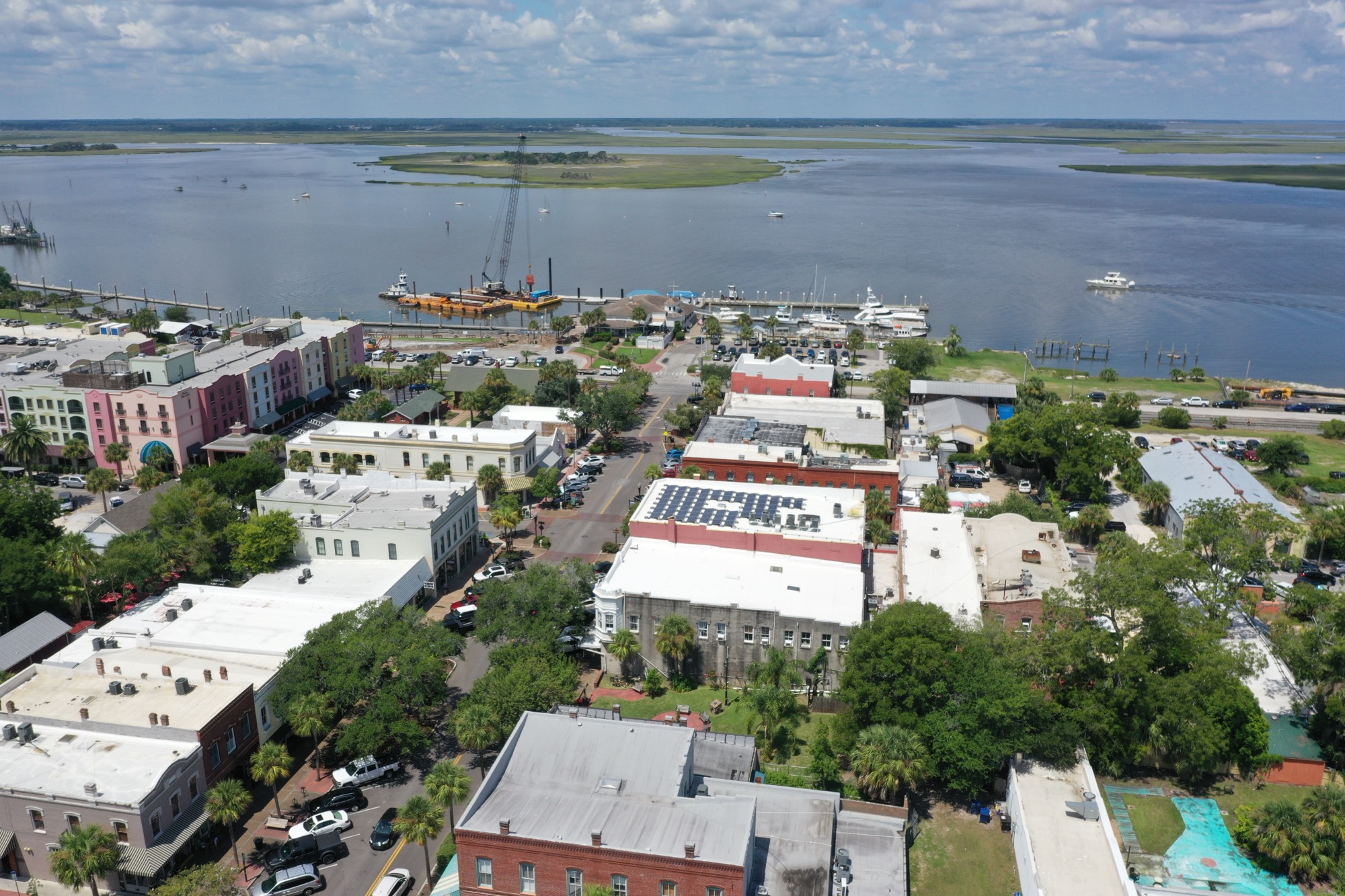
The story starts back in 1997 with a 40-year lease between the City of Fernandina Beach and the café’s operators. The property sits over the Amelia River at the city marina, where the city owns the building and substructure, and the lessees manage operations and some maintenance. Issues first surfaced in a 2011 inspection highlighting concrete deterioration, cracks, and corrosion, with repair duties split between the city and lessees.
Tensions escalated in July 2021 when the City Engineer declared the substructure unsafe, citing a report warning of “active collapse” and risks during storms. The city demanded repairs or evacuation within 60 days, with plans for condemnation and marina upgrades. The café owners pushed back with their own report, claiming no imminent danger. They lost an appeal to the city’s Board of Adjustment but won in circuit court in August 2022, blocking the evacuation.
Buyout talks failed, and by August 2023, the owners threatened litigation. After stalled negotiations, the owners filed a complaint in Nassau County Circuit Court in December 2024, seeking arbitration under the lease and claiming damages. The city’s former attorney noted high costs and partial responsibility for repairs.
By May 2025, an initial agreement emerged, finalized in July at $380,000. The city commission is set to vote soon, drawing from contingency and other funds.
Past Discussions on Dredging and Silt Issues
A lesser-discussed but significant aspect of the conflict involves the environmental and maintenance challenges posed by the café’s substructure, particularly its concrete pilings and beams. Over the years, city officials and marina stakeholders have highlighted how the building’s footprint over the water has obstructed natural tidal flows, leading to substantial silt buildup in the southern end of the marina. This silting problem has necessitated periodic dredging to maintain navigable depths for boats, increasing costs and complicating operations.
As early as 2021, reports tied to the marina’s overall management noted the silting issue, with the structure under Brett’s acting as a barrier that traps sediment and reduces water circulation. By 2025, during redevelopment planning, the city explicitly linked the substructure’s design—including its concrete double-tee elements and supporting pilings—to “massive buildup of silt,” arguing that removal would improve tidal flows and reduce future dredging needs. These concerns factored into the city’s push for demolition, as part of broader marina upgrades like seawall repairs and enhanced facilities, where ongoing silt accumulation could undermine long-term viability and add to taxpayer expenses. While not a central claim in the lawsuit, the silt and dredging discussions underscored the city’s view that the aging structure was not just a safety liability but also an environmental hindrance.
Why Did the Settlement Happen?
Prolonged arbitration posed risks: costs could exceed the settlement for the city, while owners risked delays as the lease ends in December 2025. Settling avoids uncertainty, allows case dismissal, and enables the city to plan demolition and redevelopment. Terms include no renewal, early termination option for owners, waiver of back rent/taxes, fixture removal, “as-is” surrender, and partial coverage for post-storm inspections.
A Closer Look at Lease Payments Over the Last 15 Years
One under-the-radar factor fueling this dispute was the lease’s payment structure, which has resulted in very low returns for the city despite the café’s success. Over the past 15 years, payments to the city have been minimal and often inconsistent, primarily because of a sublease to another company that shifted the rent calculation base to the sublease payments rather than the restaurant’s full gross revenues.
The 1997 lease bases rent on 5% of gross revenues. However, with the sublease in place, the city’s share is derived from what the sublessee pays the primary leaseholder—often little or nothing—leading to effectively zero payments in recent years, such as from mid-2023 onward. This arrangement, while permitted, has been criticized as unfair to the city, contributing to frustrations and the decision against renewal.
Analyzing the Café Owners’ Position
The owners portrayed themselves as victims of city overreach, arguing the city neglected substructure maintenance, breaching the lease and causing issues noted in reports. The 2021 declaration allegedly created publicity that hurt business, staffing, and revenue, compounded by parking changes.
They viewed the condemnation push as overreach, backed by their report contradicting the city’s claims. Lease-mandated arbitration gave them leverage, especially with the city’s admitted faults. Settling at $380,000 was a solid outcome, securing funds without risks. Weaknesses? They shared some maintenance duties, and delays could expose them to collapse liability.
Overall, their defensive stance was rooted in contract rights and evidence of mutual responsibility.
Analyzing the City’s Position
The city positioned itself as a guardian of public safety and taxpayer dollars, denying liability while prioritizing risk reduction. The substructure’s corrosion and cracks made it hazardous, per reports, justifying the 2021 order and demolition plans. Officials emphasized shared liability in a failure.
While admitting some repair lapses, the city argued lessees handled other duties and that the structure’s end-of-life warranted non-renewal. The dispute linked to broader marina goals, like seawall work and public input on replacements. Internal commissioner splits delayed earlier deals.
Strengths included strong safety evidence and post-2025 control. Settling capped costs below potential arbitration hits. Weaknesses? Maintenance shortfalls weakened their case, and the lost court battle showed overreach, amid public gripes about city over-involvement.
Their proactive safety focus met legal hurdles, making the settlement a smart fiscal move.
Final Thoughts: A Win-Win or Just Damage Control?
This settlement closes a chapter on a contentious lease, allowing Fernandina Beach to rethink its waterfront future while compensating the café owners for disruptions. It underscores how old agreements, structural woes, and environmental factors like silt buildup can spark big fights in small towns. As demolition looms, keep an eye on what rises next—public input could shape a new era for the marina. What do you think should replace Brett’s? Share in the comments!