



Asking the hard questions every cycle is the job. Spending is how we pass the mess to the next commission.
 Voters didn’t reject a parking app. They rejected a habit.
Fernandina Beach has spent years asking what else we can build, add, staff, and finance. We have a habit of spending. By “we”, I mean commissions. It’s rare to find a commission focused on examining every expense, service and asset to see if they’re still justified or the best solution. It’s far more common for commissions to look around for revenue and say “Yes” to spending. The harder question almost never makes the agenda: does this thing still earn its keep? Every action and every expense should have to justify its existence for as long as it lasts—not only on the night it is created. A new hall, a third nine, a soccer complex on airport land, a marina department, a higher purchasing limit, and a late-career promotion all have a lifetime cost. Most of those costs show up after the ribbon is cut.
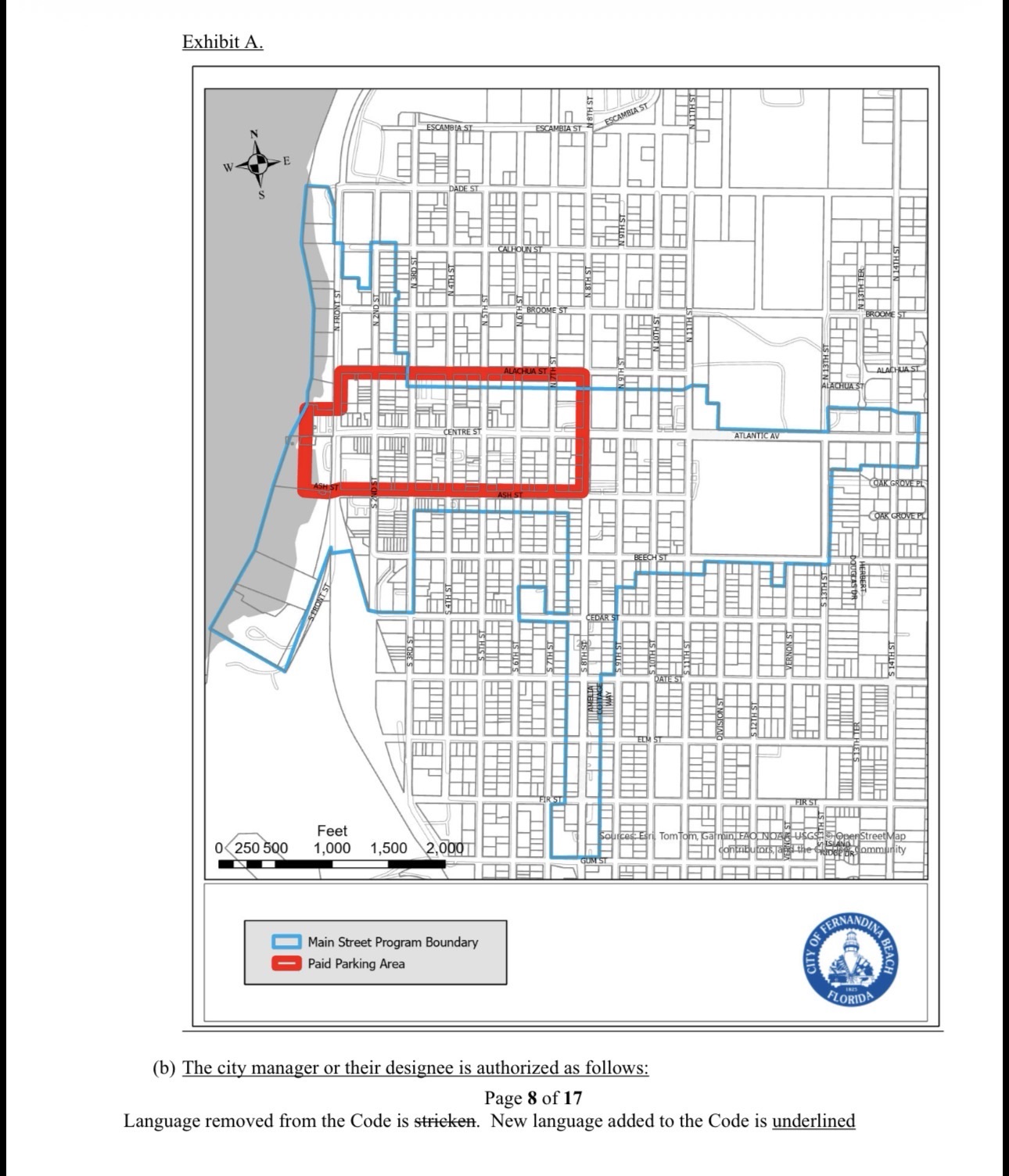
I have been walking through the budget, the capital list, and the enterprises with that test in mind. The five-year plan is about $168 million. Roughly $47 million is queued for the coming year. Staff are right that the document is a planning tool. Commissions treat the total like a score. After residents killed paid parking, the fallback was not a shorter list. It was a millage more than nine percent above the rollback rate to replace about $1.5 million that meters were supposed to send to the waterfront. When one scheme dies and the first instinct is the homestead, the problem is not parking. Parking was the one piece residents could vote on.
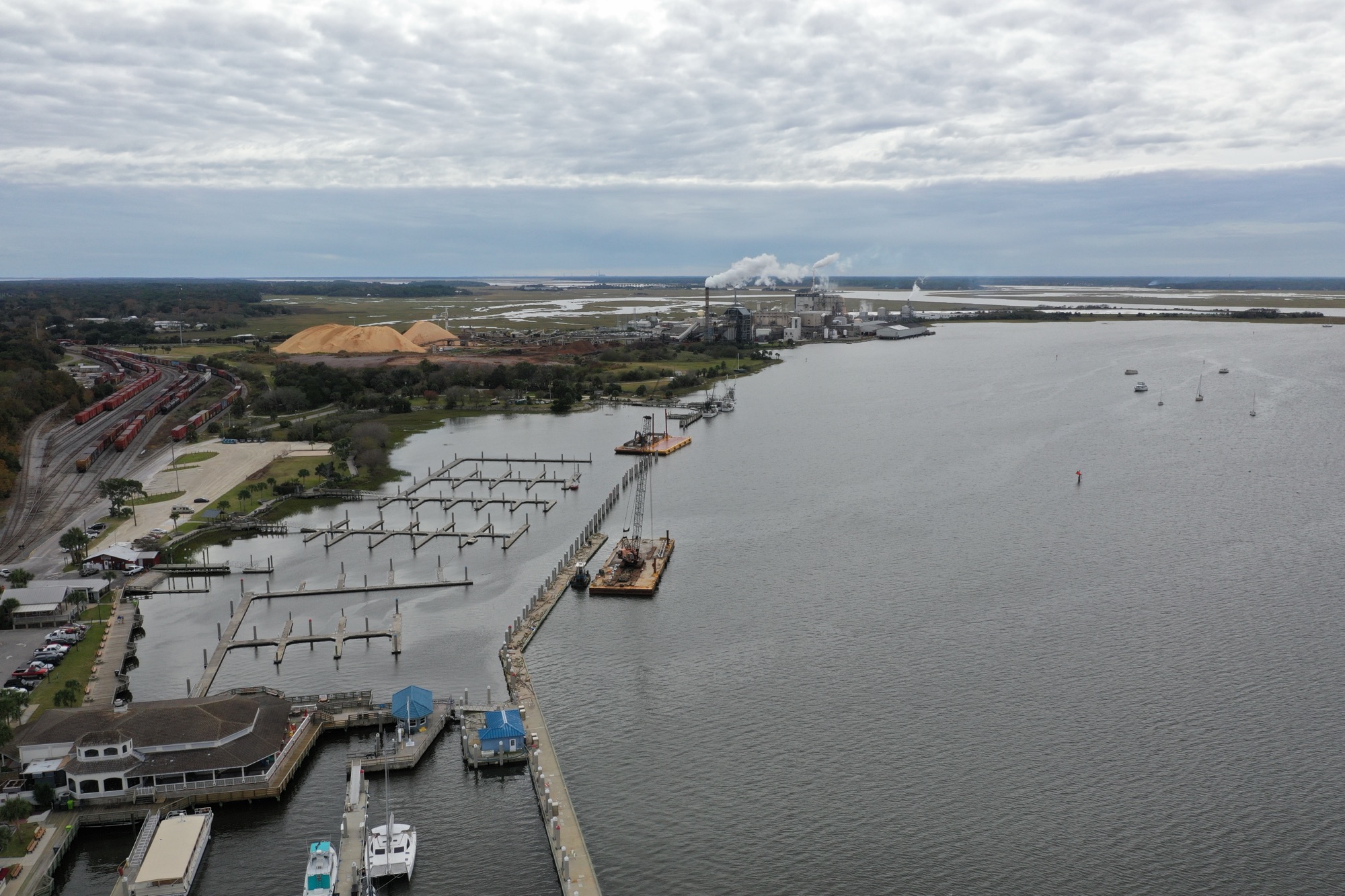
The last several years were not a surprise. Fire Station 2 came in around $5 million, with a bank loan on the general fund. Brett’s demolition became a $12.53 million marina rebuild, the largest construction project in city history. The city paid $2.1 million for warehouse parcels across from City Hall as a future option. A new City Hall still sat in the plan at $14.3 million (laughably below a reality-based AI estimate of $20 to $30 million if this proceeds). Manager purchase authority climbed from $20,000 to $25,000 and then to $50,000. Transfers followed. Change orders can now run to the lesser of ten percent of a contract or $250,000 if the money is already budgeted.
That is how a simple majority becomes a long-term problem. Spending and borrowing pass on ordinary 3–2 or 4–1 nights. Debt service, enterprise shortfalls, new departments, and higher payroll do not sunset when the dais changes. A later commission that wants a freeze needs a supermajority to stop what the last majority started. The next board then spends its term managing yesterday’s decisions instead of asking whether those decisions still make sense. That is not leadership. It is postponing responsibility and calling the
ribbon-cutting a legacy.
I am not arguing against public safety, drainage, streets, seawall segments, or the wastewater work the state will require by 2032. Those protect the town we already have. I am arguing against treating more government as the same thing as a better town.
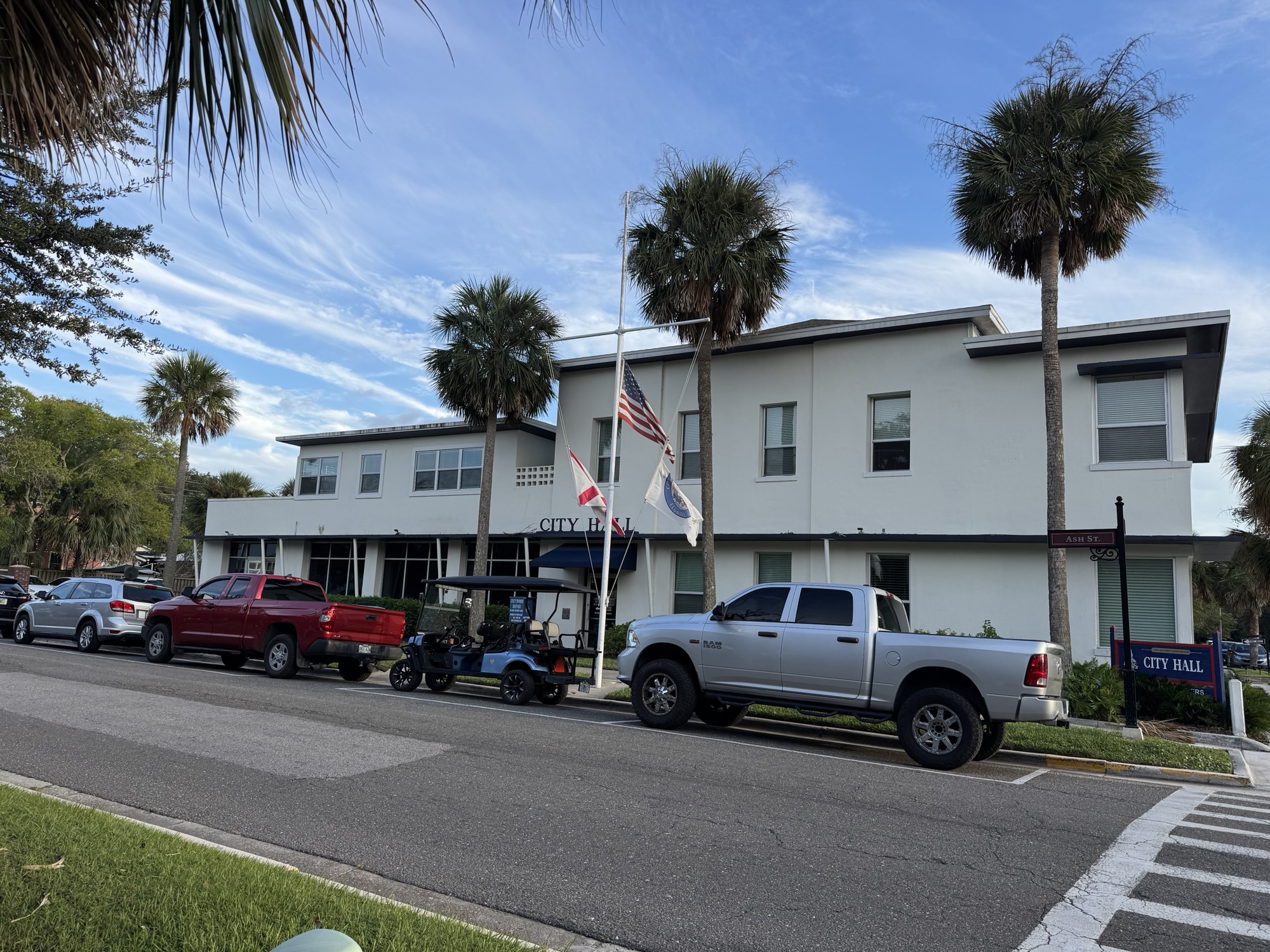
City Hall is a space problem, not a monument problem. The 1904 building is small and worn. Lease the overflow. 8 Flags on South 14th Street has been advertising large vacant blocks—on the order of 36,000, 25,000, and 9,700 square feet. A build-to-suit leaseback beats a general-obligation palace. Keep the historic hall as the civic face of downtown. The police already have a station on Lime Street. Fire Station 2 is new. We do not need a third civic address.
Soccer at Ybor Alvarez serves a countywide youth program on
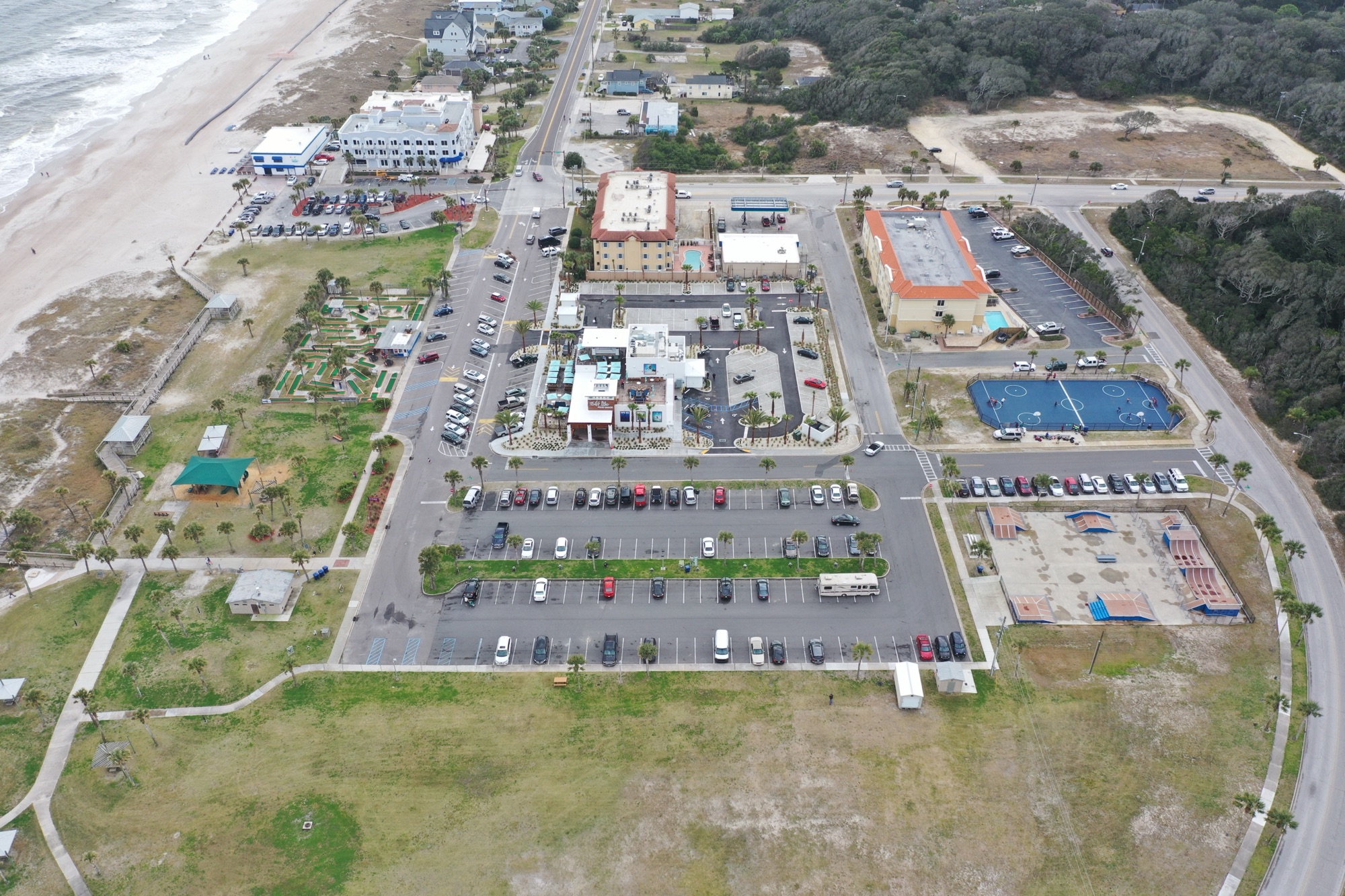
FAA-obligated airport land. Appraisals moved toward $3.5 million. Rebuild talk has run toward $6.6 million. A fair-market lease near $380,000 a year has been discussed. If Nassau County will not put real appropriated money in the account, city taxpayers should not buy land from their own airport fund. Use the parks we have. Leave the Atlantic Recreation Center standing and maintain it. Replacement already ranked near the bottom of the commission’s own scoring.
The municipal golf course opened in 1956 as the island course and an inexpensive resident amenity. Amelia now markets on the order of 99 holes. Omni runs Oak Marsh, Long Point, and Little Sandy. The Golf Club of Amelia Island sits at the Ritz. Amelia River Club and North Hampton are a short drive. Ours is still the only true municipal layout in Nassau County. That does not make 27 holes a public necessity. Resident rates are $65 for 18 with a cart. Unlimited memberships are $4,000. Dynamic pricing can reach $125. The general fund has still been asked for transfers—about $250,000 in a recent budget—after a year that projected a shortfall near $429,000. The golf capital plan asks for more than $7 million, including $2.7 million for irrigation. Keep an 18-hole municipal course if residents still want a public round. Study the North nine, the shortest of the three, for mixed use. Wetlands, floodplain, infrastructure, and a likely referendum will cut the headline land value. Even a conservative residual, plus future millage and impact fees, would fund soccer off airport land and an aquatic facility people actually request. Fairways that become lots do not come back. A subsidized third nine competing with Pete Dye is not a public trust.
Staffing followed the same curve. A 2023–24 budget counted 234 full-time employees. A later year was sold as lean because vacant slots sat empty. The proposed 2026–27 budget adds six full-time employees and a new marina department on top of a marina project already awarded. Attrition back to the 2023 full-time count is not austerity. Fill public-safety vacancies when minimum staffing is actually broken.
Pensions turn courtesy into millage. A late promotion, a new title, acting pay made permanent, and overtime loaded into the averaging window all raise the salary paid for life. After 2011, Florida limited pensionable overtime on later service to 300 hours a year. Local police and fire plans still run on average pay. DROP freezes a benefit while the paycheck continues. Promotions and scheduled overtime whose main effect is to lift the final average of anyone near retirement should require a public actuarial note.
Most of the city’s 224 parcels are parks, lift stations, and greenways. Selling operational land to fund monuments is a bad trade. Using assembled downtown dirt for parking and modest offices, and using the North nine if voters agree, is the inventory that matters. Full consolidation with Nassau County is a charter fight the county is not offering to win for us while it plans a civic campus in Yulee. Public safety is the overlap that costs the most for the same call. Island-specific police and fire divisions under shared command, with every current employee retained, would cut duplicate administration without abandoning local patrol.
I want a commission that asks, every budget cycle, why this expense still exists. Finish the marina contract and the seawall phases tied to state money. Do the mandated utility work. Keep streets and stormwater that keep water out of houses. Kill the new City Hall. Do not buy airport land for soccer. Do not replace Atlantic Rec. Freeze new capital, new positions, and headcount-growing promotions unless four commissioners vote yes. Put purchase authority back near the old $25,000 cap. Count accumulated vendor spend. Put staffing on a path back to 2023 full-time levels. Study the North nine before another millage.
Governments grow without questioning because creating something is public and memorable, and reviewing it later is quiet and thankless. The ribbon is a photo. The transfer, the change order, and the pension factor are footnotes. Memorable projects feel like leadership. Asking whether last year’s idea still deserves this year’s money feels like opposition. It isn’t. Spending is the easy part. The job is to interrogate the asset, the hire, and the habit for their whole life—not to hand the next commission a larger government and a smaller set of choices.
If every program, building, enterprise, and hire had to re-justify itself the way a household justifies a car payment, what would we keep—and what would we finally admit we cannot afford? I’m tossing ideas at the wall here. We elect people to represent us on the commission. They should be providing the best service and amenities in the most cost effective way. In other words, government should provide value and reflect your wishes.
This post was prepared with AI assistance for research, fact-checking, and initial drafting.