


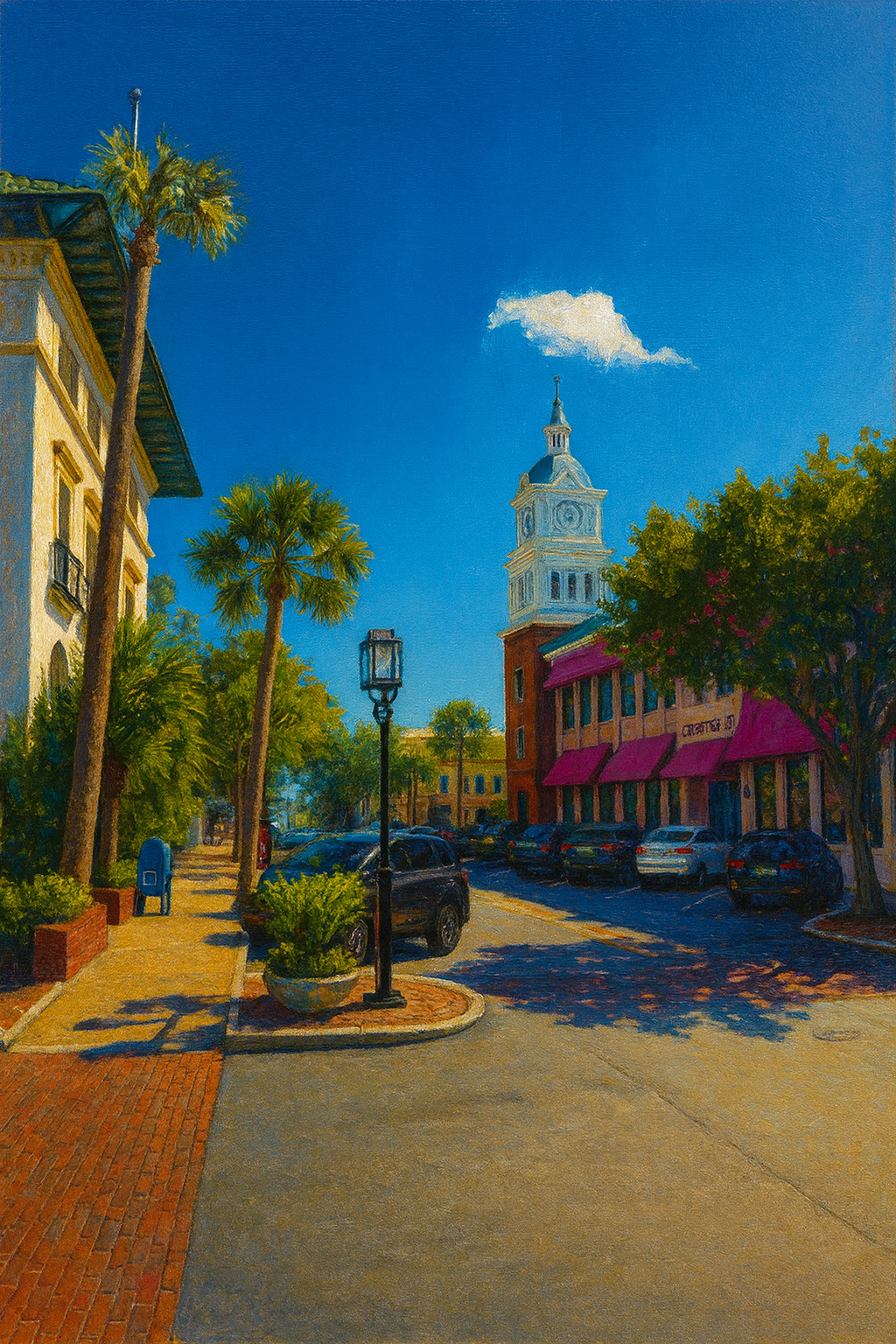
Consolidated Ownership and the Future of Florida’s Historic Downtowns
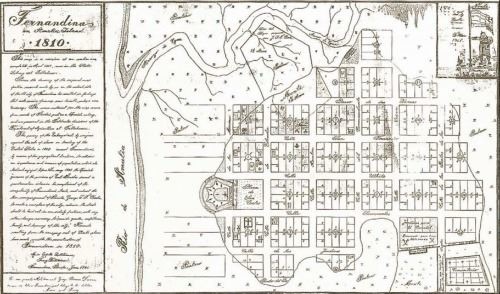
I’ve spent most of my life on Amelia Island and have watched how our historic downtowns and those like them across Florida actually develop. For decades, the character of these places came from many small decisions made by local property owners, independent business people, and residents who lived with the results every day. That incremental process created the mix of uses, the practical services, and the authentic feel that still draws both locals and visitors.

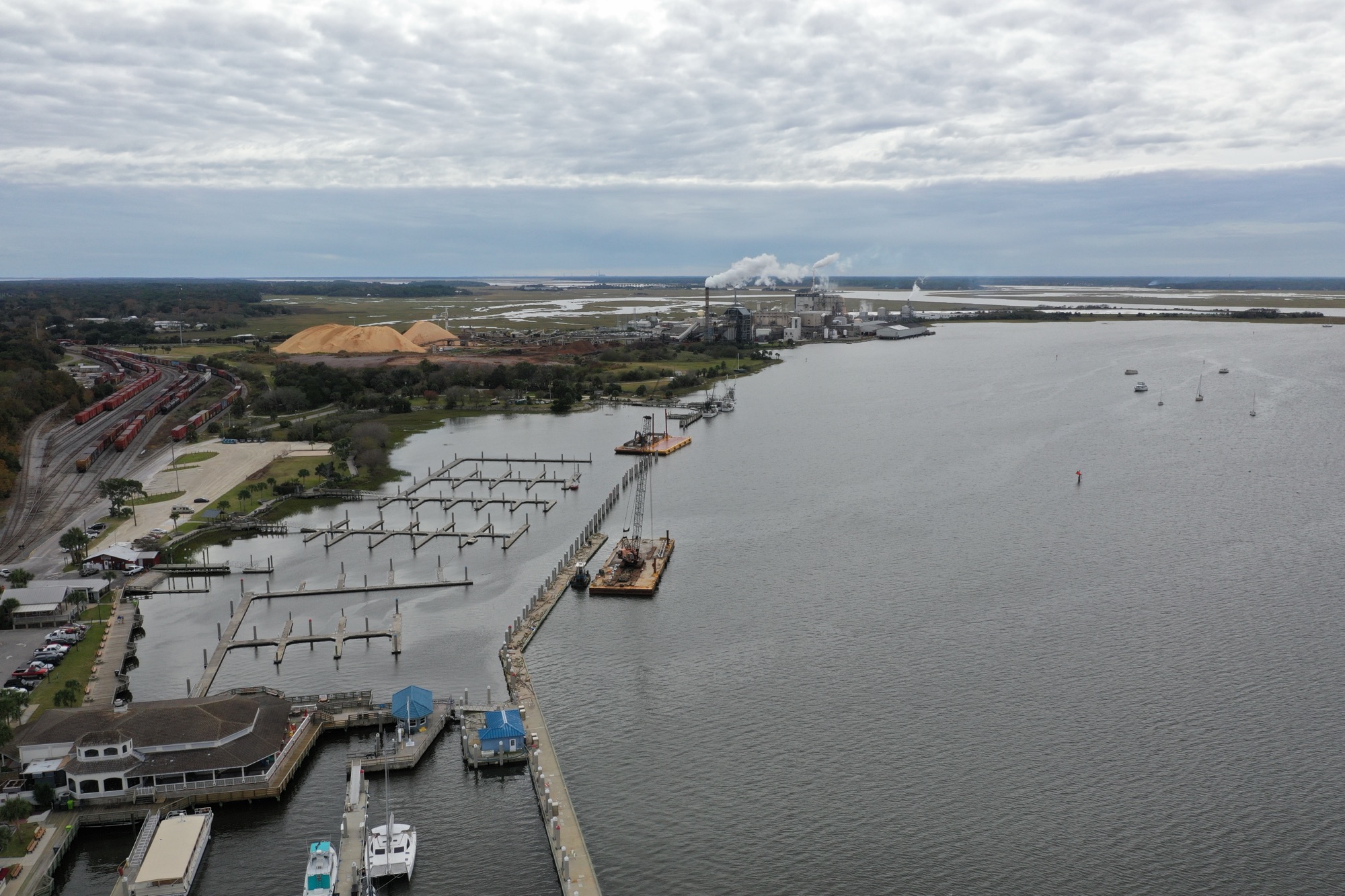
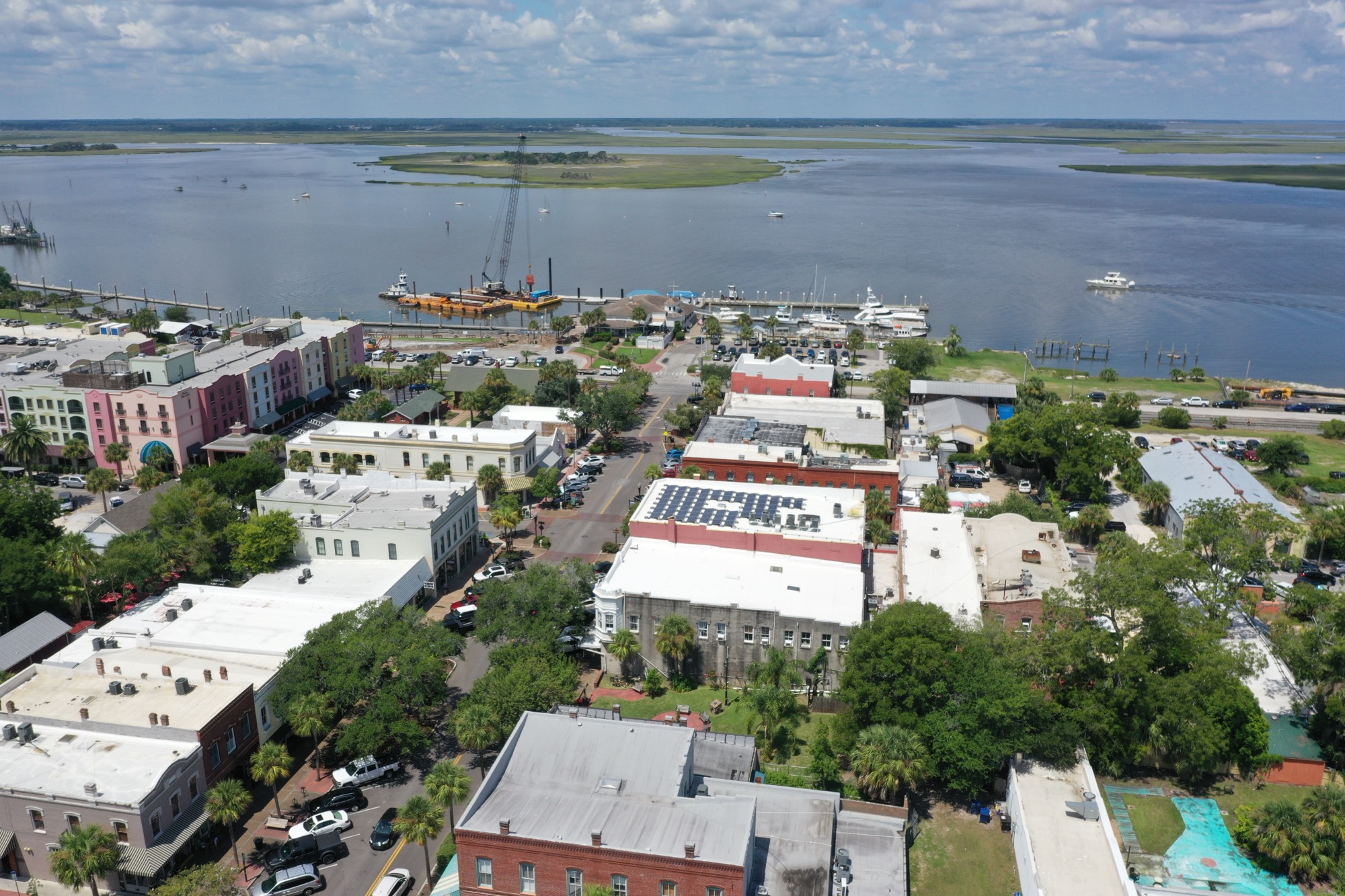
Lately I’ve noticed a clearer pattern in several successful historic cores. Individual owners or related groups are acquiring multiple commercial properties in the same concentrated area. In Winter Garden, one investor group bought several buildings along the main Plant Street corridor in a short period. Longtime independent shops soon faced non-renewed leases. In downtown Miami, a single out-of-state buyer picked up five historic properties at once. Here in Fernandina Beach and in other tourism-oriented districts, we see specific owners advancing larger waterfront or infill projects that require assembly of parcels and coordinated approvals.
This consolidation reduces the natural friction that once came with fragmented ownership. It makes larger redevelopment moves easier and faster. At the same time, it shifts decision-making away from the slower, tenant-by-tenant evolution that previously shaped these districts. What once grew organically through local entrepreneurship can now be guided more deliberately by portfolio-level thinking.
The effects become more pronounced when that economic concentration extends into the political and regulatory arena. Owners with multiple holdings have obvious reasons to pay attention to planning boards, historic district commissions, redevelopment agencies, and city or county commissions. When aligned candidates or sympathetic voices gain seats and form a working majority, the ability to shape zoning, incentives, board appointments, and code interpretations increases significantly. The result is a more coherent and accelerated path for the vision favored by the consolidated owners.
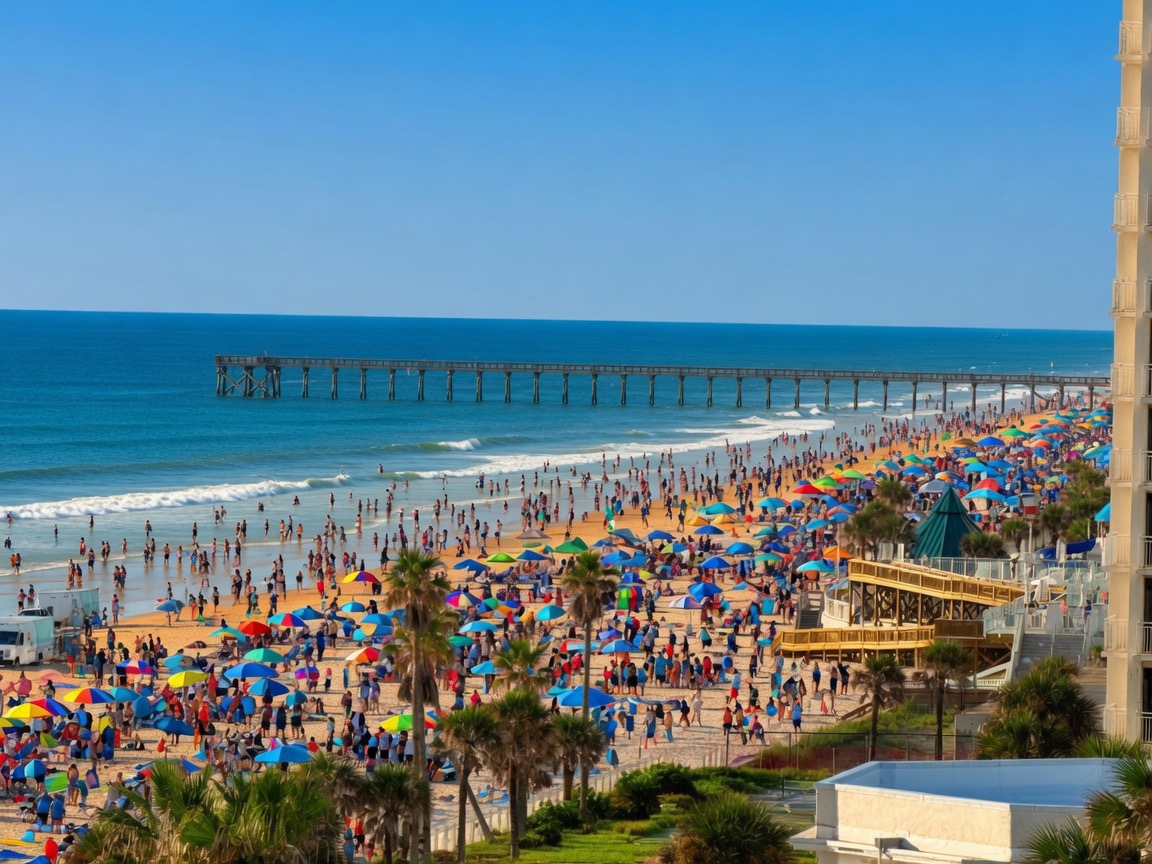
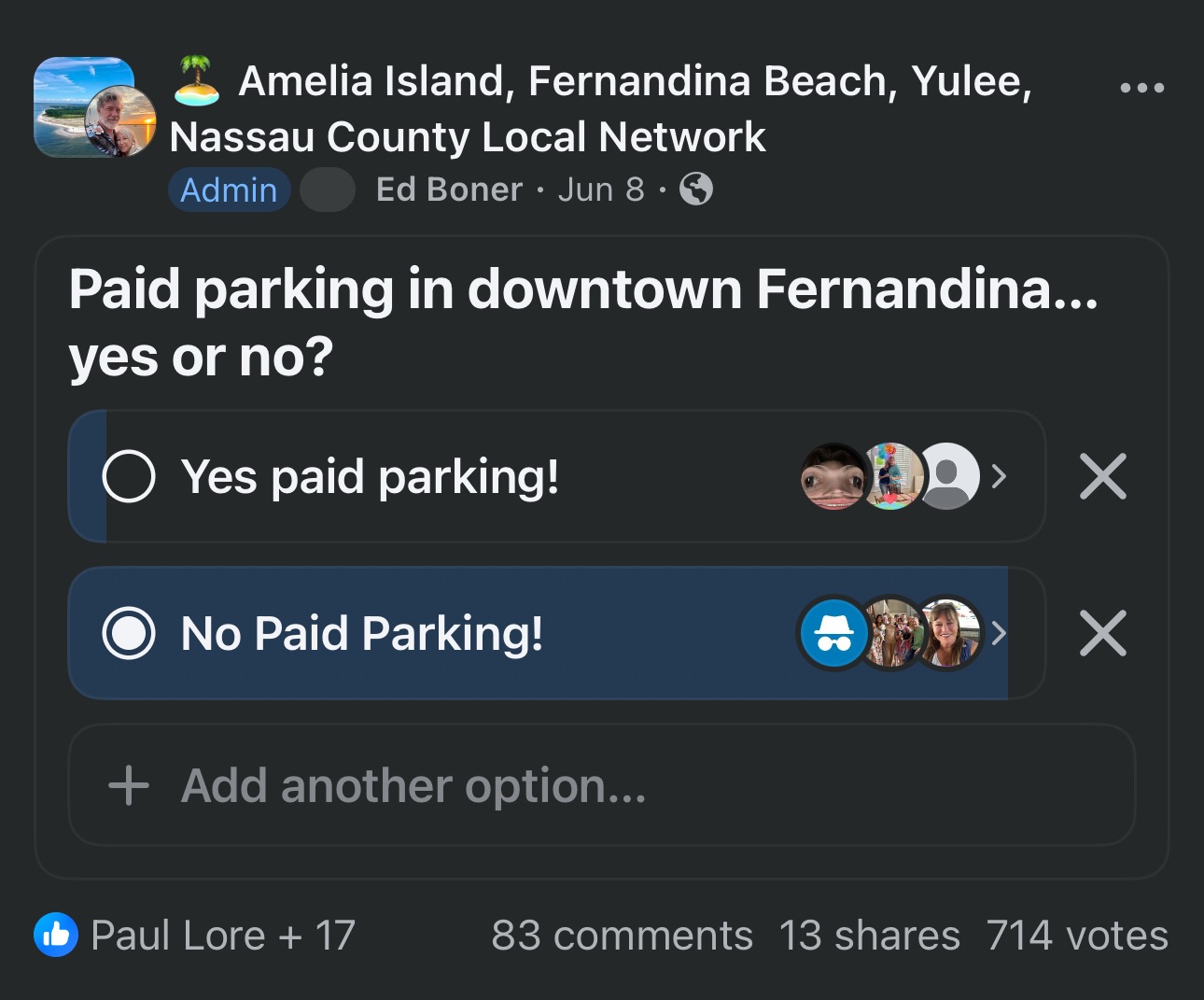
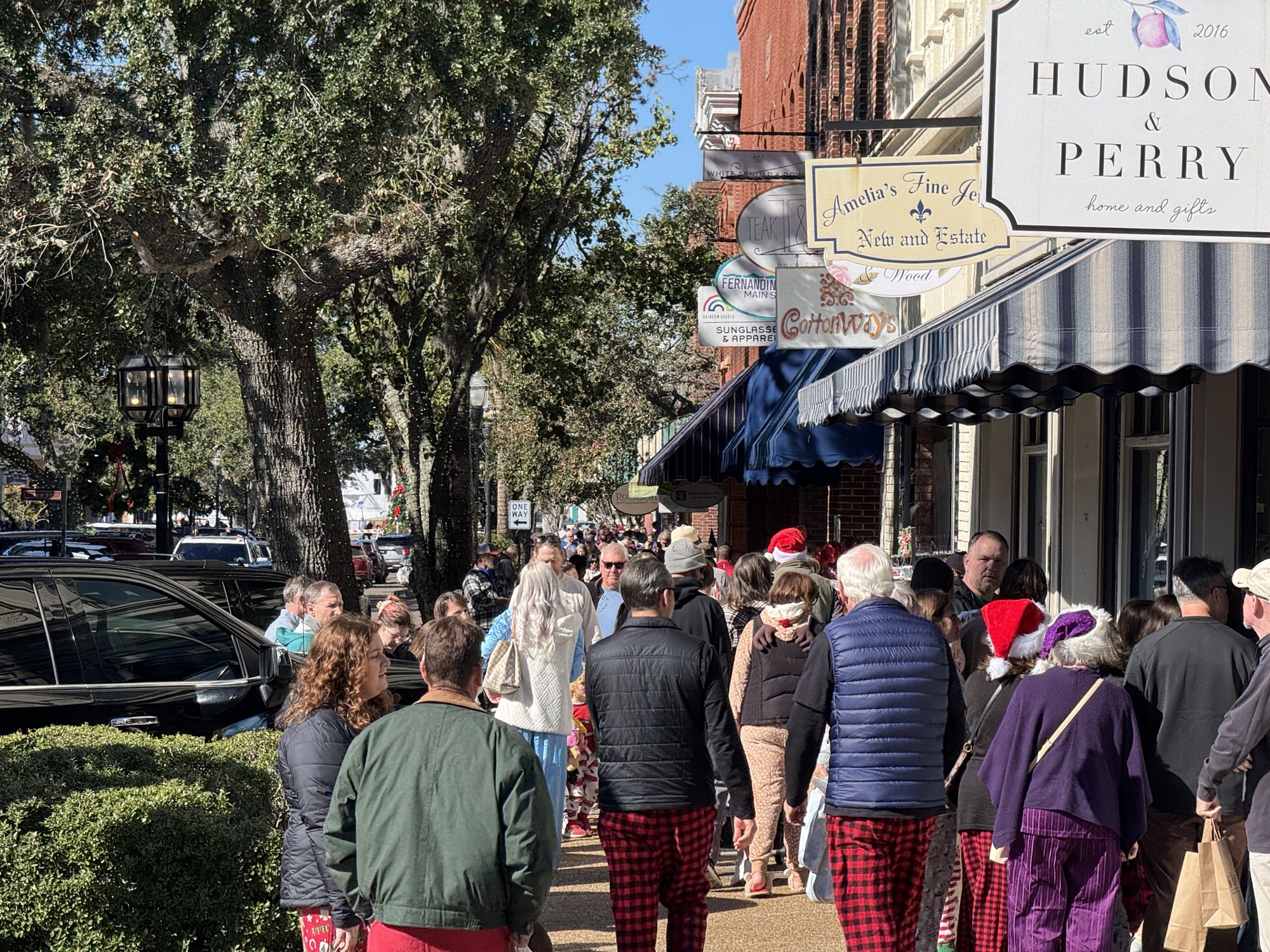
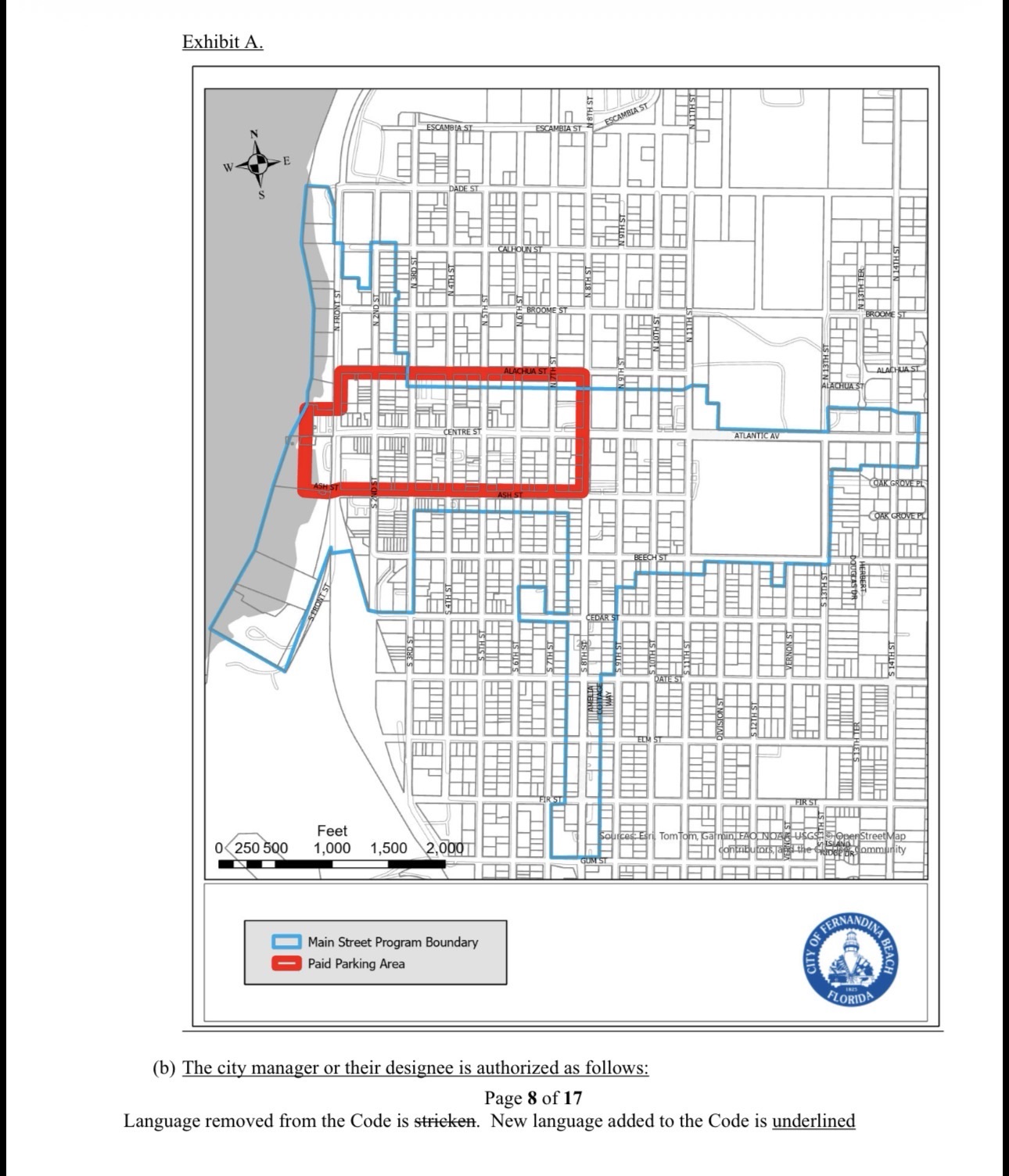
I’m not opposed to investment or well-planned redevelopment. Our downtowns need capital to stay viable. What concerns me is the cumulative effect on the organic qualities that made these places distinctive in the first place. When change accelerates through concentrated ownership and aligned influence, the pattern of use often shifts. Everyday services that served residents can be priced out or relocated. The mix tilts more heavily toward visitor-oriented concepts. Parking that once felt like a basic amenity starts functioning more like an access fee. Over time the core can feel more packaged for tourism and less like a complete neighborhood center that locals use routinely.
This doesn’t happen overnight, and it isn’t happening everywhere at the same intensity. But the direction is visible in enough places that it’s worth examining directly. The question isn’t whether investment should occur. It’s whether the mechanisms that now concentrate both economic power and political influence are producing the balanced, resilient downtowns our communities actually want over the long term.
I believe the strongest historic downtowns have always balanced outside capital with the slower, locally rooted processes that preserve diversity of use and genuine character. Keeping that balance requires clear eyes on how property consolidation, advisory board participation, and electoral outcomes interact in these small but important cores.
This post was prepared with AI assistance for research, fact-checking, and initial drafting.