



The Father of Fernandina: Yulee’s Railroad Vision and the Self-Interest That Shaped It
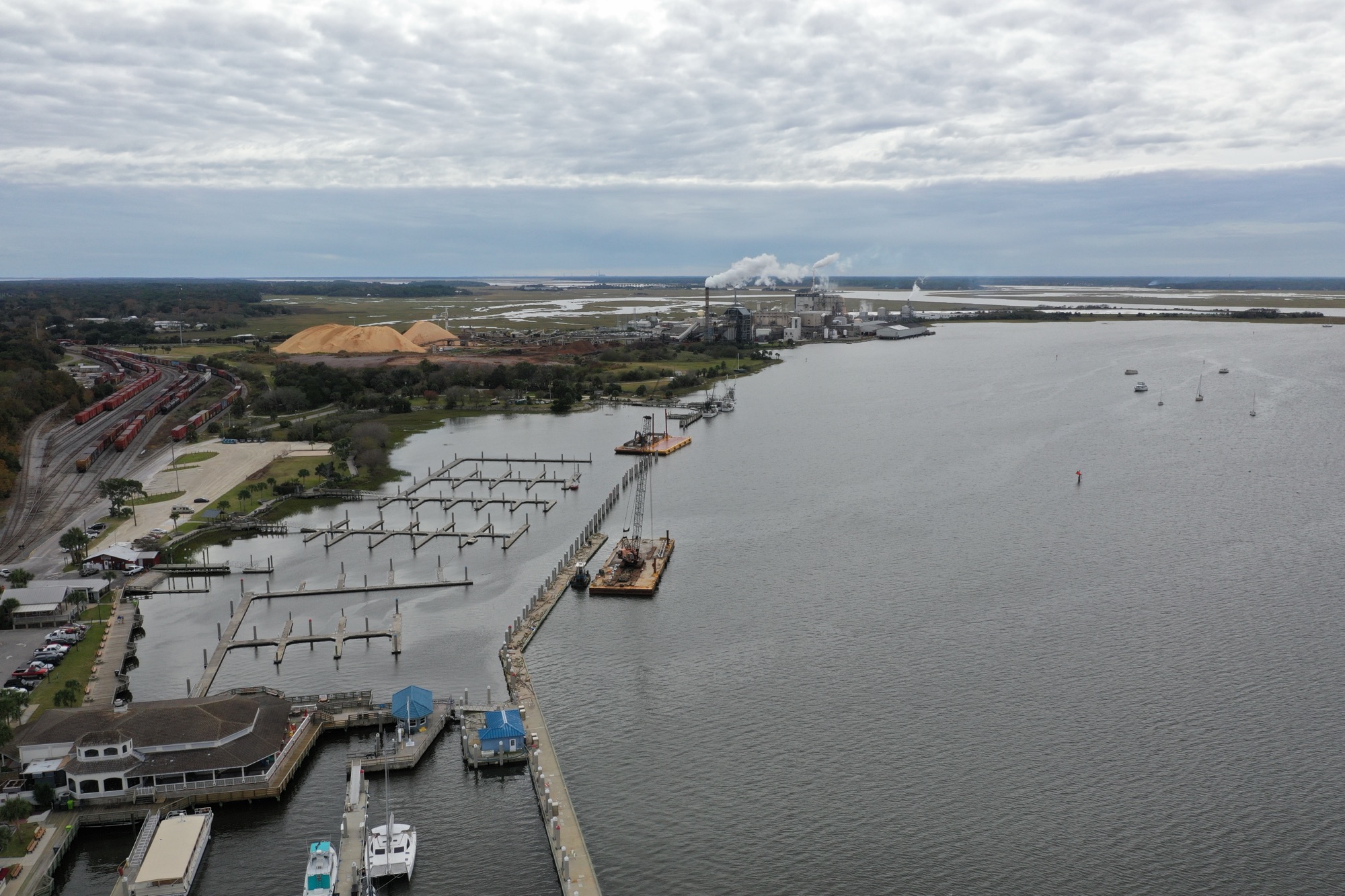
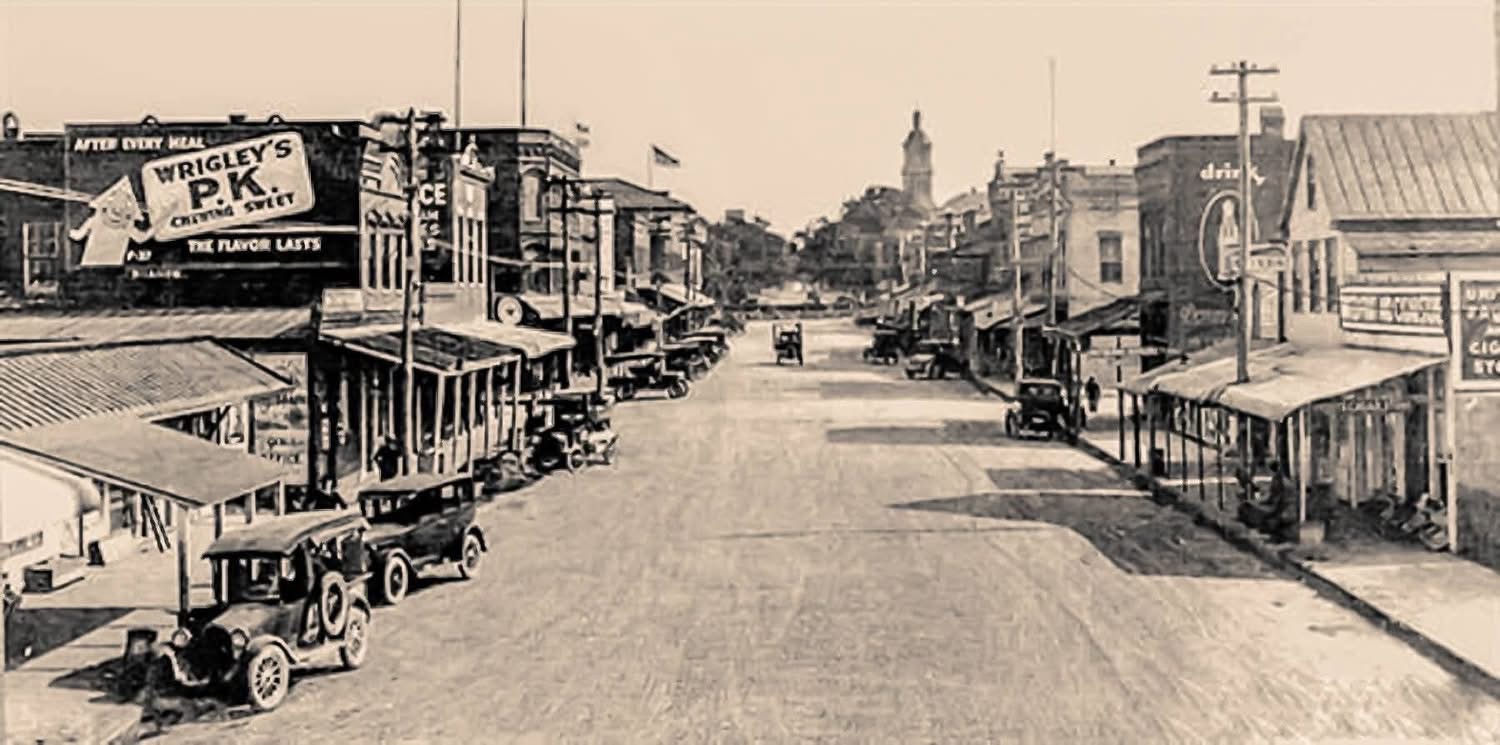
David Levy Yulee is widely recognized as the man who brought the railroad to Fernandina and helped lay the foundation for the community we know today. He is often called the Father of Fernandina, and with good reason: the Florida Railroad he led ran from our Atlantic port across the state to Cedar Key on the Gulf, improving trade and opening new opportunities for growth. Yet his story is more layered than the statue on Centre Street might suggest. It combines genuine vision for development with clear self-interest, a defense of slavery, and personal financial benefit.

Yulee chartered the Florida Railroad Company in 1853 and advanced the project through federal and state land grants that provided the company with extensive acreage as a foundation for credit and construction. Construction began in Fernandina and reached Cedar Key by 1861. The railroad was designed to move cotton, timber, sugar, and other goods from interior plantations—including his own—to deep-water ports for export. Improved transportation increased land values along the route, encouraged settlement, and strengthened markets, advantages that directly benefited promoters like Yulee who held stock and land interests. The project relied in significant part on enslaved labor, linking it to the plantation economy of the period.
At the same time he held office as a U.S. Senator, Yulee championed internal improvements and land policies that helped secure the federal and state land grants used to fund and build the railroad. Those grants, which ran into hundreds of thousands of acres, formed the basis of credit for construction and increased the value of lands he and his associates controlled. His plantations also stood to gain from better access to markets. While serving in the Senate, he advocated for the very policies that delivered these benefits to the company he led and the lands in which he held interests. This alignment of public office and private gain was common in the railroad-building era, when politicians frequently promoted infrastructure projects in which they held financial stakes. By today’s standards, however, such direct benefits from grants secured while holding elected office would likely be viewed as a serious conflict of interest and an improper use of public position for personal enrichment.

That economic self-interest shows up clearly in his public record. During the heated 1850 Senate debates over the Compromise Bill, Yulee argued forcefully for protecting slave property in the new
territories. Here’s one direct passage with context from his July 23, 1850 speech:
> “I submit, if the argument, and conclusion, of this paragraph, does not comprehend, in its spirit, the duty of the Government to deal with slaveholders and slave property as with all other citizens and all other property, and of course to extend the same requisite protection. Certainly it does not exclude the idea of protection.”
He was pushing back against ideas of “non-intervention,” insisting the federal government had an active duty to safeguard slave property the same as any other kind. A few paragraphs later he added this on the nature of slavery itself:
> “Slavery is a condition attaching to the person, not the soil; it is a personal relation. Slave property is a right in the master to the personal service of the slave. If a slave, owned in Virginia, is carried into a Territory, slavery is not ‘extended’ any more than the removal of a slave from one county to another in the same State, would ‘extend’ it.”
These arguments were not abstract. They aligned with the economic system his railroad was built to serve—one in which slave-based agriculture and improved transportation reinforced each other.
By January 1861, following Florida’s secession, Yulee resigned from the Senate and gave a farewell address. In it he defended the necessity of secession, pointing to the failure of earlier compromises to secure equal rights for slaveholding states and describing Northern actions as a “perverted and hostile employment” of federal authority that endangered Southern peace and institutions. He framed Florida’s withdrawal as a sovereign state reclaiming its powers once the union no longer protected its core interests, including the economic and social order built around slavery.
Yulee combined a clear vision for Florida’s infrastructure with the practical realities of his time. The railroad that reached Fernandina helped shape the town’s role as a port, yet it operated within an economic framework built on slavery and structured to reward its promoters. Recognizing both the public contributions and the personal interests involved provides a more complete understanding of his legacy and the debates that continue around it today.
This post was prepared with AI assistance for research, fact-checking, and initial drafting.