



Amelia Island’s Gridlock: Why Consolidation Deserves Serious Consideration
Today, looking back and forward to the growth and traffic coming to Nassau County, I wonder if two overlapping governments with different priorities are the best way to coordinate a response. Bear with me as I briefly look at traffic, paid parking dysfunction, youth sports and vastly different priorities driving decisions with a sometimes missing shared motivation.
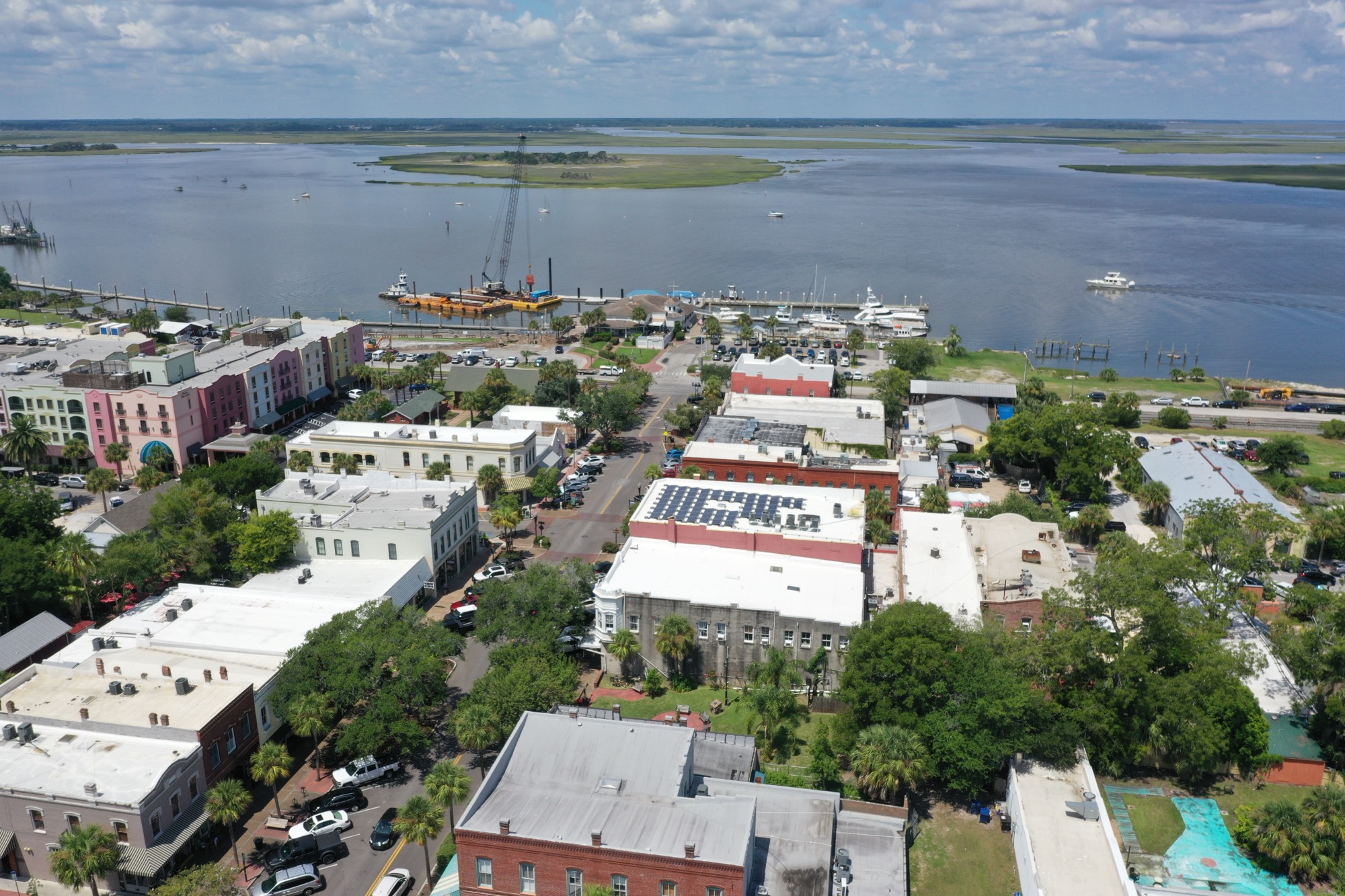
Amelia Island’s celebrated charm—historic downtown, pristine beaches, and relaxed pace—has lately given way to mounting frustration. Since late March 2026, Nassau County’s closure of the Amelia Island Parkway and Buccaneer Trail for utility work ahead of a new roundabout has turned routine drives into ordeals. Ten-minute trips now stretch to 30 minutes or more. Fletcher Avenue clogs with detours. Residential streets have become cut-through racetracks, forcing residents to step into traffic to direct cars themselves.

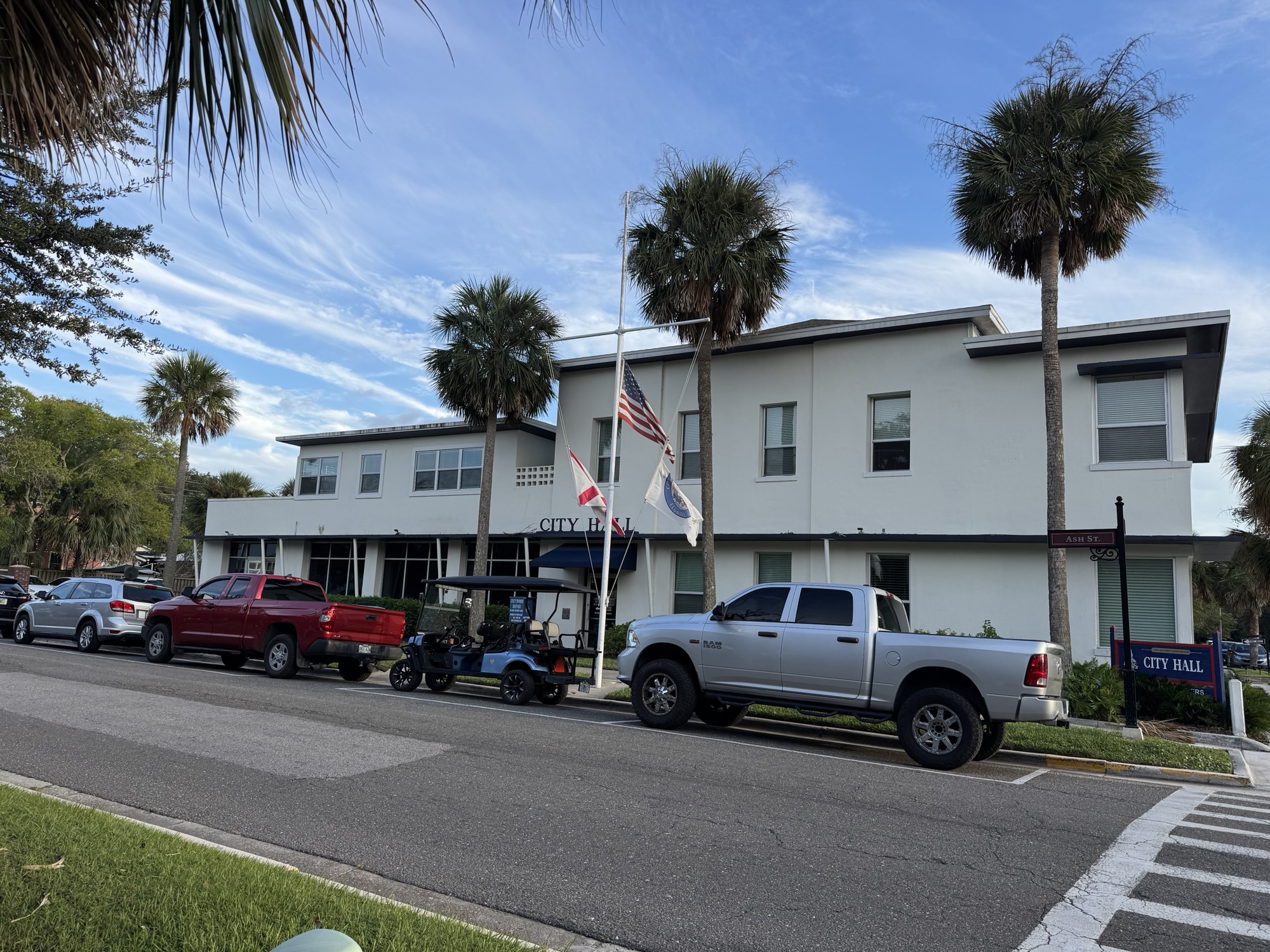
This is more than a construction headache. It exemplifies the coordination failures that arise when one compact island is governed by two overlapping jurisdictions. Nassau County directs major infrastructure projects like this eighth roundabout, while the City of Fernandina Beach manages the affected local streets, enforcement, and daily quality-of-life fallout. The result is reactive fixes, inadequate advance planning, and residents caught in the middle.
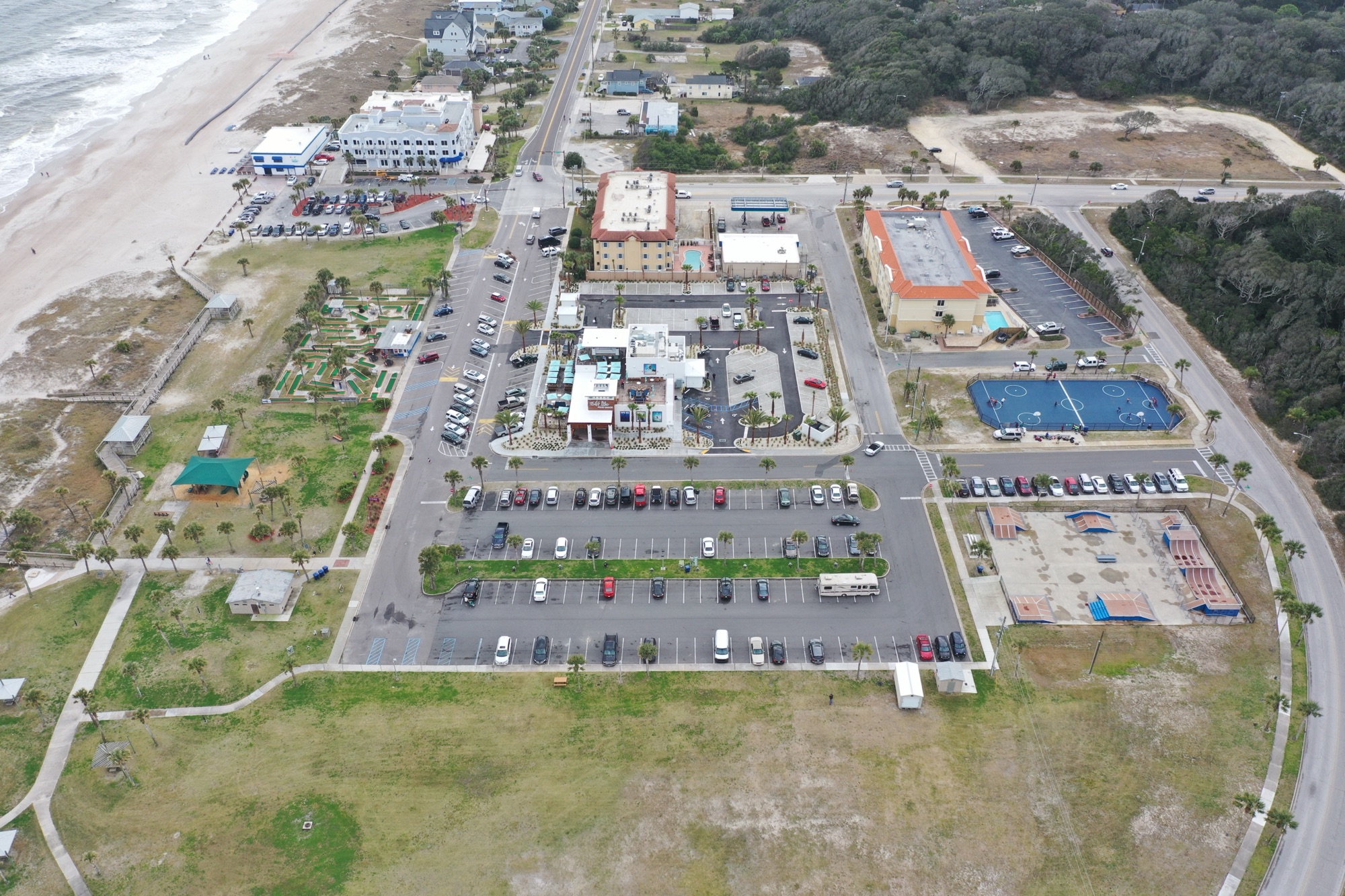
Similar fragmentation appears across other local issues. The City of Fernandina Beach is debating whether to replace youth soccer fields at its airport property with private aviation hangars to generate revenue, threatening programs that serve hundreds of children. Families push for preserved recreation space; the city cites FAA rules and high land values. Meanwhile, Nassau County advances its own regional park. Separate governments yield competing priorities rather than a coherent island-wide plan for limited land.
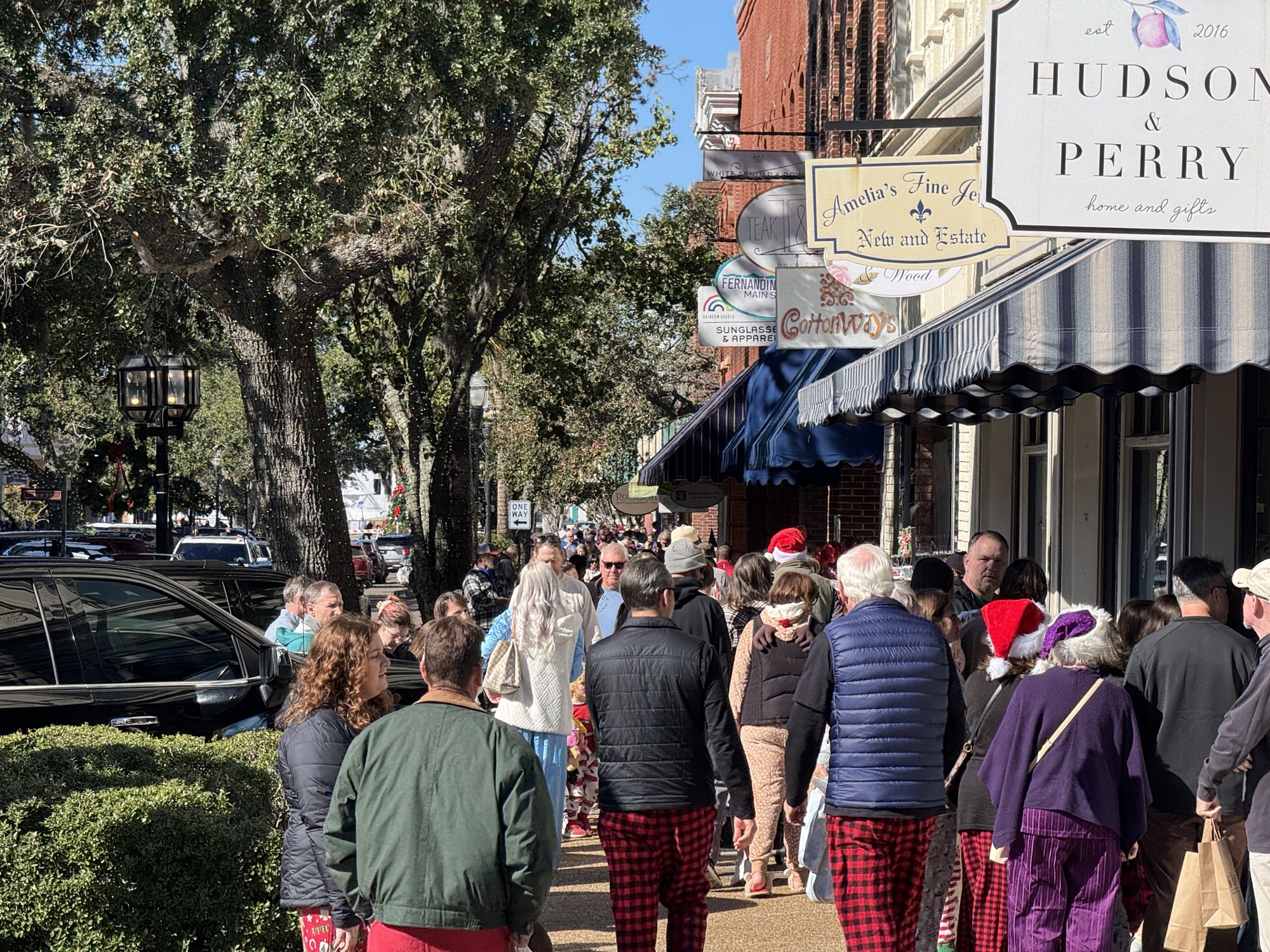
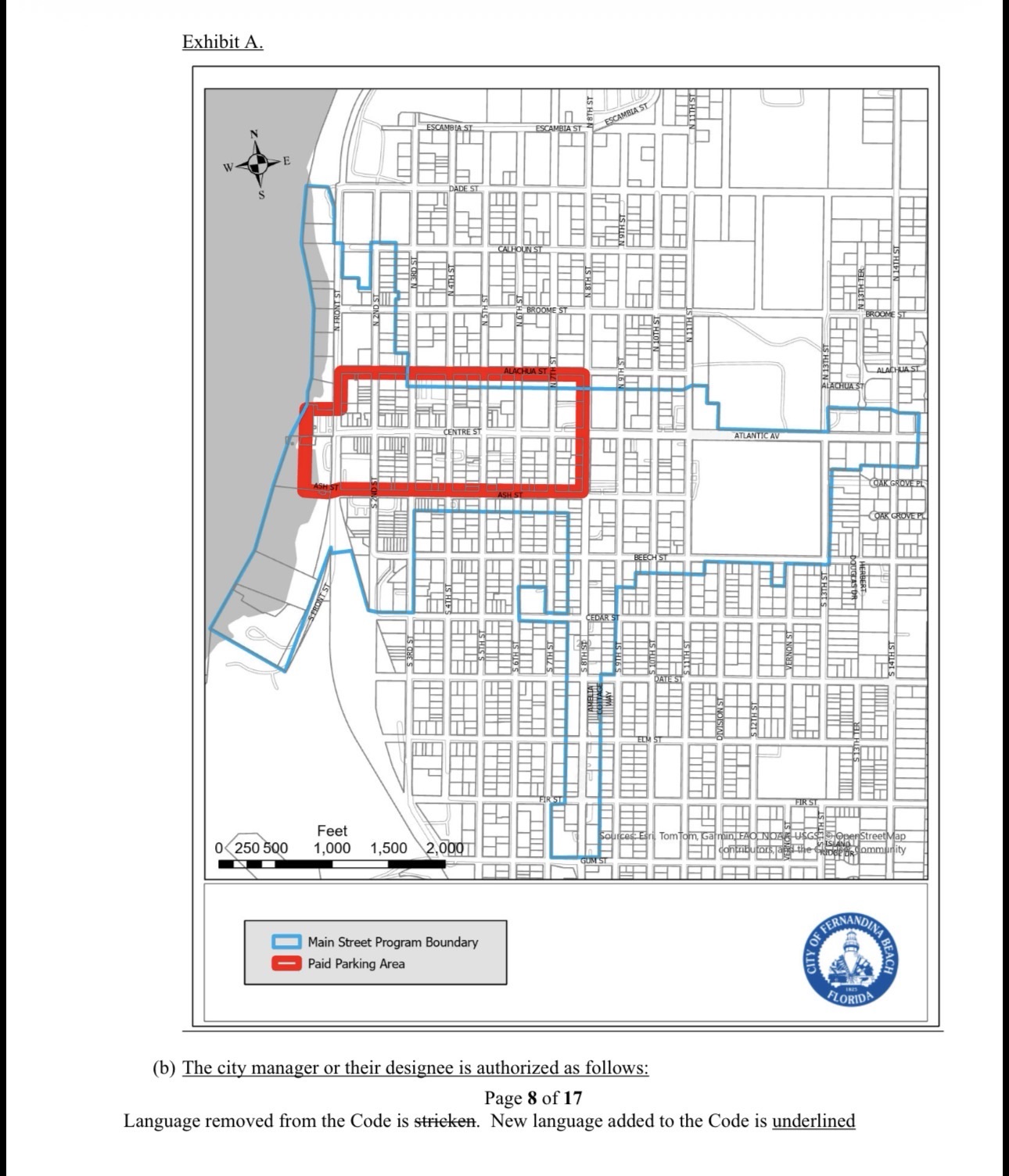
Downtown Fernandina’s paid-parking initiative, intended to fund seawalls and beach needs, has instead triggered lawsuits, merchant complaints, and enforcement disputes. Tourism Development Council funds from bed taxes—roughly $12 million annually, with a significant share generated in Fernandina—support regional marketing, yet decisions often feel siloed. A unified government could better align parking, impact fees, and visitor infrastructure with broader economic realities.
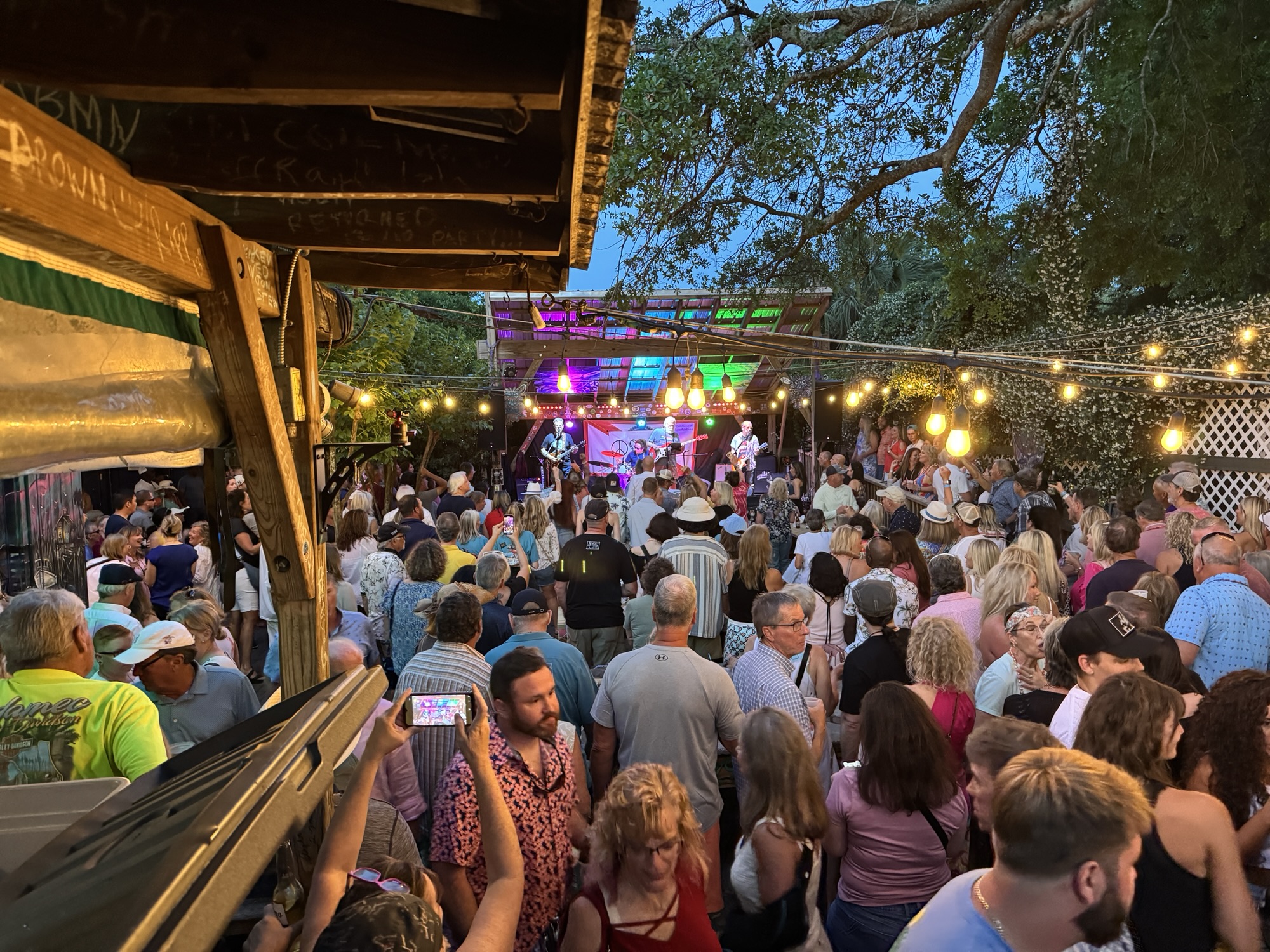
These tensions stem from fundamentally different economic drivers. Amelia Island’s economy is heavily tourism-dependent. Visitors generate hundreds of millions in annual spending, support a large share of local jobs, and sustain the island’s appeal through bed taxes and direct economic impact. The remainder of Nassau County, however, is fueled by rapid residential and commercial growth. The county has ranked among Florida’s fastest-growing, with population rising roughly 15% from 2020 to 2024 and continued expansion projected on the mainland in areas like Yulee.
When two governments share the same geography, these mismatched priorities breed dysfunction. A county road project optimized for growth can overwhelm island tourism corridors during peak season. City revenue measures ripple outward to visitors and new residents alike. Interlocal agreements exist, but they cannot fully bridge the gaps or eliminate the sense that one jurisdiction’s gain creates another’s headache.
Fernandina Beach residents bear an added burden: they effectively pay for two layers of government. City taxes fund local police, fire, parks, and planning, while county taxes support overlapping services such as major roads and administration. Nassau County’s general-fund budget has surged 96% over five years amid only about 18% population growth, prompting the state chief financial officer to flag more than $53 million in “excessive” spending. This duplication is not abstract—it raises costs for the very community that must navigate the resulting inefficiencies.
History demonstrates that consolidation can resolve such problems when pressures mount. Jacksonville merged with Duval County in 1968 amid crisis: widespread corruption, a eroding tax base, environmental failures, and duplicated services. The result streamlined governance and supported long-term growth. Nashville-Davidson County (1962), Indianapolis-Marion County (1970), and Louisville-Jefferson County (2003) each addressed sprawl, service overlap, and fragmented planning through voter-approved mergers. In each case, separate governments had struggled to deliver efficient results for shared challenges.
Consolidation is no guaranteed cure. Outcomes on costs vary, and any proposal would demand a carefully crafted charter, voter approval, and strong protections for Fernandina’s historic character and island-specific needs. Residents rightly fear diluting local voice in favor of mainland priorities.
Yet the status quo—perpetual coordination by committee—is proving inadequate for a place that is simultaneously a premier tourist destination and part of one of Florida’s fastest-growing counties. The current traffic disruptions, soccer-field debate, parking controversies, and tourism-versus-growth tensions are predictable outcomes of divided authority over one community.
Amelia Island does not require another study or agreement. It needs an honest, data-driven discussion about whether a single accountable government could plan roads, parks, revenues, and infrastructure more coherently and at lower overall cost. Jacksonville acted when crisis made the case clear. Nassau County and Fernandina Beach need not wait for equivalent scandal or collapse. The evidence is already visible on their streets, fields, and downtown.

