



Cruise Ships as Fernandina’s Financial Lifeline: How Port Insolvency Could Trade Truck Traffic for Tourist Dollars
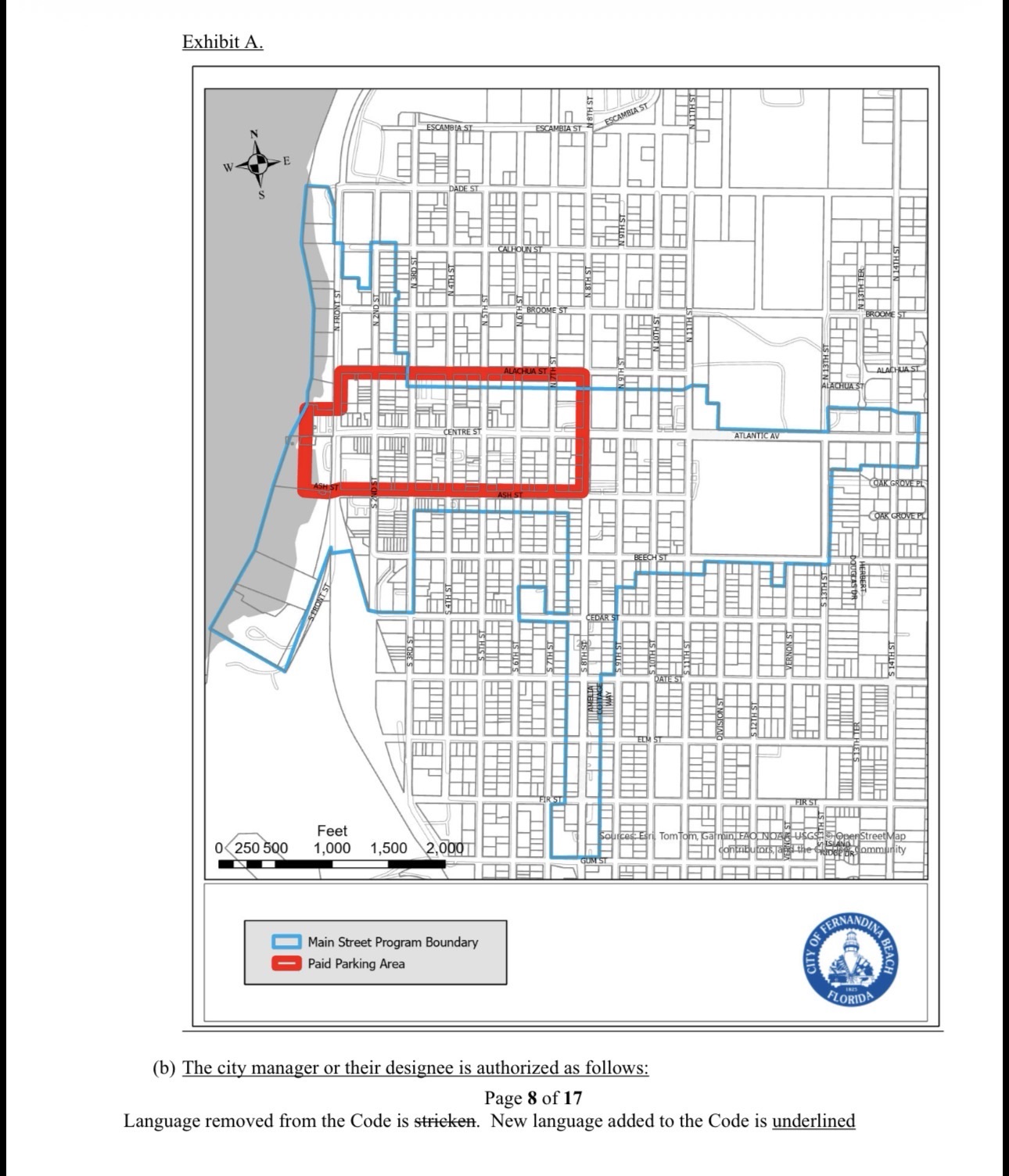
Before going further, let me be very clear…I don’t like the way we’re becoming more and more dependent on growth and tourism, but I do think financial pressure, traffic concerns and the door cracked open with smaller river cruises could lead in this direction. Remember, who thought paid parking would happen? How many other changes? I don’t think this is outside the realm of possibility and pressures combined with financial logic of the location might create change in a direction unanticipated.
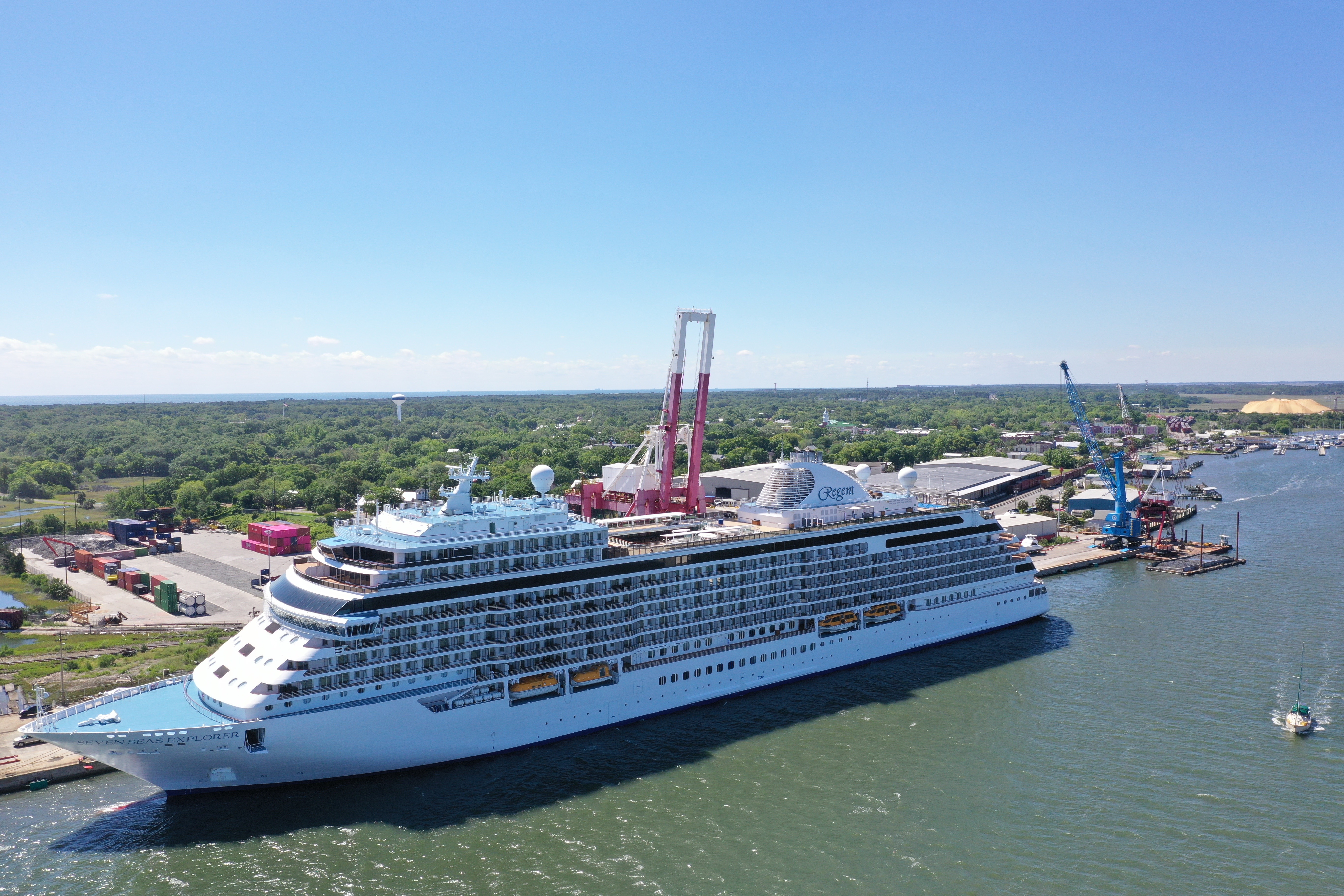
The ongoing tax dispute and operator conflict at the Port of Fernandina—highlighted in the heated March 2026 meeting—creates real pressure that could quietly open the door to more cruise activity as a port-of-call (not a homeport). This shift would require minimal new infrastructure or parking, since passengers arrive and depart by ship. While not inevitable, financial desperation often forces pragmatic trade-offs, even when preserving local character remains a priority for many residents.

Port Strengths for Cruise Port-of-Call Operations
Fernandina offers clear advantages for cruise lines seeking efficient, charming stops:
• Deep water and short ocean access — 36-foot channel depth, 400-foot width, and just ~2.2 miles (roughly 45–60 minutes) to the Atlantic. This minimizes slow, fuel-intensive river transits that larger ships dislike.
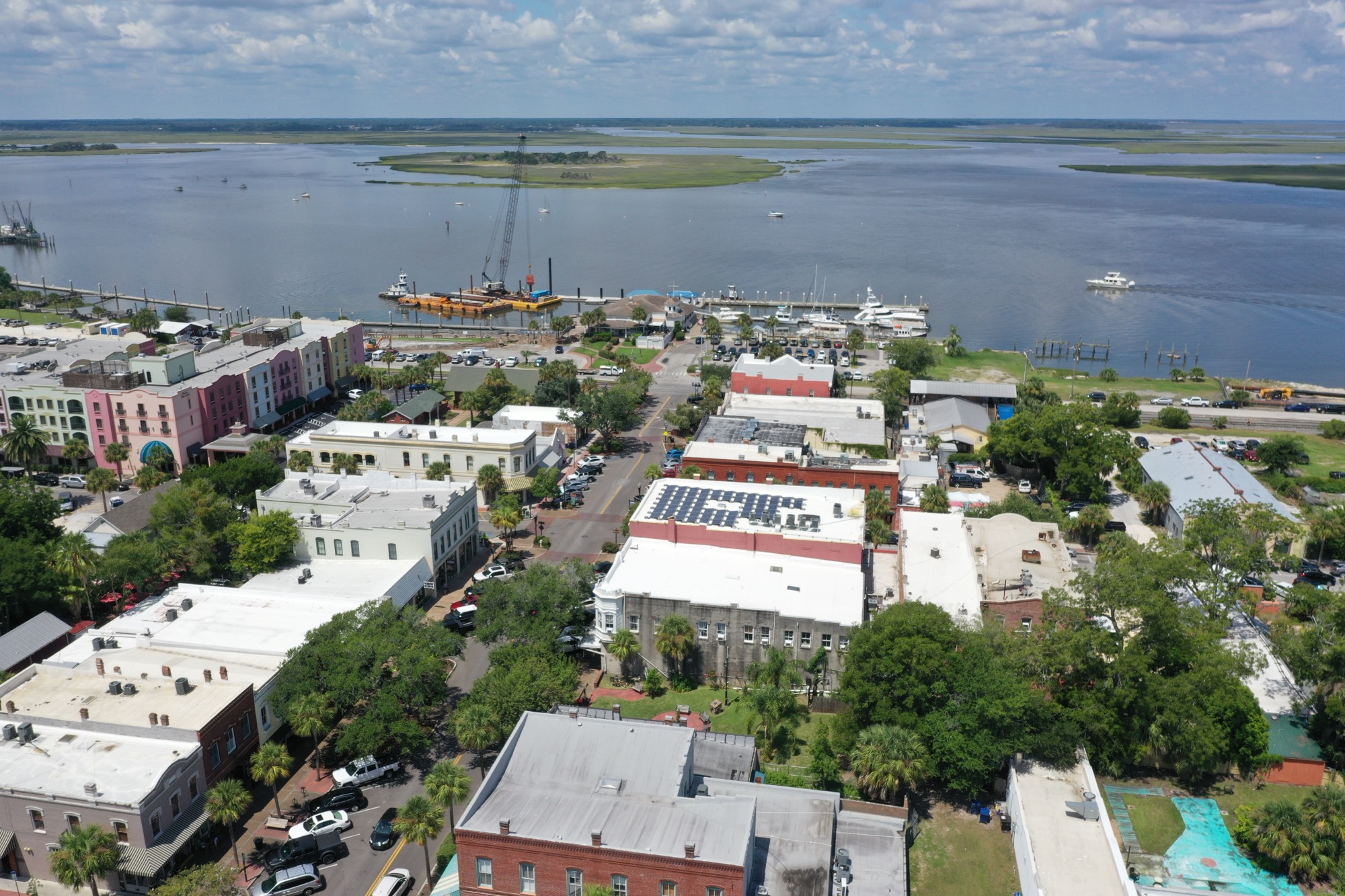
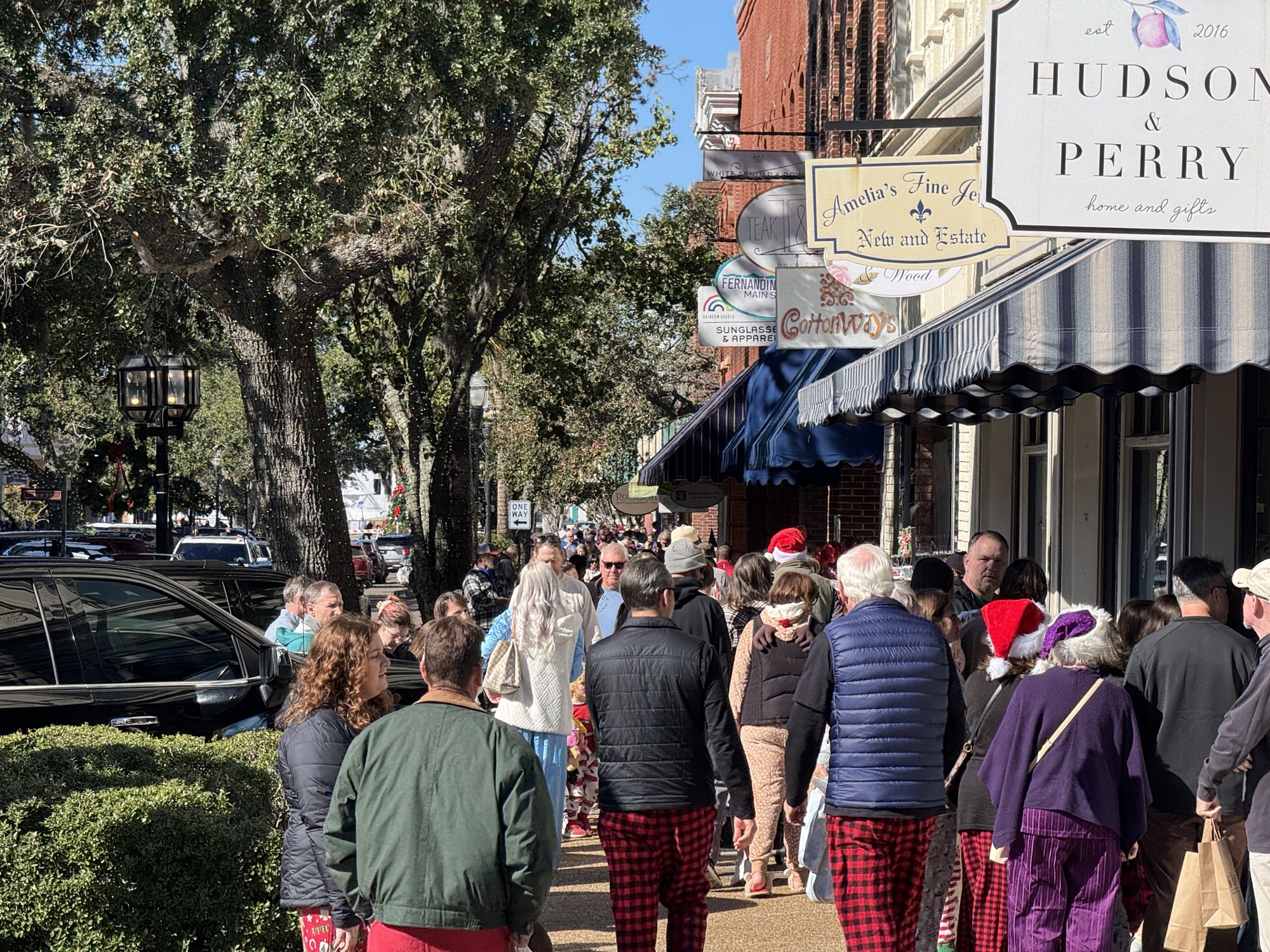
• Walkable downtown draw — Passengers step directly onto the historic Centre Street district with its shops, restaurants, Victorian architecture, and nearby beaches—ideal for a half- or full-day visit without tenders.
• Proven smaller-ship success — American Cruise Lines and occasional expedition vessels already call here regularly with 100–200 passengers, demonstrating operational feasibility and tolerable local impact.
These factors position Fernandina well for occasional or scheduled stops on coastal or East Coast itineraries.
How Insolvency Pressure Could Drive a Cruise Pivot
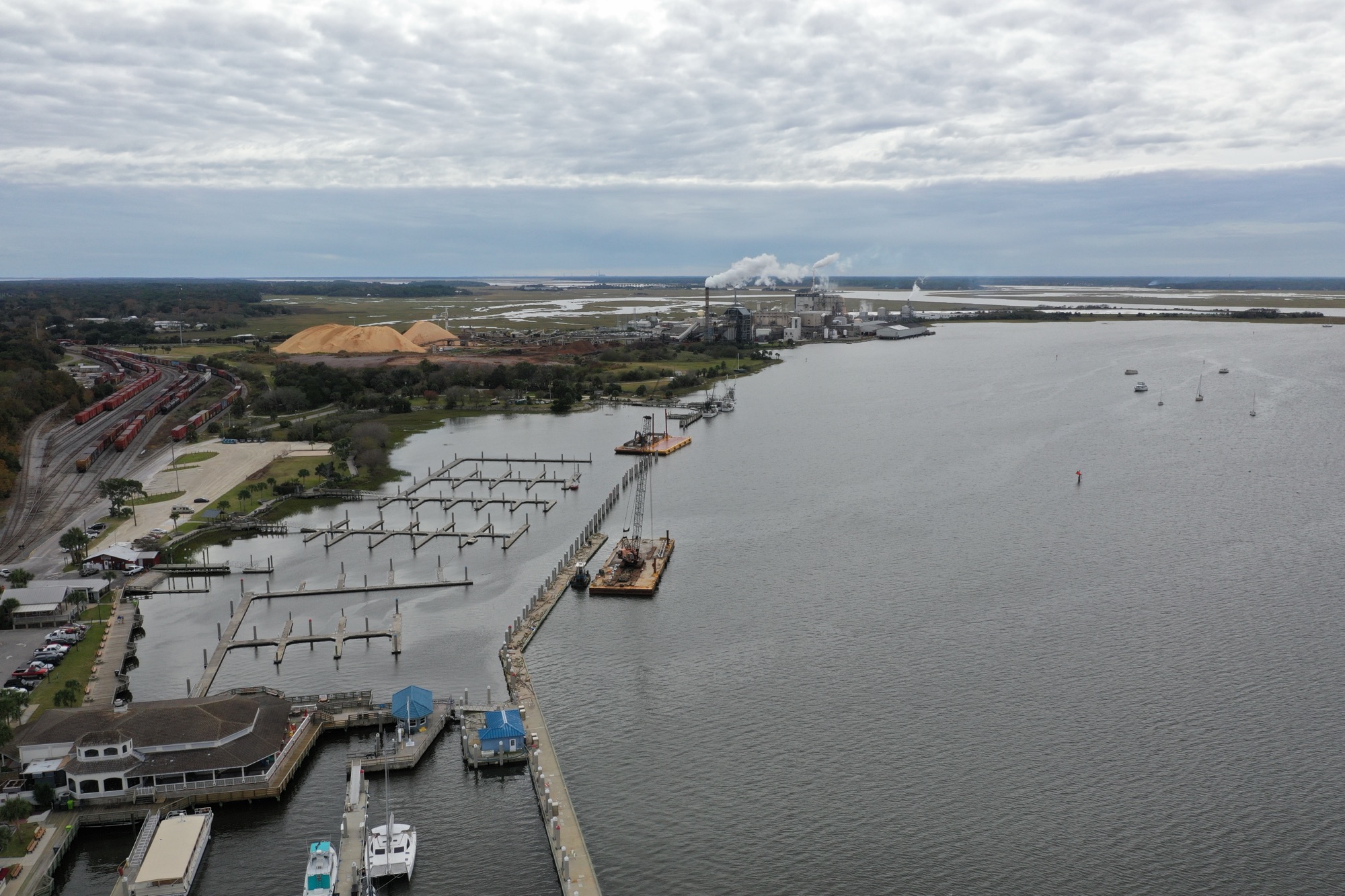
The core issue remains the court rulings that the publicly owned port loses its tax-exempt status when a private for-profit operator (currently Relay/Nassau Terminals) handles day-to-day operations. This exposes the port to roughly $2.4 million+ in back taxes (from ~2022 onward) plus ongoing annual assessments around $600,000—potentially millions total that would come directly from port revenues and risk bankruptcy, as the comptroller has warned.
In response:
• Commissioners continue pushing for a renegotiated operating agreement with more oversight, revenue sharing, and controls (now on the fifth draft).
• If the current operator resists (linking it to the tax appeal resolution), the board has signaled willingness to issue a new Request for Proposals (RFP) for a different terminal operator.
• A new operator—especially one experienced in diversified ports—could prioritize passenger revenue to stabilize finances. Cruise dockage fees and head taxes provide high-margin income with little additional capital expense compared to expanding cargo infrastructure.
This process could unfold in phases starting in 2026–2027: first stabilizing the agreement or switching operators, then marketing the port more aggressively for passenger calls as a revenue diversification strategy. The 2023 master plan removal of cruise references could be revisited quietly for “limited port-of-call” activity without a full reversal.
Trading Truck Traffic for Cruise Support: A Potential Shift in Local Sentiment
Port-related truck traffic has long been a pain point. Logging, mulch, and cargo trucks frequently travel key corridors like SR 200/A1A (8th Street), contributing to congestion, road wear, air quality concerns, and backups—issues noted in city plans and resident complaints for years. While one older study pegged the port’s direct share at around 4% of city truck traffic, cumulative impacts from port operations, combined with growth in Nassau County, add real strain on local roadways that the city and county must maintain without full port tax contributions.
Cruise port-of-call activity (especially with 2,000–3,000-passenger medium-premium ships like certain Celebrity or Princess vessels) could appeal as a partial offset:
• Fewer heavy cargo trucks if passenger ops grow while some breakbulk or container volumes shift elsewhere (or get supplemented by barge/rail under Marine Highway initiatives).
• Cleaner, more predictable traffic patterns—cruise calls bring buses or walking passengers rather than constant semi-truck flows.
• Some residents and officials might view this as a net quality-of-life improvement: less industrial truck noise, pollution, and road damage in exchange for managed tourist influxes that don’t require massive new parking facilities.
This trade-off isn’t universal—many prioritize preserving the small-town feel—but in a crisis, it could soften opposition among those frustrated by existing port trucking.
Perceived Business Benefits vs. Loss of Local Character
Downtown merchants have historically seen value in cruise visitors: hundreds (or thousands) of passengers spending directly in shops and restaurants provides an immediate economic boost with minimal marketing cost. Even smaller ships already deliver noticeable foot traffic that some businesses welcome.
For medium-premium lines with 2–3,000 passengers, the upside scales: higher per-passenger spending on upscale experiences, potentially supporting more year-round viability for restaurants and retail. In a financially stressed environment, this revenue could feel essential—especially if cargo alone can’t cover the tax burden or debt.
At the same time, regular larger calls could strain the compact historic district’s sidewalks, parking spillover, and quiet charm—the exact concerns that led to cruise removal from the 2023 master plan. The tension is classic: economic pressure versus identity preservation.
River/coastal cruises (staying in protected Intracoastal waters) remain the lower-risk starting point—fuel-efficient, lower-impact, and aligned with domestic travel trends. Medium ocean ships become viable later if revenue needs intensify, given the port’s deep-water access.
This scenario isn’t what many long-time residents or preservationists want. Yet in moments of genuine crisis—insolvency risk, stalled negotiations, and mounting fiscal pressure—pragmatic compromises often emerge as all parties (OHPA, city leaders, businesses, and even some opponents) seek workable solutions to keep the port viable without broader tax hikes or service cuts.
Bottom line: The current debt and governance conflict could catalyze more cruise stops as a survival strategy, potentially framed around reducing truck impacts while delivering business gains. It might not “forever change” downtown overnight, especially if limited to port-of-call activity, but it would test the balance between economic necessity and the island’s cherished character. Outcomes hinge on the tax appeal, operating agreement resolution, and any new operator’s priorities—developments worth watching closely in the coming months.
