Fact Check: The Real Sites of Amelia Island’s Slave Trade – And What (If Anything) Still Stands Today
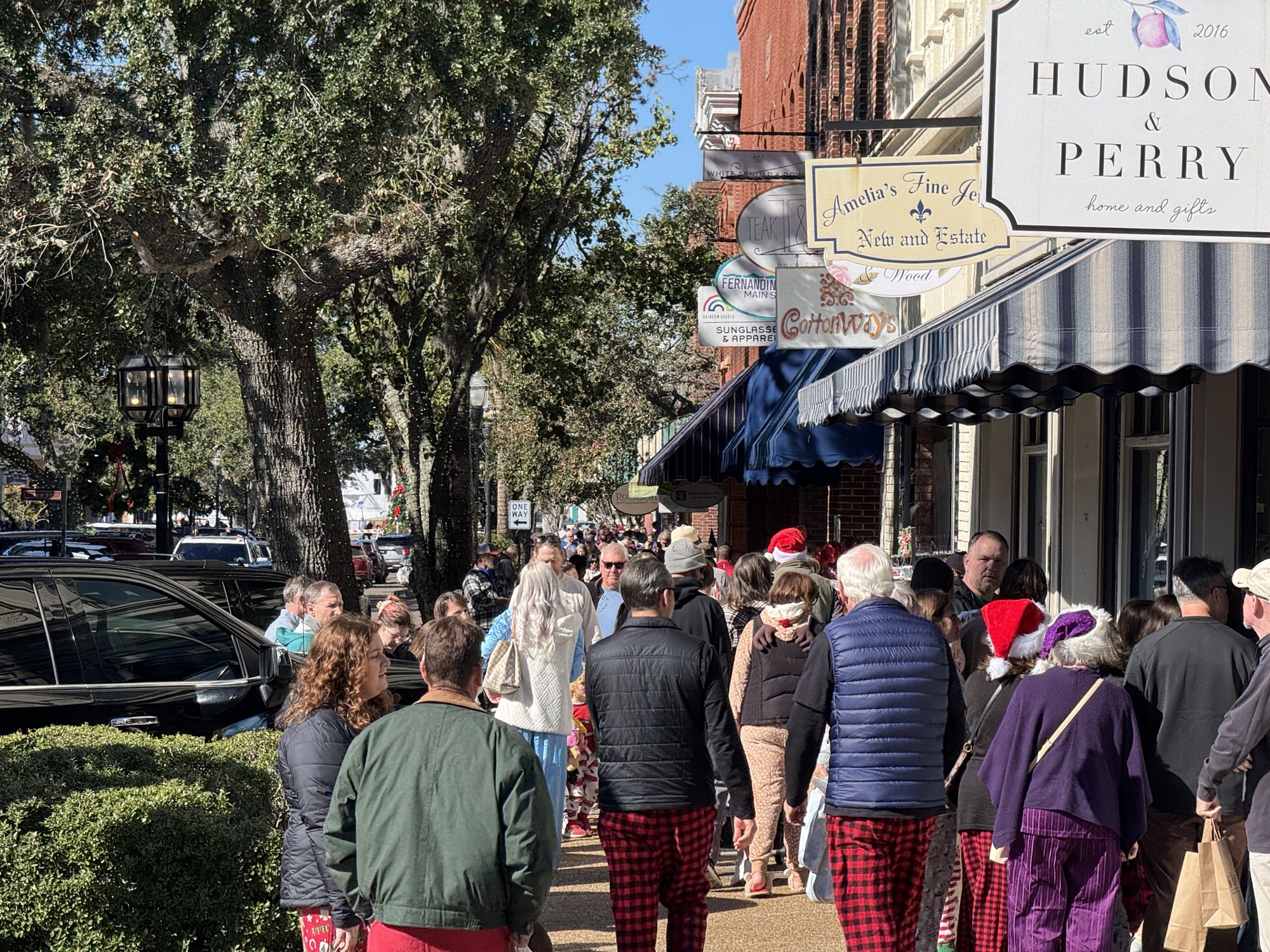
If you’ve ever taken a walking tour down Fernandina Beach’s charming Centre Street and heard a guide claim that the Victorian shops and buildings there were once sites where enslaved people were sold, you’re not alone—and you’re right to push back. That claim is simply not true. But the deeper question many locals ask is: Where did it actually happen, and is there anything left to see? Let’s set the record straight with documented history, because accuracy isn’t just academic—it’s a matter of respect for the place and the people who have stewarded its stories for generations.
The False Claim: Centre Street Slave Sales
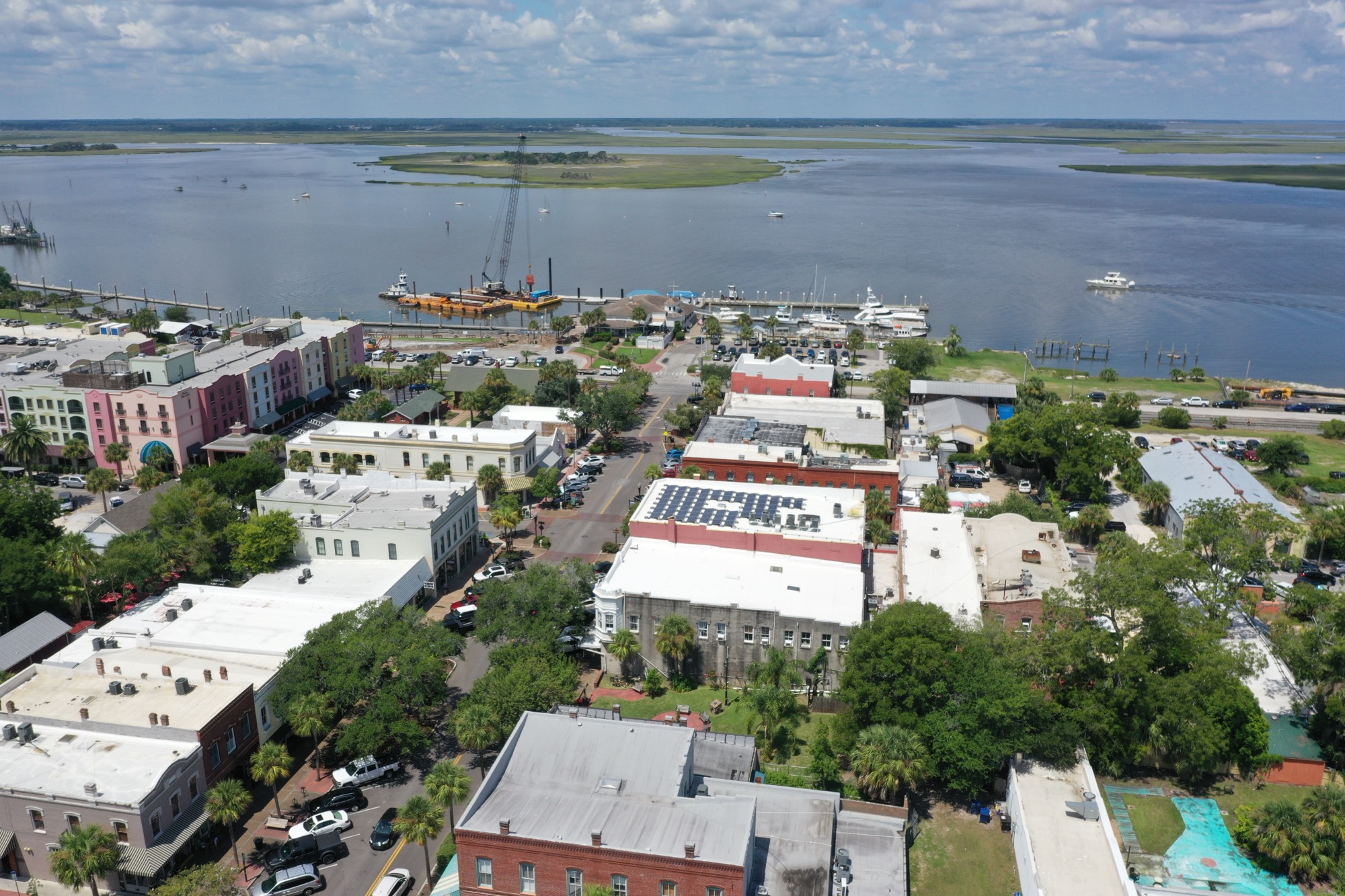
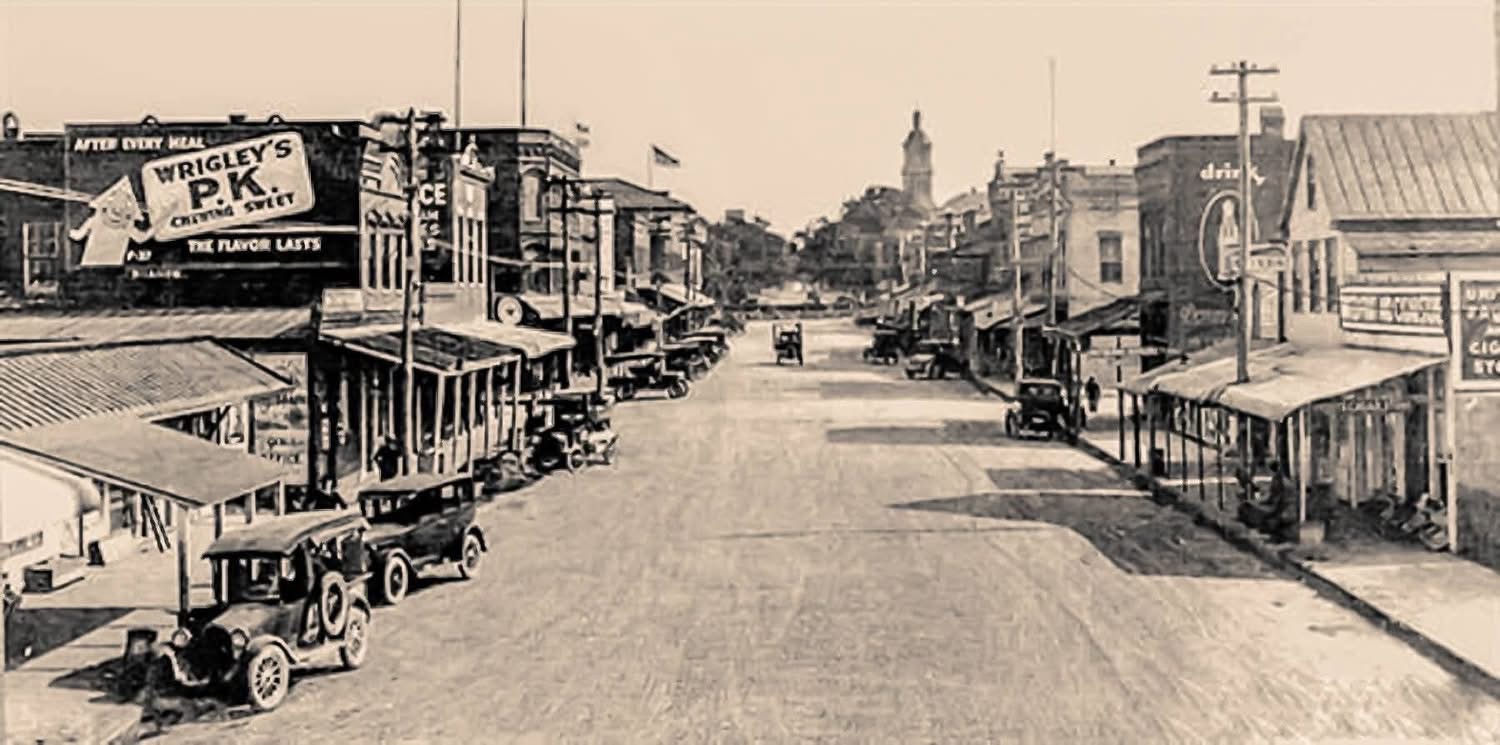
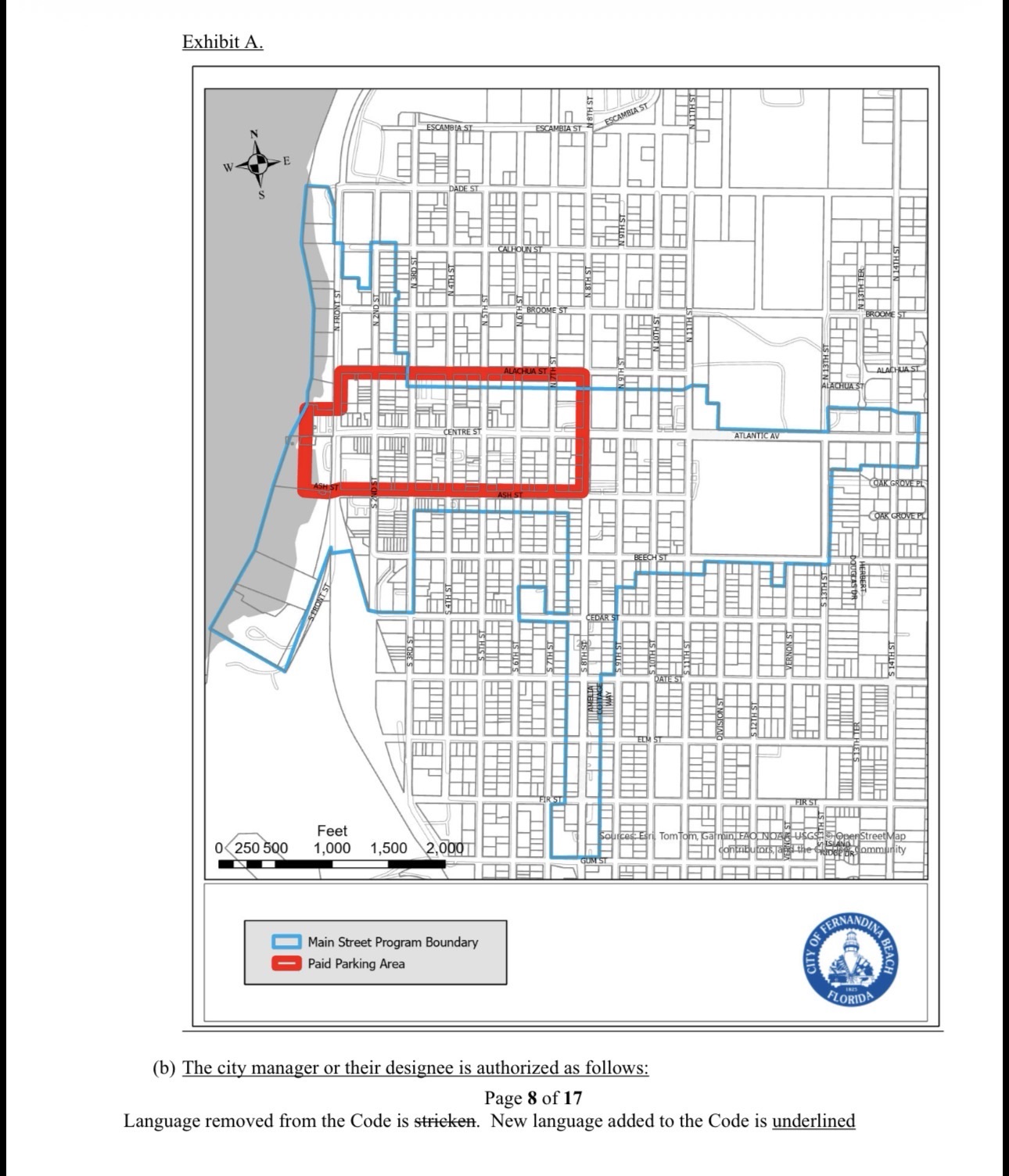
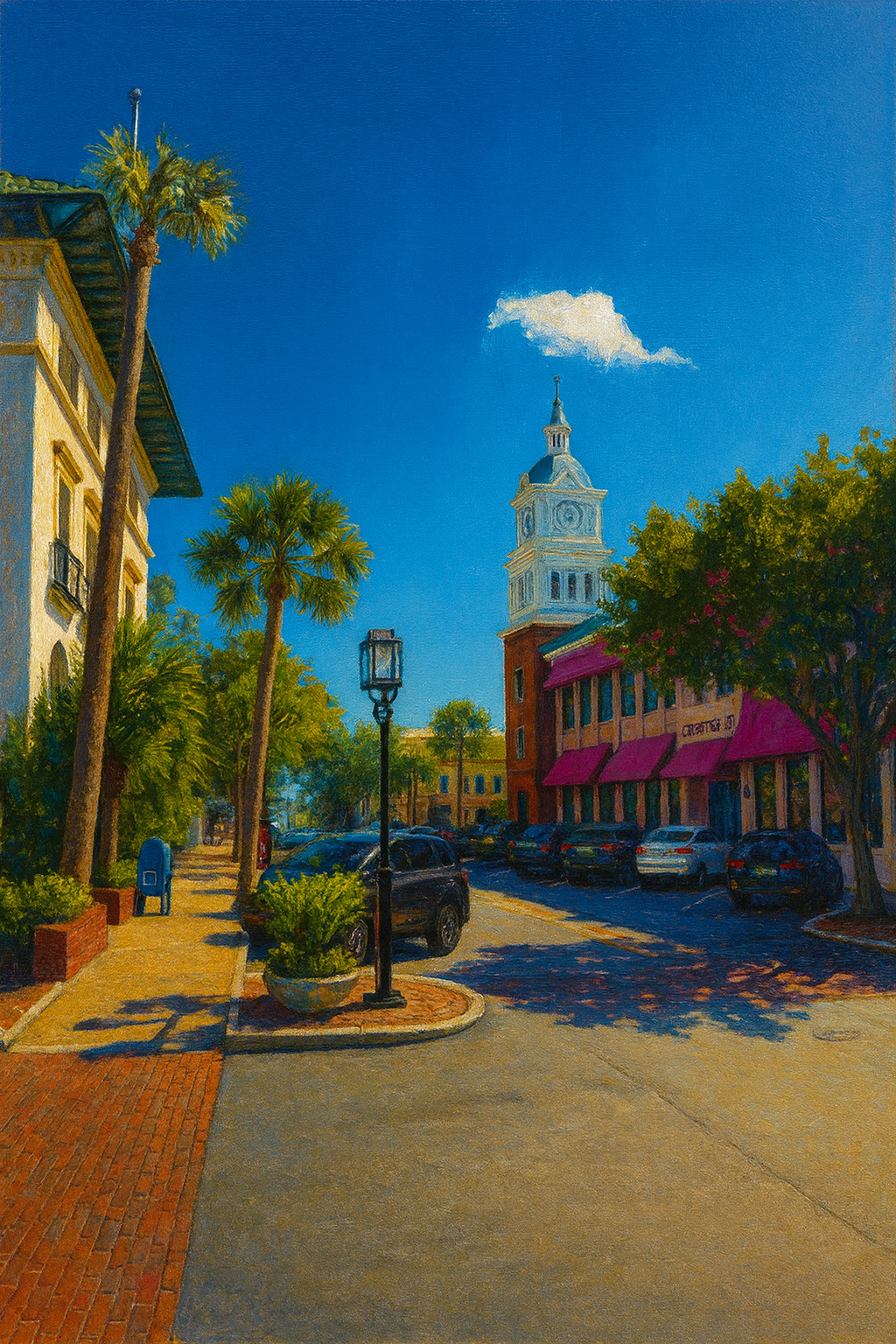
Centre Street and the surrounding downtown historic district are beautiful, with their 1870s–early 1900s architecture, the Palace Saloon (1878), and vibrant shops. But they developed decades after the peak of the illegal African slave import trade on Amelia Island. The town of Fernandina physically relocated in the 1850s when David Yulee’s Florida Railroad made the current location the new commercial hub. Most Centre Street structures post-date 1865 or were built in the late 19th century boom. No historical records, markers, or archaeological evidence tie public slave auctions or sales to specific buildings or shops along Centre Street. Claiming otherwise mixes up timelines and geography—and that’s exactly the kind of loose storytelling that frustrates locals who know the precise layout of their island’s layered past.
The Accurate Location: Old Town Fernandina (Fernandina Plaza Historic State Park)
The documented slave-trading activity—primarily the illegal importation and sale of Africans after the 1808 U.S. ban—centered on the original port settlement known as Old Town Fernandina, on the high bluff overlooking the Amelia River. This is now preserved as Fernandina Plaza Historic State Park (also called the Original Town of Fernandina Historic Site, listed on the National Register in 1990).
Here, under Spanish rule (and during brief “patriot” and privateer occupations around 1817), traders registered ships, inspected cargo, unloaded, and sold enslaved people bound for plantations across the South. Estimates suggest thousands passed through before Florida became U.S. territory in 1821. A UNESCO Slave Route Project Middle Passage Port Marker (installed 2020) stands on the grassy bluff today, explicitly noting the site where “traders registered, had inspected, unloaded, and sold their enslaved imports.” It’s a quiet, open park with interpretive signs, a cannon, and panoramic river views—part of the Gullah Geechee Cultural Heritage Corridor.
Specifically: Are Any Remaining Structures on Amelia Island Where Slave Trade Was Documented?
No. There are zero standing structures at the documented slave trade sites in Old Town Fernandina that date to the era of activity (roughly 1808–1821).
• Fort San Carlos (built 1816 to defend the port): This wood-and-earthworks fort is gone. Only faint archaeological traces and earthwork remnants remain (much has eroded into the river). The structure itself disappeared long ago.
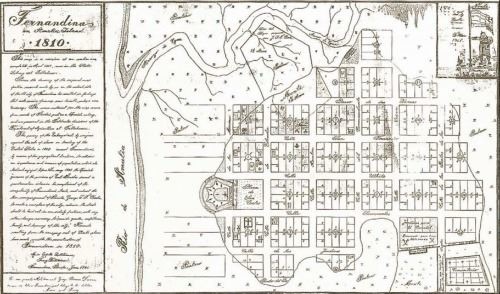
• The original Spanish town plaza, parade grounds, and port area: Preserved as open grassy lawn and parkland. The 1811 Spanish street grid and names survive, but the nomination for National Register status explicitly notes: “although no structures remain from the period of record.”
• Today’s Old Town is a peaceful residential neighborhood with later homes (the earliest prominent ones, like the Captain’s House, date to the 1880s—well after the Civil War and the end of the import trade).
Pre-Civil War Structures on Amelia Island Overall?
Yes, several antebellum buildings survive elsewhere on the island—but none are at the slave trade port sites or tied to documented sales/auctions there:
• In the downtown historic district (the “new” Fernandina): Williams House (1856), Florida House Inn (c. 1857, Florida’s oldest surviving hotel), Lesesne House (c. 1860), and the First Presbyterian Church sanctuary (organized 1858).
• Amelia Island Lighthouse (1838).
• These are residential, commercial, or military structures from the 1850s railroad/tourism era, long after the illegal import boom ended.
Related Historic Site in the Broader Region: Kingsley Plantation
For the nearest well-preserved pre-Civil War structures directly tied to the regional slave economy that flowed through Amelia Island’s port, visit Kingsley Plantation (not on Amelia Island itself). Located on Fort George Island in Duval County (about 25 miles south near Jacksonville, at 11676 Palmetto Ave., part of the Timucuan Ecological and Historic Preserve managed by the National Park Service).

• Owned by Zephaniah Kingsley, a wealthy shipping merchant and slave trader who smuggled enslaved Africans into the U.S. via Amelia Island/Fernandina ports in the early 1800s. He operated the plantation from 1814–1837; his Senegalese wife Anna (Anta) Kingsley (freed in 1811) managed it and even lived temporarily in Old Town Fernandina while the main house was rebuilt.
• Standing pre-Civil War structures: The main plantation house (built 1797–1798 by prior owner John McQueen—the oldest surviving plantation house in Florida); 25+ original tabby slave cabins (constructed in the 1820s in a unique semicircle, among the best-preserved in the U.S., with some inhabited by 1814); and barn sections (1798 and 1814 additions). All are pre-1865 and open to visitors.
Kingsley Plantation shows the plantation side of the trade (buying, training, and selling enslaved people), while Amelia Island’s Old Town bluff was the actual import port. No on-island Amelia structures from the slave trade era survive—but Kingsley offers powerful, tangible evidence of the system just a short drive away.
Why This Matters to Locals
When tours blur these facts—placing slave sales on Centre Street or implying you can “stand where it happened” inside a Victorian shop—it doesn’t just annoy history buffs. It erases the careful stewardship locals have done for decades. Old Town’s quiet plaza and the downtown’s later buildings tell two different chapters. Getting it wrong turns sacred, painful history into convenient backdrop. It’s why residents light up when they encounter guides who stick to the UNESCO marker, the state park records, the museum archives, and accurate regional context like Kingsley Plantation.
Next time you’re on Amelia Island, visit Fernandina Plaza Historic State Park yourself. Stand on the bluff, read the marker, and feel the weight of the real geography. Then consider Kingsley Plantation for the surviving structures that bring the broader story to life. Support the storytellers who honor it with precision. The island’s eight-flag history is rich enough without invention—and the truth is far more powerful.
Sources include the National Register nomination for Original Town of Fernandina Historic Site, Florida State Park records, Amelia Island Museum of History materials, the UNESCO Middle Passage Port Marker documentation, and National Park Service records for Kingsley Plantation (including its National Register listing and historical timelines). Always cross-check with primary local institutions for the latest.
