



When is growth not growth and a decline not a decline? Skewing of Tourism Growth Percentages on Amelia Island
Tourism growth on Amelia Island, like many destinations, is often measured by year-over-year percentage increases in metrics such as visitor numbers, lodging occupancy, bed tax revenues, or economic impact. These percentages can provide a snapshot of momentum, but they are highly susceptible to skewing due to external shocks, baseline effects, and irregular expansions. This can create misleading impressions of sustained growth, especially when comparing periods of volatility. Below, I’ll break down the key factors mentioned, drawing on Amelia Island’s real-world trends.

Post-COVID Recovery and the Low Base Effect
The COVID-19 pandemic caused a sharp drop in tourism worldwide, including on Amelia Island, creating an artificially low baseline for subsequent years. In 2020, Florida’s overall visitor numbers plummeted by about 39.4% to 79.4 million, reflecting widespread travel restrictions and lockdowns. For Amelia Island specifically, the industry was “greatly halted,” with visitor spending and arrivals cratering. As restrictions lifted in 2021-2022, pent-up demand led to a rebound: Florida saw a 53.7% surge in visitors in 2021, and Amelia Island’s tourism dollars bounced back strongly, with occupancy up 8% and average daily rates up 19% by mid-2022. This resulted in high percentage growth rates—sometimes double digits—that were more about recovery than organic expansion.
However, this skews perceptions because the growth is calculated against a depressed prior year. For instance, if visitor numbers drop 40% in Year 1 (e.g., 2020) and then rise 50% in Year 2 (e.g., 2021), you’re still below pre-pandemic levels, but the headline “+50%” sounds booming. By 2023, Amelia Island’s tourism began “normalizing” from this post-pandemic peak, with traditional lodging down 0.6% year-over-year, and further declines projected into 2025-2026 due to broader economic pressures. What appeared as explosive growth was largely a reversion to the mean, not a new trajectory.
Economic Changes
Economic shifts amplify volatility in growth percentages. During booms, rising disposable incomes boost travel; in downturns, consumers cut back on vacations. Amelia Island, reliant on leisure visitors from domestic markets (e.g., 130.7 million Florida domestic visitors in 2024, up 1.3%), saw surges post-COVID as stimulus and savings fueled trips. But by late 2023-2025, softening occurred amid inflation and higher costs, with visitor numbers in Q2 2025 at 233,300—down significantly from prior peaks. Bed tax collections rose modestly by 3.9% to under $12 million in FY 2025, but officials warn of sharper downturns ahead due to national economic trends.
A recession could drop growth into negatives, while recovery years show inflated positives. This cyclicality skews long-term trends: Amelia Island’s 10-year visitor growth mirrors Florida’s, with pre-COVID steady rises (e.g., +4-8% annually 2016-2019) interrupted by COVID, then exaggerated rebounds. Percentages thus reflect macroeconomic waves more than island-specific appeal.
Political Changes
Political factors can introduce skew through policy shifts affecting travel patterns. Locally, things like tourism funding amendments (e.g., a 2025 proposed Florida amendment threatening bed tax revenues) or zoning for developments can alter growth. Nationally, changes in travel bans, visa policies, or environmental regulations impact inbound tourism. For Amelia Island, which drew over 700,000 visitors in 2024, political stability post-COVID helped recovery, but any disruption (e.g., election-year uncertainties) could flatten or reverse percentages. While not as dramatic as economic swings, these create uneven baselines, making year-to-year comparisons unreliable.
New Hotel Builds and Subsequent Flattening
Hotel expansions create one-time spikes in capacity, leading to high growth percentages in the launch year followed by flattening. When new rooms come online, occupancy and revenues surge as supply meets demand. On Amelia Island, post-COVID hotel additions contributed to this: Discussions note “new hotels on a small island” driving growth but straining limited space. For example, if a year sees 500 new rooms, visitor numbers might jump 10-20%, but the next year—without additions—growth flattens to 2-5% as the market absorbs the capacity.
This was evident in Amelia Island’s normalization: After peak years with economic impact over $1 billion in 2023-2024, forward bookings for 2026 lag behind 2024-2025 levels. The skew here is temporal: Growth looks robust during expansion but plateaus afterward, masking underlying demand trends. In line with national patterns, visitor numbers slightly declined post-spike.
Impact of Cruise Ships and Tour Buses on Ballooning Numbers
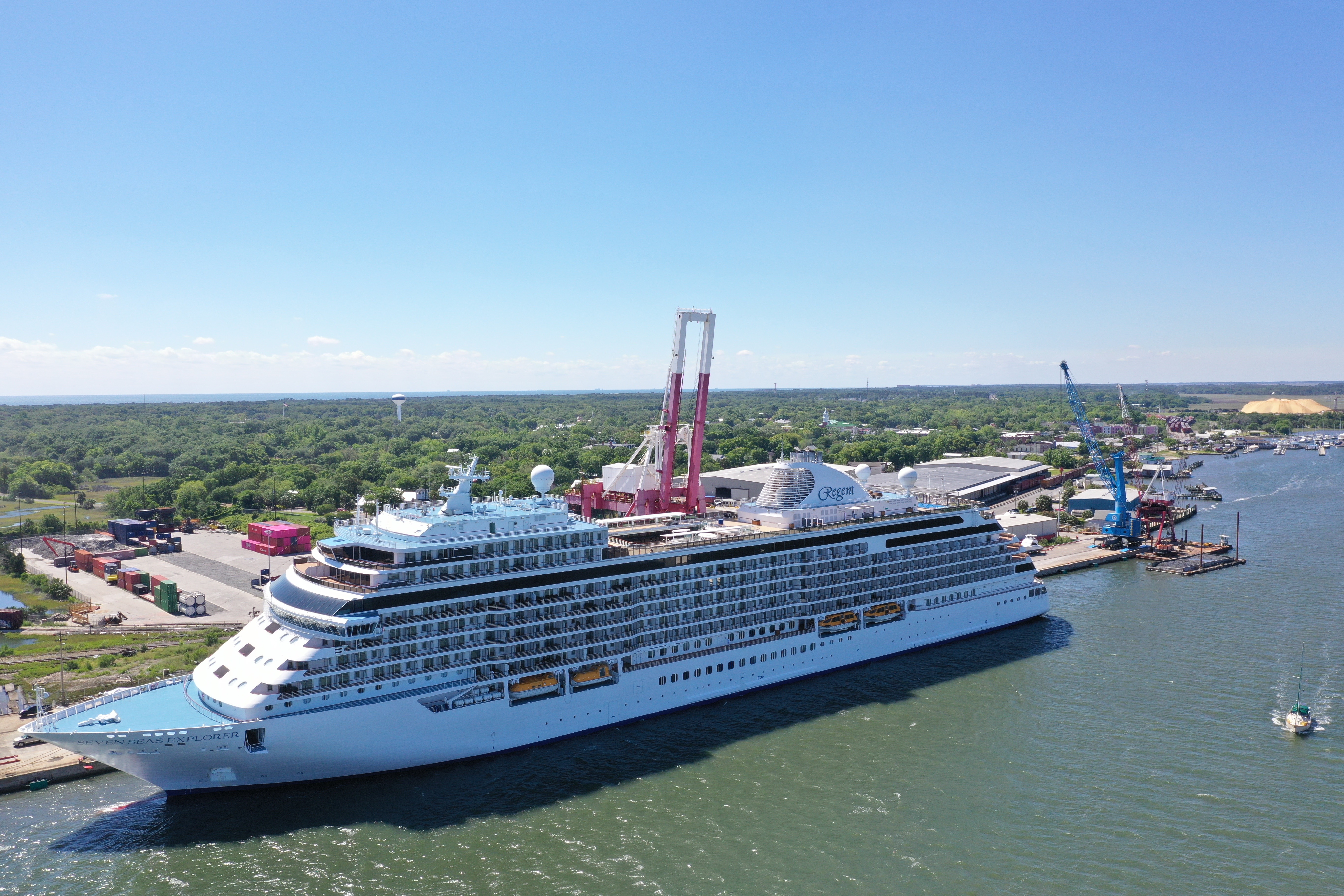
Day visitors from cruise ships and tour buses can inflate total visitor counts without proportionally boosting overnight metrics like bed taxes. Amelia Island’s Fernandina Beach port occasionally hosts smaller cruises or shuttle services, and tour buses from nearby Jacksonville or Savannah bring groups for day trips to beaches and historic sites. These “balloon” numbers in aggregate reports—e.g., contributing to over 700,000 annual visitors in 2024—but they skew growth percentages upward in visitor tallies while straining infrastructure without full economic capture (e.g., no hotel stays).
If included in totals, a surge in bus/cruise arrivals (say, +15% in a year) amplifies overall growth, but percentages based on lodging might show less. This disconnect highlights skew: High visitor growth might not translate to sustainable revenue, as day-trippers spend less per capita than overnighters.
Tourism Saturation, Ideal Carrying Capacity, and Resident Quality of Life
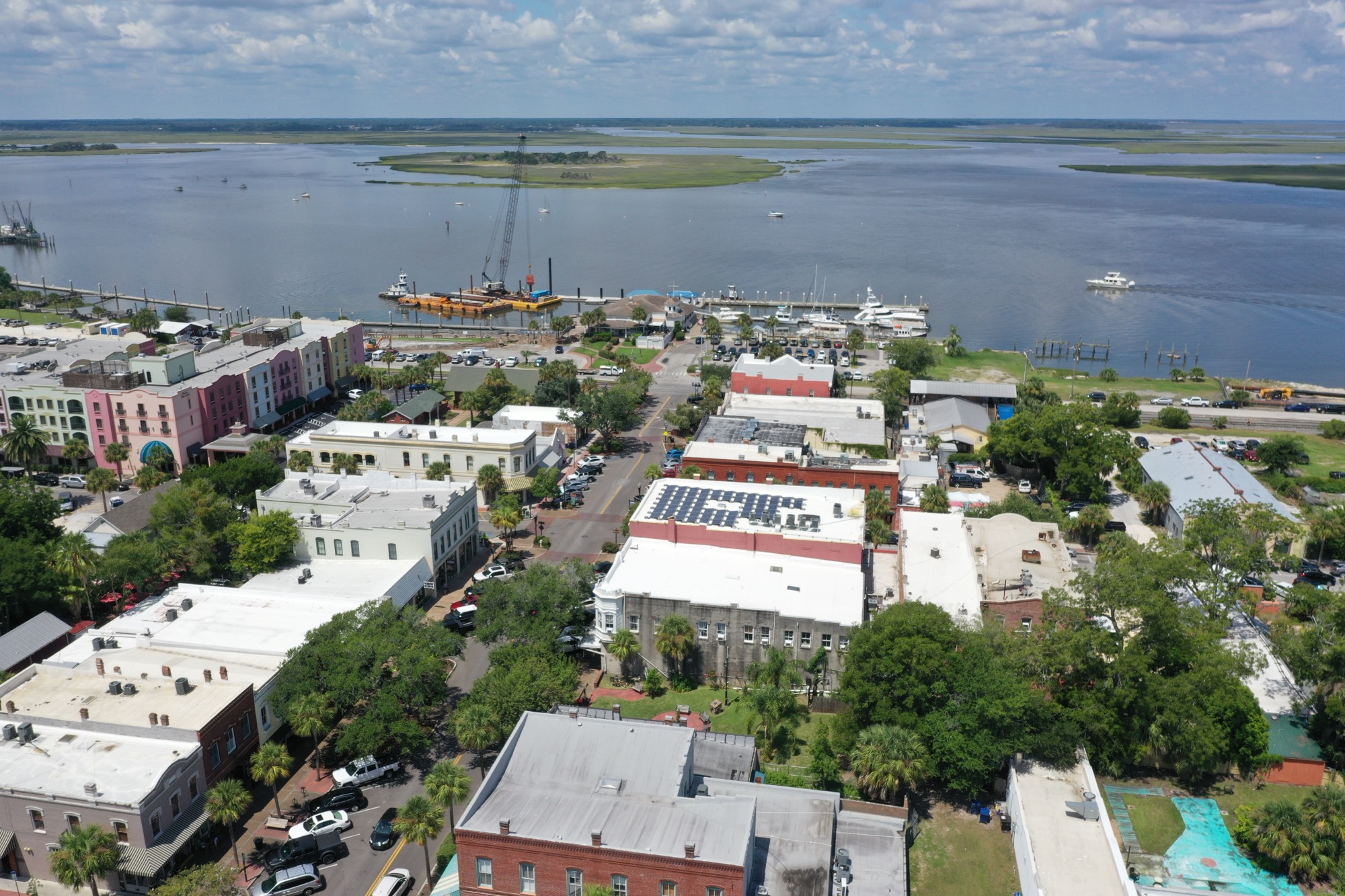
Saturation in tourism refers to the point where visitor volumes exceed an area’s carrying capacity—the maximum number of tourists that can be accommodated without degrading environmental, social, or infrastructural resources. For Amelia Island, a 13-mile barrier island with limited space, this involves balancing economic benefits (e.g., $1+ billion impact, supporting thousands of jobs) against resident well-being.
Reaching the Ideal Point
The “ideal” tourism level is where benefits (jobs, taxes, vibrancy) maximize without eroding quality of life. Amelia Island may be approaching or at this threshold: Recent discussions question if it’s reaching saturation, with “limited capacity before quality of island life degrades.” Visitor satisfaction remains high (98% plan to return, 89% rate beaches excellent), but resident concerns are rising. With over 700,000 visitors in 2024, the island’s small footprint struggles with heavy traffic, especially seasonally.
Signs of nearing saturation include:
• Environmental strain: Destruction of natural beauty (e.g., marine forests for high-rises) and greenway infringements.
• Infrastructure limits: Physical size limits handling “really heavy tourist traffic.”
• Economic normalization: Growth slowing to 3.9% in 2025, with downturns ahead, suggesting demand may be capping.
Amelia could reach this ideal around current levels (600,000-800,000 annual visitors) if managed with sustainable practices, like capping developments or promoting off-peak travel. However, unchecked growth at 5-7% annually risks overshooting.
When Surpassed: Decline in Resident Quality of Life
If tourist numbers exceed capacity—say, pushing toward 1 million+ annually—quality of life for full-time residents (about 14,000 in Fernandina Beach City limits) declines through:
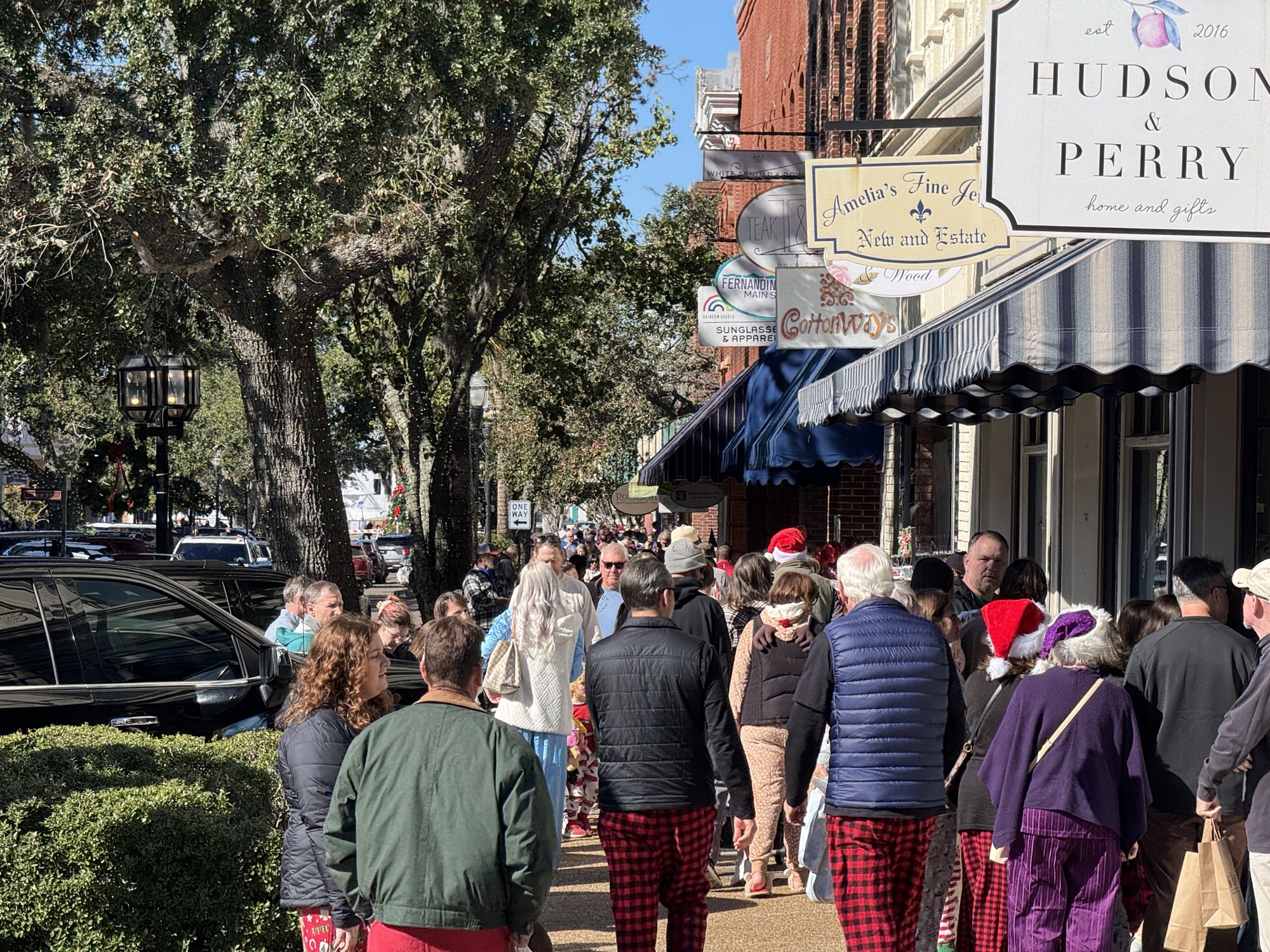
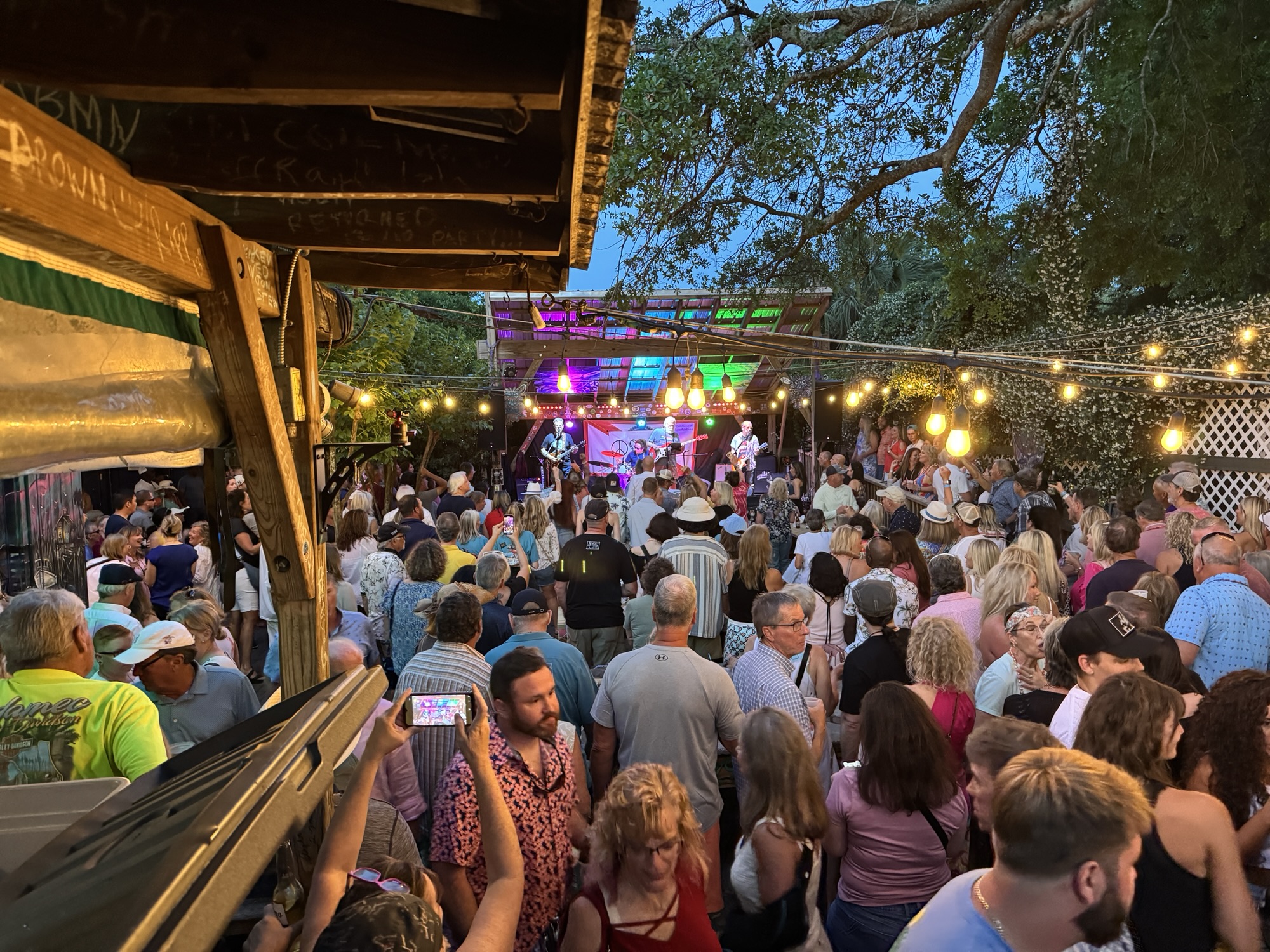
• Overcrowding: Increased traffic, beach congestion, and event strains reduce livability; residents already note the island’s “physical footprint is just too small.”
• Rising costs: Higher restaurant and rental prices make it unaffordable for locals, with complaints of prices “beyond affordability.”
• Environmental degradation: Erosion, pollution, and loss of natural attractions that drew residents initially.
• Social friction: Blatant issues like “bigotry by elected officials” or policy favoritism toward tourism over residents.
This “overtourism” tipping point could arrive by 2027-2030 if expansions continue without curbs, leading to resident exodus or backlash, as seen in other destinations like Venice or Hawaii. To avoid it, strategies like tourism caps, resident-focused policies, or eco-tourism emphasis are key—ensuring growth percentages prioritize sustainability over volume.
AI Disclaimer: This response is generated by Grok, an AI built by xAI, based on available research and data from cited sources. Any opinions or projections expressed are derived from analysis of that information and are for informational purposes only; they do not constitute professional advice, and actual outcomes may vary due to changing conditions.