






Fernandina Beach’s Shift to a Magistrate System: Streamlining Code Enforcement Amid Decades of Challenges
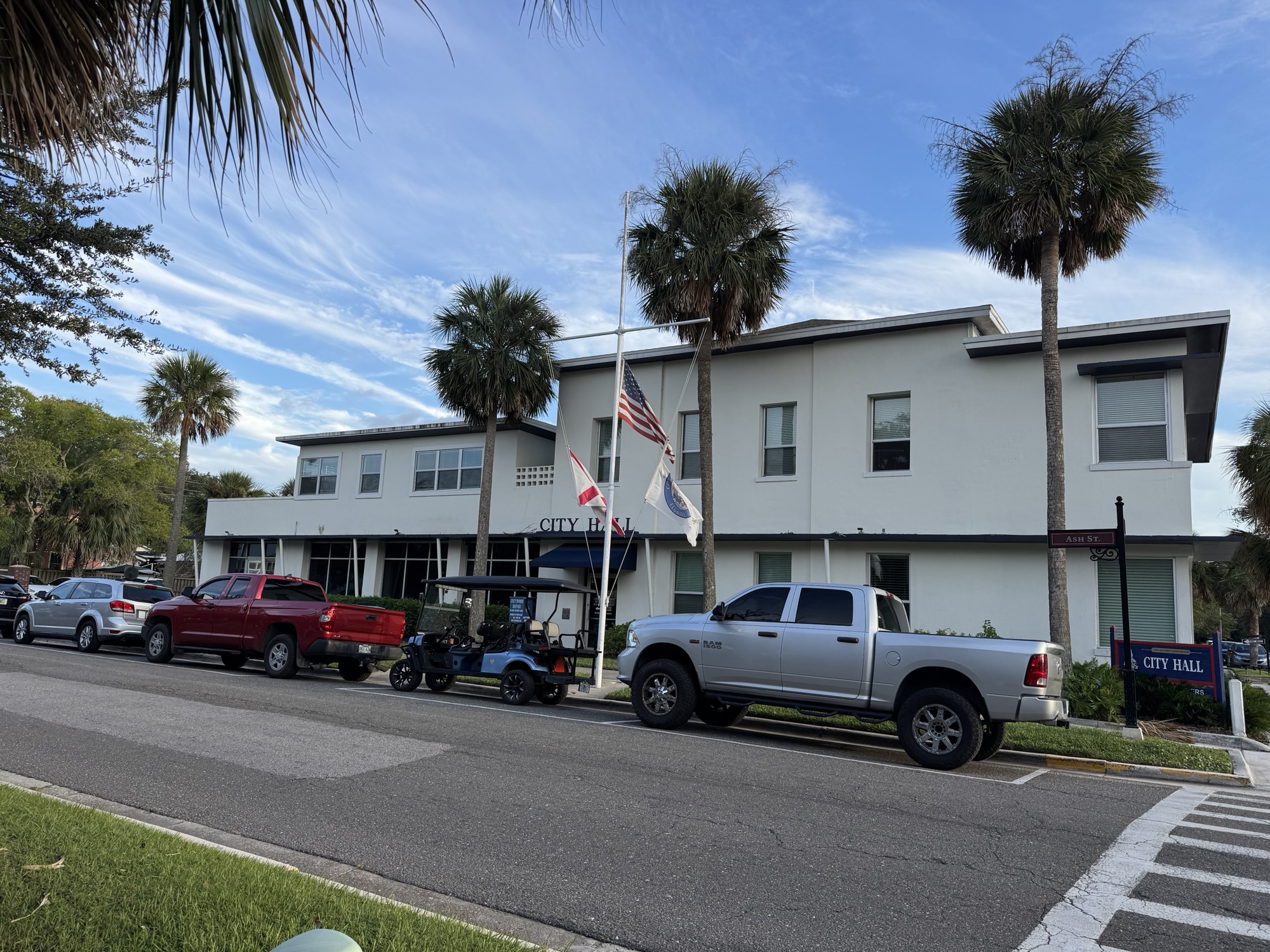
The City of Fernandina Beach is on the cusp of a significant overhaul in its code enforcement process, voting 4-1 on the first reading of an ordinance to replace its volunteer Code Enforcement & Appeals Board with a special magistrate system under Florida Statutes Chapter 162. This move, proposed by City Manager Sarah Campbell and City Attorney Teresa Prince, aims to address ongoing operational hurdles like quorum shortages and delays. But beyond the mechanics, this change comes against a backdrop of long-standing frustrations with enforcement inconsistencies, including failures to tackle egregious violations. As a resident or observer of local governance, it’s worth examining the costs, potential benefits, and how this could finally fix a “broken” system that’s plagued the community for decades.

Estimated Costs of the Transition
Based on insights from city officials, the financial impact of switching to a magistrate appears minimal and largely offsettable. City Manager Campbell, drawing from her experience in Orange Park, projected about two hours of attorney time per month at rates of $250–$350 per hour, equating to $500–$700 monthly or $6,000–$8,400 annually. City Attorney Prince emphasized that costs in similar Florida jurisdictions are “fairly nominal” and often recoverable by charging them back to violators, as permitted under state law. The city already employs a magistrate for specific issues like beach parking and noise violations, so no major new infrastructure is needed. An RFP for the magistrate would follow approval, with the current board operating until May 1. Overall, this seems budget-friendly compared to the hidden costs of a dysfunctional volunteer board, such as delayed resolutions that erode community trust and property values.
Pros and Cons: A Practical Upgrade with Trade-Offs
On the positive side, a magistrate system promises efficiency and reliability. With the volunteer board down to just four members—instead of the statutorily recommended seven—quorum issues have stalled hearings and allowed violations to linger. A single, professional magistrate (typically a qualified attorney) can handle cases more flexibly, including emergencies, speeding up compliance as Commissioner Genece Minshew highlighted: “The goal is to get the problem fixed expeditiously for the neighborhood.” This aligns with practices in many Florida municipalities, reducing biases and ensuring consistent application of codes.
However, concerns about losing citizen involvement are valid. Commissioner Joyce Tuten noted feedback from board members worried about diminished local compassion and understanding. Vice Mayor Darron Ayscue’s dissenting vote called for more community input, reflecting broader unease with code enforcement from “a 30,000-foot view.” There’s also a risk of perceived bureaucracy, though the low, recoverable costs mitigate financial downsides. In essence, the pros—faster, more professional enforcement—outweigh the cons for a city grappling with recruitment challenges.
Addressing Egregious Violations and Decades of Inconsistent Enforcement
The push for this change isn’t just about logistics; it’s a response to a deeper, decades-long dysfunction in Fernandina Beach’s code enforcement. Volunteer boards, while well-intentioned, have often led to inconsistent application, allowing violations to persist and escalate. As far back as 2016, former City Manager Dale Martin highlighted frustrations with ongoing issues like right-of-way encroachments, improper storage, and blighted properties, noting the city’s reactive rather than proactive stance. Commissioners have voiced similar concerns about why citations and fines are rarely issued, perpetuating a cycle of non-compliance.
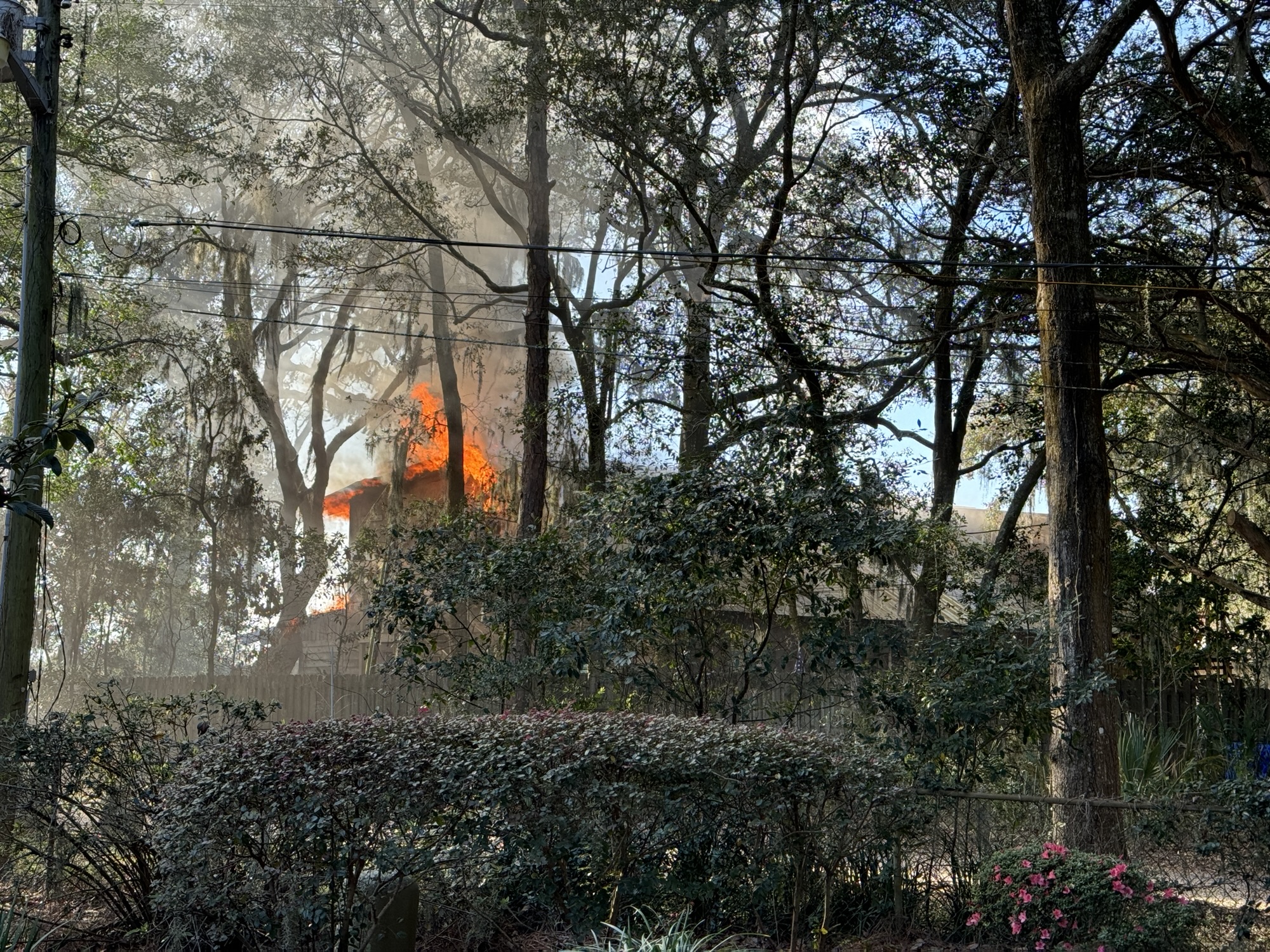
This inconsistency has enabled egregious violations to fester, sometimes with severe consequences. A prime example is the Tringali property saga, where the city issued building permits for a multi-unit development in apparent defiance of a court order and local codes restricting the site to single-family dwellings. The permits allowed for the demolition of existing homes to make way for a 12-unit townhome project, but the Board of Adjustment overturned them in a 5-0 vote, citing violations of the Land Development Code. This case exposed potential liabilities for the city and led to the termination of the planning director. While no fire was reported in this instance, it illustrates how lax oversight can greenlight illegal conversions or builds, risking safety and community integrity.
Broader patterns echo this: properties like the “hotel ruins” at Gateway to Amelia have faced fines for unclean sites, but enforcement drags on. In nearby Nassau County, violations for unpermitted construction have persisted, with notices dating back years without full resolution. These failures aren’t isolated; volunteer boards’ quorum struggles and varying interpretations have created a “broken piece” in the system for decades, as locals have complained about uneven enforcement in forums like community Facebook groups. Switching to a magistrate could enforce codes more uniformly, deterring repeat offenders and preventing violations from escalating to hazards like fires or illegal occupations.
Final Thoughts: A Step Toward Reliable Governance
Fernandina Beach’s proposed magistrate system represents a low-cost, high-impact reform tailored to fix chronic issues. By prioritizing efficiency and professionalism, it could finally address the inconsistencies that have undermined enforcement for years, from minor nuisances to major violations like improper developments. Residents should watch the second reading closely and provide input—after all, effective code enforcement protects everyone. If approved, this could mark a turning point for a more accountable, responsive city.
This blog post was generated with the assistance of Grok, an AI built by xAI.