






PAID PARKING VOTE AND THOUGHTS
ON TUESDAY, JANUARY 6, 2026, THE FERNANDINA BEACH CITY COMMISSION IS SCHEDULED TO VOTE ON ORDINANCE 2025-13.

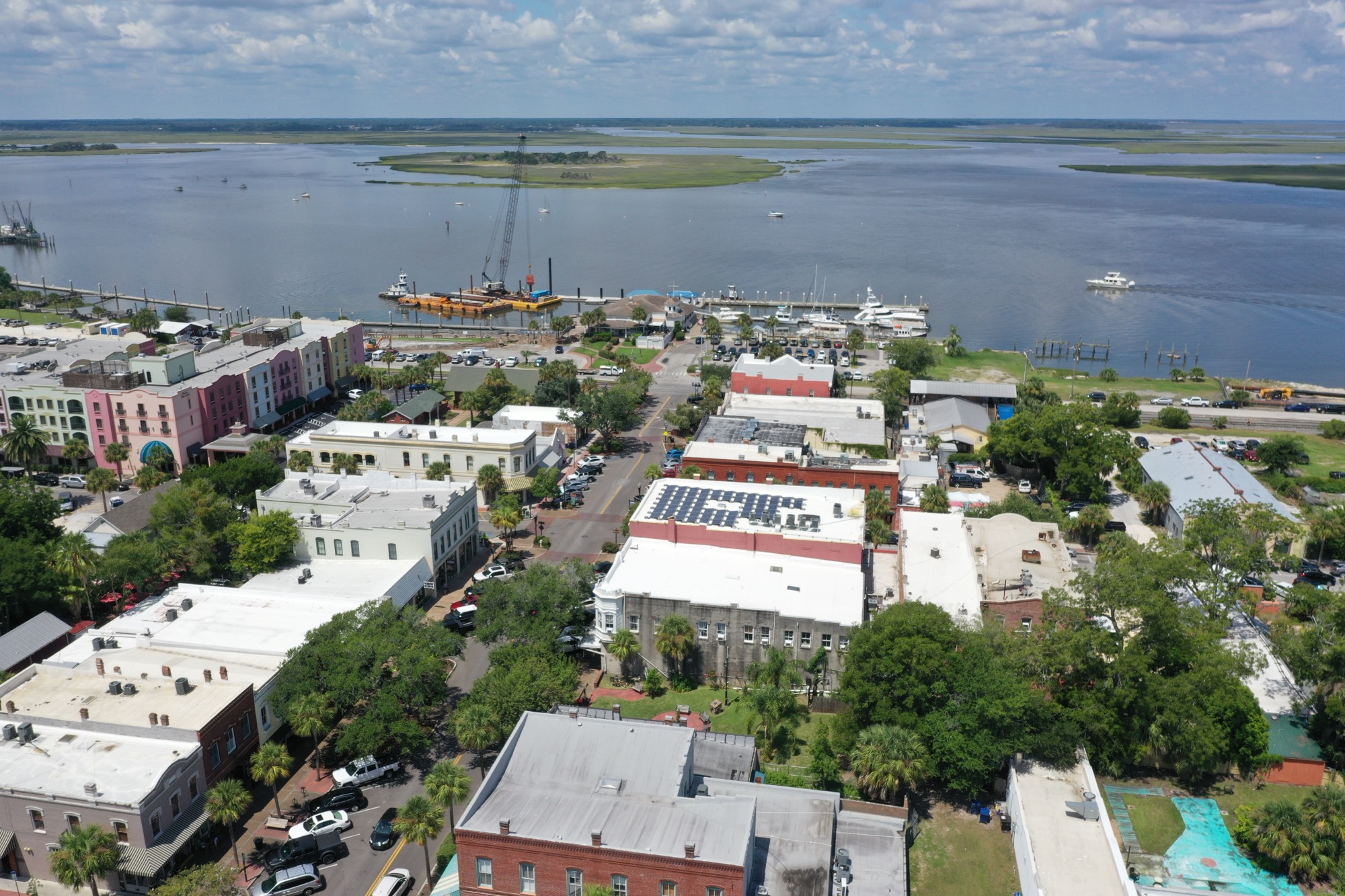
This ordinance formally creates a permanent paid parking system in downtown Fernandina Beach by amending Chapter 78 of the City Code. This is not a pilot. It is not temporary. It embeds paid parking into City law.
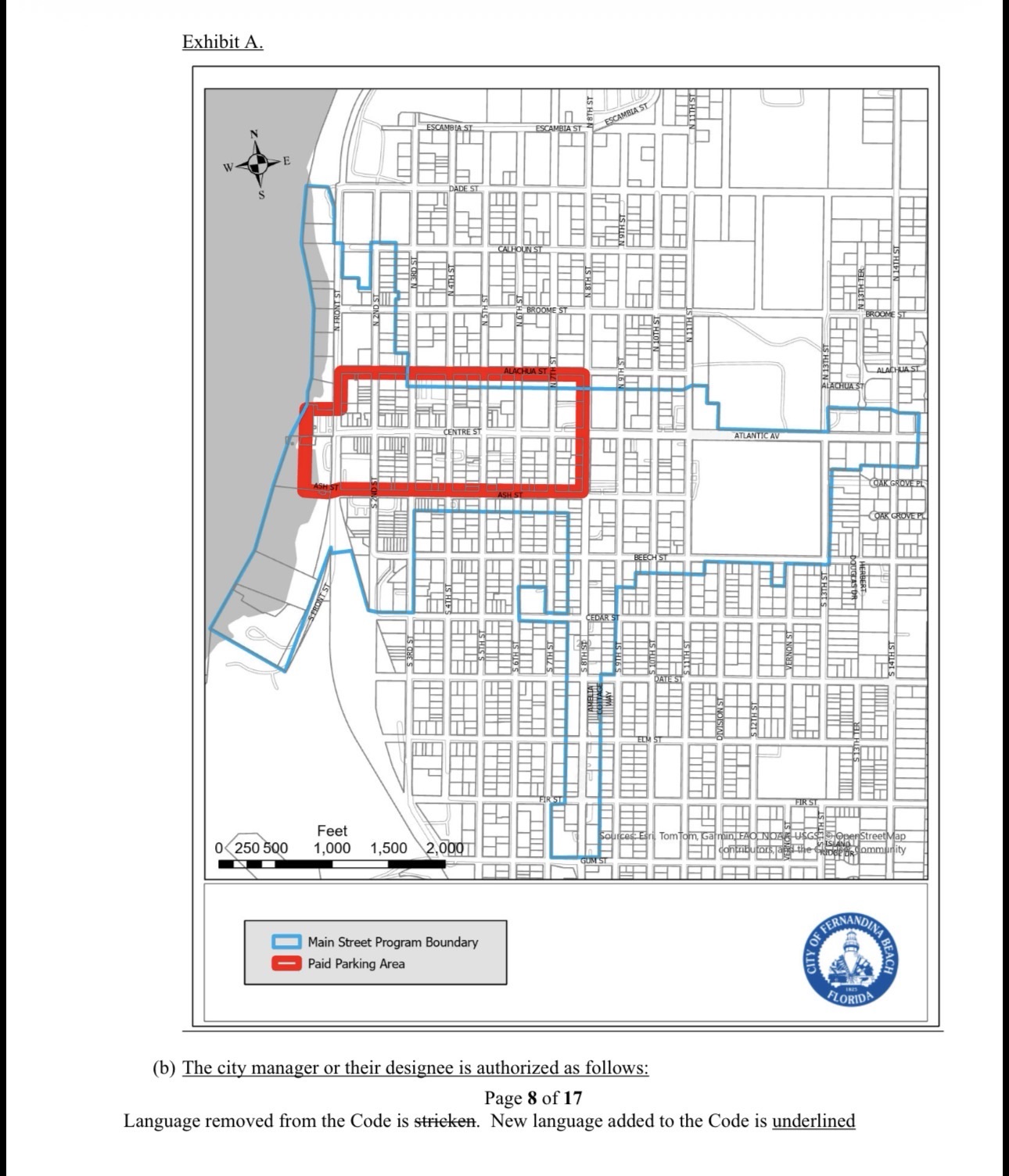
The ordinance establishes where paid parking applies, how it is enforced, what it costs, who is exempt, and where the money goes. Enforcement is administrative, not criminal, and includes citations, late fees, booting after multiple unpaid tickets, and collection actions. Parking is enforced seven days a week with limited free grace periods.
A key feature is the creation of a Parking Special Revenue Fund. Every dollar collected from paid parking must go into this fund. That money may only be spent within the downtown/Main Street boundary for parking operations, infrastructure, resiliency, and related capital projects. The fund is designed to be self-supporting and separate from the City’s General Fund.
The ordinance gives substantial operational discretion to the City Manager, including rate adjustments within approved ranges, sector management, signage, exemptions for events, and enforcement methods. Once adopted, paid parking becomes a standing part of City Code and cannot be undone without another ordinance.
Why this is moving forward despite overwhelming opposition
This ordinance is not being passed because it is popular. It is being passed because the votes exist.
The Commission majority has decided that paid parking is a necessary revenue and control mechanism regardless of public sentiment. Several factors are driving that decision:
• Paid parking creates a dedicated, recurring revenue stream without raising property taxes
• Codifying it provides long-term administrative certainty and makes reversal procedurally harder
• Planning consultants and “peer city” models are being prioritized over resident feedback
• There is a belief that opposition is loud but temporary and will fade over time
This is a calculated gamble, not a consensus decision.
Borrowing against parking revenue — without voter approval
Here is the part many people are missing.
The ordinance explicitly allows the City to borrow money using paid parking revenue as collateral. That includes issuing revenue bonds or other financing instruments backed solely by parking fees.
Under Florida law, revenue bonds tied to non-property-tax income do not require voter approval. Because property taxes are not pledged, the City Commission alone can authorize the debt.
In plain terms:
• The Commission can approve borrowing
• Parking revenue can be pledged to repay it
• Voters do not get a referendum
• Once debt exists, paid parking becomes financially locked in
This is intentional. It is a well-known financing structure, and the ordinance is written to accommodate it.
Why this matters politically
Once borrowing occurs, repeal becomes extremely difficult. Ending paid parking would threaten the revenue stream used to service debt. Even a future Commission elected to oppose paid parking would face the argument: “We can’t undo it — the City already borrowed against it.”
This is how policies become insulated from elections.
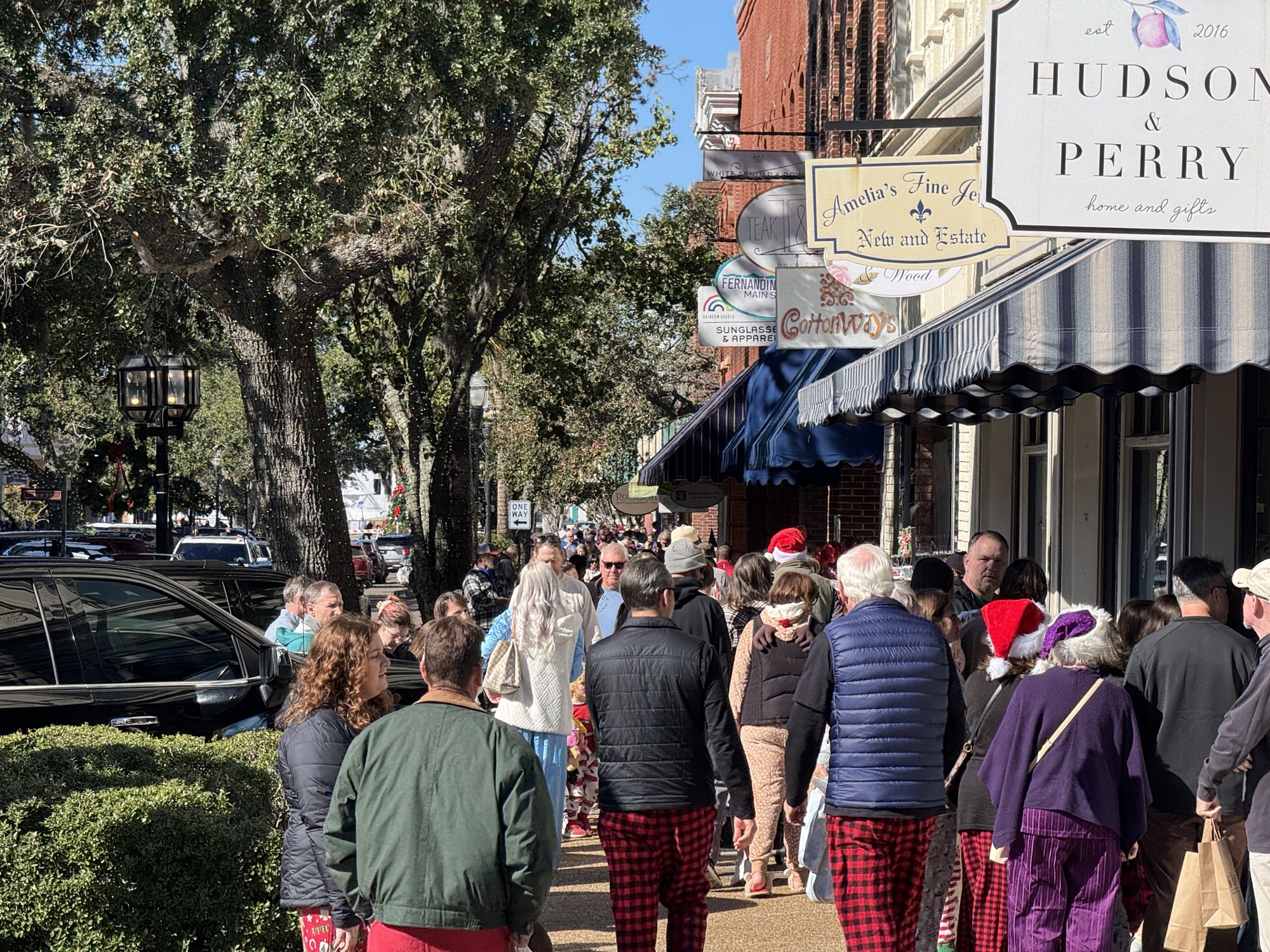
Paid parking has already unified opposition across residents, downtown workers, business owners, churchgoers, and long-time locals. This is not an abstract policy fight — it affects people weekly, sometimes daily. Citations, apps, enforcement encounters, and perceived overreach reinforce the grievance every time they occur.
Expect this to carry into the next election:
• Paid parking will be a central campaign issue
• Incumbents who supported it will have to defend it repeatedly
• Challengers will have a clear message: repeal, rollback, or reform
• Voter turnout among historically disengaged residents may rise
Bottom line
Ordinance 2025-13 does more than authorize paid parking. It creates a self-contained revenue system that can be leveraged for borrowing without voter approval, effectively insulating the policy from electoral reversal.
Research and proofreading by AI