






Nassau County, Florida: 2025 Year-End Review: The 20 Issues That Defined the Year — and What’s Coming Next
As 2025 closes, Nassau County stands at a familiar but increasingly uncomfortable crossroads: rapid growth colliding with limited infrastructure, rising costs, environmental pressure, and a growing disconnect between elected officials and the people they represent.

Some of this year’s challenges were predictable. Others escalated into full-scale political flashpoints. Together, they tell a clear story about where Nassau County is headed — and what residents will be forced to confront in 2026.
Below is a straightforward review of the 20 most consequential issues of 2025, based on public records, commission actions, court filings, and sustained community debate.
1. Relentless Population Growth
Nassau County remains one of the fastest-growing counties in Florida. Residential approvals continued at a pace that exceeded infrastructure expansion, placing long-term strain on roads, utilities, schools, and emergency services.
2. Housing Affordability Under Pressure
Higher interest rates, rising land prices, and new impact fees pushed affordability further out of reach for first-time buyers and working families. “Growth paying for itself” became a popular phrase — but the cost still lands on residents.
3. Impact Fees and Mobility Fees
County leadership approved increased impact and mobility fees to fund roads, parks, and public facilities. While fiscally logical on paper, the practical effect is higher home prices and rents.
4. Infrastructure Lag
Road congestion, drainage failures, aging water and sewer systems, and deferred maintenance dominated capital improvement discussions. Funding remains years behind actual need.
5. School Performance vs. Staff Retention
Nassau County schools again earned top statewide ratings. At the same time, teacher resignations and burnout raised concerns about how long that performance level can be sustained without structural changes.
6. Student Stability Policies
New policy discussions focused on keeping students in their schools during family or housing crises — acknowledging that constant disruption harms academic outcomes.
7. Vision 2050 and Growth Management
Long-range planning debates intensified around density, rural preservation, and whether existing policies meaningfully protect community character or simply accommodate growth.
8. Traffic and Transportation Planning
Traffic congestion worsened across the county. TPO studies and public meetings continued, but implementation remains slow compared to development approvals.
9. Water Quality and Environmental Health
Concerns over surface water, groundwater, and runoff pollution remained unresolved. Residents increasingly demanded stronger enforcement and monitoring.
10. Tourism Dependence and Bed Tax Uncertainty
Tourism remains the county’s economic backbone, but proposed state-level changes to bed tax structures created uncertainty for local funding and promotion.
11. Public Safety and Law Enforcement Capacity
Population growth continued to stretch law enforcement, fire rescue, and emergency response resources, prompting ongoing staffing and funding debates.
12. Hurricane and Disaster Preparedness
Storm readiness remained a recurring concern, particularly as development expands into low-lying and flood-prone areas.
13. Flood Mitigation and Resiliency
Resiliency planning advanced in workshops and studies, but implementation funding remains a major hurdle.
14. Economic Development vs. Quality Jobs
Business recruitment continued, though residents increasingly questioned whether job growth is keeping pace with housing costs.
15. Transparency and Public Trust
Public confidence in local decision-making weakened as major policies advanced despite sustained public opposition.
16. Tree Canopy Loss and Open Space
Development approvals continued to reduce tree cover and green space, fueling debates over environmental tradeoffs.
17. Parks and Quality-of-Life Investments
County and municipal governments invested more in parks and recreation, acknowledging quality of life as a retention issue for residents.
18. Taxes, Fees, and Cost Shifting
Residents questioned whether new fees and revenue mechanisms genuinely address infrastructure — or simply paper over long-term budget shortfalls.
19. Civic Identity and Community Character
As growth accelerated, long-time residents voiced concern that Nassau County is losing the very character that made it desirable.
20. The Political Flashpoints of 2025: Paid Parking and Recall Efforts
Paid Parking in Downtown Fernandina Beach
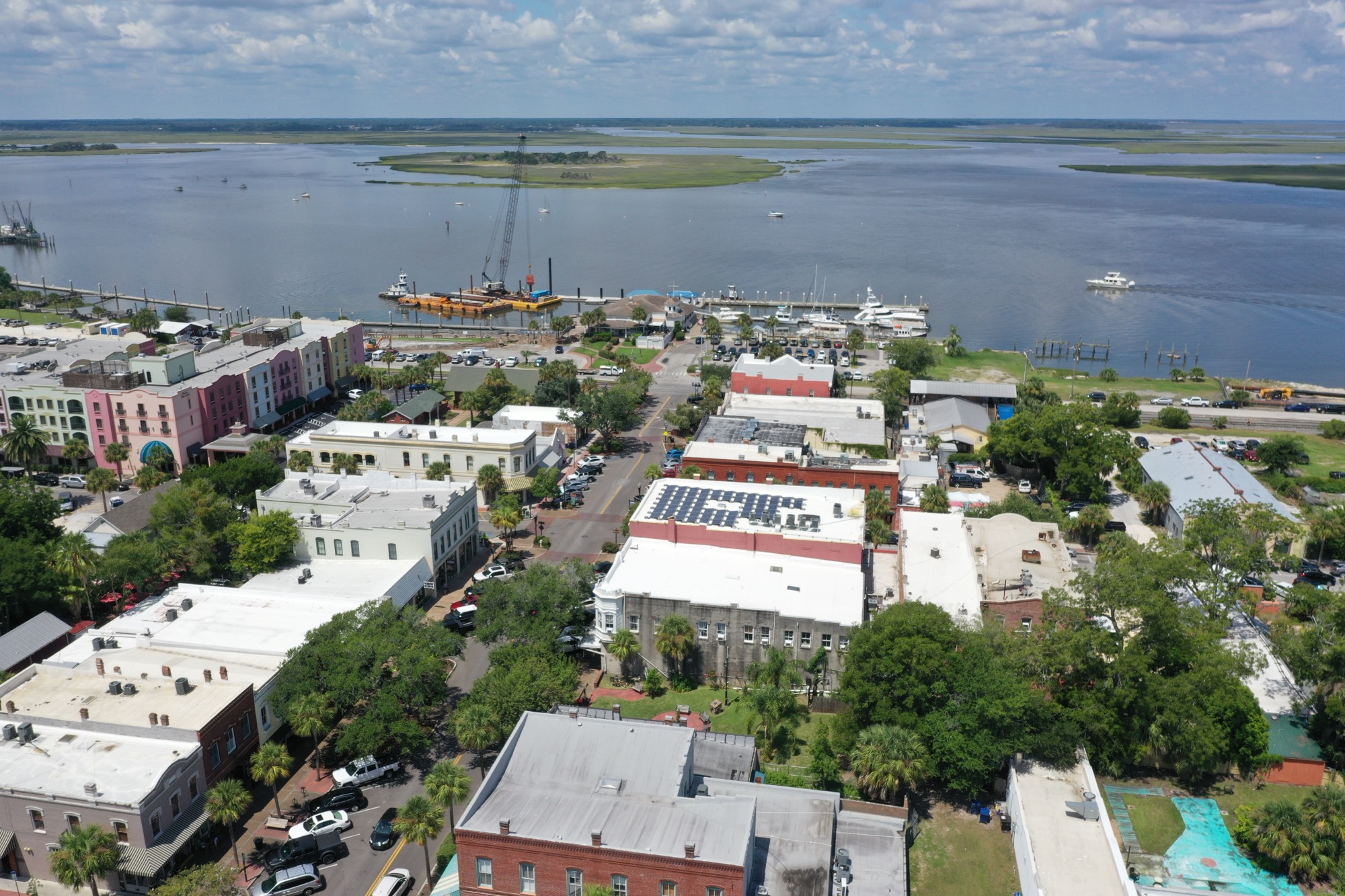
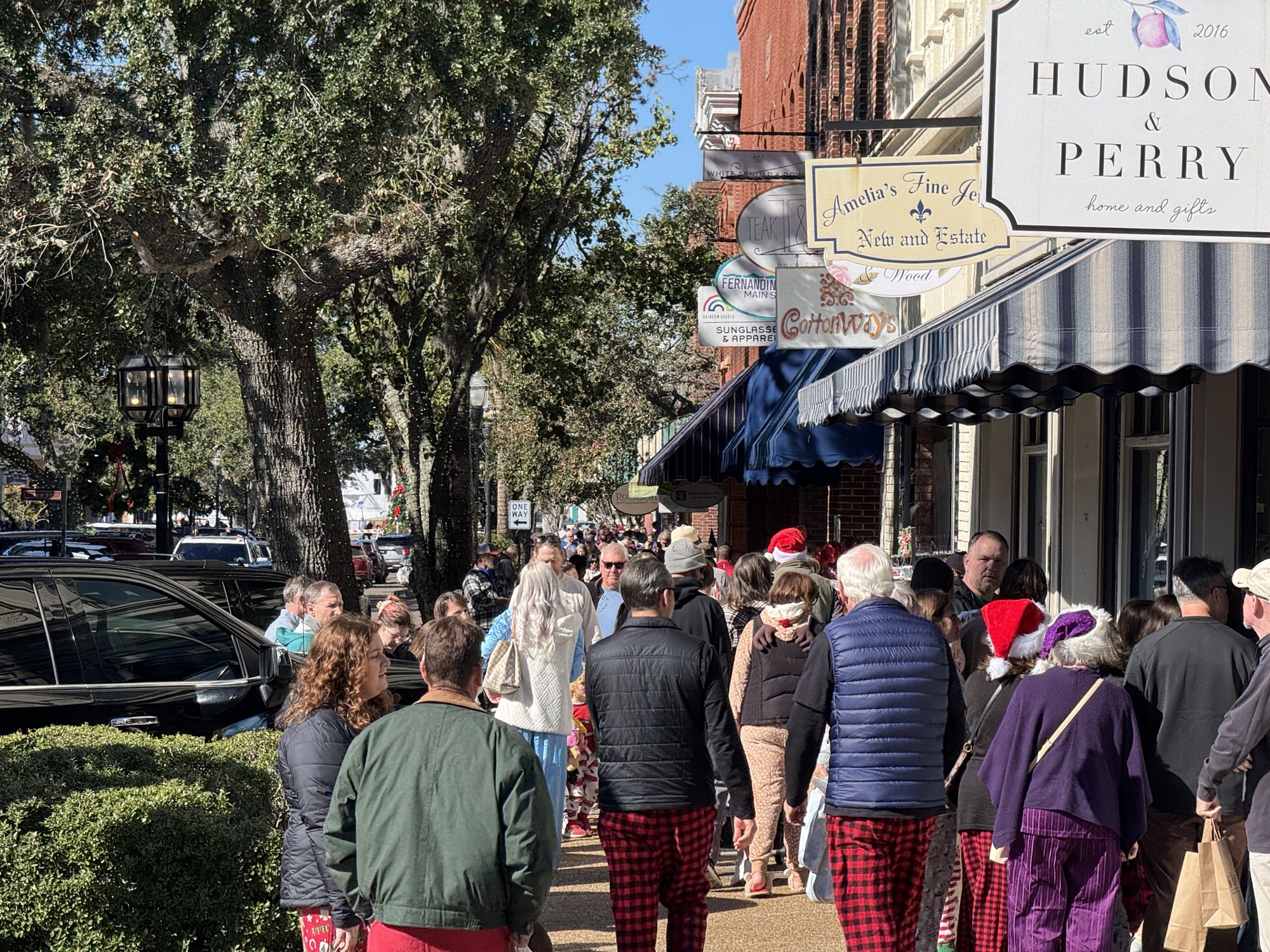
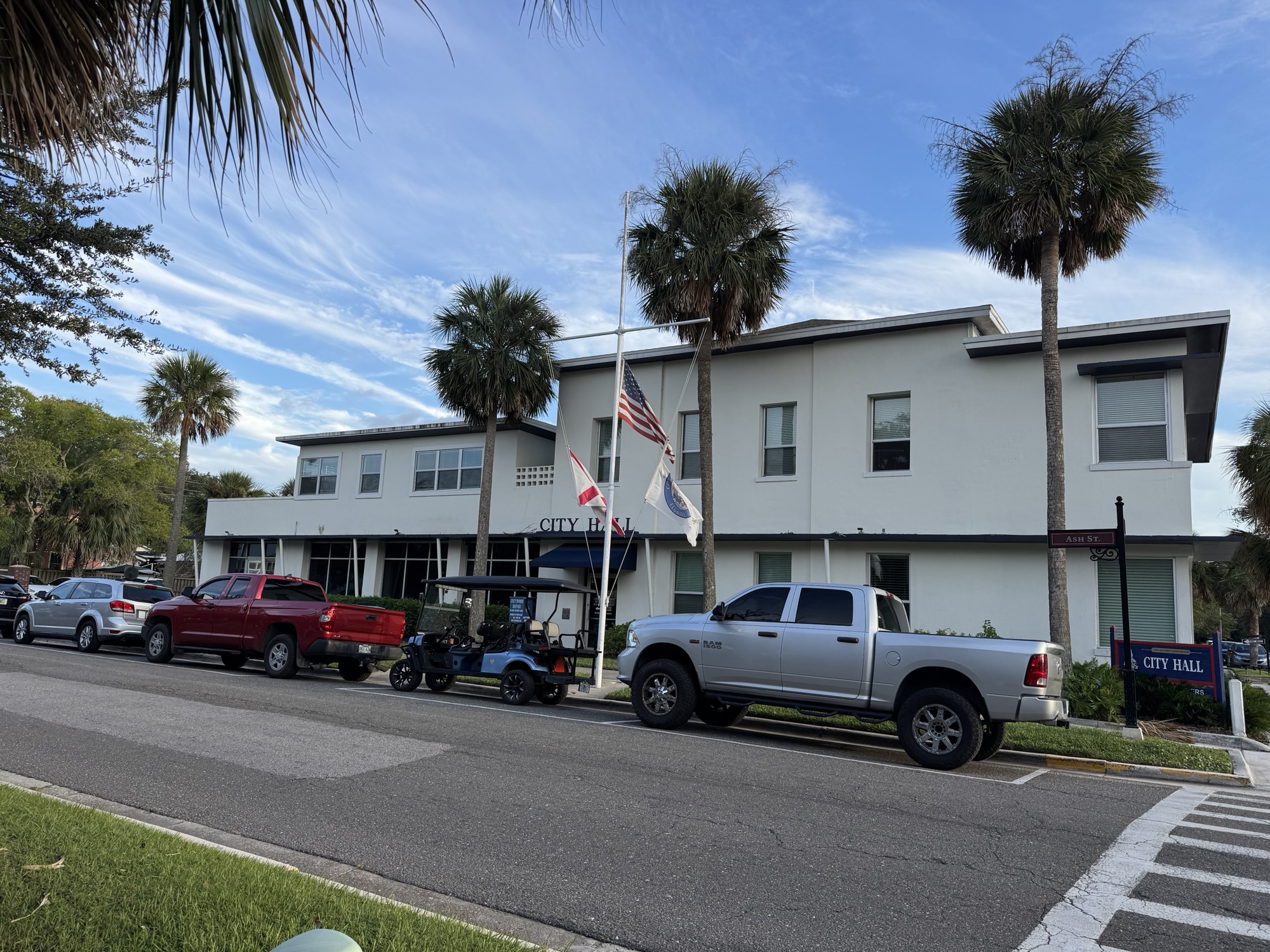
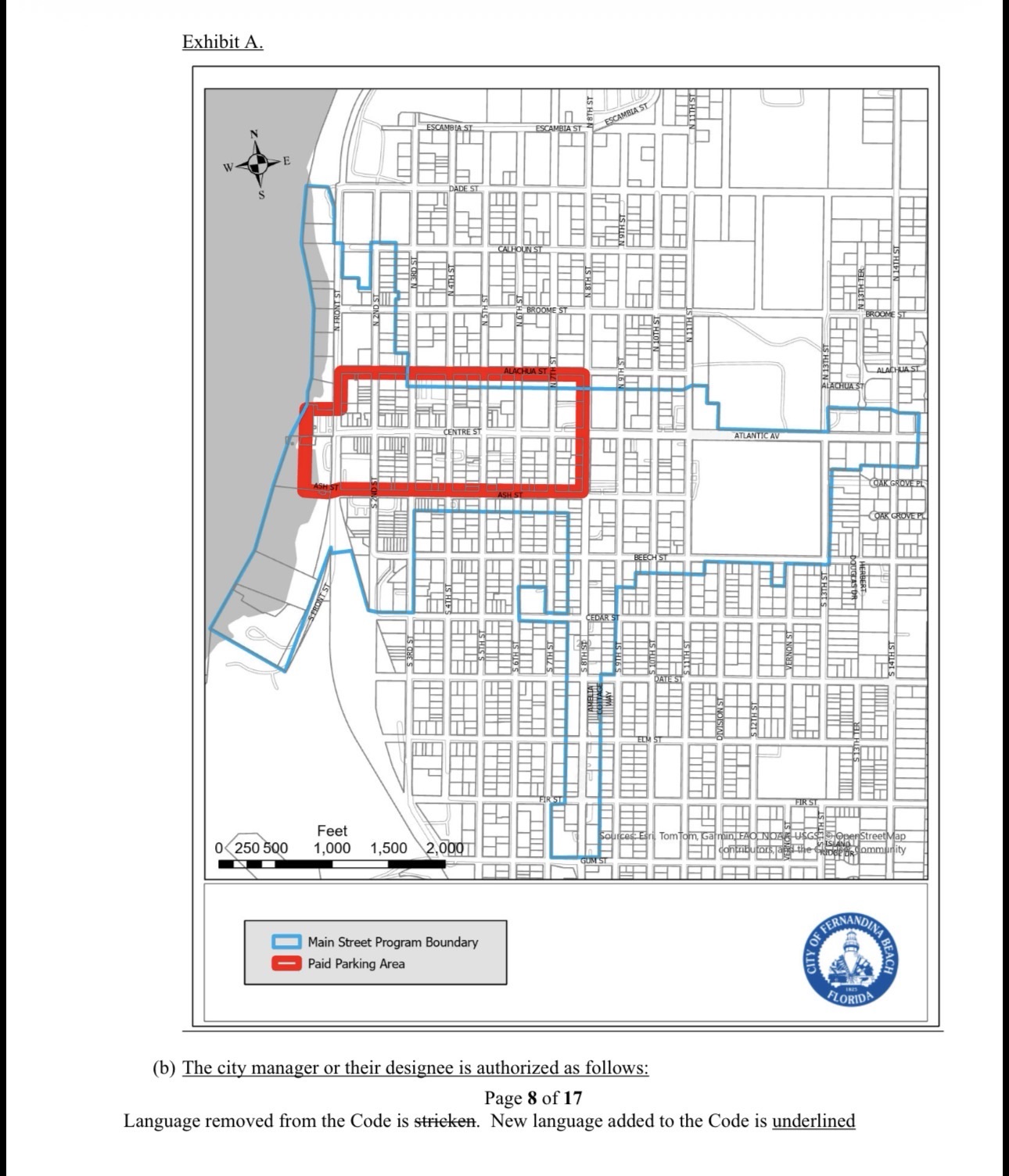
The most divisive issue of the year unfolded in Fernandina Beach, where the City Commission pushed forward with a paid parking program for the historic downtown.
City leadership framed paid parking as a revenue solution — projecting millions annually for waterfront projects, infrastructure, and long-term maintenance.
Opposition was swift and sustained:
Residents argued paid parking would hurt small businesses and local access Petitions gathered thousands of signatures A citizen-led ordinance to block paid parking failed Lawsuits were filed challenging the city’s authority A voter referendum is now expected in 2026
What began as a parking policy became a referendum on governance, transparency, and who truly controls the direction of the city.
Recall Efforts
The paid parking controversy triggered organized recall efforts against city commissioners viewed as dismissive of public opposition.
Regardless of outcome, recall campaigns marked a significant escalation in civic frustration — signaling that residents are no longer content to wait quietly until the next election cycle.
Looking Ahead to 2026
The takeaway from 2025 is not subtle:
Growth is outpacing infrastructure.
Costs are shifting to residents.
Public patience is thinning.
Paid parking and recall efforts were not isolated events — they were symptoms of a broader demand for accountability, transparency, and restraint.
How Nassau County responds in 2026 will determine whether it manages growth responsibly — or continues reacting after the fact.
AI DISCLOSURE
This article was generated with the assistance of artificial intelligence and reviewed for accuracy, clarity, and local relevance. All opinions, interpretations, and conclusions are presented for informational and community discussion purposes only.
