
Opinion…Amelia Island’s Tourism Plateau: A Natural Limit, Not a Crisis
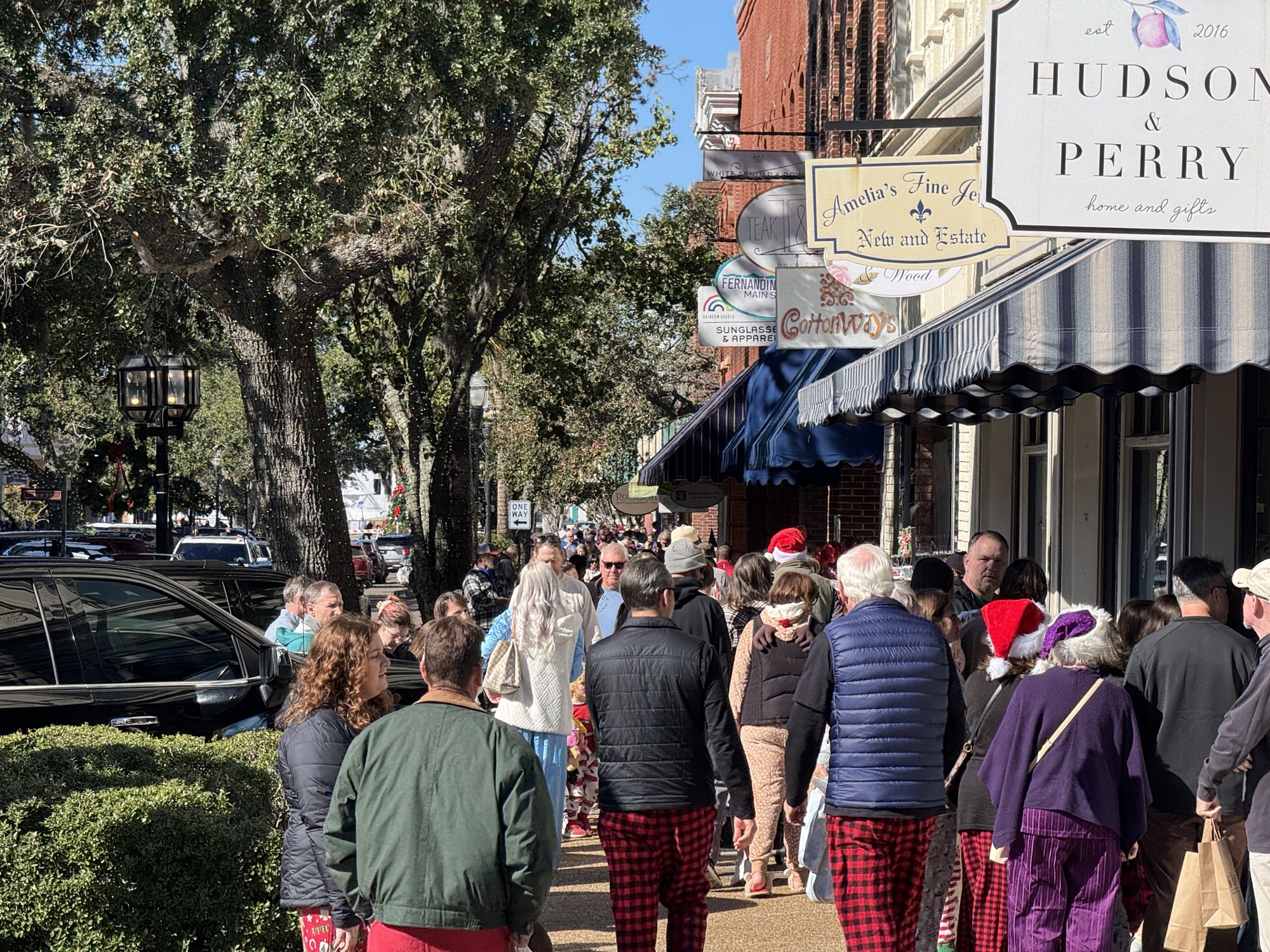
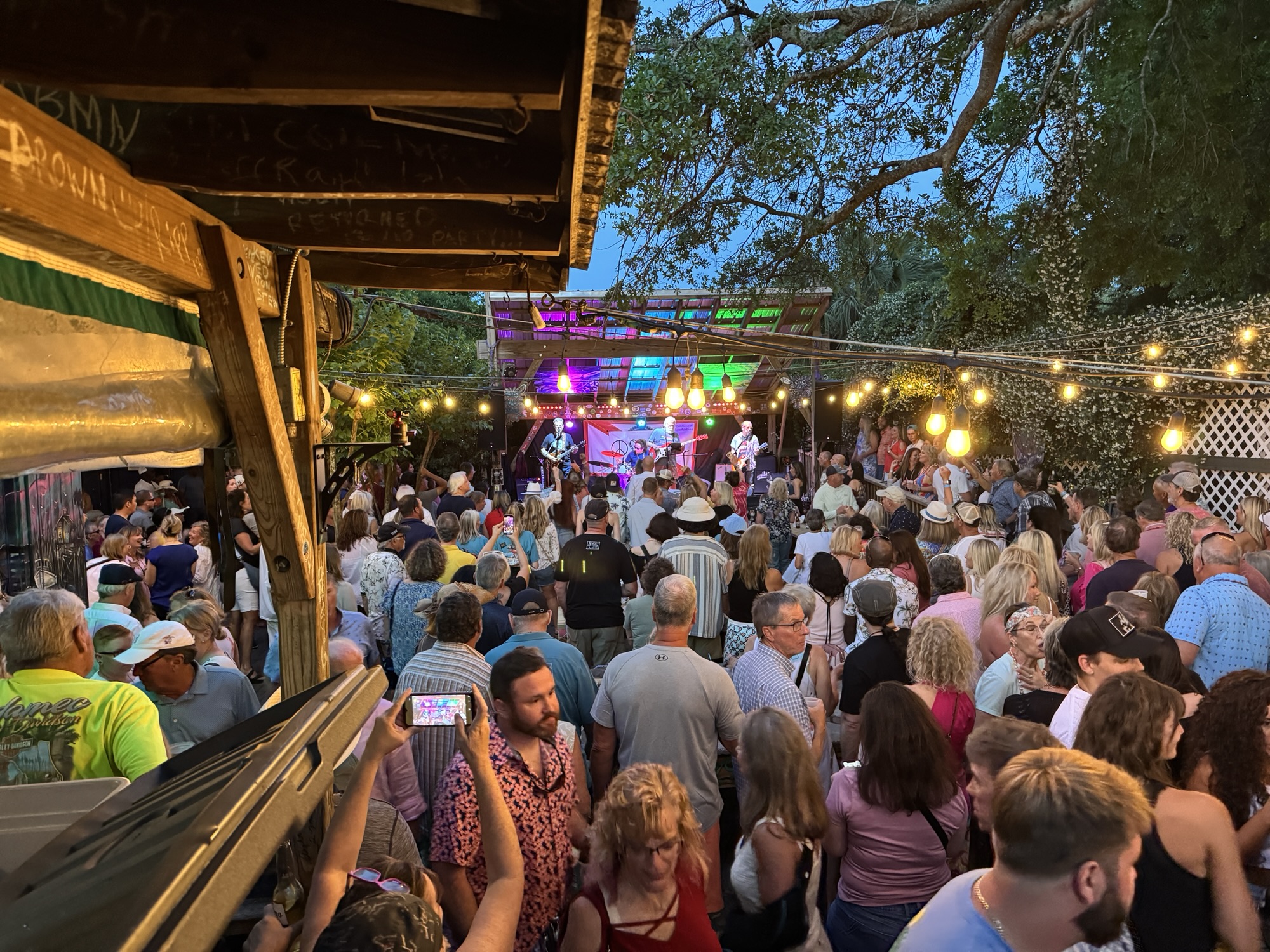
Amelia Island has reached the point every barrier island eventually faces: there isn’t any more room. The latest Tourist Development Council numbers—bed tax collections up a modest 3.9% to just under $12 million in FY 2025, advance bookings for 2026 already lagging, and occupancy trends flattening—are not a warning siren. They are the sound of an island bumping up against its own physical boundaries. Peak-season restaurant waits stretching past an hour, beach parking lots that fill by 10 a.m., and gridlock on Sadler Road aren’t signs of failure; they’re proof we’ve hit maximum comfortable occupancy. Slower growth isn’t a bug—it’s the feature of a finite place.

The Data Tells the Real Story
The TDC and CVB frame the 3.9% gain as the last gasp of momentum and predict a “sharper downturn” ahead. Yet that same data set, read without the growth-at-all-costs lens, tells a calmer tale:
• After the post-pandemic surge that delivered 5–7% annual jumps, a 3.9% increase on top of a record $11.54 million base is essentially treading water at the ceiling.
• More than one million overnight stays per year are already being squeezed onto 13 miles of island with one main arterial road.
• Independent research from Downs & St. Germain shows softening national leisure travel, meaning Amelia isn’t uniquely failing—it’s simply unable to absorb more visitors than it already does.
In plain language: we are full at the times people most want to come. Expecting another decade of 5–7% compound growth would require more hotels, wider roads, bigger parking lots, and taller buildings—none of which this island can (or should) accommodate.
The Real Danger of Paid Parking at the Saturation Point
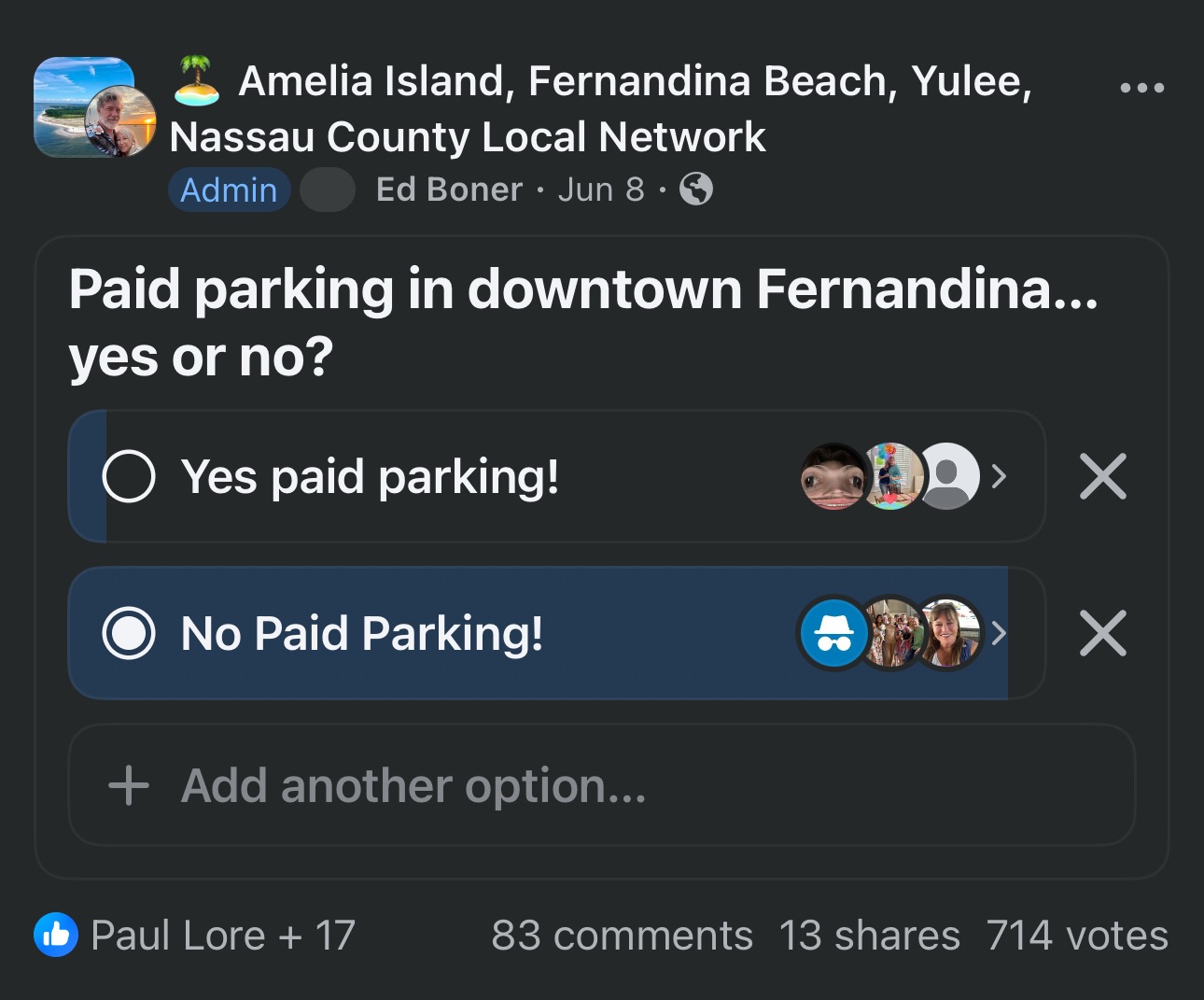
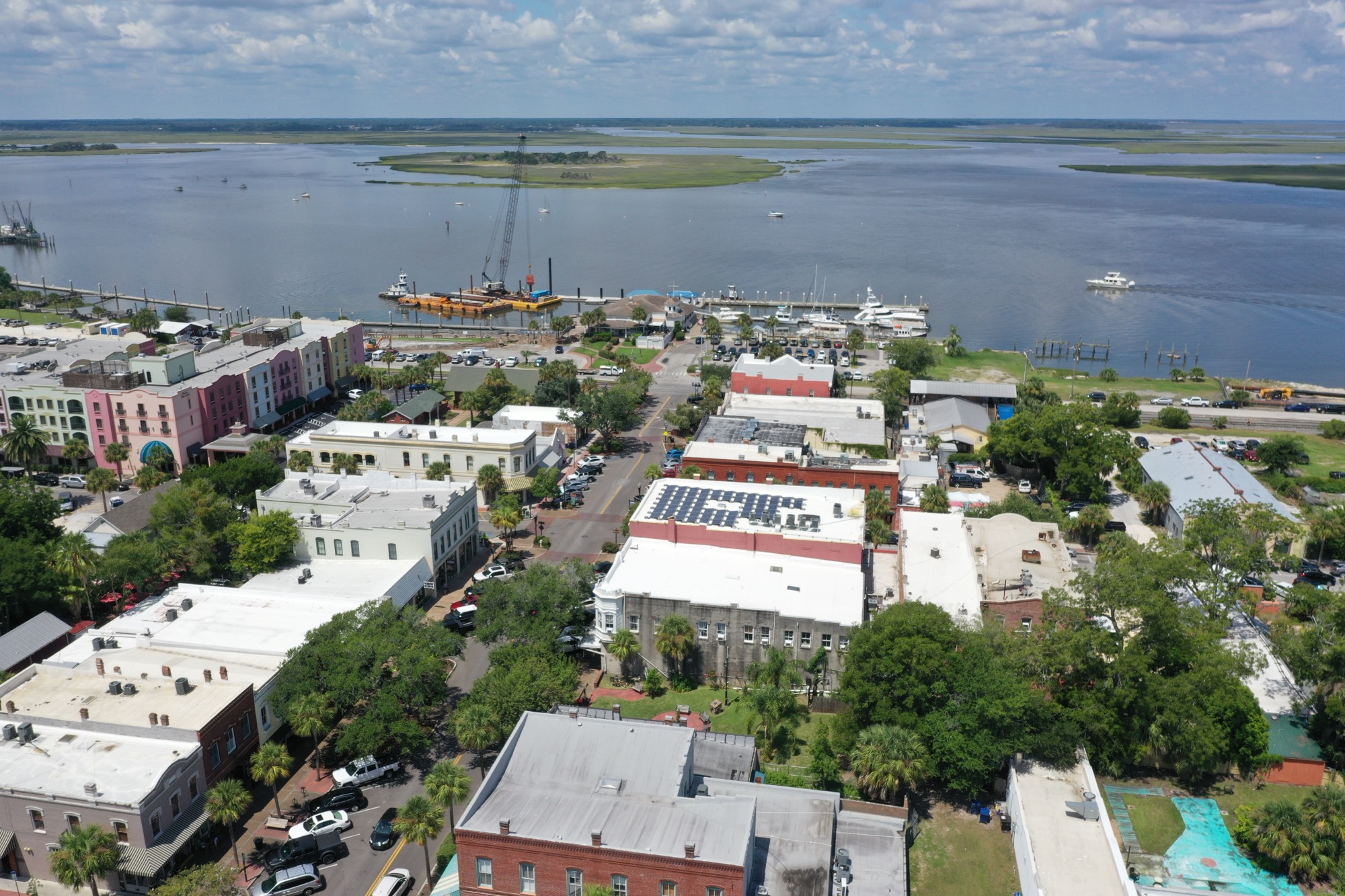
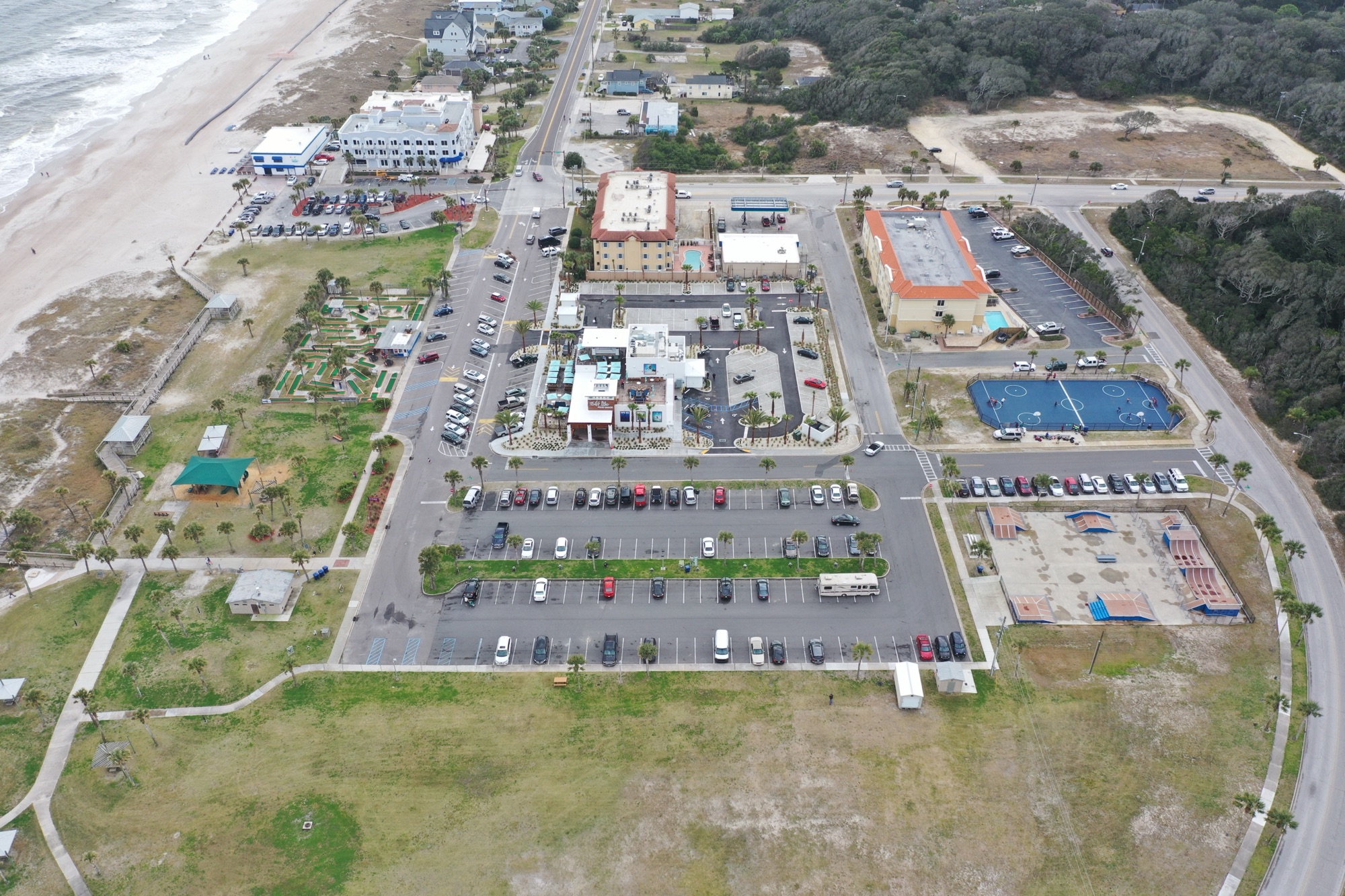
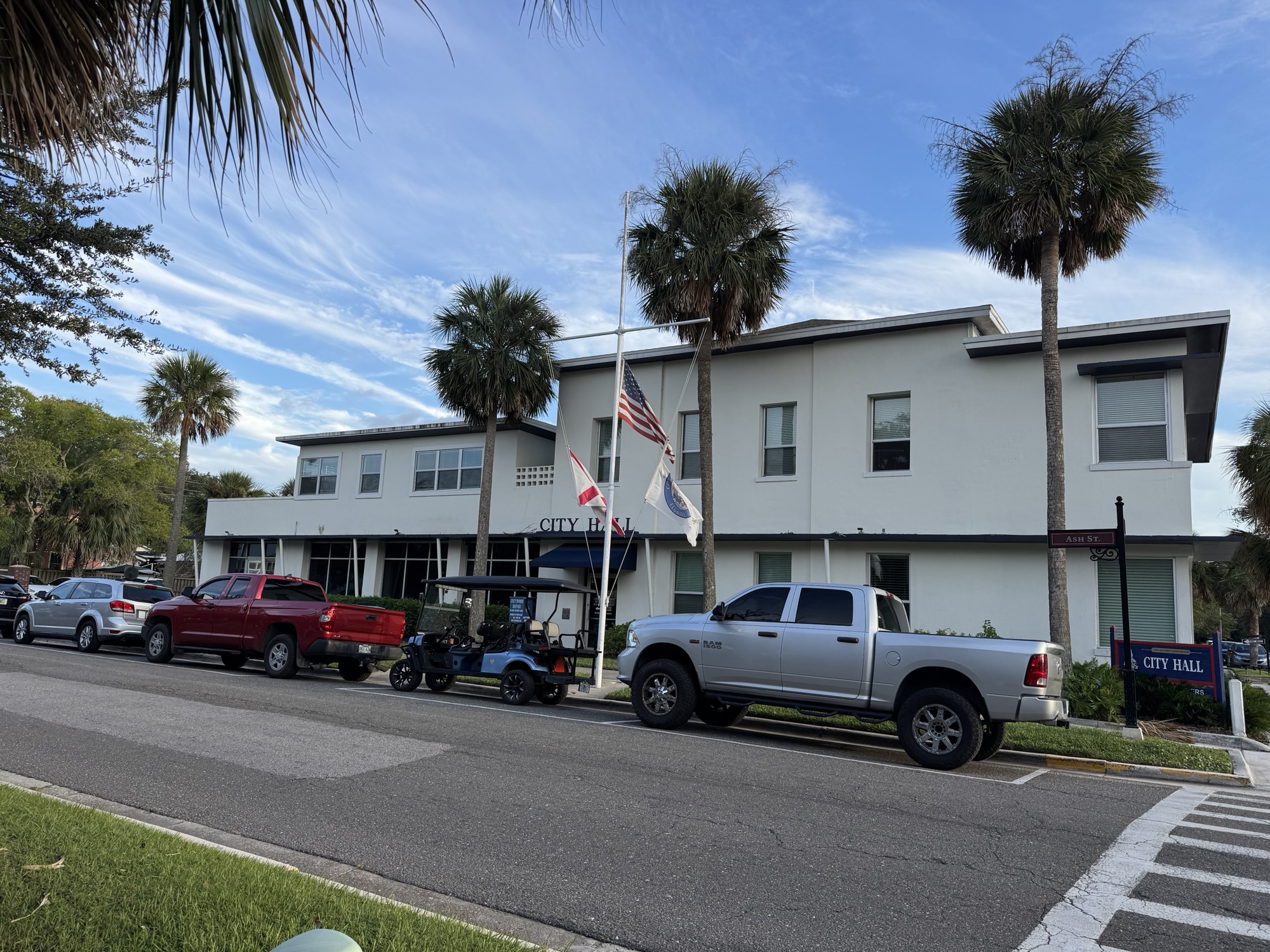
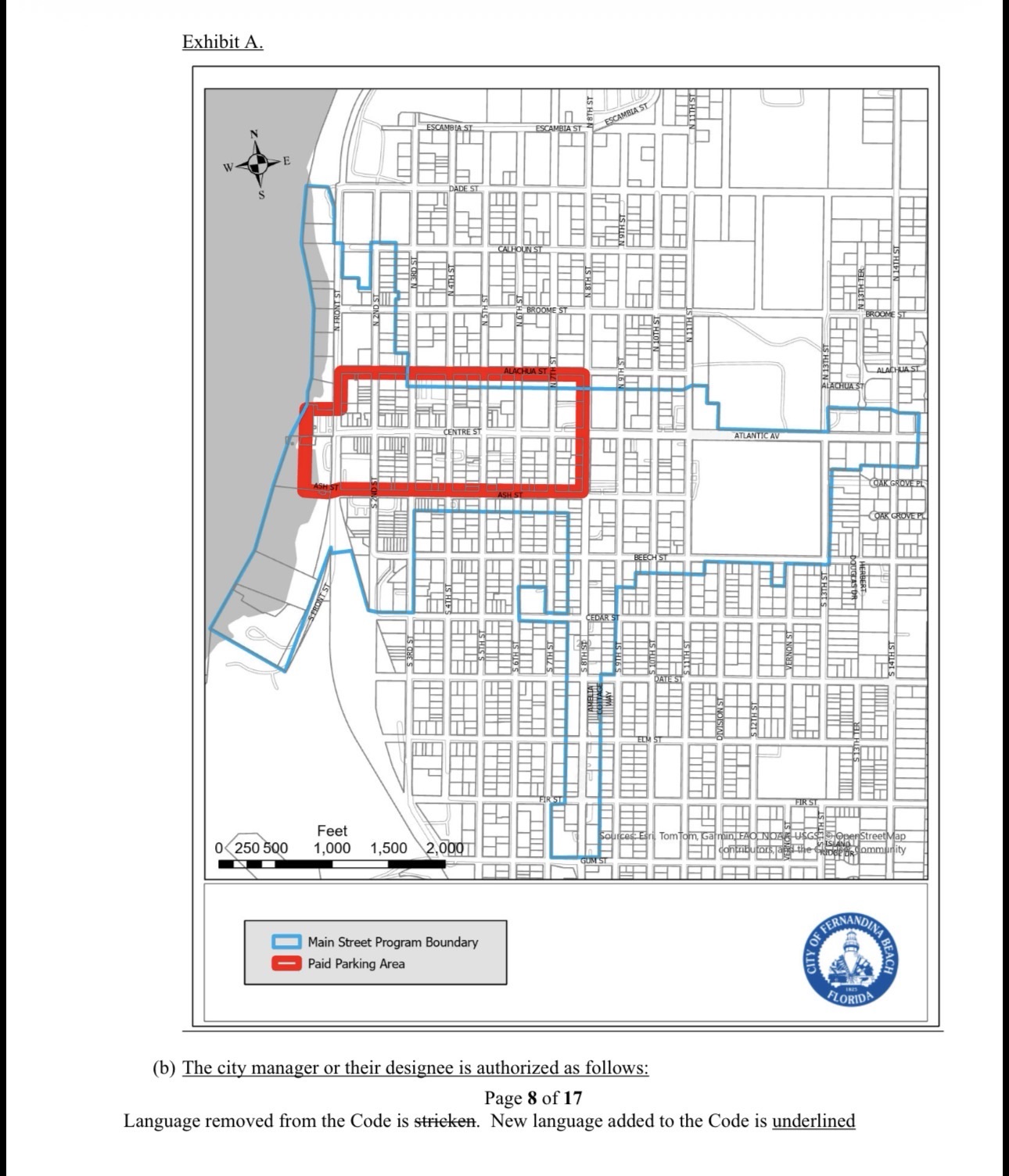
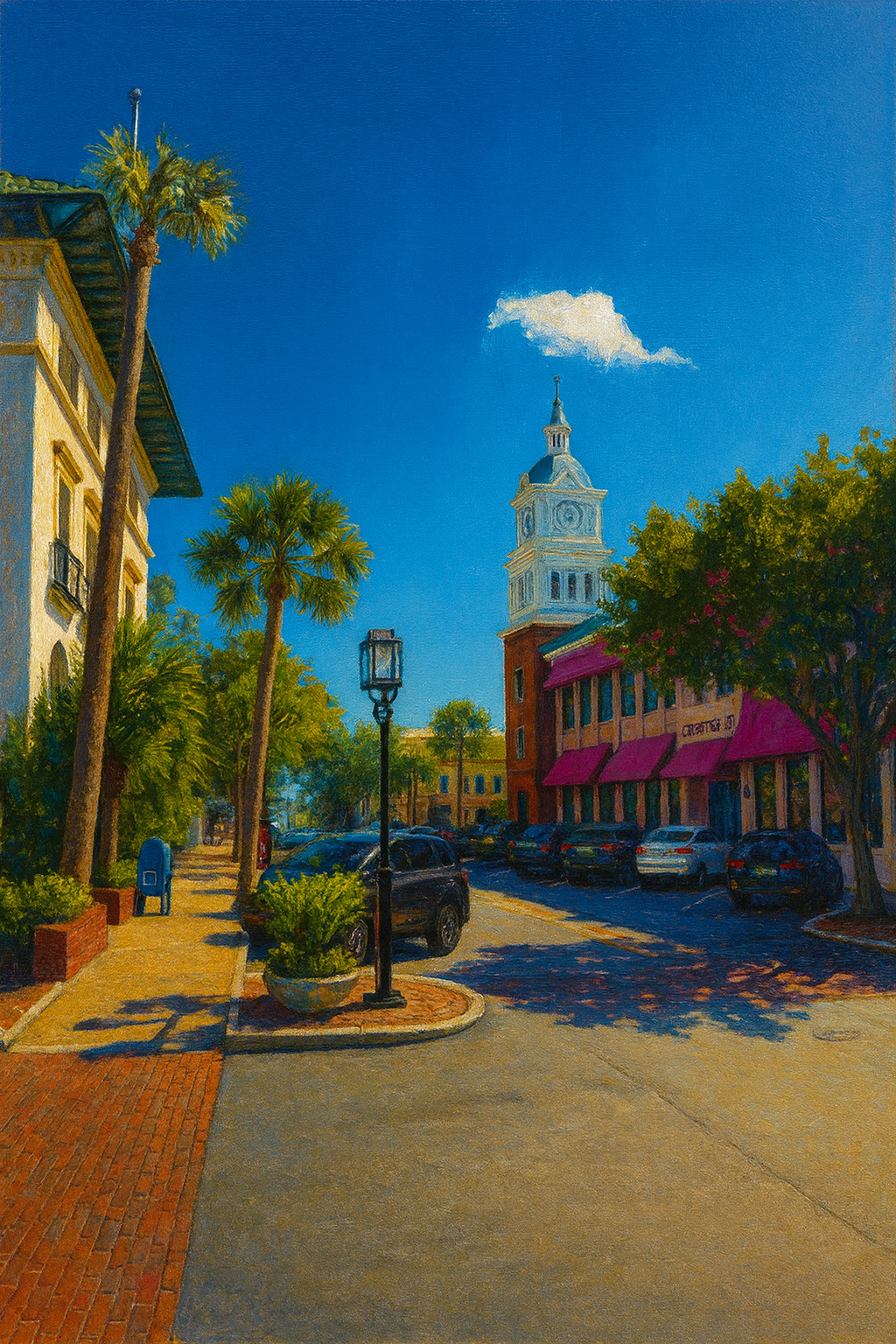
Downtown Fernandina Beach is moving forward with paid parking in 2026 despite fierce resident pushback. The city has already signed a vendor contract, and the program is projected to generate roughly $2 million a year. At the exact moment the island is showing signs of natural visitor resistance, layering on a new friction cost—$3–$4 an hour to park on Centre Street or at the marina—risks converting a soft ceiling into a hard crash.
Day-trippers from Jacksonville, St. Augustine, or South Georgia who currently think nothing of driving over for lunch and a walk through the shops may suddenly decide Tybee Island or St. Simons is easier (and free). Once the precedent is set downtown, the next logical step is paid parking at the public beach accesses—an outcome already being whispered about in county workshops. That single move could shave hundreds of thousands of visitors off the annual count overnight, collapsing the fragile occupancy assumptions that prop up the TDC’s $12 million budget. In a community where many residents already see tourism as a lopsided economic driver—great for a handful of property owners and seasonal businesses, punishing for everyone who needs affordable housing, quiet beaches, and drivable roads the rest of the year—accelerating a decline with paid parking feels less like management and more like self-sabotage.
Quality Over Quantity Is the Only Sustainable Path
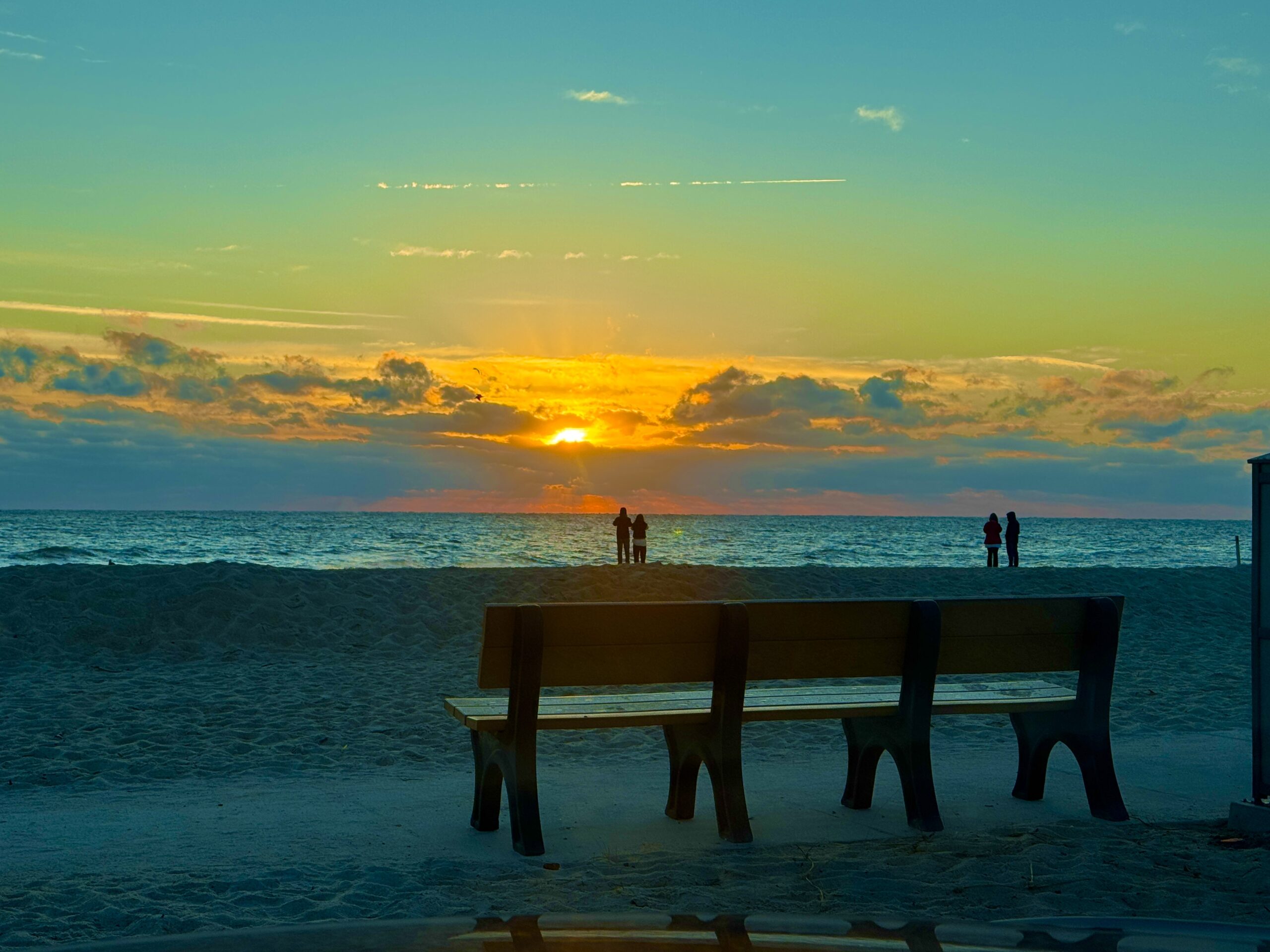
The island’s recent accolades—No. 2 on Travel + Leisure’s Best Islands in the Continental U.S. and top-10 recognition from Condé Nast Traveler—prove the product is still world-class. We don’t need more bodies; we need visitors who stay longer, spend more thoughtfully, and leave the island better than they found it. Redirecting even a portion of the TDC’s $5 million annual marketing war chest toward premium-experience development, environmental restoration, and off-season cultural programming would deliver higher per-visitor revenue without adding a single extra car to South Fletcher Avenue.
A Question the Island Can No Longer Avoid
Should we continue to promote tourism this aggressively when we plainly cannot accommodate another sustained round of 5–7% growth? Most year-round residents already experience tourism as a lopsided economic engine that inflates living costs while delivering mainly low-wage, seasonal jobs.
If paid parking spreads from downtown to the rest of the island, the contraction the TDC fears will arrive far faster than any national recession ever could. And when the very tools meant to “manage” visitors end up chasing them away, who will be left to pay the bills?
When, if not now, is enough enough?
This post was generated with assistance from Grok, an AI built by xAI, using publicly available data and local reporting.