





RYAM Bioethanol Project: The Facts, the Laws, and What’s Really Likely to Happen
Where Things Stand

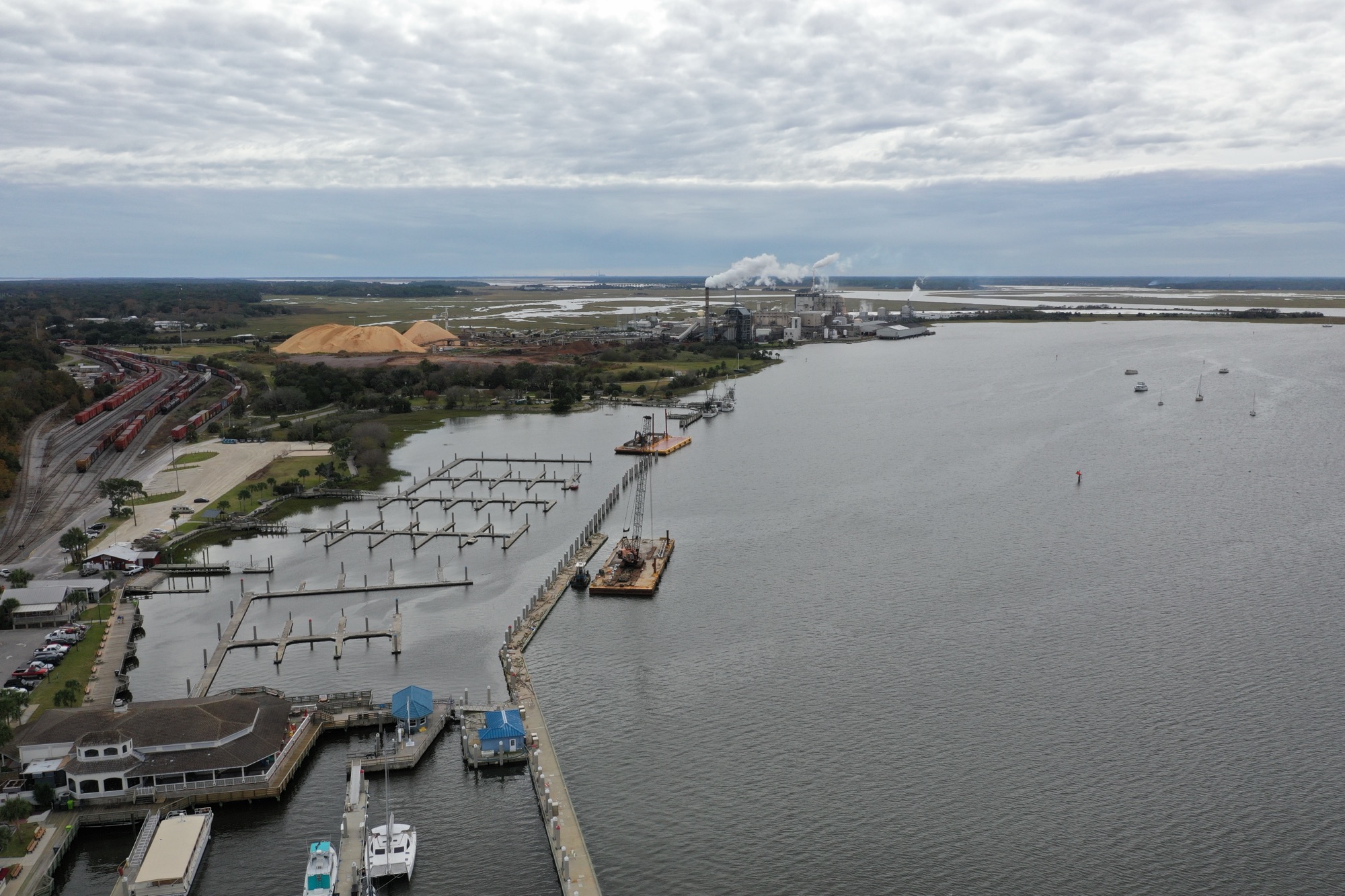
Fernandina Beach remains locked in a high-stakes fight with Rayonier Advanced Materials (RYAM) over its proposed bioethanol project on Gum Street.
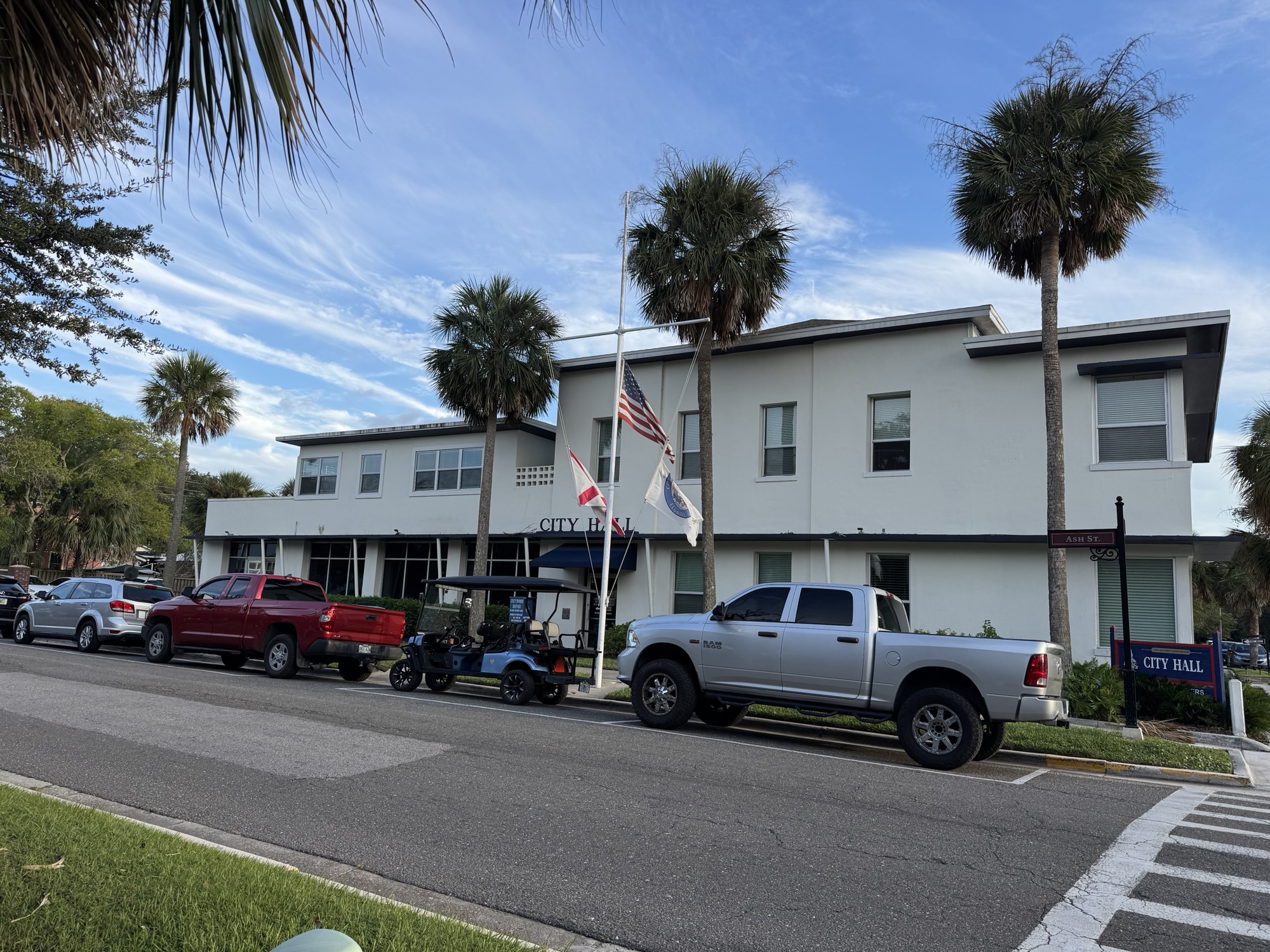
The City Commission voted to deny the project earlier this year, citing prohibitions in the city’s comprehensive plan against chemical or petroleum manufacturing. RYAM immediately filed a lawsuit and then raised the stakes with a $6.6 million damages claim against the city for alleged loss of value.
Meanwhile, a proposed Florida bill that would have redefined ethanol production so it couldn’t be classified as “chemical manufacturing” was introduced — and then quietly stripped of that clause after public backlash.
So for now, the project is stalled — but far from dead.
Fact-Checking the Key Claims
Here’s a grounded look at what’s true, what’s spin, and what’s still up in the air:
“The city won’t allow it — end of story.” Not so fast. The denial is under legal challenge. Local zoning rules can be overturned if a court finds the city misapplied them or failed procedural standards. “RYAM’s process isn’t chemical manufacturing.” That’s the heart of RYAM’s case. The company argues their ethanol line is a biological extension of their existing pulp operation — using leftover plant fibers and sugars already produced onsite. In their view, this isn’t a new chemical factory but an add-on process within the same industrial footprint. Essentially, they see it as a new phase of the mill’s evolution, not a new type of plant. “The legislature could make it legal anyway.” True. The 2025 bill that would have preempted local control nearly passed but had the ethanol language stripped at the last minute. Expect a revised version to reappear next session. “This will create 300 jobs and lower emissions.” Those are RYAM’s numbers, from their own promotional materials. Independent verification hasn’t been done yet, but the general idea — converting waste pulp into fuel — does align with industry trends toward carbon reduction. “This is a chemical bomb waiting to go off.” That’s fear talking, not fact. Ethanol plants have had isolated incidents nationally, but RYAM’s design hasn’t been shown to pose unusual risk. It’s about process safety and oversight, not inevitability.
What Happens Next
Five moving parts will determine whether this gets built:
Court rulings – RYAM’s lawsuit challenges the denial. If the court finds the city misapplied its code, it could order reconsideration or even direct approval. State legislation – Lawmakers could redefine “chemical manufacturing” next year, removing ethanol production from that category and undercutting local bans. City politics – A change in commission membership or leadership could reopen the door for negotiation or approval. Permitting – Even if zoning clears, RYAM still needs air, safety, and environmental permits. Those could slow or block construction. Financial pressure – The $6.6 million claim adds leverage. The city could settle or compromise to limit its exposure.
Three Realistic Scenarios
The first possible outcome is that RYAM wins cleanly. In this scenario, the courts or the Florida Legislature ultimately side with RYAM’s interpretation that ethanol production is not “chemical manufacturing.” The city’s denial would be overturned, or the law would be changed to remove local authority to block it. Construction could begin within two to four years, and the plant would move forward largely as RYAM envisions it. The odds of this full victory are relatively modest — about 20 to 25 percent — but it remains possible, especially if state lawmakers intervene or a favorable court ruling arrives early.
The second and most probable scenario is a compromise outcome. Here, the courts might remand the case back to the city, requiring reconsideration or clearer justification. That opens the door for negotiation rather than a full reversal. The city could agree to a scaled-back or more tightly regulated version of the ethanol line — possibly with new safety requirements, buffer zones, or environmental monitoring. RYAM would still achieve its main goal: extending its operations and producing bioethanol as part of its pulp process. This outcome reflects political reality — the city protects its face, RYAM gets its project, and both sides avoid years of expensive litigation. Estimated likelihood: 50 to 60 percent.
Finally, there’s the possibility that the city holds its line. In this scenario, the courts uphold the city’s denial, no new state law preempts local control, and RYAM’s plan is permanently blocked under existing zoning restrictions. RYAM might then pursue damages or pivot to a different type of facility or location outside city limits. It’s not the most likely outcome, but it’s still possible — roughly a 20 to 25 percent chance — especially if the courts take a strict view of municipal authority and defer to the city’s interpretation of its own comprehensive plan.
In short, the middle ground — a long, painful legal fight leading to a partial approval or negotiated settlement — is where the smart money sits today.
Timeline: Expect a Long Road
2025–26: Lawsuit and hearings continue. New state bill attempts possible. 2026–27: Court may remand or require reconsideration. Political makeup of commission could shift. 2028–29: If settled or approved, RYAM moves into permitting and design phase. 2030+: Possible construction and operation — if everything aligns.
This is a multi-year battle, not a near-term decision.
So, If Any of These Work in RYAM’s Favor — Do They Win?
Yes — and that’s the bottom line.
If RYAM wins on any one front — the courts, the state legislature, or city politics — they’re effectively back in play. Each victory reopens the gate.
Court win: The denial could be overturned or sent back for approval. State preemption: One line of law could override local zoning overnight. City change: A single election or re-interpretation could flip the vote.
Fernandina’s “no” holds only so long as all three stay aligned.
The Hard Truth
RYAM views this ethanol expansion as part of its ongoing mill operations — a cleaner, more efficient use of existing byproducts. The city, however, sees it as a fundamentally new industrial use violating zoning rules.
That disagreement — extension versus new endeavor — is what this entire fight turns on.
If the courts or legislature side with RYAM’s interpretation, Fernandina loses control of the outcome.
If they don’t, RYAM’s project dies in its current form.
But here’s the truth: RYAM doesn’t need to win everything. It just needs to win once.
AI-Assisted Research Disclosure: This analysis includes verified information from Fernandina Observer, JaxToday, Florida Phoenix, Wood Bioenergy Magazine, and RYAM public statements. It is not legal advice.