

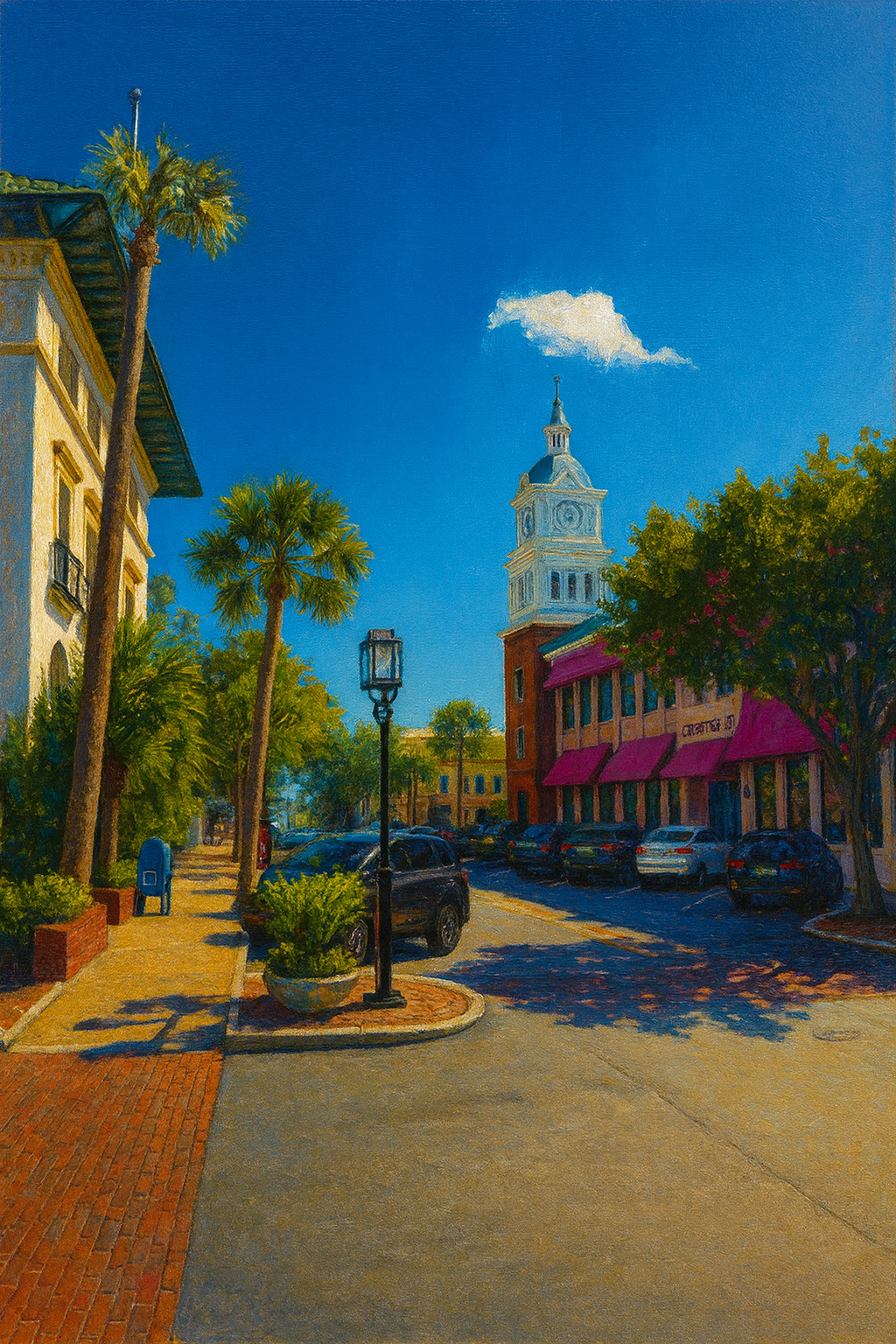
The Looming Parking Crisis in Fernandina Beach’s Historic District
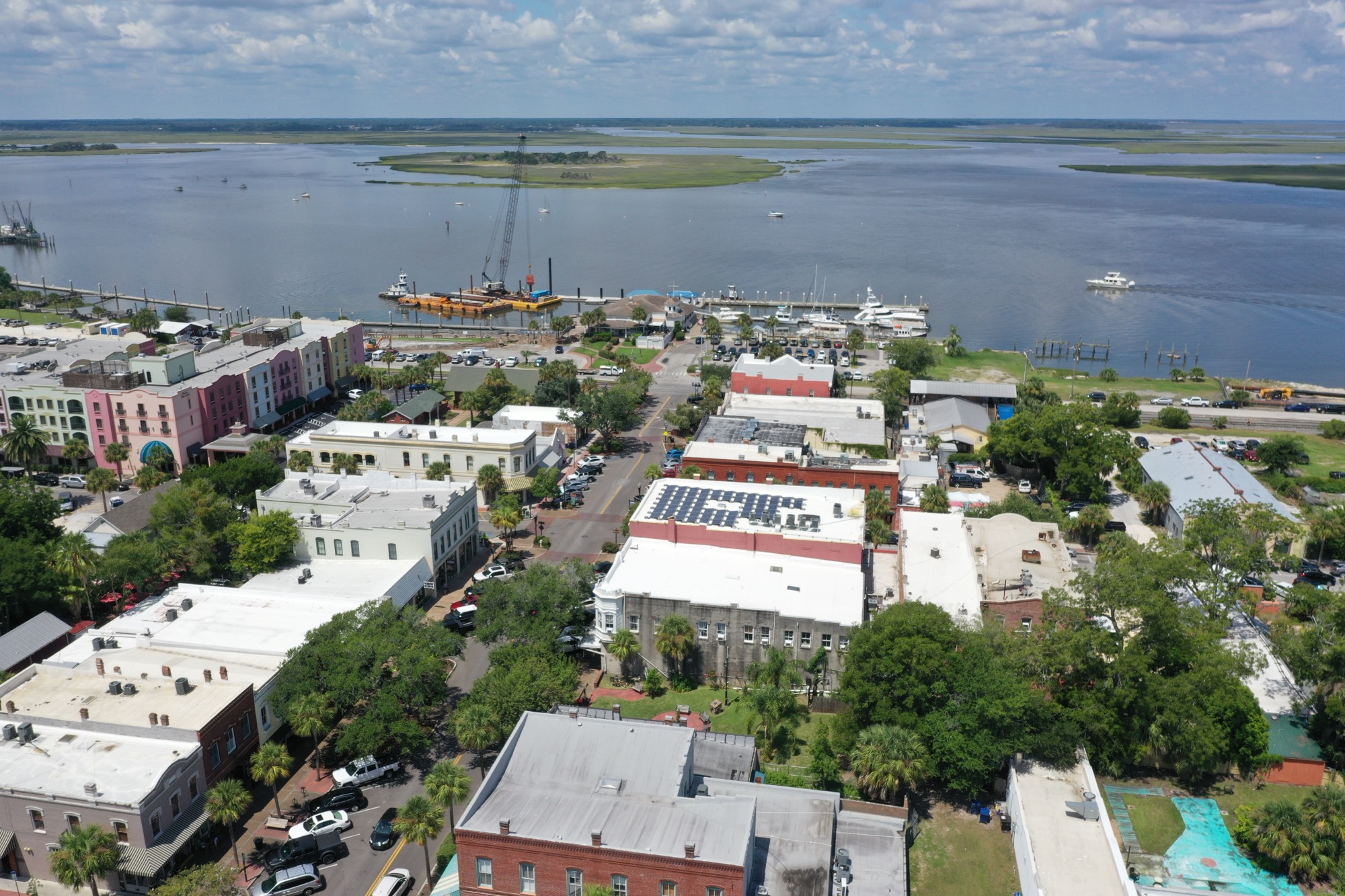
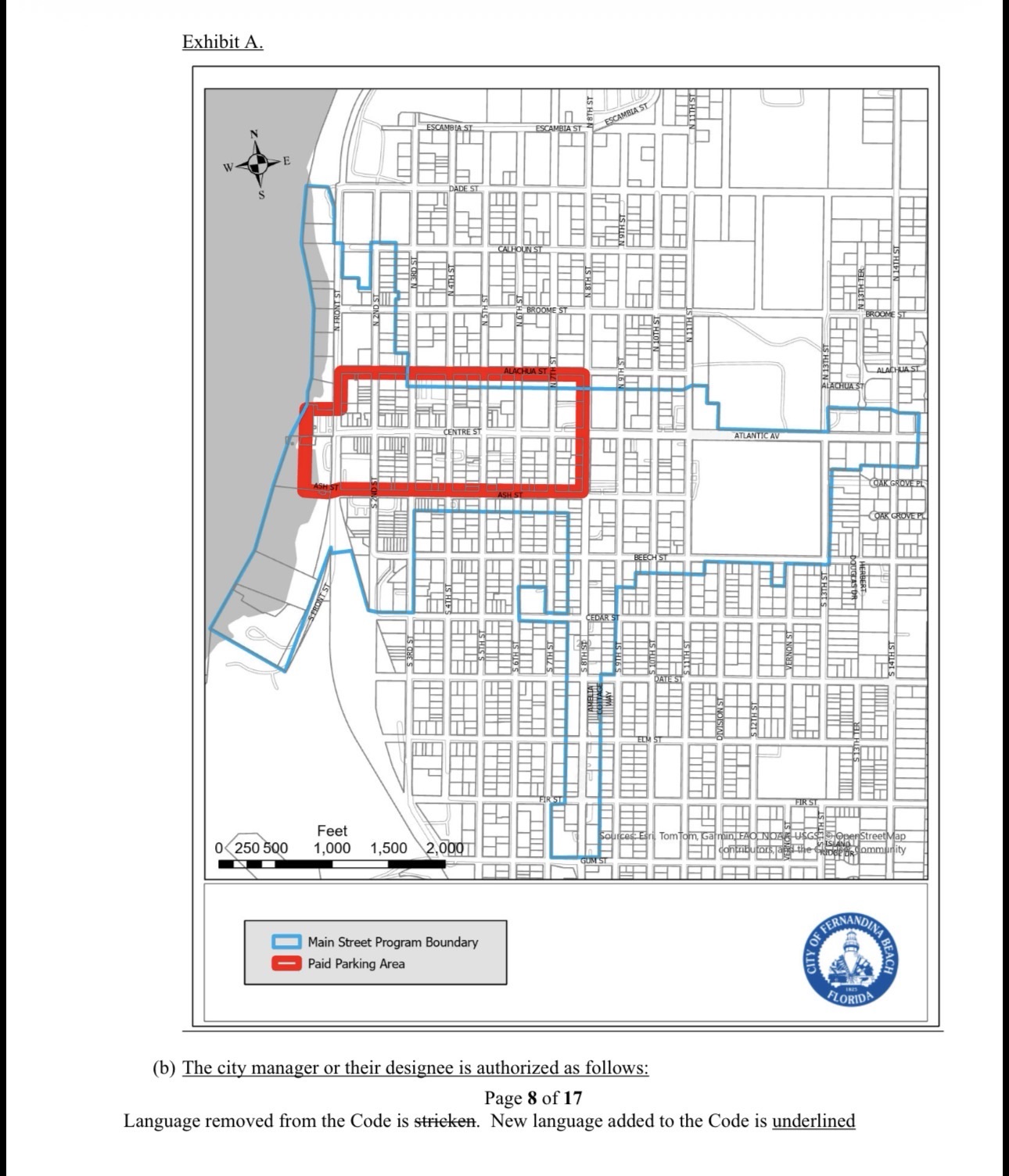
Fernandina Beach’s historic district thrives on its charm—no off-street parking required for restaurants and bars to keep the Victorian vibe intact. But this zero-parking policy is hitting a wall. With tourism booming and new venues popping up, demand for spots is skyrocketing, leading to overflows, congestion, and resident frustration. Recent proposals for paid parking have sparked backlash, with petitions and town halls highlighting fears it could hurt businesses without fixing the core issue. Upcoming projects will only worsen this, adding hundreds of seats without a single mandated space. Let’s break down the coming parking needs and why the system is unsustainable.
Upcoming Projects Fueling the Parking Crunch
Several developments in the works or recently opened will draw crowds, relying entirely on the district’s limited on-street and public spots. Using standard guidelines (1 space per 3-4 seats for restaurants, 1 per 4-5 for event venues), these could demand 290-392 extra spaces at peak times—none required onsite.
The Marina Restaurant Building: A Potential Crowd Magnet
The vacant historic brick building at 101 Centre St., once home to Marina Seafood Restaurant for over 50 years, sits primed for revival after a full interior renovation. No firm plans yet, but its prime corner spot screams large restaurant and bar, potentially seating 300 patrons including outdoor areas. If reopened this way, it could need 75-100 spaces during busy evenings. Without them, expect more circling cars on Front and Centre Streets, spilling into residential areas.
Tigre Island Room: Live Music Bringing the Masses
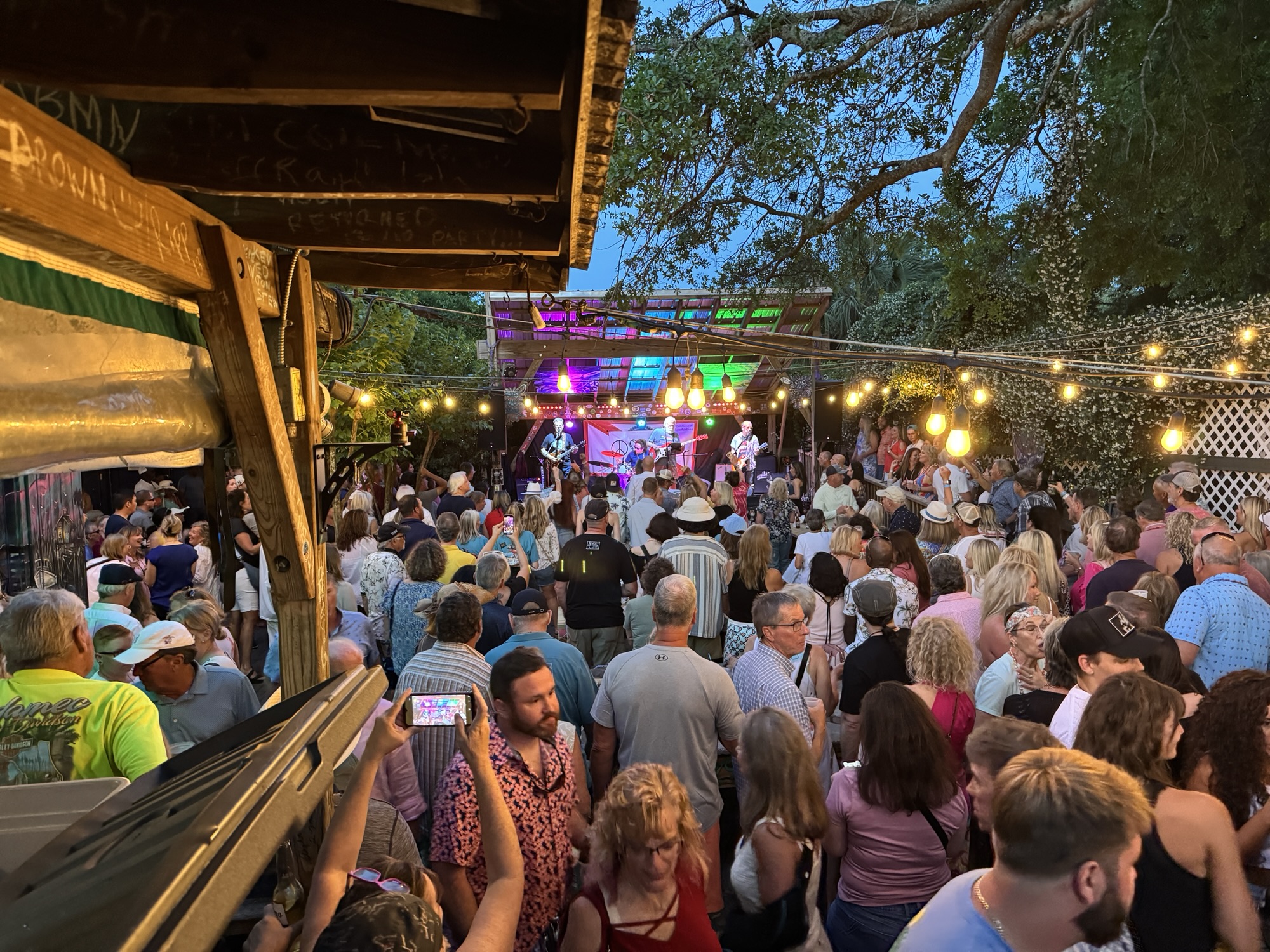
Set to open late summer 2025 at 10 N. 2nd St., this indoor concert hall—built in the former Pablo’s and Dog Star spaces—will host live shows and events, drawing regional fans with capacity for 300 including outside areas. As an event venue, it might require 60-75 spaces per show. Zero onsite means relying on downtown lots, which fill fast during nights out—amplifying shortages when concerts overlap with dining rushes.
The Pavilion: New Events, No New Parking
This open-air event space at 116 N. Second St. opened in spring 2025, hosting weddings, corporate gigs, and gatherings for up to 400 people including outside areas. Owners admit no parking provided; they suggest busing large groups. Still, it could demand 80-100 spaces per event. Early impacts are showing, with attendees competing for street spots and adding to weekend gridlock.
Atlantic Seafood: Uncertain Changes Ahead
At 10 S. Front St., this seafood staple seats about 100-150 and faces potential demolition for waterfront redevelopment, including a possible larger replacement. Funding delays stall progress, but if expanded, it might need 25-50 spaces. Even status quo contributes to the strain, as it’s a steady draw without onsite options.
Pocket Park Potential: Small Site, Big Draw
Amy and Austin’s Pocket Park at Second and Ash Streets has seen conceptual plans for enhancements, possibly including a small restaurant or cafe seating 200 including outdoors. No confirmed 2025 development, but if it happens, expect 50-67 more spaces needed. Its central location would pull casual visitors, intensifying daily demand.
Standard Marine Redevelopment: Boutique Hotel on the Horizon
The old Standard Marine building at the corner of Alachua and North Second streets, a long-vacant historic structure, is undergoing redevelopment into a boutique hotel with an accompanying café. Plans, which have been stalled for years but are now progressing, aim to preserve the building’s history while adding charm and southern hospitality features. The café could seat 50-100 patrons, potentially requiring 13-33 spaces, while the hotel rooms will attract overnight guests contributing to daily traffic. As part of broader downtown projects, this adds to parking pressures without mandated onsite spots, with local concerns already noting the need for more infrastructure.
Together, these could add demand for 303-425 spaces at peaks—far beyond what’s available, turning evenings into a hunt for spots.
The Slow Train Wreck: Liquor Laws and Venue Boom
Florida’s liquor license requirements for special food service establishments (SFS or 4COP-SFS licenses), which allow restaurants to sell full liquor alongside meals, were amended in 2023 through House Bill 639 (companion to Senate Bill 1262), enacted as Chapter 2023-65, Laws of Florida. The changes became effective on July 1, 2023, lowering the thresholds from a minimum of 2,500 square feet of service area and capacity for 150 persons to 2,000 square feet and 120 seats, while still mandating at least 51% of revenue from food sales. This statewide amendment applies to all counties in Florida, including Nassau County where Fernandina Beach is located, with no county-specific exemptions. Paired with zero parking mandates, this has sparked a surge in alcohol-focused spots, drawing nightlife crowds that overwhelm streets. More venues mean more traffic, but no planning for it—leading to the current mess of illegal parking and resident complaints. It’s a gradual buildup to crisis, as each new spot erodes the district’s walkability.
The Competitive Squeeze: Fixed Patrons and Shifting Crowds
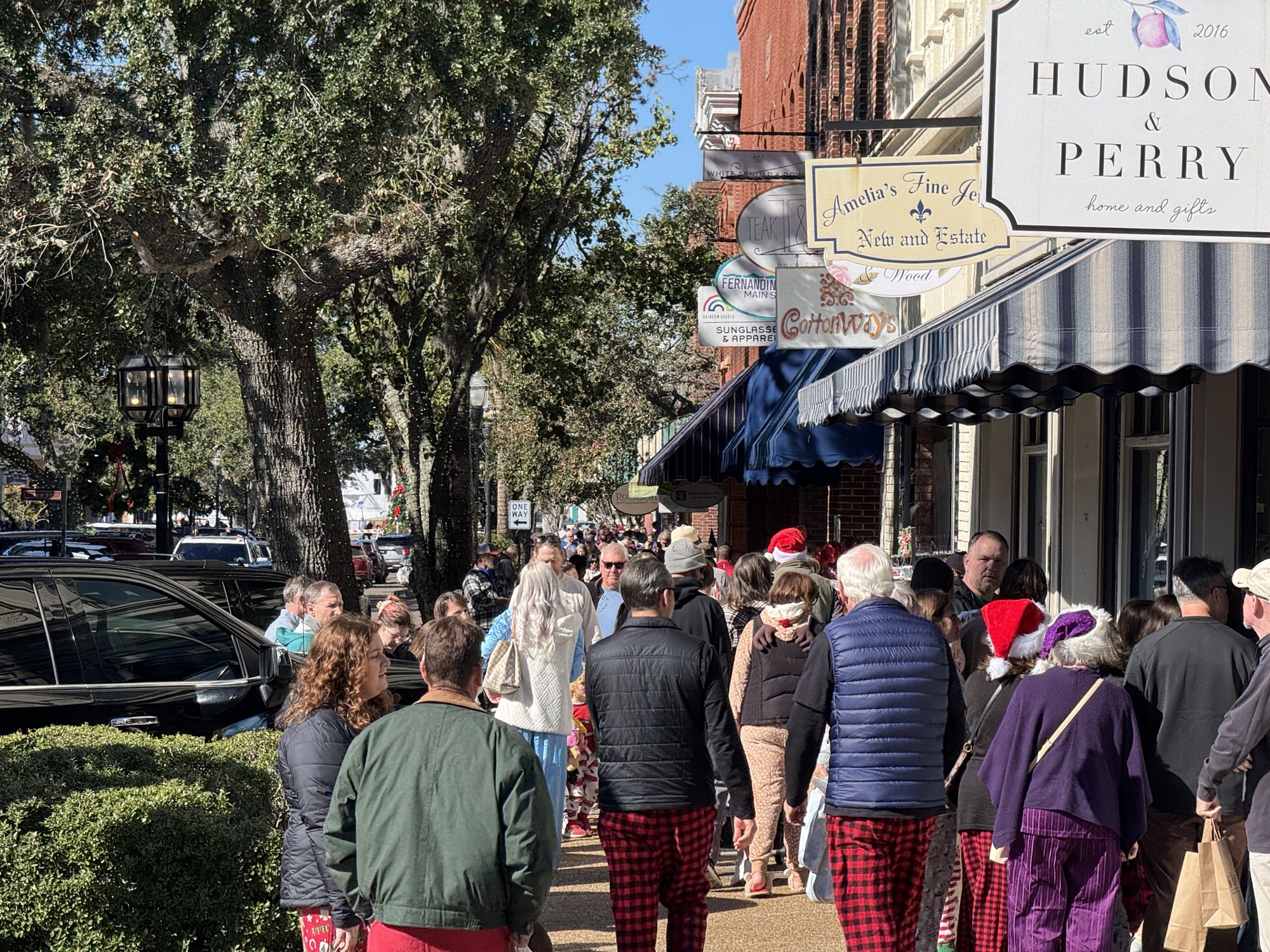
Limited parking in the historic district essentially caps the number of visitors who can access downtown at any given time, forcing all businesses—new and old—to compete fiercely for the same fixed pool of patrons. Adding more venues doesn’t grow the overall customer base; it just divides it thinner. This heightened competition means weaker or less appealing establishments are likely to fail, as they struggle to attract enough foot traffic amid the scramble for limited arrivals. While this Darwinian dynamic could weed out underperformers and elevate quality, it also shifts the crowd demographics: locals, frustrated by the parking hassle and congestion, increasingly opt out, making downtown more tourist-dominated each year. Tourists, often on vacation and more tolerant of inconveniences (or arriving via shuttles and tours), fill the void, boosting revenue but eroding the local flavor that makes Fernandina special. Residents have voiced concerns that this prioritizes out-of-towners over community needs, potentially turning the district into a seasonal hotspot rather than a year-round local hub.
Off-Island Growth Amplifying Traffic Woes
Rapid development off Amelia Island, particularly in nearby Yulee and western Nassau County, is pouring more traffic onto the island’s roads and into Fernandina Beach’s historic district. Yulee, identified as the fastest-growing area in Nassau County, has seen a boom in new subdivisions, commercial projects, and infrastructure like roadway networks funded by grants, drawing residents and commuters who frequently head to the island for work, shopping, or leisure. This growth exacerbates congestion on key routes like SR 200/A1A, the main artery connecting Yulee to Fernandina via bridges, leading to frequent backups and increased vehicle volume spilling into downtown. The effect on parking is profound: more off-island visitors compete for the limited spots, intensifying shortages during peak hours and events, while also boosting overall traffic that clogs streets, raises pollution, and strains the district’s pedestrian-friendly vibe. Without coordinated regional planning, such as improved public transit or bridge expansions, this influx risks overwhelming Fernandina’s infrastructure, turning what should be a charming escape into a frustrating bottleneck.
