









Motorcycle Restrictions in Subdivisions: Outdated Rules That Shrink the Buyer Pool
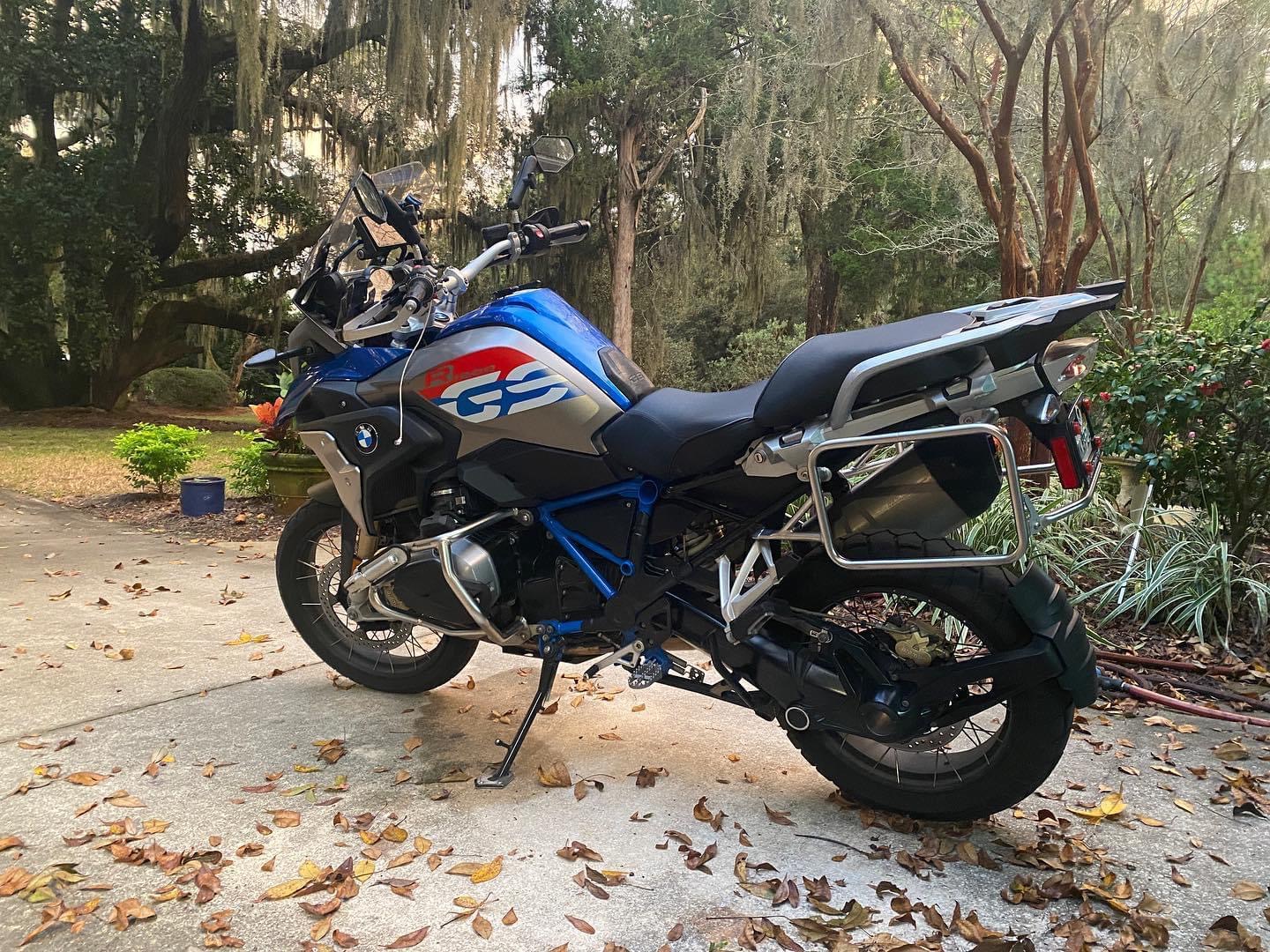
I looked at a property today in a well-kept subdivision and really liked it. Nice layout, good location, solid condition — the kind of place my wife and I could see ourselves enjoying. Then I got into the HOA documents and architectural guidelines and found the familiar language: no motorcycles, mini-bikes, or mopeds permitted on lots or common areas.

Rather than buy into a situation where I’d have to fight an
association over something I enjoy doing, I passed. I don’t want to give up riding. It was that simple. One restriction eliminated what was otherwise a perfectly lovely listing from consideration.
This isn’t an isolated case. Many subdivisions still carry these blanket prohibitions in their original covenants, some written decades ago. The problem is that a lot of these rules haven’t kept up with reality — or with current Florida law.
When the internal roadways in a subdivision have been dedicated as public streets to the county or municipality, the HOA’s ability to control what legal vehicles people actually ride on those streets is limited. Associations can reasonably regulate parking and storage on private lots and in common areas they maintain. They cannot, however, override state and local traffic laws on public roads or broadly ban the everyday use of motorcycles and scooters that are properly licensed and operated.
Recent changes in Florida law, particularly HB 1203 from 2024, have already pushed back on overly restrictive vehicle rules. The statute now provides, in relevant part:
“…the homeowners’ association documents, including declarations of covenants, articles of incorporation, or bylaws, may not prohibit… a property owner or a tenant, a guest, or an invitee of the property owner from parking his or her personal vehicle, including a pickup truck, in the property owner’s driveway, or in any other area at which the property owner or the property owner’s tenant, guest, or invitee has a right to park as governed by state, county, and municipal regulations.”
It would seem logical to assume this protection for personal vehicles would apply to motorcycles and scooters as well when they are used as everyday transportation. These aren’t recreational toys for everyone; for many buyers they’re a practical, fuel-efficient choice, especially with today’s costs.
The real-world impact shows up in the market. Every time a buyer who rides — or who simply doesn’t want the hassle of potential future disputes — walks away from an otherwise good home, the pool of qualified purchasers gets smaller. Properties with these outdated restrictions can take longer to sell and sometimes attract fewer competitive offers. In a balanced or shifting market, that matters.
I understand why some associations originally put these rules in place. Noise concerns, aesthetics, and a desire to maintain a certain neighborhood character are legitimate goals. But a flat prohibition written years ago doesn’t always reflect how people actually live and get around today. Many riders are responsible homeowners who maintain their bikes, follow the law, and contribute positively to their communities. Treating every motorcycle or scooter as a problem excludes good buyers without necessarily solving the issues the rule was meant to address.
As both a buyer and a broker, I’d rather see HOAs focus on clear, reasonable, and enforceable standards — things like proper storage, noise after certain hours, or safety — instead of broad, outdated bans that shrink the market. When roads are public, the association’s leverage is already narrower than many people assume.
Even some large, gated, exclusive communities that have long tried to maintain strict “no trucks, no motorcycles” type rules across the board may find themselves impacted as buyers and owners test the boundaries of the new law. I wonder how that’s going to play out in practice. Personally, I don’t want to be part of a fight just to prove a point — but I’m sure someone will. Interesting times ahead.
Buyers should read the full governing documents carefully and ask about actual enforcement history. Boards might want to review older covenants against current law and today’s buyer expectations. I moved on from the property I saw today without a second thought. There are other homes out there. But it’s a reminder that rules written for a different era can quietly cost sellers serious buyers — and cost buyers homes they would otherwise have loved.
This is my personal opinion based on my experience as a real estate professional and observations of the market. I am not an attorney, and this is not legal advice. Florida law, including recent changes affecting homeowners associations, can be complex and fact-specific. Consult a qualified Florida attorney for advice regarding any specific covenants, restrictions, or your individual situation.
This post was prepared with AI assistance for research, fact-checking, and initial drafting.