




Opinion: A Practical Alternative for Fernandina Beach City Hall — Exploring the Atlantic Avenue School Board Property
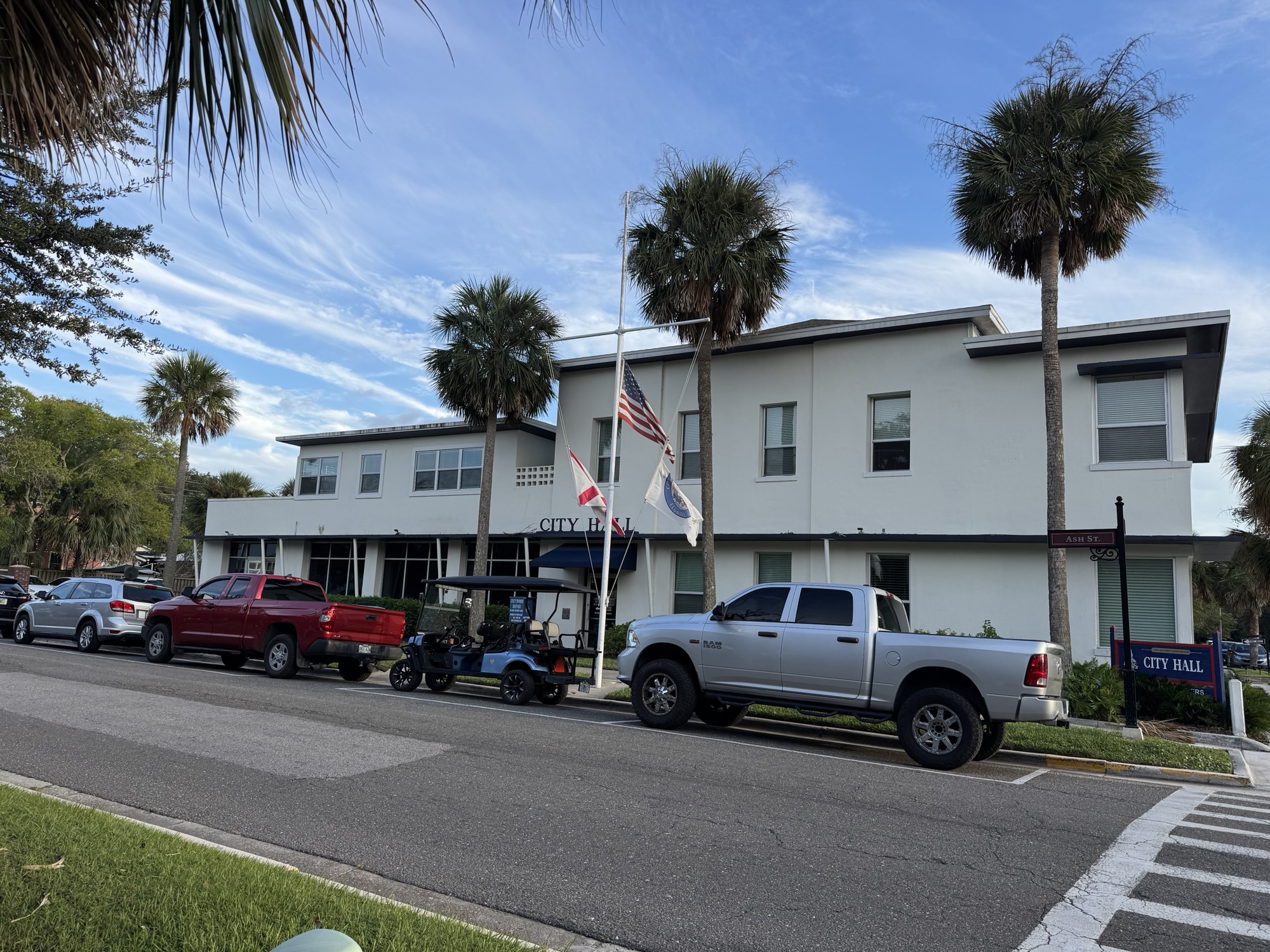
As Fernandina Beach considers spending roughly $2.1 million to purchase a small 0.39-acre warehouse parcel downtown for a potential new City Hall, it is reasonable to ask whether a more practical and financially responsible option already exists nearby.
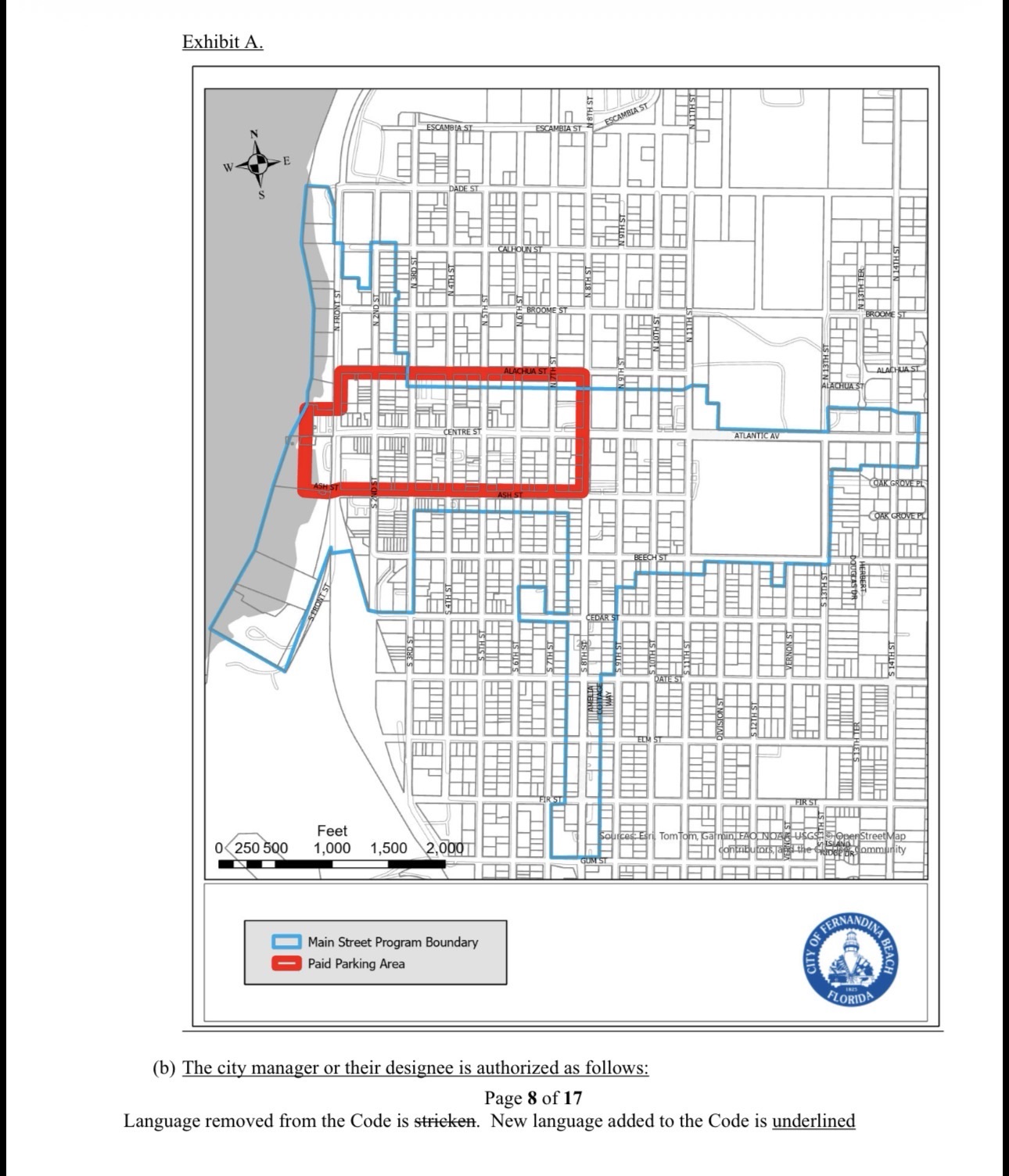
Directly across from Central Park sits the Nassau County School District administrative campus at 1201 Atlantic Avenue. The property occupies several blocks along Atlantic Avenue. Rather than attempting to relocate city government onto a constrained parcel in the historic downtown core, the City could explore acquiring a portion of this campus — specifically the block fronting Atlantic Avenue and North 13th Street, as illustrated in the map.

This concept would not require the City to acquire the entire campus. It would involve exploring whether the eastern section of the property along Atlantic Avenue could be subdivided or otherwise made available through a cooperative agreement with the School Board.
Several practical advantages come with this approach.
A Central Location With Better Road Access
Atlantic Avenue is one of Fernandina Beach’s primary east–west corridors. A City Hall located along this route would be easily accessible from both the island and the mainland, with direct connections to major north–south roads such as 14th Street and South 8th Street.
The block with frontage on Atlantic and North 13th Streets offers road frontage, allowing for efficient traffic flow and easier access for public meetings and daily government services. Unlike the narrow streets and constrained parking typical of the historic downtown grid, this location offers room to plan circulation properly from the start.
Significantly More Land to Work With
The downtown parcel currently under consideration measures less than half an acre. By comparison, even a single block of the School Board campus provides several acres of developable land.
That additional space allows for adequate public parking, stormwater management, building expansion, and flexible site design. It would also allow the city to build a facility designed for long-term civic use rather than trying to fit a modern municipal complex into a severely limited parcel.
Potential for Major Cost Savings
The financial implications may be the most important factor.
Constructing a major public building in the historic district typically carries higher costs due to architectural compatibility requirements, constrained construction access, and limited space for parking and utilities. Projects in historic areas often require additional design review and specialized construction approaches.
A site outside the historic district provides greater design flexibility, simpler construction logistics, and the ability to use standard surface parking instead of expensive structured solutions.
These factors can translate into substantial savings for taxpayers. When land acquisition, demolition, parking, and construction costs are considered together, choosing a larger and more flexible site could reduce the total project cost significantly.
Additional Financial Flexibility Through Existing City Property
If a new City Hall were constructed on Atlantic Avenue, the City would gain additional financial options with its current downtown City Hall property.
The existing City Hall site occupies valuable downtown real estate. The City could choose to sell the property, generating revenue that could offset construction costs for a new facility. Alternatively, the building could be demolished and converted into badly needed public parking, which remains one of the most persistent challenges in the downtown district.
Either option would provide tangible value to the city while helping reduce the overall cost of relocating municipal offices.
Flood Resilience and Long-Term Planning
Properties closer to the waterfront and historic downtown area can require additional elevation and flood resilience planning due to FEMA floodplain considerations and the city’s own sea-level resilience policies.
An inland site such as the Atlantic Avenue campus offers greater flexibility for grading, drainage, and resilient infrastructure. Planning a municipal building on a larger site also allows engineers to design stormwater systems and elevation strategies more efficiently.
A Logical Opportunity for Government Cooperation
City government and the Nassau County School Board ultimately serve the same residents and taxpayers. Exploring whether a portion of the Atlantic Avenue campus could be shared, purchased, or leased could represent a practical example of intergovernmental cooperation.
Government entities frequently work together on land use solutions when doing so improves efficiency and reduces costs.
A Conversation Worth Having
None of this requires an immediate decision. It simply suggests that before the City commits to purchasing a constrained downtown parcel, officials should examine whether a larger, more flexible site already exists within the city.
A joint workshop between the Fernandina Beach City Commission and the Nassau County School Board could determine whether the eastern Atlantic Avenue and North 13th Street proposed site is a viable option.
Good planning requires evaluating alternatives. A City Hall located along Atlantic Avenue could provide better access, more room to grow, improved resilience, and potentially significant savings for Fernandina Beach taxpayers.