

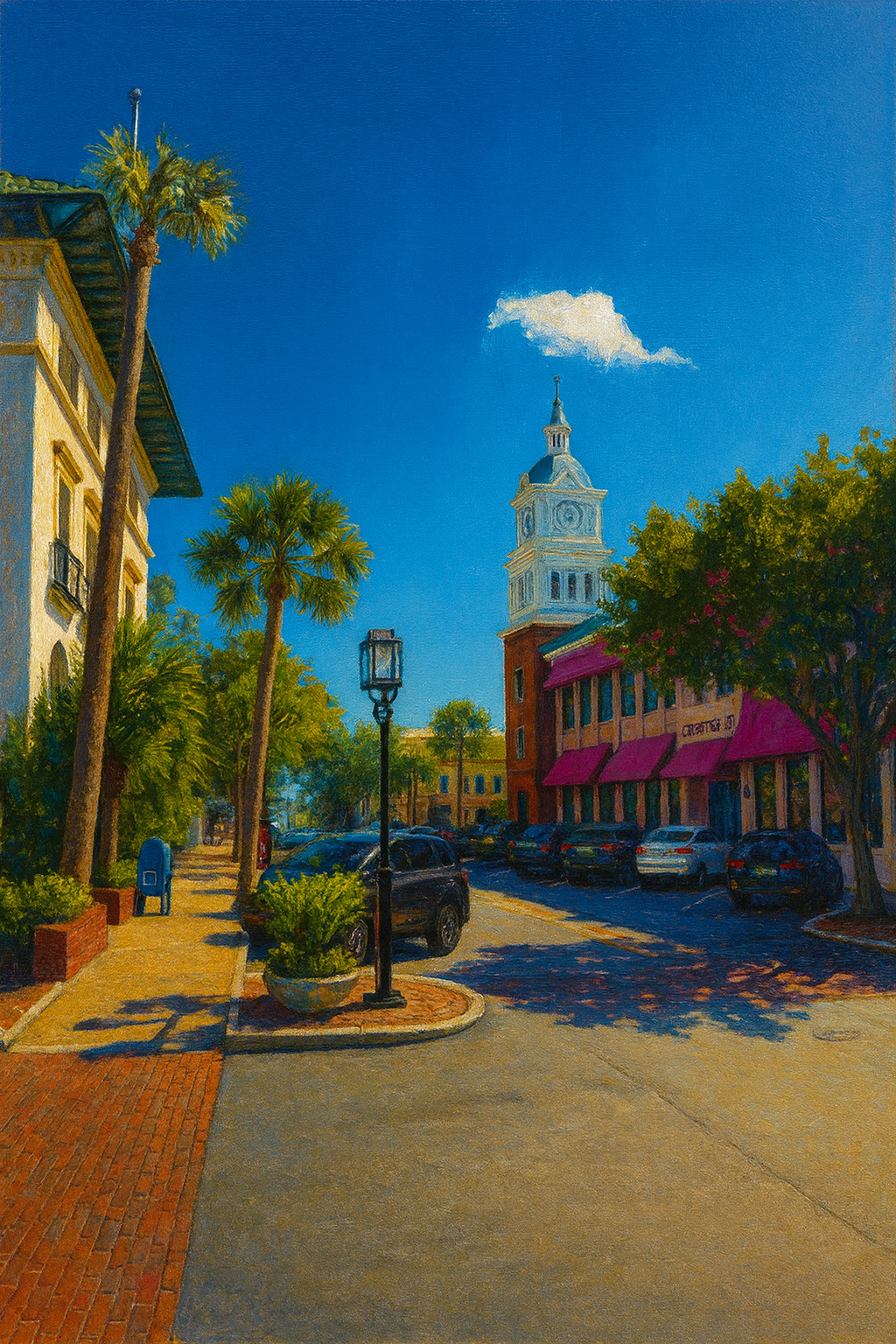
Changes and Not Quite What the Commission Discussed: Fernandina Beach’s Paid Parking Plan
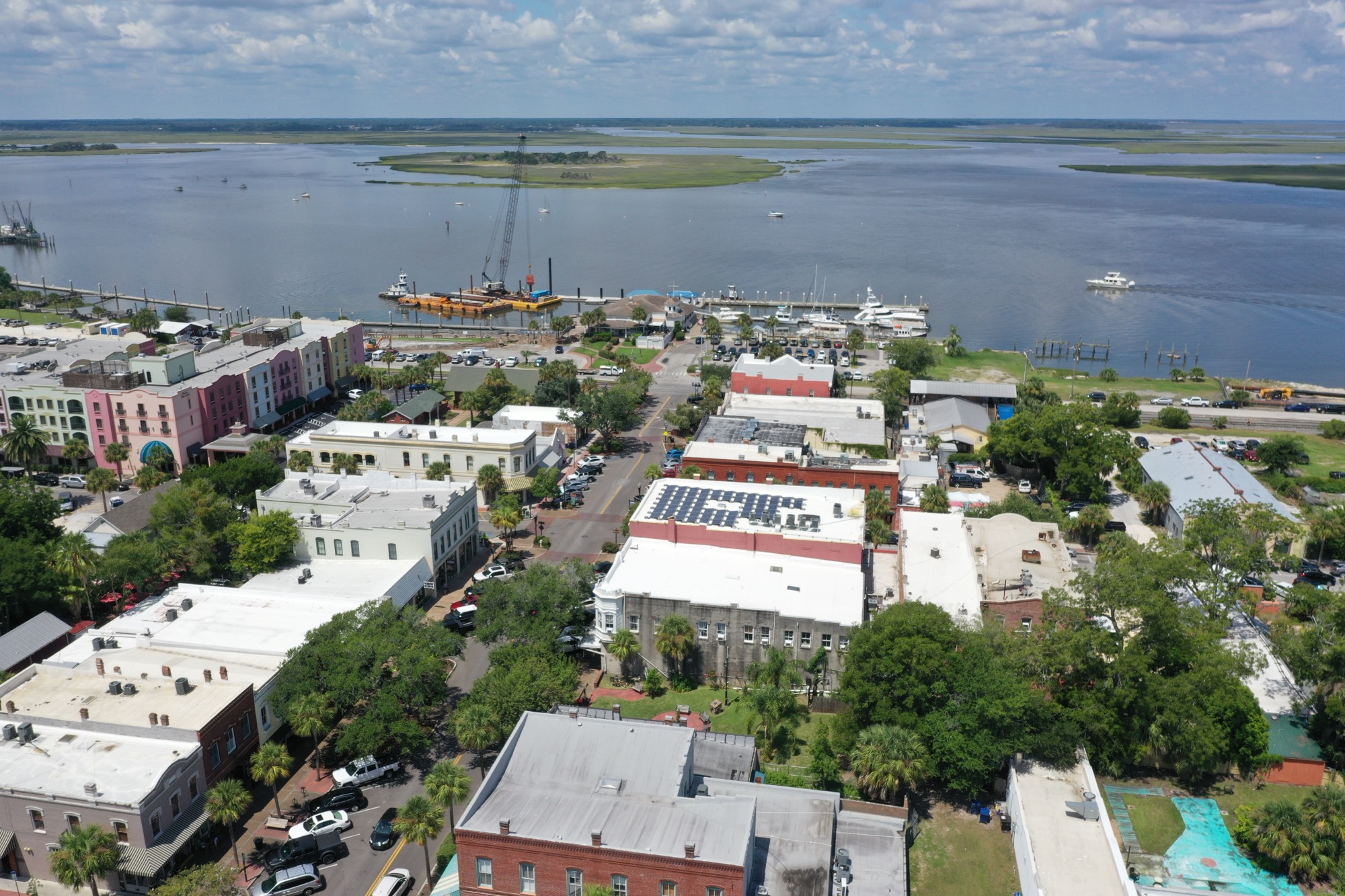
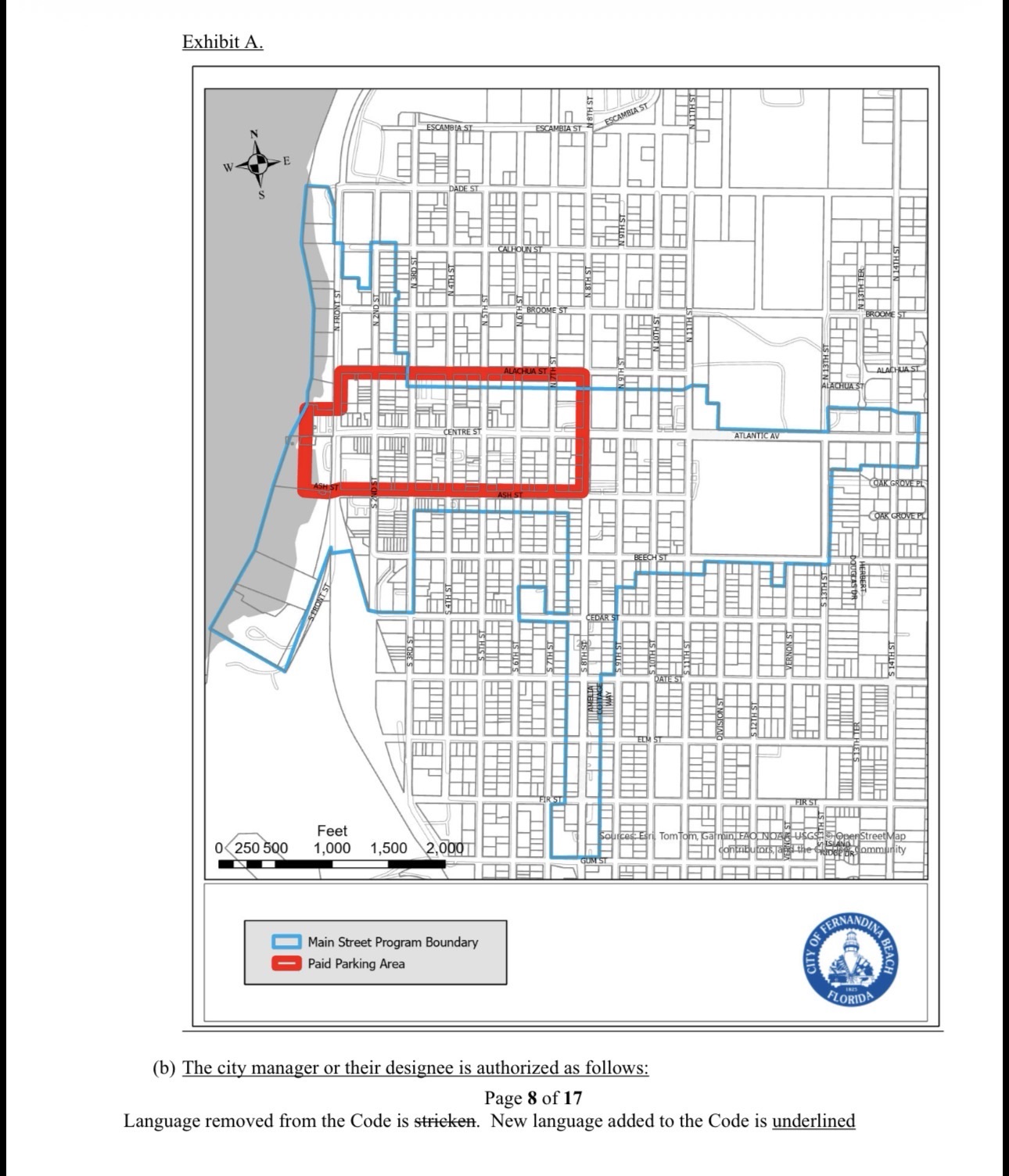
On August 19, 2025, the Fernandina Beach City Commission voted 4-1 to select One Parking, Inc. as the vendor for a paid parking program in the downtown area, covering about 750 spaces in the historic district (bounded by Ash, Alachua, Front, and Eighth Streets, plus Marina Lots A and B). The goal is to raise $1.5 million to $2.5 million annually, mostly from tourists, to fund projects like seawall repairs. Vice Mayor Darron Ayscue voted no, calling for a public referendum instead. With a petition gaining over 650 signatures to put paid parking on the November 2026 ballot, the rush to approve this plan is raising eyebrows—especially since One Parking’s proposal doesn’t fully match what the commission discussed earlier. Here’s a breakdown of the key differences in rates and hours, and why the hurry is puzzling when a voter decision looms.
Rates: Promised $1/Hour vs. Flexible Rates in the Proposal

What the Commission Discussed: Back in June and July 2025, the commission pitched a $1 per hour rate with a $10 daily maximum as an affordable way to generate revenue from visitors. A June 17 workshop and First Coast News coverage confirmed this, noting the city was “considering a $1 per hour rate with a $10 daily max” to bring in up to $2 million a year. A July 22 Facebook post from the “Fernandina Beach Residents” group echoed this, citing the “proposed $1.00 per hour with a $10.00 max” as the commission’s plan. The $1/hour rate was presented as a resident-friendly approach to fund infrastructure without taxing locals.
One Parking’s Proposal: One Parking’s RFP response, submitted June 5, 2025, doesn’t lock in the $1/hour rate. Instead, it suggests working with the city to “create a rate structure” for a “financially healthy” program, implying flexibility to raise rates (e.g., $2-3/hour, as other vendors like SP+ proposed). Their $1.8 million+ net profit estimate aligns with $1/hour for ~750 spaces at 70% occupancy, but the open-ended language leaves room for increases post-contract. They also propose free digital permits for residents, scrapping the commission’s earlier idea of $100 annual permits (which could have added ~$350,000 in revenue from ~3,500 locals).
The Difference: The commission sold $1/hour as a fixed, affordable rate to ease public concerns, but One Parking’s plan allows for higher rates if needed to hit revenue goals. While free permits for locals match the commission’s goal of protecting taxpayers, they reduce potential revenue compared to the $100 permit plan, shifting all income to tourists and citations. This flexibility could lead to rates creeping up, which residents might see as a bait-and-switch.
Hours: 10 A.M.–8 P.M. vs. 8 A.M.–10 P.M. Enforcement
What the Commission Discussed: In the June 17, 2025, workshop, the commission discussed enforcement from 10 a.m. to 8 p.m. daily (10 hours). This was designed to target peak tourist hours, sparing locals during early mornings or evenings for things like church services or dining. The limited hours were part of the revenue model, with exemptions floated for events like Sunday worship to keep the community happy.

One Parking’s Proposal: One Parking’s plan, detailed on page 20 of their RFP, sets enforcement from 8 a.m. to 10 p.m. daily (14 hours, seven days a week) for both walking and driving enforcement options. This longer window allows more patrols (9+ circuits/day for walking, hourly for driving) using license plate recognition technology to boost compliance and citations, especially at Marina Lots A and B.
The Difference: One Parking’s 14-hour schedule extends enforcement four hours beyond the commission’s 10-hour plan, covering early mornings and late evenings. This could increase revenue but risks frustrating locals who park downtown for non-tourist activities, like church or dinner. For example, First Presbyterian’s pastor raised concerns about impacts on church events. The extended hours prioritize revenue over the commission’s more limited, resident-focused approach.
Revenue Impact with Free Permits for Locals
To see how these differences play out, let’s look at revenue projections for ~750 spaces, 70% occupancy, 12 hours/day (a midpoint for comparison), and 365 days, with free permits for locals (reducing effective parkers to 75% transients, as residents are ~25% of users). Expenses are estimated at $250,000/year (based on One Parking’s walking enforcement).
• At $1/hour (Commission’s Plan):
Effective spaces: 750 × 70% × 75% ≈ 394.
Gross revenue: 394 × $1 × 12 × 365 ≈ $1.73 million.
Net revenue: ~$1.48 million.
This is close to the lower end of the commission’s $1.5M-$2.5M estimate.
• At $3/hour (Possible with One Parking’s Flexibility):
Gross revenue: 394 × $3 × 12 × 365 ≈ $5.18 million.
Net revenue: ~$4.93 million.
This far exceeds the commission’s projections but risks public backlash if rates rise.
One Parking’s free permits for locals cut revenue by ~$350,000 compared to the commission’s $100 permit idea but align with the goal of shielding residents. Their $1.8M+ net estimate suggests they’re banking on $1/hour with strong compliance, but the option for higher rates could push revenue higher at the cost of public support.
Why the Rush When a Ballot Looms?
The commission’s haste to approve One Parking’s plan is puzzling, given the petition to put paid parking on the November 2026 ballot. With over 650 signatures and a goal of 1,100-1,500, the petition would require voter approval for any paid parking program. If it passes, it could undo the three-year contract just signed. Residents like Marian Phillips and Paul Lore say their voices aren’t being heard, and 37 downtown businesses oppose the plan. Past big decisions, like bonds, went to referendums—why not this? The commission’s push for quick revenue (e.g., $20M-$25M for seawalls) seems to outweigh waiting for voter input, but it risks wasting time and money if the ballot measure succeeds.
Takeaway
One Parking’s proposal strays from the commission’s promises: flexible rates could exceed the $1/hour pledge, and 8 a.m.-10 p.m. enforcement is longer than the discussed 10 a.m.-8 p.m. window. Free permits for locals are a win for residents but lower revenue. With a referendum likely next year, the rush to lock in this plan feels premature.
Note: Sources include the June 17, 2025, workshop, First Coast News (June 17), Fernandina Observer (August 19), and One Parking’s RFP (pages 20-22).