Right Whales off Amelia Island: Protected Species, Real Rules, and Why Distance Matters
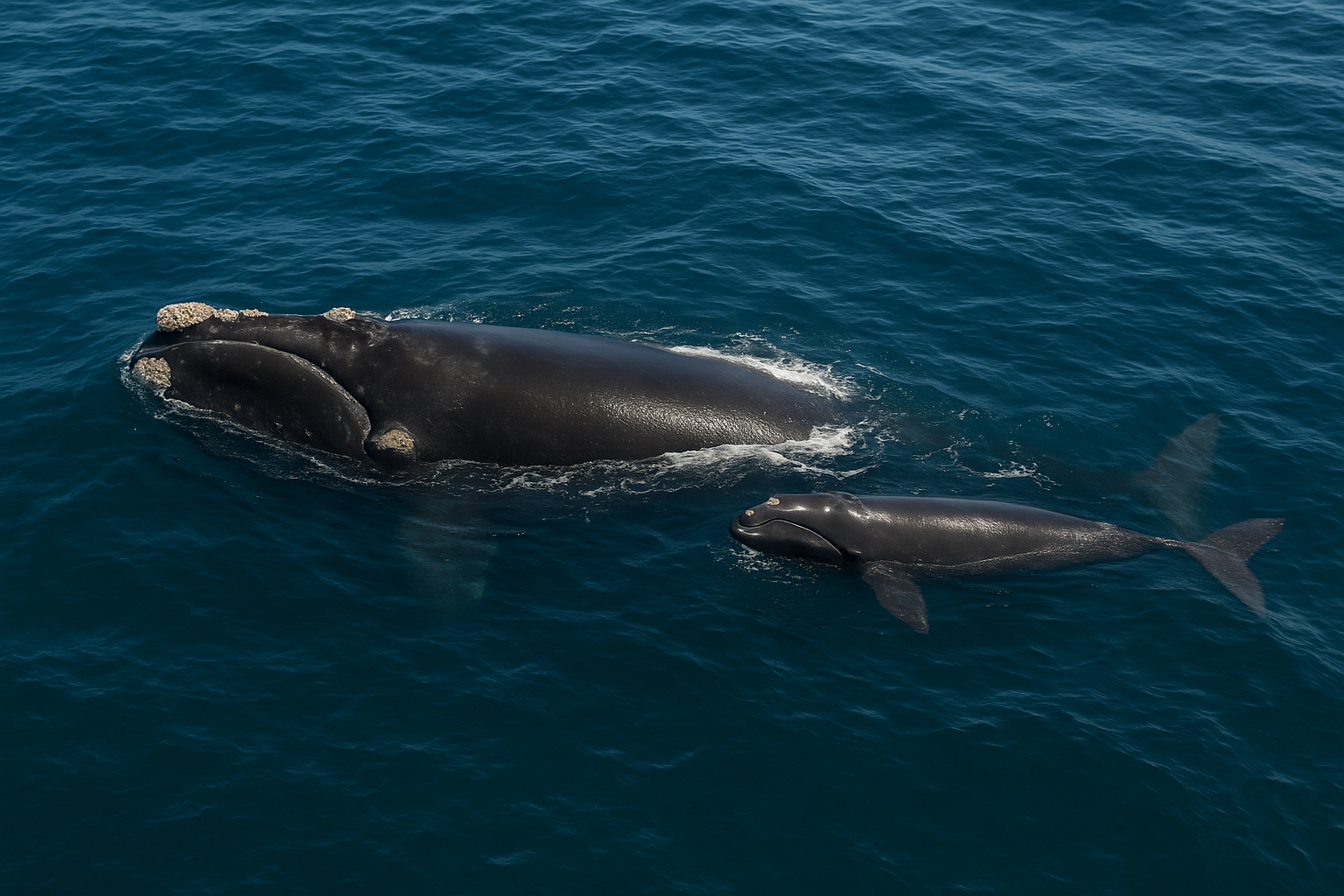
Each winter, North Atlantic right whales migrate into the coastal waters off Northeast Florida, including Amelia Island. Their presence is not a tourism gimmick or a marketing opportunity—it is one of the most critical biological events for one of the most endangered whale species on the planet.
Understanding their protected status and the legal obligations of boaters and charter operators matters, especially during calving season.

A Critically Endangered Species
North Atlantic right whales are among the most endangered large whales in the world.
Estimated population: Approximately 350–370 total animals Legal status: Endangered Species Act (ESA) Marine Mammal Protection Act (MMPA)
These laws make it illegal to harass, disturb, or interfere with right whales in any way—intentionally or unintentionally.
This is not discretionary protection. It is absolute federal law.
Why Amelia Island Matters
Waters off Northeast Florida and Southeast Georgia are part of the only known calving grounds for North Atlantic right whales.
From roughly mid-November through mid-April, pregnant females migrate south to give birth in warm, shallow coastal waters. Calves are born here and spend their first weeks nursing and building strength before migrating north.
This makes Amelia Island’s offshore waters biologically significant—not recreationally convenient.
The Federal Distance Rule (No Exceptions)
All vessels—private boats, fishing charters, sailboats, and paddlecraft—must stay:
At least 500 yards (1,500 feet) away from any North Atlantic right whale.
This applies at all times and includes:
Mother–calf pairs Single adults Resting or traveling whales
If a whale approaches your vessel, the law requires you to:
Reduce speed immediately Shift to neutral if necessary Allow the whale to pass without altering course toward it
There are no exceptions for photography, curiosity, or “just passing through.”
Why Mother–Calf Pairs Are Especially Vulnerable
Calving mothers and newborn calves:
Travel slowly Spend long periods resting near the surface Remain close to shore Are highly sensitive to disturbance
Stress caused by vessels can:
Separate calves from mothers Disrupt nursing Increase energy loss Raise the risk of future vessel strikes
For a calf in its first weeks of life, unnecessary disturbance can be fatal.
Are Boat Charters a Problem?
The answer is nuanced.
Responsible charter operators:
Monitor NOAA right whale advisories Alter routes well in advance of whale locations Keep far outside exclusion zones Treat whale sightings as incidental—not objectives Do not advertise close encounters
These operators are not the problem.
Irresponsible operators:
Approach too closely for a “better look” Idle near mother–calf pairs Advertise whale sightings as a selling feature Allow passengers to pressure them closer Treat right whales like dolphins or humpbacks
That behavior is illegal. Period.
Any charter implying close interaction with right whales is either uninformed, dishonest, or willing to violate federal law.
Enforcement Is Active and Real
During calving season, Northeast Florida is a high-monitoring zone.
Agencies involved include:
NOAA Fisheries U.S. Coast Guard Florida Fish and Wildlife Conservation Commission Aerial survey teams and trained volunteer observers
Violations can result in:
Civil fines up to $50,000 per incident Criminal penalties for willful violations
Ignorance is not a defense.
The Bottom Line
North Atlantic right whales are not a tourism attraction—they are a species fighting for survival.
They are among the most protected marine mammals on Earth Distance rules are strict and enforceable Responsible boating protects both whales and operators Close encounters are neither legal nor ethical.