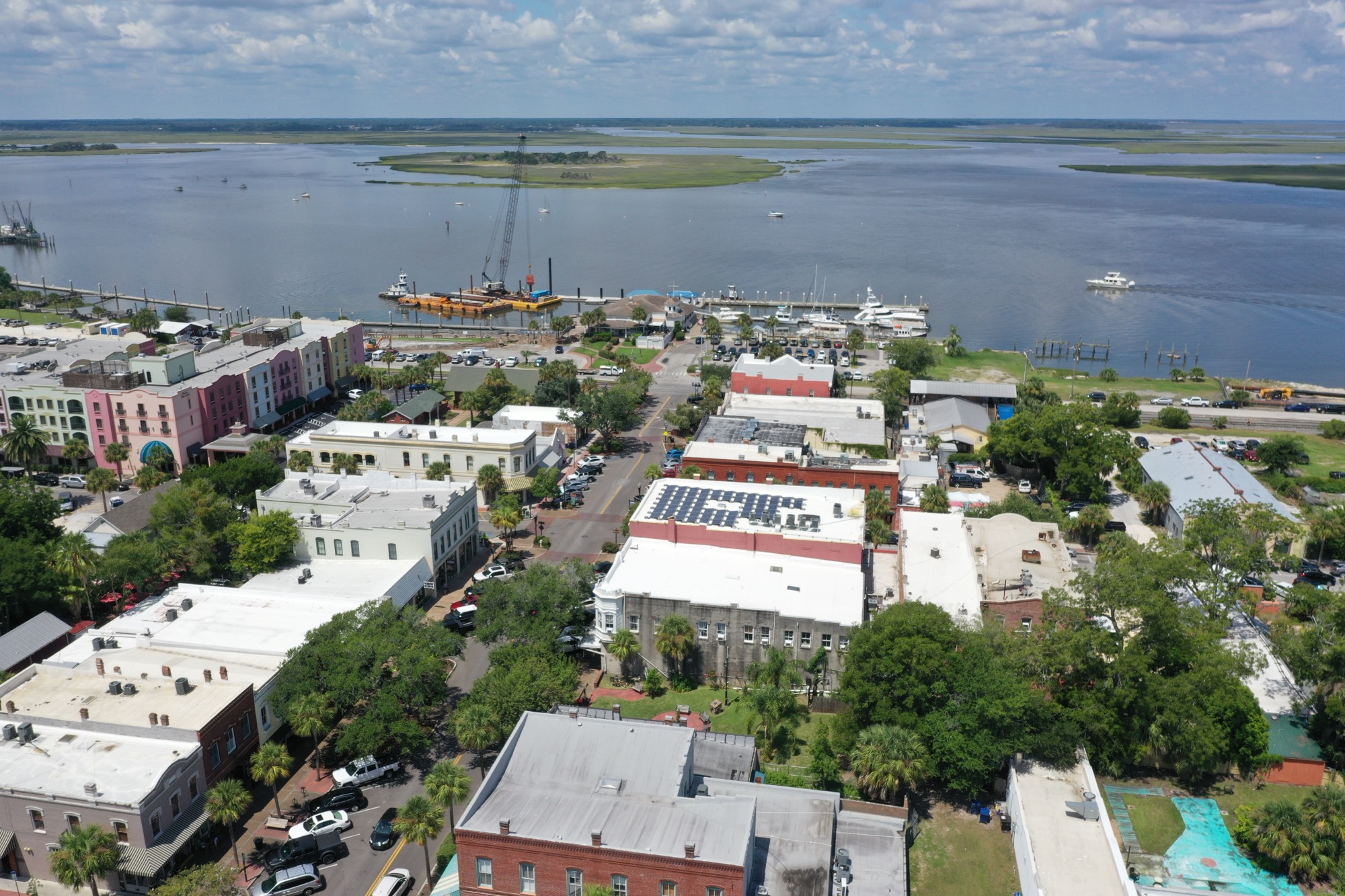
Locals and the Importance of Local Dollars: A Reply to the Fernandina Beach Parking Revenue Shortfall
The Fernandina Observer just dropped a sobering analysis: downtown paid parking revenue is lagging badly behind the $2 million annual goal. Through mid-March 2026, gross collections sit at just $219,837, with the latest full month (Feb. 16–March 16) pulling in only $90,670 from hourly parkers. The realistic projection for the whole year—after the initial permit surge fades—is now $1.25–$1.45 million gross, or roughly half to two-thirds of what the contractor promised. Even after subtracting the $270,000 in operating costs, the city is looking at a net of about $1.0–$1.2 million… if nothing changes.
The article pins its hopes on a “summer surge” from tourists. Peak months would somehow need to hit $300,000+ each just to close the gap. But here’s the part no one seems to be saying out loud: chasing tourist dollars at the expense of local ones is a terrible long-term bet.
Other places exist.
In the last month, my habits have changed. Coffee conversations are in a different location and I see more locals at an alternative shop. I’ve discovered different places to walk, socialize, listen to music and not pay to park. Reflecting, it’s a more local crowd, instead of the tourism-heavy downtown has become.
When you force people to change shopping, social, dining and entertainment habits with an annoyance, they don’t come back so quickly when that unwelcome annoyance finally goes away. Assuming paid parking ends one day (and the August 18 referendum might make that happen), downtown is quickly changing its balance.
But let’s talk real dollars lost—the kind the city’s spreadsheets never capture. My wife and I spend more than I’d like to admit downtown: lunches, dinners, coffees, quick errands, the little things that add up. Every special event I normally make an effort to shop for gifts, shirts or clothing—again, trying to spend money downtown and honor the local economy …now feeling the annoyance every time in the paid parking zone. I’ve been doing this for most of my adult life. How much did that amount to at the end of the day? Going forward?
Speculate for a moment: if just 100–200 local households (a conservative slice of Fernandina’s year-round residents) have shifted even half their downtown spending the same way, that’s $600,000 to $1.2 million annually vanishing from the very businesses the meters were supposed to “help.” That’s not theory—that’s money that used to circulate right here, supporting jobs, keeping shelves stocked, and paying local wages. Now it’s gone to other shops, other towns, other economies.
One “name withheld retailer” saw more than 50% drops in sales over the previous year. That’s unfair to the retailers, but it’s unfair to the town. These are the same small businesses that stuck it out through hurricanes, slow seasons, and everything else. They didn’t sign up to become collateral damage in a parking experiment whose revenue projections were woefully inaccurate from day one.
Is downtown the fragile balance is being irreparably broken as each day passes—and with no economic impact study to measure the local fallout—March onward? Tourists are seasonal. Locals are the backbone. We’re here 365 days a year. We support the businesses when the beach is empty and the tourists are gone. We’re the ones who keep the lights on in the slow months. Yet the current policy treats us like an afterthought while rolling out the red carpet (and the parking meters) for visitors.
I’m not against revenue. I’m against revenue that comes at the direct cost of alienating the very people who make downtown viable every single day. When locals start voting with their feet—and their wallets—the numbers in that Observer article start to tell a much bigger story than “we just need a hotter summer.”
I wonder if I’m the only one to notice… or if I’m just looking for reasons?
