



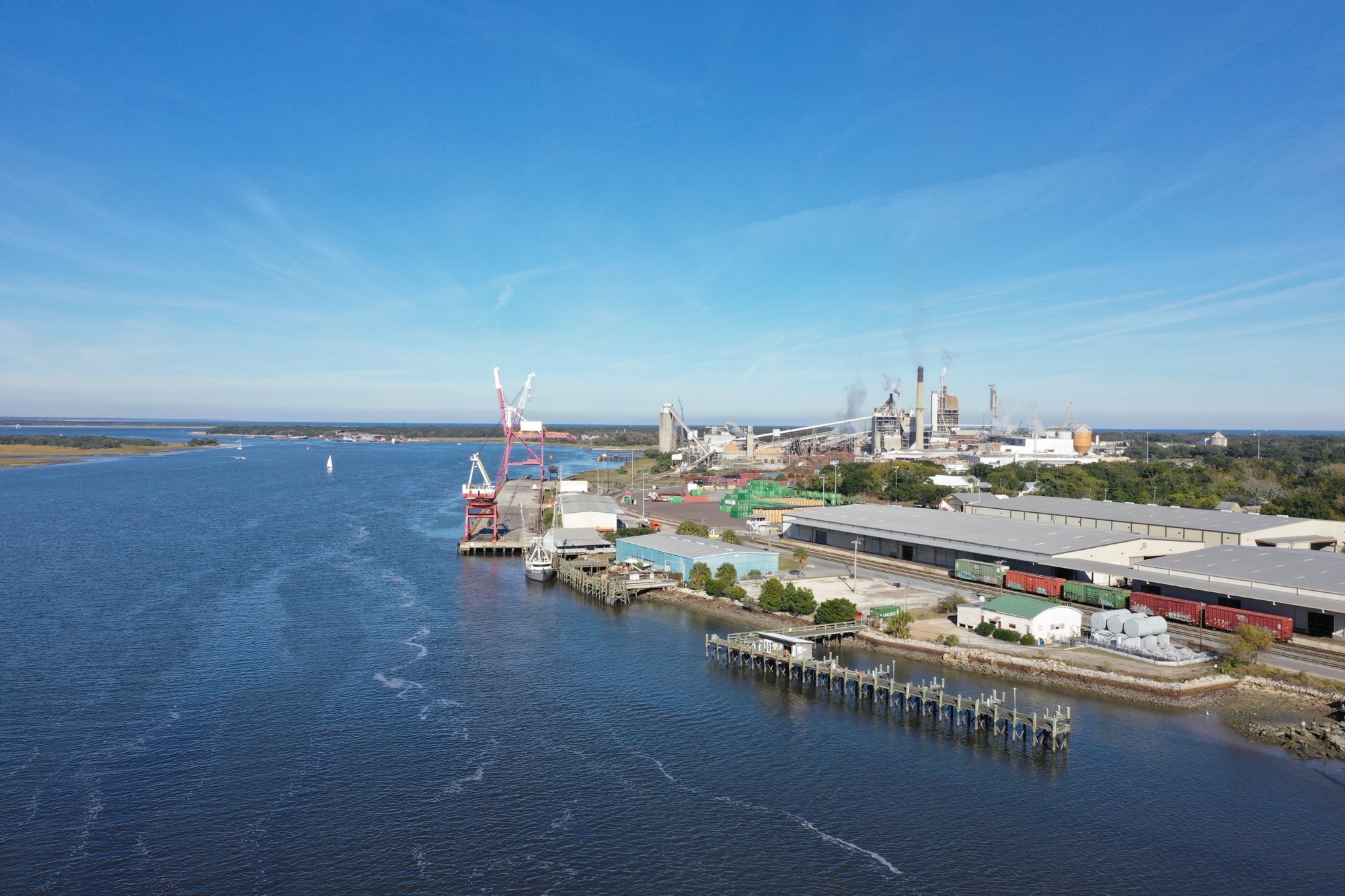
The Future of the Port of Fernandina: Pressures, Possibilities, and Prudent Planning
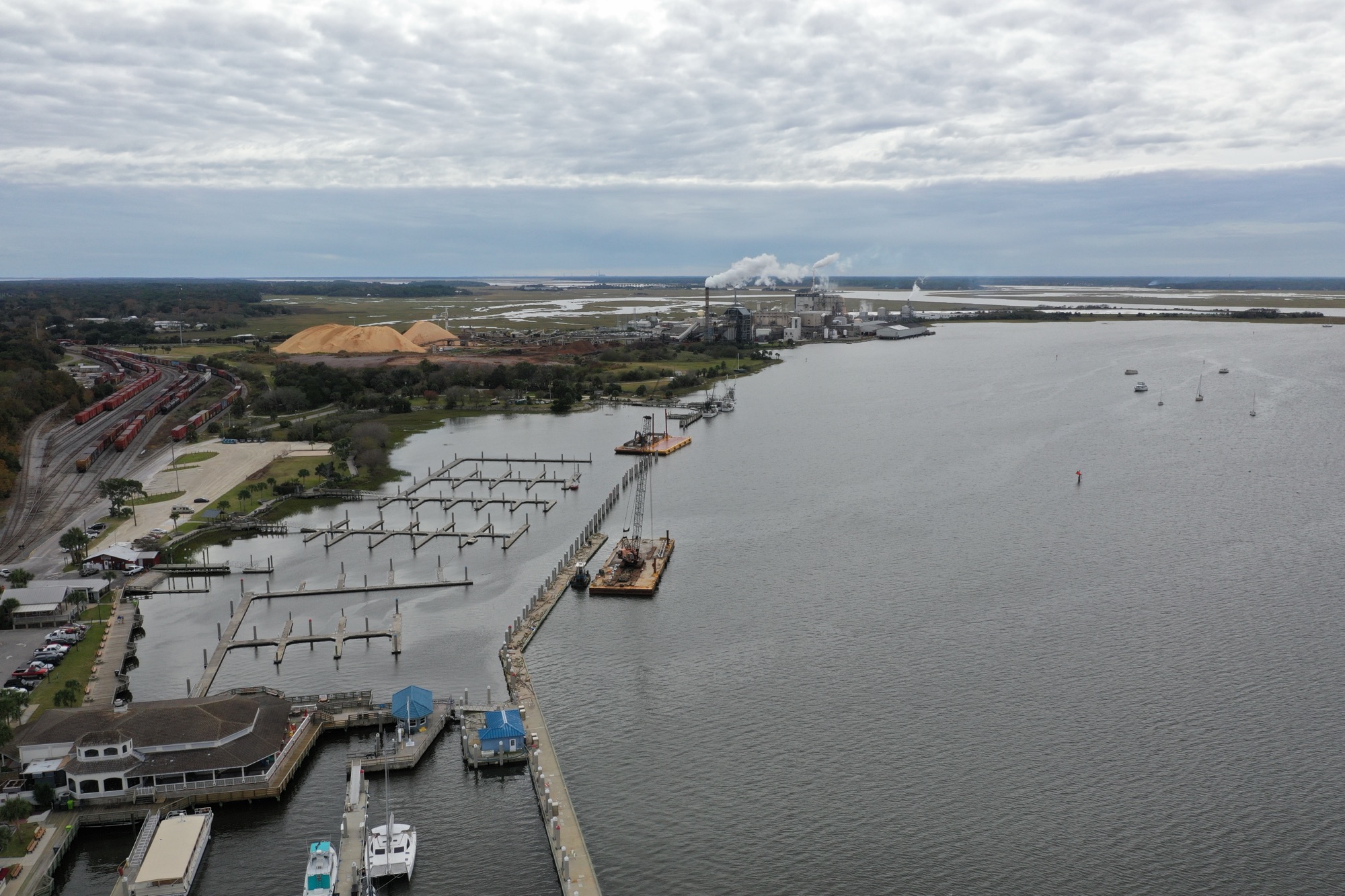
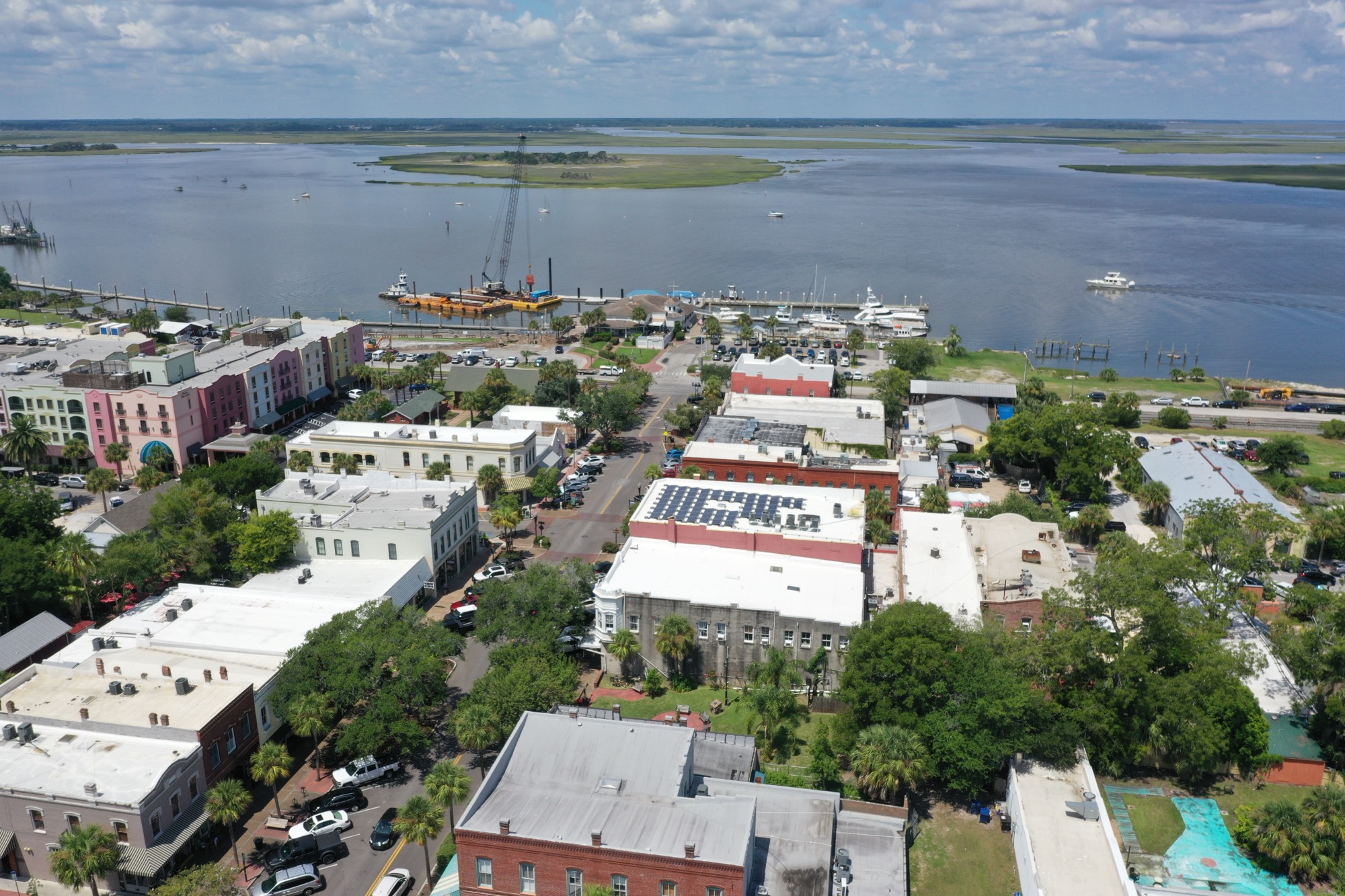
Recent reporting in the Fernandina Observer outlined a measurable decline in activity at the Port of Fernandina. Cargo tonnage for the first half of 2026 fell more than 22 percent from the comparable period in 2025, with corresponding reductions in vessel calls and dockage days. Traditional breakbulk cargoes experienced notable drops, while wood pulp volumes provided a partial offset. Representatives of the Ocean Highway and Port Authority (OHPA) and the port operator, Relay Terminals, cited broader economic factors—including tariffs, fuel costs, and consumer demand—as contributing elements, while also noting the challenges inherent in a specialized operation with a concentrated customer base.

These operational trends intersect with longstanding financial considerations. The port has faced infrastructure needs estimated in the range of $19 million for dock repairs, flood mitigation, equipment upgrades, and compliance with federal requirements. There is also the history of intergovernmental discussions with the City of Fernandina Beach regarding payments in lieu of taxes, recently resolved through a negotiated settlement. A separate property tax ruling remains under appeal and could carry significant financial implications if upheld. Internal OHPA discussions have already turned toward evaluating alternative or complementary uses for certain waterfront parcels, including commercial fishing support facilities and transient marine services.
In this context, it is reasonable to consider how the port might evolve. The current model faces documented pressures; whether those pressures prove temporary or structural will depend on market conditions, operational adjustments, and funding strategies. Several plausible paths merit examination.
**Adaptation Within the Existing Framework**
One path involves continued efforts to stabilize and modestly expand the current cargo-focused operation. This would require successful diversification of cargo types, utilization of larger vessels where draft permits, and securing external funding for critical
infrastructure. If wood pulp and related forest product markets remain supportive and the tax appeal is resolved favorably, the port could maintain its role as a niche maritime facility serving regional needs. Under this scenario, lease revenue to OHPA would continue, and a limited number of local jobs in stevedoring, logistics, and related services would be preserved. This outcome aligns with public statements from port leadership emphasizing incremental improvement.
**A Shift Toward Other Maritime and Working Waterfront Activities** A second possibility, already under active consideration by OHPA, involves a deliberate pivot toward complementary or alternative maritime uses. Recent grant-related discussions have included evaluation of a commercial fishing dock with associated processing and storage capacity, transient vessel berthing for Intracoastal Waterway traffic, and broader commercial marine facilities. These uses would leverage existing water access and infrastructure while potentially offering more stable local economic activity than international breakbulk trade.
Such a transition could support the regional seafood economy, provide services to recreational and commercial vessel operators, and generate revenue streams less exposed to global commodity volatility. Implementation would require infrastructure investments, regulatory alignment, and coordination with the City of Fernandina Beach. This path represents an evolutionary step rather than wholesale abandonment of the waterfront’s maritime character.
**More Substantial Repurposing of the Waterfront Asset**
A third scenario envisions a more fundamental change in land use if cargo volumes and associated revenues prove insufficient to sustain operations and capital requirements over the longer term. Given the site’s waterfront location within a community oriented toward tourism, historic preservation, and measured growth, higher-value redevelopment options could emerge.
Potential directions include marina-oriented mixed-use development with supporting retail and hospitality components; sensitively designed residential or live-work uses that expand the local tax base; expanded public access and open space integrated with commercial elements; or institutional or educational facilities focused on maritime heritage, coastal resilience, or workforce training. Any such transformation would necessitate comprehensive planning, environmental and traffic analyses, public engagement, and likely public-private partnership structures. From a real estate and fiscal perspective, the waterfront’s location suggests meaningful potential to contribute to the community’s economic resilience and tax base, provided development respects the scale and character of Amelia Island.
**Risks of Inaction or Prolonged Erosion**
A less desirable outcome would result from continued operational decline without corresponding adaptation. Sustained reductions in activity could make it increasingly difficult to address
infrastructure needs or meet financial obligations, potentially leading to underutilization of a strategic waterfront asset. This path underscores the importance of proactive planning rather than reactive measures.
**Factors That Will Influence the Outcome**
The direction the port ultimately takes will be shaped by several variables: trends in relevant commodity and marine markets; the resolution of outstanding financial and legal matters; OHPA’s governance decisions and its working relationship with the City of Fernandina Beach; the availability of grants and investment capital; and community priorities regarding economic development, public access, environmental resilience, and the character of the waterfront.
Prudent stewardship of public assets calls for contingency planning alongside efforts to sustain existing operations. The waterfront has served Fernandina and Nassau County in various capacities over time. Its future contribution—whether through continued cargo activity, diversified marine uses, or thoughtful redevelopment—will benefit from transparent analysis, broad stakeholder input, and alignment with the community’s long-term interests.
I invite thoughtful perspectives on these possibilities. What uses of this waterfront asset would best serve the broader community in the years ahead? How should economic, fiscal, and character considerations be balanced? Constructive discussion on these questions can help inform decisions that affect us all.
*Change is constant. The measure of a community lies in how
deliberately it anticipates and shapes that change.*
This post was prepared with AI assistance for research, fact-checking, and initial drafting.